
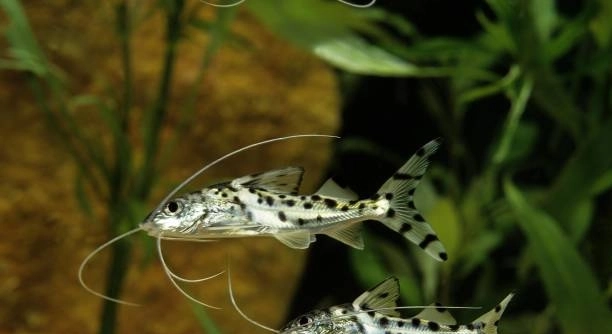
Are your Pictus Catfish showing signs of comfort in their tank? These active fish thrive when they feel safe and stress-free in their environment. Knowing how to recognize their well-being can improve your care routine.
Good signs that your Pictus Catfish feels secure include regular swimming patterns, active feeding, clear eyes, smooth skin, and calm interactions with tank mates. These behaviors indicate low stress levels and a comfortable habitat.
Understanding these signs will help you maintain a healthy and happy environment for your Pictus Catfish, ensuring they continue to thrive in your aquarium.
Calm and Consistent Swimming Patterns
When your Pictus Catfish swims calmly and consistently around the tank, it shows they feel secure. Erratic or frantic swimming often signals stress or discomfort. A comfortable catfish will explore its environment with smooth, controlled movements. They will glide along the tank bottom or midwater without sudden stops or spikes in speed. Observing their swimming habits over several days can reveal important clues about their well-being. A secure fish tends to maintain a regular routine, coming out during feeding times and resting calmly in safe spots. This behavior reflects their trust in the environment and absence of threats. When the tank conditions are stable and the water quality is good, your catfish will show these calm swimming patterns naturally.
Regular swimming behavior is a key indicator of your catfish’s health and security in the aquarium.
Maintaining stable water parameters and providing hiding spots encourages these calm swimming habits. Proper tank mates and consistent feeding schedules also help your Pictus Catfish feel relaxed and secure.
Active Feeding Behavior
Active feeding is a clear sign that your Pictus Catfish feels safe in its environment. When they eagerly come to eat and finish their food without hesitation, it shows trust and comfort. Stress or insecurity often causes fish to hide or ignore feeding. Watching how your catfish responds during feeding times can give you insight into their state of mind. A secure Pictus Catfish will recognize feeding routines and approach food confidently.
Pictus Catfish that feed actively are less likely to suffer from health issues linked to stress or poor environment.
In a healthy aquarium, your catfish will develop a predictable feeding pattern. They may even anticipate feeding times by swimming closer to the tank front. Consistent feeding behavior reflects proper nutrition and a stress-free habitat. To maintain this, offer a balanced diet that suits their needs. Avoid overfeeding, which can harm water quality and lead to discomfort. It’s also important to ensure that all tank inhabitants receive food without competition or aggression. By creating a calm and welcoming environment, your Pictus Catfish will continue to show active feeding behavior, confirming their sense of security and well-being in your care.
Clear Eyes and Smooth Skin
Clear eyes on your Pictus Catfish indicate good health and a secure environment. Cloudy or swollen eyes can suggest stress or illness, which often result from poor water quality or infections.
Healthy skin is smooth and free from spots or lesions. Your catfish’s skin should have a natural shine without patches of discoloration or damage. When the water is clean and stable, skin health improves, and the fish is less likely to develop infections. Regular water changes and monitoring parameters help maintain this condition. Stress can cause your catfish to scratch or rub against surfaces, which may lead to injuries. Preventing such behavior by keeping the tank safe and calm supports smooth skin and clear eyes.
Observing these physical signs regularly can alert you to potential problems before they worsen. Taking prompt action helps keep your Pictus Catfish healthy and comfortable.
Interaction with Tank Mates
Pictus Catfish that feel secure interact calmly with other fish in the tank. Aggression, hiding, or avoidance are signs of stress or insecurity. A comfortable catfish will swim alongside compatible species without signs of fear or dominance.
Good tank mates create a balanced environment where your Pictus Catfish can thrive. Avoid overcrowding and aggressive species that may cause stress. Observing how your catfish behaves around others helps identify if the community setup is appropriate. Proper spacing and hiding places reduce tension and encourage peaceful interactions. Social harmony in the tank directly impacts your catfish’s overall well-being and sense of security. Maintaining these conditions fosters a peaceful aquarium where all fish can coexist without stress.
Resting in Safe Spots
Pictus Catfish that feel secure will rest calmly in hiding places or shaded areas of the tank. This behavior shows they trust their environment and feel protected from threats.
Providing caves, plants, or decorations allows your catfish to relax and recover without stress. These safe spots are essential for their comfort.
Responsive to Environmental Changes
A secure Pictus Catfish responds calmly to changes in light or movement near the tank. Sudden reactions or hiding can indicate insecurity or stress.
When your catfish remains steady during routine activities like feeding or tank maintenance, it reflects their confidence in the environment.
Bright and Vibrant Colors
Healthy Pictus Catfish display bright and consistent coloring. Dull or faded colors often point to poor health or stress, which can result from inadequate water conditions or nutrition.
Maintaining clean water and a balanced diet helps your catfish retain vibrant colors and a healthy appearance.
Regular Breathing Patterns
Pictus Catfish with regular, steady breathing indicate good health and comfort. Rapid or labored breathing can signal stress or poor water quality.
Monitoring their breathing can help detect early signs of problems, allowing timely intervention to keep them secure.
FAQ
How can I tell if my Pictus Catfish is stressed?
Signs of stress in Pictus Catfish include erratic swimming, hiding excessively, loss of appetite, and changes in color such as dull or faded skin. Rapid breathing or rubbing against tank surfaces can also indicate discomfort. These behaviors often result from poor water quality, aggressive tank mates, or sudden changes in the environment.
What should I do if my catfish seems stressed?
First, check your water parameters including temperature, pH, ammonia, nitrite, and nitrate levels. Make sure these are within the ideal range for Pictus Catfish. Remove any aggressive fish that might be causing bullying. Provide plenty of hiding spots to help your catfish feel secure. Regular water changes and a stable feeding schedule will reduce stress and improve their overall health.
How important is tank size for Pictus Catfish security?
Tank size matters a lot. Pictus Catfish are active swimmers and need enough space to explore without feeling cramped. A minimum of 30 gallons is recommended for a small group. Overcrowding can cause stress, aggression, and poor water quality, all of which threaten their sense of security and health.
Can lighting affect my Pictus Catfish’s behavior?
Yes. Bright or constantly changing lighting can make your catfish nervous and encourage hiding or frantic swimming. Dim or moderate lighting with some shaded areas mimics their natural environment and helps them feel safer. Providing plants or decorations that break the light also gives them places to retreat.
How often should I feed my Pictus Catfish to keep them secure?
Feeding them once or twice a day with a balanced diet is ideal. Overfeeding leads to poor water quality and can cause stress or illness. Underfeeding causes weakness and anxiety. Offering a variety of foods like sinking pellets, live or frozen bloodworms, and brine shrimp keeps them healthy and satisfied.
What tank mates work best for Pictus Catfish?
Peaceful, similarly sized fish that occupy different parts of the tank are best. Avoid aggressive or territorial species that may stress your catfish. Good companions include tetras, danios, and some gouramis. Ensure the tank is large enough to accommodate all fish comfortably.
Do Pictus Catfish need hiding places to feel secure?
Absolutely. These catfish naturally seek cover to rest and escape perceived threats. Providing caves, driftwood, or dense plants allows them to hide when they want. This reduces stress and helps maintain calm behavior.
How often should I check water quality to keep my catfish secure?
Regular checks, ideally once a week, are important. Testing for ammonia, nitrites, nitrates, pH, and temperature ensures the environment remains stable. Sudden changes can cause stress or illness. Consistent water quality is key to your Pictus Catfish’s security and health.
What signs show my Pictus Catfish is happy in the tank?
Signs include calm swimming, active feeding, bright colors, clear eyes, and resting comfortably in hiding spots. A catfish that interacts peacefully with tank mates and responds calmly to your presence usually feels secure and healthy. Observing these behaviors regularly helps you maintain optimal care.
Is tank maintenance important for my Pictus Catfish’s security?
Yes, it is essential. Regular cleaning, water changes, and filter maintenance prevent toxin buildup that can stress fish. A clean, stable environment supports their health and sense of safety. Neglecting maintenance increases the risk of disease and insecurity in your catfish.
Can temperature fluctuations affect my Pictus Catfish’s security?
Sudden or extreme temperature changes stress Pictus Catfish and may weaken their immune system. Keeping the tank temperature steady between 72-79°F (22-26°C) helps them stay comfortable. Using a reliable heater and thermometer ensures a stable environment.
Should I handle my Pictus Catfish often?
Handling should be minimal because it stresses the fish. Pictus Catfish are sensitive and can injure themselves if stressed by frequent handling. It’s better to observe their behavior in the tank and only intervene when necessary for health or safety reasons.
How can I improve my Pictus Catfish’s sense of security?
Maintain clean water, stable temperature, and proper tank mates. Provide hiding places and avoid sudden environmental changes. Consistent feeding schedules and gentle tank maintenance routines also build trust and comfort for your catfish, helping them feel secure.
The security and well-being of your Pictus Catfish depend largely on the environment you create in the aquarium. Paying attention to their behavior and physical condition can help you understand how comfortable they feel. Calm swimming, active feeding, clear eyes, smooth skin, and peaceful interactions with other fish are all signs your catfish is secure. Providing proper tank conditions, such as clean water, appropriate temperature, and sufficient space, plays a key role in keeping your fish healthy and stress-free. When these needs are met, your Pictus Catfish will show natural behaviors that reflect a good quality of life.
Creating a stable and safe environment requires consistent care and monitoring. Water quality is especially important, as poor conditions can quickly cause stress and illness. Regular testing and water changes help maintain a healthy balance in the tank. In addition, offering hiding places like caves, plants, or decorations gives your catfish a sense of security where they can rest or retreat when needed. Choosing peaceful tank mates and avoiding overcrowding also reduces stress. These small but important details contribute to the overall comfort and happiness of your fish.
Observing your Pictus Catfish closely allows you to catch any problems early and adjust care accordingly. Changes in behavior, appetite, or appearance can indicate discomfort or illness. Acting promptly by checking water parameters or adjusting the tank setup can prevent issues from worsening. With patience and attention, you can create an environment where your Pictus Catfish not only survive but thrive. Maintaining these conditions consistently helps your fish feel secure, live healthier, and show the vibrant colors and lively activity that make them a rewarding part of your aquarium.

Hello,
If you enjoy the content that we create, please consider saying a "Thank You!" by leaving a tip.
Every little bit helps us continue crafting quality advice that supports the health, happiness, and well-being of pets around the world, for pets of all shapes, sizes, and species.
We really appreciate the kindness and support that you show us!