Do Bristlenose Plecos Prefer Sand or Gravel?
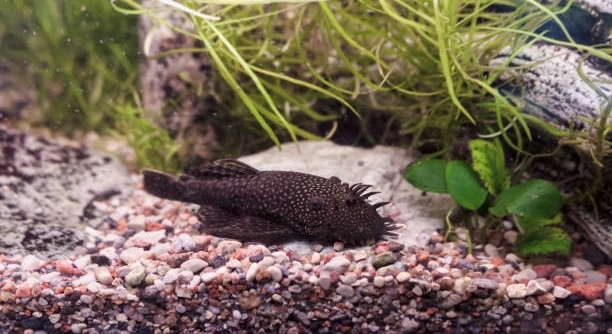
Do you ever notice your Bristlenose Pleco moving along the bottom of its tank, sifting through the substrate as it searches for food and comfort? Their tiny bristles and gentle movements make them surprisingly interesting to watch. Bristlenose Plecos generally prefer sand over gravel. Sand provides a softer surface for their delicate undersides and allows … Read more
7 Bristlenose Pleco Problems and Solutions

Do you ever find yourself struggling to keep your Bristlenose Pleco happy and healthy in your aquarium? These small, armored catfish are generally low-maintenance, yet they can face issues that puzzle even experienced fishkeepers. The most common problems with Bristlenose Plecos stem from poor water quality, improper diet, and unsuitable tank conditions. Addressing these factors … Read more

7 Little Things That Make Plecos Happier

Plecos are fascinating fish that bring life and activity to aquariums. Many hobbyists enjoy watching them glide along the glass, but understanding what truly makes them happy can improve their health and well-being. Providing proper hiding spots, clean water, and a varied diet significantly enhances plecos’ overall welfare. Ensuring adequate space, environmental enrichment, and stable … Read more

Why Is My Pleco Always Under the Same Rock?

Plecos are fascinating fish that often capture our attention with their unique behaviors. Watching them glide around the tank can be relaxing, yet sometimes they seem to favor one spot and rarely move from it. The primary reason a pleco remains under the same rock is due to territorial and shelter-seeking behavior. Plecos naturally prefer … Read more

7 Feeding Mistakes That Affect Pleco Growth

Do you ever notice that your plecos grow slower than expected, despite providing them with food daily? Many fish owners face this issue without realizing subtle feeding habits may be causing the problem. Pleco growth can be significantly impacted by improper feeding practices. Overfeeding, underfeeding, unvaried diets, incorrect food size, irregular feeding schedules, poor water … Read more

7 Subtle Pleco Behaviors You Might Miss

Have you ever noticed your pleco acting strangely, like clinging to the glass or hiding for long hours, and wondered what it really means? Plecos display subtle behaviors that reveal their mood, health, and comfort within the tank environment. These actions, often overlooked, can signal stress, adaptation, or natural instincts at play, offering insight into … Read more

7 Causes of Sudden Pleco Color Changes

Have you ever noticed your pleco suddenly changing color in your aquarium without any warning? This unexpected shift can be surprising, especially when your fish usually displays a consistent, vibrant appearance day after day. Sudden color changes in plecos are commonly caused by stress, water quality fluctuations, diet deficiencies, illness, lighting variations, temperature shifts, and … Read more

Do Plecos Prefer Smooth or Textured Surfaces?

Have you ever set up a tank for your pleco and wondered if the type of surface inside makes any difference to their comfort and behavior? Plecos generally prefer textured surfaces over smooth ones. The rough texture allows them to grip better, reduces slipping, and provides a more natural environment similar to riverbeds and submerged … Read more

Can Bristlenose Plecos Feel Touch?

Bristlenose plecos are small freshwater fish often kept in home aquariums. Many owners notice how they interact with decorations and each other. These fish have unique behaviors that make them interesting to watch and care for. Bristlenose plecos are capable of sensing touch through specialized cells on their bodies and fins. These sensory structures allow … Read more

7 Clues Your Pleco Is Adjusting Just Fine

Are your plecos settling into their new tank smoothly? Adjusting to a new environment can take time, and observing their behavior closely is key. Small daily signs often reveal whether your pleco is comfortable and thriving. Healthy plecos display consistent eating habits, active movement, and regular hiding patterns. Clear fins, steady breathing, and minimal stress … Read more