
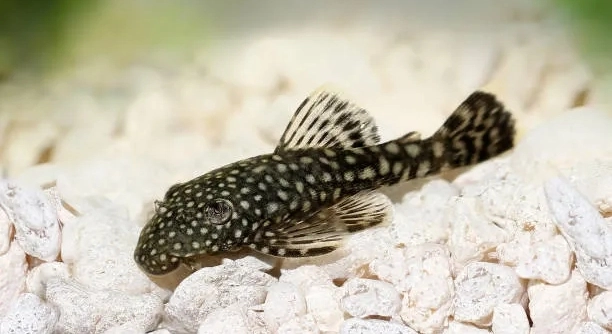
Do you ever find yourself struggling to keep your Bristlenose Pleco happy and healthy in your aquarium? These small, armored catfish are generally low-maintenance, yet they can face issues that puzzle even experienced fishkeepers.
The most common problems with Bristlenose Plecos stem from poor water quality, improper diet, and unsuitable tank conditions. Addressing these factors through consistent maintenance, balanced nutrition, and appropriate tank setup ensures their overall health and longevity.
Understanding these challenges and how to fix them will help your Bristlenose Pleco thrive and make your aquarium a more stable environment.
1. Poor Water Quality
When your Bristlenose Pleco starts acting sluggish or showing faded colors, water quality is often the reason. These fish rely on stable, clean water to stay healthy and active. Ammonia, nitrite, and nitrate levels can quickly rise if maintenance is neglected, causing stress and illness. Regular water testing helps you keep track of these parameters and prevents unseen issues from building up. Performing partial water changes weekly and cleaning filters on schedule are key habits. Stable pH levels between 6.5 and 7.5 and temperatures around 73–81°F also support your Pleco’s wellbeing. Good water conditions help maintain healthy slime coats and reduce the risk of infections.
A well-maintained aquarium keeps your Pleco active and ensures its natural behaviors shine through. Clean water doesn’t just make your tank look good—it provides a stable, balanced environment that supports growth, appetite, and long-term health.
Consistency matters most when caring for your Bristlenose Pleco. Monitoring water conditions and avoiding sudden changes can prevent many issues before they begin. It may feel like extra work at first, but once you establish a routine, maintaining the right balance becomes second nature. Your Pleco will reward you with steady growth, vibrant colors, and years of peaceful tank life.
2. Inadequate Diet
Many Plecos fall into poor health because their diet lacks variety. While they are known for eating algae, it’s not enough to sustain them alone. Bristlenose Plecos need a combination of plant-based foods, sinking wafers, and occasional protein sources like blanched vegetables or shrimp pellets.
Feeding your Pleco the right way ensures proper digestion, steady growth, and a healthy immune system. Algae wafers form a good base, but supplementing with zucchini, cucumber, or spinach keeps their diet balanced. Overfeeding can quickly dirty the tank, so offering small portions at night is best, as Plecos are nocturnal feeders. Avoid feeding only one type of food; variety keeps them active and satisfied. If your Pleco starts showing hollow bellies or reduced activity, adjust their feeding routine immediately. A proper diet will not only support their overall health but also highlight their natural patterns and strong, distinctive armor plates.
3. Aggression from Tankmates
Aggressive tankmates can make your Bristlenose Pleco feel stressed or unsafe. Fish that nip fins or invade territories can harm your Pleco’s health. Peaceful species such as tetras, rasboras, or corydoras are better companions in a shared tank.
Stress from aggression often leads to hiding, poor appetite, or damaged fins. It’s important to provide enough hiding spaces with driftwood or caves where your Pleco can retreat when feeling threatened. Avoid housing them with large or territorial fish like cichlids. Rearranging decorations during introductions can also help reduce territorial disputes. Keeping fish of similar size and temperament ensures balance and calmness in the tank. A peaceful environment encourages normal feeding and resting behaviors, which supports overall health.
When aggression occurs, observe interactions closely and separate problem fish if necessary. Sometimes, moving decorations or adding visual barriers helps each fish establish boundaries. Proper tank size is another key factor—overcrowding often triggers stress and fights. A calm tank filled with safe hiding spots will help your Bristlenose Pleco feel comfortable and thrive without fear or injury.
4. Lack of Hiding Spots
Without enough hiding spots, Bristlenose Plecos become stressed and withdrawn. These fish are naturally shy and prefer shaded areas or caves to feel safe, especially during the day when they rest most of the time.
Adding driftwood, caves, or stacked stones gives your Pleco places to explore and hide. Driftwood also helps digestion by providing natural fibers they can graze on. Each Pleco should have at least one personal space to prevent competition, especially in tanks with more than one. A dark, comfortable hiding area keeps their stress levels low and improves their overall activity and feeding behavior. Adequate hiding spots also help maintain natural behaviors like cleaning surfaces and resting during daylight hours. Keeping the tank well-decorated creates a more balanced and secure space that benefits all fish inside.
5. Overcrowded Tank
An overcrowded tank can quickly lead to poor water quality and stress for your Bristlenose Pleco. Too many fish produce excess waste, making it difficult to maintain clean conditions. A spacious tank allows for better filtration and healthy oxygen levels.
Crowding also increases aggression and competition for food. Each Pleco needs room to explore and establish territory without constant disturbance. A minimum of 30 gallons is ideal for one adult Pleco, with more space required for tankmates. Maintaining proper stocking levels keeps your aquarium balanced and your fish healthy.
6. Incorrect Water Temperature
Improper water temperature can cause stress and illness in Bristlenose Plecos. Keeping the tank between 73°F and 81°F helps them stay active and supports proper metabolism. Temperatures outside this range may slow their growth or weaken their immune system. Use a reliable heater and thermometer to ensure stability.
7. Poor Tank Maintenance
Neglecting regular maintenance can harm your Pleco’s health. Waste buildup and dirty filters reduce water quality, leading to diseases or algae overgrowth. Weekly cleaning, vacuuming the substrate, and partial water changes help prevent these problems. Clean filters consistently to keep water flow steady and oxygen levels high.
FAQ
How often should I clean my Bristlenose Pleco’s tank?
Cleaning your Pleco’s tank once a week is ideal. Perform a 25–30% water change and vacuum the substrate to remove leftover food and waste. Avoid cleaning the entire filter at once to preserve beneficial bacteria. Instead, rinse it gently in tank water. Regular maintenance helps keep ammonia and nitrate levels stable. Skipping cleanings allows waste to build up, which can lead to stress and illness. Keeping a consistent schedule prevents problems before they start and ensures your Pleco’s tank stays healthy and balanced long term.
What should I feed my Bristlenose Pleco daily?
Feed your Pleco once a day with a mix of algae wafers and fresh vegetables such as zucchini, cucumber, or spinach. Supplement occasionally with protein-based foods like shrimp pellets or bloodworms. Feed small amounts that can be eaten within a few hours to avoid polluting the tank. Since Bristlenose Plecos are nocturnal, it’s best to feed them in the evening when they’re most active. Providing variety supports digestion, strengthens their immune system, and encourages steady growth while keeping your Pleco satisfied.
Can Bristlenose Plecos live with other Plecos?
It depends on tank size and setup. In a large tank, multiple Plecos can coexist if each has enough space and separate hiding areas. However, in smaller tanks, they may become territorial, especially males. Fights can lead to injuries or stress. To prevent aggression, include several hiding spots made from driftwood or caves so each fish can claim a safe space. Monitor their behavior closely during the first few weeks. If you see persistent chasing or nipping, consider separating them to maintain peace.
Why is my Bristlenose Pleco hiding all the time?
Hiding is normal behavior, especially during the day. Plecos are nocturnal and prefer resting in shaded areas. However, if hiding is excessive or accompanied by poor appetite or faded colors, water quality or stress may be the cause. Ensure your Pleco has stable water conditions, proper temperature, and safe tankmates. Add more hiding spots to reduce anxiety. Once your Pleco feels secure and the environment improves, it will start showing itself more often during feeding time or low-light hours.
Do Bristlenose Plecos need driftwood in their tank?
Yes, driftwood is very beneficial for Bristlenose Plecos. It provides natural fibers that aid digestion and helps mimic their natural habitat. Plecos love to graze on it, which keeps them occupied and reduces stress. It also serves as an excellent hiding area, especially for younger fish. Choose aquarium-safe driftwood and rinse it thoroughly before adding it to the tank. Over time, the wood softens slightly, allowing your Pleco to scrape it safely. Including driftwood not only supports their diet but also enhances tank stability and comfort.
Why is my Bristlenose Pleco’s color fading?
Color fading usually indicates stress, poor diet, or bad water conditions. Check ammonia, nitrite, and nitrate levels to ensure the water is safe. Offer a balanced diet with algae wafers, vegetables, and occasional protein foods. Avoid sudden temperature or pH changes, as Plecos are sensitive to fluctuations. If tankmates are aggressive, consider moving your Pleco to a calmer environment. Once conditions improve and your fish feels secure, its color typically returns to normal within a few days or weeks.
How long do Bristlenose Plecos live in captivity?
With proper care, Bristlenose Plecos can live 10 years or longer. Their lifespan depends on tank size, diet, and maintenance consistency. Clean water and a steady environment are key to long-term health. Feeding a balanced diet and minimizing stress from aggressive tankmates also extend their lifespan. Avoid overstocking the tank and monitor parameters regularly. A well-cared-for Pleco grows strong and remains active throughout its life, often becoming one of the most reliable and low-maintenance fish in your aquarium.
Can I keep a Bristlenose Pleco in a small tank?
A small tank is not ideal for an adult Bristlenose Pleco. They need at least 30 gallons to move freely and stay healthy. Smaller tanks can quickly accumulate waste, leading to ammonia spikes and poor oxygen levels. Limited space also makes it hard to create proper hiding areas, increasing stress. If you start with a juvenile in a smaller setup, plan to upgrade once it grows. Providing enough space helps regulate their behavior, reduces territorial issues, and ensures your Pleco’s long-term comfort and well-being.
Final Thoughts
Caring for a Bristlenose Pleco may seem simple at first, but these small catfish depend on a well-maintained and balanced environment to thrive. Understanding their needs makes aquarium care smoother and more rewarding. From clean water and steady temperatures to a proper diet and hiding spaces, every detail influences their overall health. When one of these factors is neglected, small issues can quickly grow into serious problems. Taking time to observe your Pleco’s habits and appearance helps you notice early signs of stress or discomfort. This kind of attention not only keeps your Pleco happy but also builds a peaceful and stable aquarium that supports every fish inside. Consistency is key—routine care prevents most problems long before they happen.
Each challenge you face with your Bristlenose Pleco can be solved with patience and regular maintenance. Problems like poor water quality, aggression, or inadequate diet often have simple solutions once you identify the cause. Clean water changes, suitable tankmates, and a balanced feeding schedule go a long way in maintaining their health. Over time, these habits become second nature, turning your aquarium into a thriving ecosystem. It’s satisfying to see your Pleco resting calmly on driftwood or cleaning the glass with steady movements. Small adjustments, such as adding more caves or feeding at night, make noticeable differences in their behavior. By learning and adapting, you ensure your Pleco stays active, colorful, and stress-free for years.
Keeping a Bristlenose Pleco healthy is not just about meeting basic needs—it’s about creating an environment where it feels secure. A peaceful tank, filled with clean water, steady lighting, and plenty of hiding spots, allows them to show their natural traits without fear. When cared for properly, these fish bring both beauty and balance to your aquarium. Their gentle nature and hardworking habits make them a favorite among fishkeepers who appreciate quiet and reliable tank companions. Whether you’re new to the hobby or have years of experience, maintaining a healthy Pleco always starts with patience and consistency. Every effort you make toward proper care reflects in their behavior and lifespan. In the end, the key to success lies in observation, understanding, and steady upkeep—a combination that keeps your Bristlenose Pleco thriving for many years to come.

Hello,
If you enjoy the content that we create, please consider saying a "Thank You!" by leaving a tip.
Every little bit helps us continue crafting quality advice that supports the health, happiness, and well-being of pets around the world, for pets of all shapes, sizes, and species.
We really appreciate the kindness and support that you show us!