
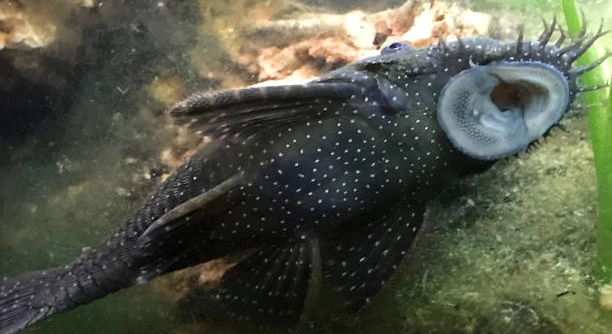
Plecos are fascinating fish that often capture our attention with their unique behaviors. Watching them glide around the tank can be relaxing, yet sometimes they seem to favor one spot and rarely move from it.
The primary reason a pleco remains under the same rock is due to territorial and shelter-seeking behavior. Plecos naturally prefer dark, secure spaces for resting and protection, making a single hiding spot their preferred refuge for comfort and security.
Learning why plecos favor certain hiding spots can improve their care and help maintain a healthy, stress-free environment in your aquarium.
Understanding Pleco Behavior
Plecos are naturally nocturnal and shy, preferring quiet areas where they can feel safe. They often select a single hiding spot, like under a rock, to rest during the day. This behavior is instinctive, stemming from their need to avoid predators and conserve energy. In aquariums, these fish may not explore much if they feel secure in one location. Providing plenty of hiding spots and gentle lighting can encourage them to move more while still respecting their natural tendencies. Plecos also use their hiding places to regulate stress and maintain comfort, which is essential for their overall health. Observing your pleco over time can reveal patterns in behavior that help you understand what it needs to feel secure and thrive in a tank environment. Adjustments to water conditions, decorations, and tank mates can impact how often it ventures out or stays hidden.
Even minor changes in tank layout can affect a pleco’s comfort.
Plecos rely heavily on their environment to feel secure, so stability is important. Sudden changes in water temperature, pH, or decorations can cause stress and increase hiding. Adding multiple rocks, caves, and driftwood allows them options, so they do not feel forced to occupy only one spot. Tank mates should be chosen carefully, as aggressive fish may push a pleco to retreat constantly. Observing their habits over days or weeks helps determine whether they are healthy or stressed. Maintaining clean water and consistent feeding schedules further supports their comfort. A pleco that feels safe will eventually explore, even if it still spends a lot of time under its favorite rock.
Environmental Factors Affecting Hiding
Water quality directly impacts pleco behavior and stress levels. Poor conditions can make them seek refuge more often.
Tank size, decorations, and flow also play a role. Plecos prefer stable water with moderate flow, soft lighting, and plenty of hiding spots. If water parameters fluctuate, they may cling to one area more consistently. Driftwood and smooth rocks mimic natural shelters and encourage natural behavior. Temperature, pH, and hardness should be checked regularly, as plecos are sensitive to changes. Overcrowding or overly aggressive tank mates can make hiding behavior more pronounced. Proper filtration and regular water changes reduce stress and promote exploration. Feeding routines also affect movement; a hungry pleco may venture out, but one that feels threatened or uncomfortable will stay under its chosen rock. By creating a stable, well-structured environment, owners can balance safety and activity, allowing plecos to show more of their natural personality while maintaining their preferred hiding spots.
Feeding Habits and Hiding
Plecos often stay under rocks during the day because they are nocturnal feeders. They feel safer resting while waiting for nighttime to forage. Proper feeding schedules can influence how often they leave their hiding spots.
Providing a balanced diet is crucial for plecos’ health. They mainly eat algae, vegetables, and sinking pellets, which satisfy their natural grazing habits. Feeding them at consistent times encourages routine without stressing them. If food is scarce or not easily accessible, they may venture out more, but otherwise, they prefer the safety of their favorite shelter. Observing their feeding patterns helps ensure they get enough nutrition while maintaining comfort in the tank.
Different types of plecos have varying dietary needs. Some prefer more plant matter, while others may require protein-rich foods. Understanding their specific requirements ensures they remain healthy and less stressed. Overfeeding can lead to water quality issues, which increases hiding behavior, while underfeeding can make them restless. Adjusting feeding locations, such as placing food near their hiding spot, can help balance security and activity, encouraging natural movement without compromising comfort.
Tank Decorations and Space
Plecos use decorations to establish territories and feel secure. Rocks, caves, and driftwood are essential for their well-being.
The layout of the tank greatly impacts pleco behavior. Adequate space allows them to move freely without feeling threatened, while too many decorations or cramped areas can increase hiding. Driftwood provides surfaces for algae growth, which plecos graze on, and caves mimic their natural hiding spots. Smooth rocks and rounded structures reduce stress, while vertical decorations create visual boundaries and security. Consistent tank arrangements help plecos learn their environment and reduce anxiety.
Spacing and accessibility of decorations influence movement patterns. Plecos prefer open swimming areas with nearby shelters. Changing decorations suddenly can cause stress, making them cling to one spot. Offering multiple hiding options prevents territorial conflicts and encourages exploration. Providing enough open swimming zones allows for exercise and foraging without feeling exposed. Overcrowded tanks or mismatched tank mates can increase hiding and stress, so careful planning of space, hiding spots, and compatible fish ensures a healthy, balanced environment. Regular observation allows adjustments to layout and placement to maintain both comfort and activity levels for plecos.
Stress and Pleco Behavior
Plecos hide under rocks to manage stress. Loud noises, sudden movements, or aggressive tank mates can increase their need for shelter. Consistent routines help them feel secure.
Monitoring tank conditions and interactions is important. Even small changes can trigger prolonged hiding. Providing calm surroundings reduces stress levels effectively.
Lighting and Day-Night Cycle
Plecos are sensitive to light. Bright lighting can make them retreat under rocks, while dim or natural lighting encourages natural activity. Adjusting light gradually helps them adapt without causing distress. Maintaining a consistent day-night cycle supports normal behavior and reduces excessive hiding, helping plecos remain active and healthy.
Health Considerations
Persistent hiding can indicate illness or injury. Look for signs like loss of appetite, clamped fins, or unusual swimming patterns. Early detection and proper care are essential to prevent serious health issues. Regular water testing, proper diet, and clean conditions support recovery and long-term well-being.
Observing Your Pleco
Tracking your pleco’s habits provides insight into its preferences and comfort. Noting patterns in hiding, feeding, and movement allows better tank management and ensures the fish’s needs are met consistently.
FAQ
Why does my pleco always hide under the same rock?
Plecos hide under rocks to feel safe and secure. This behavior is natural and tied to their nocturnal instincts. Rocks provide a dark, sheltered area where they can rest without feeling exposed. Even in a well-maintained tank, plecos may spend most of their day in one favorite spot.
Is it normal for a pleco to stay hidden all day?
Yes, it is normal. Plecos are naturally shy and nocturnal, so daytime hiding is typical. They usually become more active at night, exploring the tank, grazing on algae, or eating provided food. Persistent hiding during daylight hours alone is not necessarily a problem if the fish is healthy.
Can stress cause a pleco to hide more than usual?
Stress can increase hiding behavior. Changes in tank conditions, aggressive tank mates, sudden movements, or loud noises can make a pleco feel unsafe. Providing consistent water parameters, calm surroundings, and proper tank companions reduces stress and encourages more natural activity.
How can I encourage my pleco to explore the tank?
Offering multiple hiding spots and gradually adjusting lighting helps. Feeding near different areas or providing driftwood and caves can encourage movement. Ensuring tank mates are non-aggressive and water conditions are stable also promotes exploration without compromising the fish’s comfort.
Does diet affect a pleco’s hiding behavior?
Yes, diet plays a role. A well-fed pleco may feel more comfortable staying hidden, while hunger can motivate it to explore. Providing a balanced diet with algae, vegetables, and sinking pellets helps maintain health and reduces stress-related hiding. Feeding near their favorite shelter can encourage safe movement.
Can illness cause a pleco to stay under a rock constantly?
Persistent hiding combined with signs like clamped fins, loss of appetite, or unusual swimming patterns may indicate illness. Monitoring health and water conditions is crucial. Early detection allows for treatment and reduces the risk of serious issues. Clean water, proper diet, and observation support recovery.
Does lighting impact pleco activity?
Lighting affects pleco behavior significantly. Bright lights can make them retreat, while dim or natural lighting encourages activity. Gradual adjustments to light intensity and maintaining a consistent day-night cycle help them adapt and reduce stress, promoting natural behavior patterns.
Will changing the tank layout help my pleco move more?
Yes, carefully rearranging decorations can help. Adding multiple caves, smooth rocks, and driftwood gives them options and encourages exploration. Sudden or extreme changes may cause stress, so gradual adjustments are best. A balanced tank layout allows safe movement while respecting their need for shelter.
How important is tank size for hiding behavior?
Tank size matters. Larger tanks with plenty of space and hiding areas reduce competition and stress, allowing plecos to move comfortably. Overcrowded or small tanks can increase hiding and territorial behavior. Providing adequate swimming areas and shelter ensures a healthier and more active fish.
Are certain pleco species more prone to hiding than others?
Yes, some species are naturally more secretive. For example, common plecos and bristlenose plecos prefer tight shelters, while larger or more active species may explore more. Understanding species-specific behavior helps tailor tank conditions, decorations, and feeding routines to meet their needs.
How can I tell if my pleco is comfortable in its hiding spot?
A comfortable pleco will occasionally leave its shelter for feeding or exploration. It will display normal swimming, grazing, and resting patterns. If it remains hidden but eats well and shows no signs of illness, it is likely comfortable and simply following its natural behavior.
Is it necessary to provide multiple hiding spots?
Providing multiple hiding spots reduces stress and prevents territorial disputes. Even if a pleco prefers one spot, options give flexibility for safety, exploration, and interaction. Using rocks, caves, and driftwood mimics natural conditions, improving overall well-being and supporting healthy behaviors in the tank.
How often should I monitor my pleco’s behavior?
Daily observation is ideal. Noting changes in hiding, feeding, and swimming helps detect early signs of stress or illness. Regular monitoring ensures tank conditions are stable and allows adjustments to lighting, decorations, or diet, promoting a safe and healthy environment for your pleco.
Can tank mates influence hiding behavior?
Aggressive or territorial tank mates can increase hiding. Plecos may retreat to avoid confrontation. Selecting compatible, peaceful species and providing ample shelter helps maintain calm, reduces stress, and encourages natural movement patterns without forcing constant hiding.
Does water quality affect hiding habits?
Yes, poor water quality can increase hiding. Parameters like temperature, pH, hardness, and ammonia levels directly influence comfort. Consistent testing, proper filtration, and regular water changes maintain stable conditions, encouraging a healthier, more active pleco while allowing it to retreat safely when needed.
Are plecos more active at night?
Plecos are nocturnal and generally more active during nighttime. They leave hiding spots to feed, explore, and graze. Ensuring low lighting or shaded areas during the day and maintaining a stable night cycle supports this natural rhythm, reducing daytime stress and promoting overall health.
Can decorations mimic natural habitats to reduce hiding?
Yes, driftwood, smooth rocks, and caves replicate natural shelters. These provide security and encourage natural behavior, such as grazing and resting. Proper placement allows plecos to explore while feeling safe, balancing activity with their instinct to hide under protective structures.
What should I do if my pleco never leaves its hiding spot?
Observe for signs of illness, stress, or poor water conditions. Check tank parameters, diet, and tank mates. Gradual adjustments to lighting, decorations, and feeding location can encourage movement. If health issues persist, consulting a professional ensures proper care and prevents serious problems.
How long do plecos typically hide each day?
Plecos often hide most of the daylight hours, resting under rocks or in caves. Duration varies by species, tank setup, and individual temperament. They usually become active at night to feed and explore. Consistent routines and stable conditions help maintain healthy hiding patterns without excessive stress.
Can rearranging rocks help my pleco choose new hiding spots?
Yes, rearranging rocks gradually gives new options. This encourages exploration while respecting the pleco’s need for security. Sudden changes can cause stress, so it’s important to maintain some familiar structures. Multiple shelters promote healthier activity and reduce territorial conflicts within the tank.
How do I know if my pleco is stressed?
Signs include excessive hiding, clamped fins, rapid breathing, loss of appetite, or unusual swimming. Stress can be caused by poor water quality, aggressive tank mates, or sudden changes. Addressing the cause and providing stable, safe conditions helps reduce stress and supports normal behavior.
Does feeding time influence hiding?
Yes, feeding schedules impact activity. Plecos may leave their hiding spot during feeding, especially if food is placed near their shelter. Consistent timing and suitable food types encourage them to venture out safely, balancing their need for security with natural foraging behaviors.
Are plecos more likely to hide in small tanks?
Smaller tanks limit space and hiding options, increasing stress and prolonged sheltering. Providing multiple caves and ensuring enough swimming space helps compensate for size limitations. Larger tanks naturally reduce hiding and encourage exploration while maintaining safety and comfort.
Can temperature changes affect hiding behavior?
Temperature fluctuations can cause stress and increase hiding. Plecos prefer stable conditions appropriate for their species. Gradual adjustments, proper heating, and monitoring ensure comfort, reducing excessive hiding and promoting natural movement patterns.
How can I make my pleco feel secure without constant hiding?
Offer multiple shelters, stable water parameters, non-aggressive tank mates, and consistent lighting. Gradual environmental adjustments and observation allow the pleco to explore safely while maintaining a secure retreat, balancing comfort with activity.
Is hiding behavior harmful to plecos?
Hiding itself is not harmful; it is a natural behavior. Problems arise only if it’s caused by illness, stress, or poor conditions. Observing overall health and tank setup ensures hiding supports well-being rather than signaling issues.
Can I reduce hiding by adjusting the tank environment?
Yes, providing multiple hiding options, stable water parameters, appropriate lighting, and compatible tank mates encourages activity. Gradual, thoughtful changes help plecos explore without removing their sense of security, supporting both comfort and healthy behavior.
Does pleco age affect hiding tendencies?
Younger plecos may explore more, while adults often prefer established hiding spots. Understanding age-related behavior helps in arranging shelters, feeding schedules, and tank mates to balance safety and activity for all life stages.
Are plecos territorial about hiding spots?
Yes, plecos can be territorial. They may defend preferred shelters from tank mates or even move other objects to assert control. Multiple hiding options reduce conflicts and ensure peaceful coexistence, allowing each fish to maintain its sense of security.
How much hiding is too much?
Excessive hiding combined with poor appetite, lethargy, or abnormal swimming can indicate stress or illness. Healthy plecos hide often but still display normal feeding and nighttime activity. Monitoring behavior over time helps determine what is normal for each individual.
Can I use feeding techniques to reduce hiding?
Placing food near new areas or multiple shelters encourages safe exploration. Using sinking pellets, vegetables, or algae wafers in different spots motivates plecos to leave their favorite rock without compromising comfort or security.
What signs indicate a pleco is adjusting well to a new tank?
Exploring multiple areas, regular feeding, grazing on algae, and occasional swimming outside shelters indicate adjustment. A pleco still resting under its favorite rock is normal, but consistent patterns with healthy activity show successful adaptation to the environment.
Does water current influence hiding behavior?
Yes, plecos prefer moderate flow. Strong currents may force them to hide more often, while gentle or variable flow encourages movement. Observing preferences and adjusting filtration or water flow ensures comfort and natural behavior without excessive sheltering.
How do I balance hiding and activity in my tank?
Provide multiple shelters, open swimming areas, stable water, proper diet, and compatible tank mates. Gradual adjustments and observation help plecos explore safely while maintaining a secure retreat. This balance supports health, reduces stress, and encourages natural behaviors consistently.
Can plecos become dependent on one hiding spot?
Yes, they may prefer one rock or cave for security. Providing alternatives ensures options for exploration, prevents territorial issues, and supports natural behavior. Gradual changes in tank layout encourage use of multiple hiding spots without causing stress.
Are plecos more likely to hide during breeding?
Yes, breeding can increase hiding. Plecos seek dark, secluded areas to protect eggs and fry. Providing sufficient caves and hiding spots ensures safe breeding conditions while reducing stress for both parents and tank mates.
Does tank lighting schedule affect hiding duration?
Yes, consistent day-night cycles help regulate activity. Bright daytime lighting encourages hiding, while dim evening lighting promotes movement. Gradual adjustments prevent stress and support healthy nocturnal behavior, allowing plecos to maintain their preferred shelter safely.
Can observing a pleco’s hiding patterns improve care?
Yes, tracking hiding, feeding, and exploration reveals preferences, stress levels, and health. Regular observation allows adjustments to water, diet, lighting, and tank layout, ensuring the pleco’s needs are met consistently and comfortably.
What should I do if my pleco hides and refuses food?
Check water parameters, tank mates, and temperature. Observe for illness symptoms and ensure hiding spots are safe. Gradual changes and professional advice may be necessary if refusal persists, ensuring health and comfort.
Are plecos more active in larger groups?
Activity depends on species and temperament. Some plecos may be more confident with non-aggressive companions, while others remain solitary. Providing enough space and hiding spots prevents stress, regardless of group size, supporting natural behaviors.
Does substrate type influence hiding preferences?
Yes, smooth sand or fine gravel is preferred for resting. Rough or sharp substrates may discourage movement and encourage hiding. Choosing appropriate substrate enhances comfort, encourages natural behavior, and reduces stress-related hiding.
Can plecos adapt to tanks without rocks?
They can survive but prefer caves or driftwood for shelter. Lack of hiding spots may increase stress and reduce activity. Providing artificial caves or wood mimics natural environments, improving comfort and reducing excessive sheltering.
How long do plecos usually stay in one hiding spot?
Duration varies by species, age, and tank conditions. Some may spend most of the day hidden, leaving only to feed or explore. Regular observation ensures patterns are normal and indicates whether adjustments are needed for comfort and health.
Does water temperature stability reduce hiding?
Yes, stable temperature reduces stress and encourages natural activity. Fluctuations may lead to prolonged hiding. Maintaining suitable temperatures for the species supports overall health, comfort, and balanced behavior.
Can plecos recognize their preferred hiding spots?
Yes, they develop a sense of familiarity with favorite shelters. Consistent placement allows them to feel secure. Gradual introduction of additional hiding options encourages exploration while respecting their natural preferences.
Are plecos more likely to hide after a tank cleaning?
Yes, disturbance from cleaning can trigger temporary hiding. Gradual changes and minimal disruption help plecos adjust quickly. Maintaining familiar hiding spots and stable water conditions reduces stress during routine maintenance.
Does age influence hiding behavior in plecos?
Younger plecos may explore more, while older ones favor established hiding spots. Recognizing age-related tendencies helps in planning tank layout, feeding strategies, and shelter availability, supporting both comfort and healthy activity.
Can a pleco become too attached to one hiding spot?
Attachment is normal, but multiple shelters prevent territorial conflicts and encourage exploration. Gradually introducing new hiding areas allows safe adjustment while maintaining security.
Do plecos change hiding spots seasonally?
Some may adjust based on environmental changes or breeding cycles. Stable conditions and multiple options ensure comfort throughout seasonal variations, allowing natural behavior without excessive stress.
Can introducing new tank mates affect hiding?
Yes, new or aggressive fish can increase hiding. Gradual introductions, observation, and sufficient shelters reduce stress and maintain healthy behavior, allowing plecos to explore safely without constant retreat.
How can I track hiding behavior effectively?
Note daily patterns, feeding times, and preferred shelters. Regular observation identifies stress, health issues, or environmental adjustments needed, ensuring a balanced and comfortable tank for your pleco.
Does pleco personality affect hiding frequency?
Yes, individual temperament influences behavior. Some are naturally shy, hiding often, while others are more exploratory. Understanding personality helps tailor tank layout, feeding routines, and shelter options for a healthy, stress-free environment.
What is the best way to provide hiding spots?
Use rocks, caves, driftwood, and artificial shelters placed strategically throughout the tank. Multiple options reduce stress, encourage natural behavior, and allow exploration while respecting the pleco’s need for security.
Can overfeeding reduce hiding behavior?
Not directly. Overfeeding can impact water quality, causing stress and possibly more hiding. Balanced feeding maintains health and reduces anxiety, supporting natural patterns without forcing the fish out of shelter unnecessarily.
Do plecos ever choose hiding spots based on water flow?
Yes, they prefer areas with moderate flow. High currents may push them to sheltered spots, while gentle flow encourages movement. Placement of decorations and adjustments to filtration can optimize comfort and activity.
Is hiding behavior different in community tanks?
Yes, interactions with other species affect security. Aggressive or territorial fish can increase hiding, while peaceful companions allow exploration. Providing sufficient shelter and space ensures balanced activity without forcing constant retreat.
Can plecos be encouraged to leave hiding spots for breeding?
Yes, creating ideal conditions like caves, proper lighting, and stable water encourages breeding behavior. They may remain hidden while preparing nests, but suitable shelters allow safe and successful reproduction.
How long does it take a pleco to adjust to a new tank?
Adjustment varies by species and individual temperament. Some may explore within days, while others remain hidden for weeks. Providing stable conditions, multiple shelters, and consistent feeding supports gradual comfort and natural behavior.
Does water hardness affect hiding habits?
Yes, plecos prefer specific hardness ranges. Incorrect hardness may stress them, increasing hiding. Monitoring and adjusting water chemistry ensures comfort, allowing natural activity without prolonged sheltering.
Are plecos more likely to hide during molting or growth phases?
Yes, during growth or scale development, they may retreat to reduce exposure and conserve energy. Providing safe shelters supports health during these phases without restricting natural behaviors.
Can plecos learn to feel safe in new hiding spots?
Yes, gradual introduction and consistent placement of new shelters encourage familiarity. Over time, plecos will explore multiple options while maintaining security, balancing activity with natural instincts.
Does water clarity influence hiding?
Yes, cloudy or dirty water may increase hiding due to stress or reduced visibility. Maintaining clean, clear water supports comfort, natural exploration, and grazing behavior while reducing prolonged retreat.
How can I balance multiple plecos in one tank?
Provide sufficient hiding spots and space for each fish. Monitor interactions to prevent territorial disputes. Balanced tank design ensures each pleco can feel secure while allowing natural exploration.
Do plecos prefer natural or artificial shelters?
They accept both, but driftwood, smooth rocks, and caves mimic natural habitats, offering comfort. Artificial shelters can supplement natural options, providing variety and reducing stress while encouraging exploration.
Is constant hiding a sign of long-term stress?
Not always. Natural nocturnal and shy tendencies can explain regular hiding. Long-term stress is indicated by additional symptoms like poor appetite, lethargy, or unusual behavior. Observation and stable conditions are key.
Can temperature gradients in the tank influence hiding?
Yes, plecos seek areas with preferred temperatures. Gradients allow choice between comfort zones, reducing stress and supporting normal behavior. Proper heater placement and monitoring ensure balanced conditions.
Does adding plants affect hiding behavior?
Plants provide cover and security. Dense or tall plants can increase hiding opportunities, while open areas encourage exploration. Combining both supports a balanced environment where plecos feel safe but remain active.
How often should hiding spots be cleaned?
Regular cleaning prevents algae buildup and maintains water quality. Avoid disturbing the pleco excessively. Gentle cleaning with minimal disruption preserves comfort and encourages natural shelter use.
Are plecos more likely to hide in tanks with strong light exposure?
Yes, bright light can trigger retreat to shaded areas or under rocks. Dim or adjustable lighting supports natural nocturnal behavior, reduces stress, and encourages exploration during low-light periods.
Can plecos become attached to a specific type of hiding spot?
Yes, they may prefer smooth rocks, driftwood, or caves. Understanding preferences allows optimal tank design, ensuring comfort and encouraging safe exploration while respecting natural tendencies.
Does hiding behavior change with seasons?
Seasonal changes may subtly influence activity. Stable conditions and adequate shelters reduce stress and allow plecos to maintain healthy routines regardless of external environmental variations.
Can plecos hide when water is too warm?
Yes, elevated temperatures can stress them, prompting sheltering. Proper temperature control and monitoring prevent prolonged hiding and support natural activity patterns.
**Do
Final Thoughts
Plecos are naturally shy and nocturnal fish, so hiding under rocks or in caves is normal behavior. Observing them can sometimes be confusing, especially when they spend most of the day in one spot. Understanding that this is part of their natural instincts helps reduce concern. Their preference for sheltered areas provides security, reduces stress, and allows them to rest safely. In most cases, a pleco that hides regularly but eats well, moves normally, and shows no signs of illness is simply comfortable in its environment. Tank owners often worry that constant hiding is a problem, but it is usually a reflection of their need for safety. By recognizing these patterns, you can better appreciate their behaviors without unnecessary intervention, allowing them to follow their instincts while still remaining healthy.
Creating a suitable environment is key to supporting a pleco’s comfort and activity. Multiple hiding spots, such as rocks, caves, and driftwood, give them options and reduce territorial stress. Proper tank size allows for movement while providing enough space for them to feel secure. Lighting, water quality, and temperature stability also influence how comfortable plecos feel in the tank. Gradual changes to tank decorations and feeding locations encourage exploration without causing stress. Observing feeding habits, daily activity, and interactions with tank mates provides insight into their comfort and health. Understanding that plecos may have favorite hiding spots while still occasionally exploring ensures that owners can provide care that respects both natural behavior and overall well-being. This balance between security and movement supports their long-term health and keeps them active enough to maintain normal behaviors.
It is important to remember that not all plecos behave the same way. Species, age, and individual temperament affect hiding tendencies, activity levels, and interaction with tank mates. Some plecos may be more outgoing, while others prefer to stay hidden almost all the time. Monitoring behavior, maintaining proper water conditions, providing a balanced diet, and offering suitable hiding spots ensures they thrive regardless of personality differences. Regular observation allows you to detect signs of stress, illness, or environmental discomfort early, so adjustments can be made promptly. Ultimately, understanding your pleco’s habits, respecting its natural tendencies, and providing a safe, stable environment helps create a healthy and comfortable aquarium where it can live a long, stress-free life. By appreciating their need for security and giving them freedom to explore when they feel ready, plecos can express their natural behaviors without unnecessary worry.

Hello,
If you enjoy the content that we create, please consider saying a "Thank You!" by leaving a tip.
Every little bit helps us continue crafting quality advice that supports the health, happiness, and well-being of pets around the world, for pets of all shapes, sizes, and species.
We really appreciate the kindness and support that you show us!