
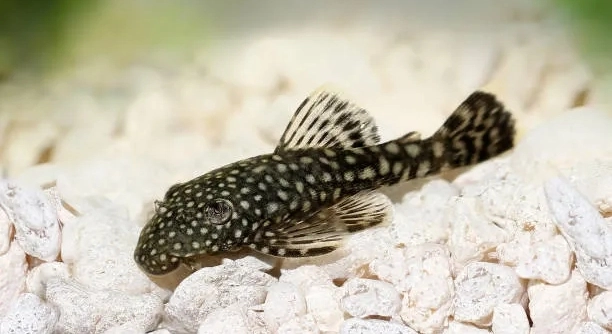
Are your plecos settling into their new tank smoothly? Adjusting to a new environment can take time, and observing their behavior closely is key. Small daily signs often reveal whether your pleco is comfortable and thriving.
Healthy plecos display consistent eating habits, active movement, and regular hiding patterns. Clear fins, steady breathing, and minimal stress behaviors indicate successful adaptation. Monitoring these indicators provides reliable insight into your pleco’s overall well-being and adjustment process.
Recognizing these clues ensures you support your pleco’s health while maintaining a balanced aquarium environment for long-term happiness.
Eating Patterns Are Consistent
Plecos that are adjusting well will show regular eating habits, often exploring the tank for food during feeding times. They tend to approach the algae wafers, vegetables, or other prepared foods without hesitation. Over time, you may notice they become more confident eating near other fish without hiding or showing stress. Sudden changes in appetite, such as refusing food or eating less than usual, can signal discomfort or illness. However, a steady, predictable eating schedule usually indicates your pleco is comfortable in its environment. Observing when and how they eat can provide subtle clues about tank conditions. Water quality, temperature, and hiding spots all influence feeding behavior. A healthy pleco often grazes gently on surfaces, occasionally moving to different spots to continue feeding. Maintaining a consistent feeding routine helps reinforce their sense of security and promotes steady growth.
Regular eating is one of the clearest signs your pleco feels secure and adjusted.
Tracking these patterns also helps prevent overfeeding and ensures each pleco receives proper nutrition. It creates a stable routine that supports their health and encourages active behavior. Watching them explore the tank while feeding can reveal their comfort level, showing whether they are adapting to their environment or experiencing stress. Over time, you’ll become familiar with their preferences and subtle behavioral cues, allowing better care decisions. Ensuring they have ample grazing areas and varied foods keeps them engaged and healthy.
Hiding Behavior and Comfort Spots
Plecos that settle in will often establish a few preferred hiding spots. These areas provide security and reduce stress, helping them feel at ease.
Consistent use of shelters, caves, or shaded areas indicates your pleco is adapting well. Avoid constantly changing the tank layout, as stability helps them feel safe.
Providing multiple hiding options and observing their choices gives insight into their comfort. Some plecos favor a specific cave, while others shift between locations depending on activity and light levels. The presence of hiding spots allows them to rest during the day and reduces competition with other fish. Plecos also appreciate gentle water flow near these areas, which can mimic natural habitats. Watching their patterns over time shows when they are active or resting. Adjusting tank decorations or adding driftwood can encourage natural behaviors and reduce stress. A pleco that confidently emerges from hiding to feed or explore is a strong indicator of adjustment. Monitoring their comfort levels helps maintain a stable and healthy tank environment.
Active Swimming and Exploration
Plecos that adjust well move around the tank confidently, exploring surfaces, decorations, and plants. They are more likely to investigate new areas without hesitation, showing curiosity while maintaining their usual resting spots.
Active plecos patrol their territory in a steady, purposeful manner. They swim along tank walls, driftwood, and plants, sometimes grazing as they go. This exploration helps them become familiar with their environment and indicates they are comfortable with tank conditions. Sudden lethargy or hiding can signal stress, while consistent movement demonstrates adaptation. Observing swimming patterns, such as gradual exploration of previously unused areas, shows confidence and physical well-being. Even during nighttime, plecos may gently move between hiding spots or surfaces, reflecting natural nocturnal behavior.
Monitoring activity levels helps assess overall health. Plecos that occasionally interact with other tank inhabitants without aggression or panic display proper adjustment. Providing a mix of open spaces and structured areas encourages natural exploration. Gradual changes to the tank, like adding plants or driftwood, can stimulate movement and curiosity while maintaining security. Recognizing these behaviors early allows you to support their comfort and prevent stress-related issues.
Clean Fins and Body Appearance
Healthy plecos maintain clear, intact fins without fraying or discoloration. Their bodies appear smooth, free of lesions, and exhibit natural coloration consistent with their species.
Observing the body for signs of stress or illness is critical. Clear, unbroken fins and consistent skin texture indicate proper water quality, diet, and minimal stress. Discoloration, fraying, or unusual spots can signal poor adjustment or health problems. Regular checks reveal subtle changes, helping you respond promptly.
Fins and body condition reflect overall tank conditions and pleco health. Proper filtration, stable temperature, and balanced nutrition contribute to maintaining appearance. Plecos that adjust well show gradual, steady growth and maintain vibrant coloring. Watching for changes in patterns or fin behavior helps identify potential issues early. Stress may manifest as dull coloration, clamped fins, or unusual movements. Consistent observation ensures the environment supports both physical health and comfort. Addressing water quality, diet, and tank structure helps plecos maintain ideal appearance and adapt smoothly.
Steady Breathing
Plecos that are adjusting properly show calm and steady gill movements. Rapid or labored breathing can indicate stress or poor water conditions, while smooth, rhythmic breathing reflects comfort and health.
Monitoring breathing during both active and resting periods helps identify subtle stress signs early.
Interaction with Tank Mates
Plecos that adjust well coexist without excessive aggression or fear. They maintain personal space while occasionally passing near other fish, showing confidence and calm behavior. Observing these interactions helps assess social adaptation. Healthy plecos are neither overly shy nor overly aggressive, indicating proper adjustment to their environment.
Regular Nocturnal Activity
Plecos are naturally nocturnal and become more active during evening hours. Observing nighttime behavior confirms their comfort in the tank.
FAQ
How often should I feed my pleco?
Plecos generally require feeding once a day, though some species may benefit from additional grazing options. Algae wafers, fresh vegetables like zucchini or cucumber, and occasional protein supplements keep them healthy. Overfeeding can lead to water quality issues, so observe how much they consume and remove excess food promptly.
What is the best water temperature for plecos?
Most plecos thrive in water temperatures between 74°F and 80°F (23°C–27°C). Consistent temperature helps reduce stress and supports proper digestion and immune function. Sudden fluctuations can trigger hiding behavior, reduced appetite, and slower adjustment. Using a reliable aquarium heater ensures stability.
How do I know if my pleco is stressed?
Signs of stress include clamped fins, unusual hiding, rapid breathing, and reduced activity. Loss of color or erratic swimming can also indicate discomfort. Monitoring these behaviors, along with water quality parameters, helps prevent long-term health issues. Adjusting tank conditions often improves stress levels quickly.
Can plecos live with other fish?
Yes, most plecos coexist well with peaceful fish. Aggressive tank mates can cause stress or fin damage. Providing hiding spots and sufficient space reduces competition. Observe interactions carefully during the first weeks, as some plecos may be territorial, especially larger species.
How much space does a pleco need?
Tank size depends on species, but generally, a minimum of 30 gallons is recommended for smaller plecos. Larger species may need 75 gallons or more. Adequate space allows exploration, reduces territorial disputes, and promotes natural grazing behavior. Decorations, driftwood, and plants add enrichment and comfort.
How do I maintain clean water for my pleco?
Regular water changes, proper filtration, and monitoring ammonia, nitrite, and nitrate levels keep water clean. Plecos produce waste that can accumulate quickly, so maintaining consistent maintenance schedules is essential. Adding live plants can help absorb excess nutrients and support water quality.
What should I do if my pleco refuses food?
Refusal to eat may indicate stress, illness, or poor water conditions. Check temperature, water parameters, and tank setup. Offer varied foods like vegetables or algae wafers, and observe behavior closely. Gradual reintroduction of familiar foods often encourages feeding.
Do plecos need hiding spots?
Yes, hiding spots reduce stress and provide security. Caves, driftwood, and shaded areas are essential. Plecos will often return to the same spots consistently, which indicates comfort. Multiple options prevent competition with tank mates and allow them to rest during the day.
Can plecos tolerate different water types?
Plecos generally adapt to slightly soft or moderately hard water with a stable pH, usually between 6.5 and 7.5. Sudden changes in hardness or pH can cause stress. Using dechlorinated water and monitoring parameters ensures a stable environment.
How long does it take for a pleco to adjust to a new tank?
Adjustment time varies by species and individual temperament. Most plecos show initial signs of comfort within one to two weeks, such as regular feeding and exploration. Continuous observation of behavior, appetite, and appearance ensures they are adapting well to the environment.
What are common signs of illness in plecos?
Loss of appetite, faded coloration, frayed fins, lesions, and unusual swimming are common signs. Early detection allows prompt treatment. Maintaining proper water quality, providing a balanced diet, and ensuring a low-stress environment helps prevent illness.
Do plecos require special lighting?
Plecos are nocturnal and do not need intense lighting. Low to moderate lighting helps simulate natural conditions. Providing shaded areas or plants ensures they can retreat from bright lights, which reduces stress and encourages natural behavior.
How do I encourage natural grazing behavior?
Offering surfaces covered in algae, driftwood, and fresh vegetables promotes grazing. Plecos enjoy scraping surfaces and nibbling on soft plant matter. Rotating vegetables and providing a mix of prepared foods keeps them engaged and maintains healthy growth.
Is it necessary to quarantine new plecos?
Quarantining new plecos for at least two weeks prevents disease introduction. Observe feeding habits, appearance, and behavior before adding them to the main tank. This practice protects existing tank inhabitants and reduces stress during acclimation.
Can plecos live in community tanks?
Plecos generally thrive in community tanks with non-aggressive fish. Ensure adequate space, hiding spots, and compatible tank mates. Monitor interactions closely to prevent stress or territorial disputes, especially among larger species.
How do I know if my pleco is happy in its tank?
A happy pleco eats regularly, explores the tank, uses hiding spots, and maintains clean fins and smooth skin. Calm swimming and interaction with the environment show comfort. Consistent observation of these behaviors ensures long-term well-being.
Should plecos be fed at night?
Since plecos are nocturnal, feeding them in the evening encourages natural behavior. They become more active and graze during low-light periods, which mimics their natural habitat. Adjust feeding times gradually to match their activity pattern.
How often should I check water parameters?
Checking water parameters weekly is recommended, including temperature, pH, ammonia, nitrites, and nitrates. Sudden changes can stress plecos and lead to health problems. Keeping detailed records helps maintain stable conditions and supports adjustment.
Can plecos live without algae in the tank?
While plecos benefit from algae grazing, they can survive on vegetables and prepared foods. Providing a mix of options ensures proper nutrition and encourages natural behaviors. Supplemental feeding is essential if natural algae is limited.
What is the best way to acclimate a new pleco?
Float the bag in the tank for 15–20 minutes to equalize temperature, then gradually mix tank water into the bag over 30–60 minutes. This reduces stress and helps plecos adjust safely to new water conditions.
How often do plecos need tank cleaning?
Partial water changes of 20–30% weekly, along with substrate vacuuming and filter maintenance, keep the environment clean. Plecos produce significant waste, so consistent cleaning prevents water quality issues and supports their health.
Are plecos sensitive to sudden changes?
Yes, plecos are sensitive to abrupt temperature, pH, or water hardness changes. Sudden shifts can trigger stress, hiding, and reduced appetite. Gradual adjustments and stable tank conditions support smooth adaptation and overall well-being.
How can I tell if my pleco is growing properly?
Regular observation of size, body shape, and fin development shows growth progress. Healthy growth is steady without abrupt changes. Adequate nutrition, water quality, and space are critical to proper development and overall adjustment.
Do plecos require special decorations?
Providing driftwood, caves, and smooth surfaces encourages grazing and hiding. Decorations should be stable and free of sharp edges to prevent injury. These elements promote natural behavior and reduce stress while enhancing tank aesthetics.
Can plecos survive in a small tank temporarily?
Smaller tanks may be suitable short-term, but long-term confinement can limit growth, stress the fish, and reduce comfort. Gradually upgrading to a proper-sized tank ensures healthier adaptation and better quality of life.
How do I prevent fin damage in plecos?
Ensure tank mates are peaceful, provide ample hiding spots, and avoid sharp decorations. Monitoring interactions and water quality helps prevent fin fraying and injuries, supporting proper adjustment.
Are plecos affected by light cycles?
Yes, plecos respond to day-night cycles. Maintaining a consistent light schedule encourages natural nocturnal activity, feeding, and rest patterns. Low light or shaded areas support comfort and reduce stress.
What is the ideal pH for plecos?
A pH between 6.5 and 7.5 is suitable for most plecos. Stable pH levels reduce stress and prevent illness. Monitoring regularly ensures tank conditions remain consistent, supporting healthy adaptation.
How do I know if my pleco is comfortable with water flow?
Plecos that rest calmly and graze in areas with gentle currents are comfortable. Excessively strong flow can cause hiding or erratic swimming, while low to moderate flow encourages natural activity. Observation helps determine their preferred water movement.
Can plecos recognize their owners?
Plecos may show recognition by swimming near feeding areas or reacting to familiar movements. While not social in the same way as some fish, repeated interaction can lead to consistent, calm responses during feeding.
Do plecos need supplemental calcium?
Calcium supports bone structure and fin health. Providing vegetables like kale or specialized foods ensures proper mineral intake, which helps maintain strong fins and overall development.
How often should I observe my pleco?
Daily observation helps detect behavioral changes, feeding issues, or signs of illness early. Even brief monitoring provides insight into adjustment, comfort, and overall health. Regular attention ensures timely care and support.
Are plecos compatible with shrimp or snails?
Most plecos coexist well with shrimp and snails if ample hiding spots are available. Large plecos may inadvertently harm smaller invertebrates, so monitoring interactions is important to ensure harmony in the tank.
What is the best way to handle a pleco?
Handling should be minimized to reduce stress. When necessary, use a soft net or cup, and avoid direct hand contact with slippery skin. Proper handling ensures safety for both the fish and caretaker.
Do plecos need water conditioners?
Using dechlorinators and water conditioners removes harmful chemicals and stabilizes pH. Conditioned water prevents gill irritation, supports health, and helps plecos adjust more comfortably to their environment.
Can plecos live alone?
Yes, many plecos thrive alone if the tank is appropriately sized and enriched. They are territorial but not social fish, so solitary living can reduce stress while allowing natural behaviors like grazing and hiding.
How long do plecos live?
Lifespan varies by species, often ranging from 10 to 20 years. Proper care, stable tank conditions, and a balanced diet contribute to longevity and successful adjustment in captivity.
What are common signs of overfeeding?
Uneaten food, cloudy water, algae overgrowth, and obesity indicate overfeeding. Adjusting portion size and feeding schedule helps maintain water quality and pleco health. Proper feeding encourages steady growth and natural grazing behavior.
How do I transition my pleco to new foods?
Introduce new foods gradually alongside familiar options. Observe acceptance and remove uneaten portions. Gradual transitions reduce stress and encourage healthy, consistent eating habits.
Are plecos affected by noise or vibrations?
Excessive vibrations or loud noise can stress plecos, causing hiding or erratic swimming. A stable environment with minimal disturbance supports calm behavior and smooth adjustment.
Do plecos require regular health check-ups?
Routine observation and monitoring water parameters serve as ongoing health checks. Identifying issues early reduces risk of illness and ensures long-term comfort and adaptation.
How do I know if my pleco is thriving?
A thriving pleco eats consistently, explores the tank, rests in hiding spots, and shows vibrant color and smooth fins. Calm swimming and responsive behavior indicate proper adjustment and overall well-being.
Is it normal for plecos to scrape surfaces?
Yes, scraping is a natural grazing behavior. Plecos use their mouths to feed on algae and soft surfaces, which supports digestive health and mimics natural activity.
What type of substrate is best for plecos?
Soft sand or smooth gravel prevents injury while allowing natural grazing and burrowing behaviors. Rough substrates can damage fins or skin, so choosing an appropriate base promotes comfort and safety.
How do I prevent stress during tank maintenance?
Perform water changes and cleaning gently, avoid sudden temperature changes, and maintain a calm environment. Minimizing disturbance supports pleco comfort and adjustment.
Can plecos live in brackish water?
Most plecos prefer freshwater, though a few species tolerate slightly brackish conditions. Research your species’ specific needs before making adjustments to prevent stress or health issues.
Do plecos need extra hiding as they grow?
Yes, larger plecos require bigger hiding spaces. Expanding caves, driftwood, and shaded areas ensures comfort and reduces territorial stress as they mature.
How do I know if my pleco is eating enough?
Regular observation of grazing, body condition, and growth indicates sufficient intake. A pleco that maintains healthy weight, displays active behavior, and explores the tank is likely eating adequately.
Can plecos recognize feeding schedules?
Plecos can learn predictable feeding times and may become more active near scheduled periods. Consistency helps establish routine behavior and reduces stress.
What are the signs of good adjustment in plecos?
Steady eating, active exploration, calm swimming, regular hiding, vibrant coloration, and healthy fins all indicate successful adaptation. Observing these patterns helps ensure proper tank management and well-being.
How do I prevent disease in plecos?
Maintaining stable water conditions, providing a balanced diet, minimizing stress, and quarantining new additions reduces disease risk. Early detection of behavioral or physical changes supports prompt intervention.
Are plecos affected by seasonal changes?
Stable indoor aquariums protect plecos from seasonal temperature and light fluctuations. Sudden environmental changes may stress them, so maintaining consistent conditions year-round is essential.
How do I monitor pleco comfort without disturbing them?
Observe from a distance during feeding, rest, and exploration periods. Avoid sudden movements, and track regular behaviors to assess adaptation and overall well-being.
Do plecos benefit from live plants?
Yes, live plants provide hiding spots, grazing surfaces, and improved water quality. They create a natural environment, encourage exploration, and reduce stress for plecos.
How can I encourage my pleco to explore new areas?
Gradual addition of decorations, driftwood, or plants stimulates curiosity. Providing multiple paths and shaded spaces encourages safe exploration while maintaining comfort.
Can plecos tolerate other bottom dwellers?
Yes, compatible species like small catfish or loaches usually coexist peacefully. Ensuring space, hiding spots, and monitoring behavior prevents territorial conflicts.
Do plecos need supplemental protein?
Occasional protein like shrimp pellets or bloodworms supports growth and health. Balanced supplementation complements their herbivorous grazing habits.
How do I know if a pleco is nocturnal in my tank?
Observing increased activity during evening or low-light periods indicates normal nocturnal behavior. They may graze, swim, or explore while resting during daylight hours.
What is the ideal tank size for multiple plecos?
Larger tanks with sufficient hiding spaces prevent territorial disputes. A general rule is 30 gallons per small pleco, increasing with species size. Adequate room supports healthy adjustment and natural behavior.
How can I tell if my pleco is adjusting after moving?
Regular feeding, calm swimming, use of hiding spots, and exploration indicate adjustment. Monitoring body appearance and behavior confirms comfort and successful adaptation.
Do plecos require specific water hardness?
Moderate hardness is ideal. Stable conditions, without abrupt changes, reduce stress and support natural behaviors. Hardness outside their preferred range may affect health and adjustment.
Are plecos sensitive to light changes?
Yes, abrupt lighting changes can stress plecos. Gradual transitions and shaded areas mimic natural environments, encouraging calm behavior and nocturnal activity.
How often should I feed vegetables to my pleco?
Offering fresh vegetables several times per week supplements grazing habits. Alternating options like zucchini, cucumber, or spinach provides balanced nutrition and encourages natural feeding behavior.
Can plecos recognize their environment?
Plecos learn tank layout over time, remembering hiding spots, grazing surfaces, and areas of activity. Familiarity reduces stress and supports confident exploration.
How do I know if my pleco is interacting normally with tank mates?
Calm coexistence, occasional proximity without aggression, and steady behavior indicate proper social adaptation. Observing for signs of bullying or excessive hiding helps assess compatibility.
Do plecos need special care during winter?
Indoor tanks maintain stable temperatures year-round, reducing seasonal stress. Ensuring heaters function properly and monitoring water parameters prevents winter-related discomfort.
What is the best way to encourage grazing on driftwood?
Soaking driftwood beforehand and placing it in preferred areas encourages scraping and feeding. Driftwood provides natural fibers and surfaces for healthy digestion and exploration.
Are plecos sensitive to chemicals in tap water?
Yes, chlorine, chloramine, and heavy metals can harm plecos. Using dechlorinators and water conditioners ensures safety and supports proper adjustment.
Can plecos live with aggressive fish?
Aggressive tank mates cause stress, hiding, and injury. Peaceful, compatible species ensure comfort, natural behavior, and successful adaptation.
How do I support a pleco’s health during tank changes?
Gradual water adjustments, stable temperature, and minimal disturbance help plecos acclimate. Monitoring behavior and appearance ensures they remain comfortable and stress-free.
Do plecos need a varied diet?
Yes, a mix of algae wafers, vegetables, and occasional protein supports balanced nutrition. Variety encourages grazing, growth, and overall well-being.
Can plecos overgraze plants?
Most plecos nibble gently without significant damage, but some may target soft plants. Providing enough vegetables and algae reduces excessive grazing.
How often should I replace algae wafers?
Offer wafers daily or as needed, removing uneaten portions promptly. This prevents water quality issues and ensures consistent nutrition.
Do plecos need supplemental lighting at night?
No, low light or darkness supports natural nocturnal behavior. Bright lights can stress them and reduce activity.
How can I tell if my pleco is exploring safely?
Gradual movement, calm grazing, and use of hiding spots indicate safe exploration. Avoid sudden, erratic swimming or clamped fins, which signal stress or discomfort.
What is the ideal water flow for plecos?
Moderate flow supports natural movement and grazing. Excessively strong currents can stress plecos, while stagnant water may reduce activity. Observation helps determine optimal flow for comfort.
Are plecos sensitive to tank vibrations?
Yes, sudden vibrations can startle or stress them. Stable placement of the aquarium reduces disturbances and promotes calm behavior.
Do plecos need special filtration?
Effective filtration maintains water quality, removes waste, and supports stable conditions. Plecos produce significant waste, so a strong, reliable filter is essential for healthy adaptation.
Can plecos thrive in planted tanks?
Yes, live plants provide hiding spots, grazing surfaces, and improved water quality. They encourage natural behaviors and reduce stress while supporting overall health.
How do I know if my pleco is comfortable at night?
Active grazing, calm swimming, and use of hiding spots indicate comfort. Nocturnal behavior is normal and shows proper adjustment.
Do plecos need soft or hard water?
Moderate hardness is preferred, depending on species. Stable water parameters reduce stress and support overall health.
How often should I check my pleco for injuries?
Regular observation during feeding
Final Thoughts
Observing your pleco closely is the most reliable way to understand how it is adjusting to its new environment. Small daily behaviors—like regular grazing, calm swimming, or using hiding spots—can tell you a lot about its comfort level. Plecos may initially be shy or spend more time in sheltered areas, but with consistent water conditions, adequate hiding spaces, and proper feeding, they gradually show signs of confidence. Paying attention to these subtle cues helps ensure your pleco is thriving and reduces the risk of stress or health issues. Even minor changes in behavior or appearance, such as reduced activity, clamped fins, or changes in coloration, should be noted and addressed promptly. Maintaining consistent tank conditions and a routine feeding schedule supports steady adaptation and long-term health.
Water quality is one of the most important factors in a pleco’s adjustment process. Stable temperature, proper pH, and minimal fluctuations in hardness create an environment where your pleco can feel safe and secure. Regular monitoring and maintenance, including partial water changes and proper filtration, help prevent stress and illness. Providing a clean and stable environment not only encourages natural behaviors but also ensures the pleco’s physical health. When the tank is balanced, plecos are more likely to explore, graze, and interact with their surroundings confidently. Even factors like lighting and water flow contribute to comfort; too much light or overly strong currents can cause hiding or avoidance behaviors. By understanding and controlling these elements, you can create an environment where your pleco can settle in smoothly and display its natural behaviors without unnecessary stress.
Supporting your pleco’s adjustment also includes offering a varied diet and suitable tank decorations. Algae wafers, fresh vegetables, and occasional protein supplements provide essential nutrients, while driftwood, caves, and plants give hiding spots and grazing surfaces. These elements encourage natural activity, reduce stress, and help your pleco feel secure in its surroundings. Observing its behavior over time, such as regular feeding, exploration, and calm nocturnal activity, indicates successful adaptation. Each pleco is unique, and paying attention to its preferences and habits helps maintain comfort and well-being. Consistency in care, observation, and tank management ensures your pleco not only survives but thrives, making your aquarium a balanced and healthy environment for all inhabitants.

Hello,
If you enjoy the content that we create, please consider saying a "Thank You!" by leaving a tip.
Every little bit helps us continue crafting quality advice that supports the health, happiness, and well-being of pets around the world, for pets of all shapes, sizes, and species.
We really appreciate the kindness and support that you show us!