
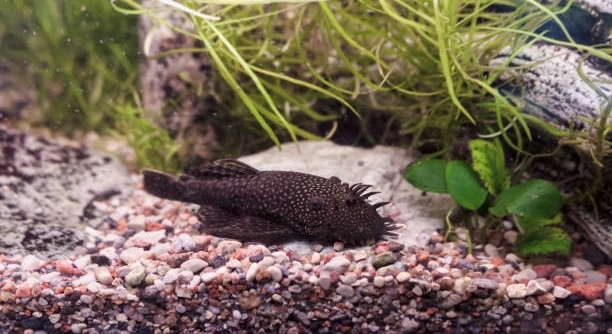
Do you ever notice your Bristlenose Pleco moving along the bottom of its tank, sifting through the substrate as it searches for food and comfort? Their tiny bristles and gentle movements make them surprisingly interesting to watch.
Bristlenose Plecos generally prefer sand over gravel. Sand provides a softer surface for their delicate undersides and allows them to dig and forage without risk of injury. This substrate better mimics their natural riverbed habitat, promoting healthier behavior.
Choosing the right substrate can greatly affect your Pleco’s wellbeing and activity. The type of material you select will influence not just their comfort but also their overall tank environment.
Sand vs. Gravel: Comfort and Behavior
Watching my Pleco interact with the tank, I noticed how it moves differently on sand compared to gravel. Sand allows the fish to sift easily, gently brushing its underside against the soft surface. Gravel, on the other hand, can feel uneven and harsh. Plecos naturally like to dig, searching for leftover food and exploring the terrain. Sand mimics the gentle riverbeds they come from, so it encourages natural behavior. On gravel, they may struggle a bit, especially if the pieces are sharp or large. Over time, this can cause stress or minor abrasions on their fins and bellies. Sand also holds uneaten food less visibly, which can help keep the tank cleaner and make it easier to see how much your fish has eaten. Choosing the right substrate doesn’t just affect comfort—it changes how active and relaxed the fish will feel in the tank.
Sand is easier on Plecos’ bodies and encourages natural foraging behavior.
For many hobbyists, sand is the obvious choice when considering health and activity. Gravel may look prettier but often compromises comfort. Plecos enjoy pushing through fine particles, which keeps them stimulated and reduces boredom. Sand prevents injury and allows them to explore without difficulty. While gravel may have advantages for plant rooting or decoration, the benefits for the Pleco’s wellbeing outweigh those aesthetic considerations. By observing behavior and noting how they interact with the substrate, tank owners can make a choice that supports their fish’s natural instincts and long-term health.
Cleaning and Maintenance
Sand requires more careful cleaning than gravel but is not difficult to manage.
Sand traps debris differently, making regular siphoning necessary to prevent buildup. Unlike gravel, where particles fall between gaps, sand keeps waste on the surface. Using a gentle siphon prevents disturbing the fish while still maintaining a clean environment. Over time, compacted sand can create pockets where harmful bacteria grow, so light stirring is sometimes needed. Gravel allows easier water flow but can hide uneaten food, making monitoring more challenging. The key is observing how the Pleco behaves—if they dig too vigorously, the sand may need adjustment. Choosing the right cleaning approach ensures the tank stays healthy, supporting both the fish and the plants around them. Proper maintenance keeps the substrate safe, comfortable, and visually appealing without compromising the fish’s natural activity. Sand may demand more attention, but it enhances both safety and natural behavior over the long term.
Feeding Habits on Different Substrates
I noticed my Pleco digs more in sand than gravel when searching for food. Sand allows them to uncover leftovers without injuring their undersides, making feeding times smoother and more natural.
Sand provides a gentle surface for Plecos to sift through as they eat. Small particles move easily, letting the fish filter out bits of food while keeping their fins safe. Gravel can trap food under larger stones, which may frustrate Plecos and prevent them from accessing all their meals. Over time, this affects their appetite and activity. Observing the fish, it’s clear that sand encourages more natural foraging behavior, making mealtime more engaging for them and easier to monitor for me.
Feeding on gravel can be less efficient for Plecos. Food pieces often get stuck between uneven stones, making the fish work harder and sometimes leaving uneaten leftovers to decay. Sand simplifies this by letting the Pleco dig and uncover food naturally. This not only improves their eating experience but also helps maintain cleaner water, as I can easily see and remove waste. Watching the Pleco enjoy its meals without struggle reinforces the importance of choosing sand for their substrate.
Tank Aesthetics and Practicality
Sand can create a cleaner, more uniform look in the tank while providing a natural base.
Sand gives the tank a smooth, cohesive appearance that complements plants and decorations. It’s easier to shape around ornaments and caves, allowing the Pleco to explore comfortably. Gravel may look varied and colorful, but the uneven surface can create sharp edges that interfere with hiding spots. Sand allows for easier rearranging and less disruption when cleaning or redecorating, which I appreciate. It balances practical tank management with a pleasing visual effect. This choice supports both the fish’s activity and a neat tank layout.
Beyond appearance, sand improves practicality by simplifying tank maintenance and observation. Uneaten food and waste remain visible on the surface, allowing me to clean effectively without moving decorations constantly. Gravel hides debris in gaps, often requiring extra effort to inspect and remove buildup. Sand also supports natural behaviors, encouraging the Pleco to dig and explore while keeping the tank safe. Over time, this combination of aesthetics and function creates a healthier, more manageable environment, reducing stress for both the fish and me. Choosing sand ultimately enhances both daily care and long-term tank enjoyment.
Substrate Safety
Sand reduces the risk of injury to Plecos. Their soft undersides and sensitive fins glide over fine particles without abrasions.
Gravel can sometimes be sharp or uneven, which may scratch the fish. I’ve noticed small nicks on my Pleco when it explored gravel-heavy tanks. Sand keeps them safer while allowing natural digging and movement.
Water Flow and Filtration
Sand affects water flow differently than gravel. Fine particles can compact in areas, slowing water circulation and requiring occasional gentle stirring. Gravel allows more gaps for water movement, but it can trap debris. I’ve found that adjusting filter strength and cleaning routines keeps sand tanks healthy without disturbing the fish.
Planting Considerations
Plants root more easily in sand when it is slightly compacted. It holds smaller plant roots without shifting too much during maintenance.
Long-Term Maintenance
Over time, sand requires consistent surface cleaning to prevent debris buildup. I make small adjustments weekly to keep the substrate healthy for the Pleco and maintain clear water.
FAQ
Do Bristlenose Plecos need sand to be healthy?
Bristlenose Plecos do not absolutely need sand, but sand is safer and more comfortable for them. Their undersides are soft, and sand reduces the risk of scrapes or injuries that can occur on gravel. Using sand also encourages natural digging and foraging, which keeps them active and reduces stress. I’ve seen my Pleco spend more time exploring and sifting through sand than it ever did on gravel. While gravel is acceptable in some setups, sand better supports their long-term health and natural behavior.
Can Plecos survive on gravel?
Yes, Plecos can survive on gravel, but it’s not ideal. Some gravel types are rough or uneven, which can irritate their fins or bellies. Uneaten food can get trapped between stones, leading to water quality issues if not cleaned thoroughly. I’ve noticed that my Pleco spends less time foraging and more time avoiding sharp surfaces when on gravel. Gravel also doesn’t allow them to dig naturally, which can affect their comfort and activity levels. If gravel is chosen, careful monitoring and gentle cleaning are necessary to prevent injury or health problems.
How does substrate affect Pleco feeding?
Substrate has a direct impact on feeding behavior. Plecos like to sift through sand to find leftover food, which mimics their natural behavior in rivers. On gravel, small food particles can get stuck between stones, making it harder for them to access meals. I noticed that switching to sand improved how efficiently my Pleco ate and reduced leftover waste in the tank. Sand allows them to dig gently without hurting themselves, so feeding becomes less stressful and more natural. Observing these behaviors makes it clear how important the right substrate is for daily feeding.
Is sand harder to maintain than gravel?
Sand requires more careful surface cleaning than gravel. Debris tends to remain on top, so regular siphoning is necessary. Compacted areas may trap bacteria, so light stirring is occasionally needed. I’ve found that adjusting the filter and using a gentle siphon keeps the tank clean without disturbing my Pleco. Gravel hides debris between stones, but that can make monitoring waste harder. While sand might need slightly more attention, it rewards you with a safer, more comfortable environment for your Pleco and easier observation of leftover food or debris.
Can sand affect water quality?
Yes, sand can influence water quality if not maintained properly. Fine particles can trap waste on the surface, and compacted areas may reduce water flow in spots. I make it a habit to gently stir sand occasionally and siphon regularly to prevent buildup. Gravel has more gaps, so water circulates better naturally, but waste can hide and decay unnoticed. Overall, sand allows for better monitoring because debris is more visible. With consistent cleaning, sand keeps the water safe and healthy for the Pleco while supporting its natural behavior and comfort.
Should I mix sand and gravel in a tank?
Mixing sand and gravel is possible, but it may not fully solve the problems of either. Gravel sections can still pose a risk to your Pleco’s soft underside, while sand sections need separate attention to prevent compacting or bacterial buildup. I’ve tried a mixed substrate, and my Pleco preferred sticking to sand areas for foraging. Mixed substrates can work aesthetically, but from a practical and health perspective, using sand alone is simpler and safer. It ensures consistent comfort, natural behavior, and easier cleaning without having to manage different substrate types in the same tank.
How deep should sand be for Plecos?
Sand depth matters because Plecos like to dig. I keep at least one to two inches of sand in my tank. This provides enough depth for them to forage and move around comfortably without disturbing the rest of the tank. Too shallow sand doesn’t allow natural digging, while extremely deep sand can compact and trap waste. The depth should balance foraging ability and maintenance. A moderate layer gives the Pleco space to explore and feed while making cleaning manageable and keeping water circulation steady.
Does substrate affect Pleco stress levels?
Yes, substrate has a noticeable effect on stress. I’ve seen my Pleco stay more active and relaxed on sand. Gravel often causes hesitation in movement because of its uneven surface or sharp edges. Sand allows smooth, safe exploration, encouraging natural behavior like digging, sifting, and hiding. A comfortable substrate reduces stress, improves appetite, and encourages social and natural behavior if there are other tank mates. Observing my Pleco, the difference in activity and relaxation between sand and gravel is clear, showing how substrate directly impacts their wellbeing.
Can I switch from gravel to sand safely?
Switching substrates is possible but should be gradual. I moved my Pleco to sand slowly to prevent stress. Keep some water from the old tank to maintain water chemistry, and add sand in sections while observing behavior. Clean the tank carefully during the transition to avoid cloudiness. My Pleco adapted quickly, exploring and digging without injury. The key is patience, gentle cleaning, and monitoring water quality. Switching to sand can greatly improve comfort, foraging, and natural behavior when done carefully and with attention to the fish’s safety.
What type of sand is best for Plecos?
Fine, smooth sand works best. I use sand without sharp particles or additives to protect my Pleco’s delicate underside. Avoid coarse sand that can scratch fins or compact too tightly. Natural riverbed-style sand is ideal, as it replicates the environment Plecos are used to. Smooth sand allows digging and sifting without harm, making feeding and exploring safer. Choosing the right sand supports activity, natural behavior, and long-term health, while also making tank maintenance and cleaning easier for me. Observing my Pleco enjoying this substrate confirms it’s the best choice.
How often should I clean sand in a Pleco tank?
Cleaning depends on feeding and tank size, but I usually siphon lightly once a week. This removes leftover food and surface waste without disturbing the fish. Deep cleaning is done occasionally to prevent compaction and bacteria buildup. Gravel may hide debris, but sand makes monitoring easier. Regular cleaning keeps the substrate safe, water clear, and Pleco active. Gentle maintenance preserves natural behavior and tank aesthetics while reducing stress for the fish. A weekly routine keeps everything balanced and prevents health issues.
Can substrate type influence breeding?
Yes, substrate can influence breeding behavior. I’ve noticed Plecos prepare hiding spots and caves more naturally in sand. They can dig and create safe areas without risking injury, which encourages spawning. Gravel can interfere with this behavior, making the fish hesitant or uncomfortable. Sand supports natural instincts, provides security for eggs, and allows fry to move safely. Choosing the right substrate improves breeding conditions and promotes natural behaviors that are harder to replicate with gravel or mixed setups. Proper substrate enhances overall tank dynamics and fish wellbeing.
Will my Pleco damage plants on sand?
Plecos can move plants slightly while digging, but sand generally holds roots better than loose gravel. I’ve planted small and medium species, and they stay secure. Digging is less destructive in sand because it compacts gently and allows the Pleco to forage without uprooting everything. Gravel can shift more easily, causing accidental damage. Sand balances exploration and plant stability, letting my Pleco interact naturally without destroying the tank’s planted areas. Observing this interaction shows how sand supports both the fish and plant life harmoniously.
Is sand more expensive than gravel?
Sand can be slightly more expensive upfront, but the benefits for your Pleco outweigh cost. I found that investing in smooth, natural sand reduced injuries, encouraged natural behavior, and simplified cleaning. Gravel may cost less initially, but uneven surfaces and hidden debris can create long-term issues. Sand is a worthwhile investment in health, activity, and tank management, making it a practical choice despite a higher initial price.
How do I prevent compacting in sand?
Light stirring during regular cleaning prevents compacting. I use a gentle siphon to keep the surface loose without stressing my Pleco. Avoid pushing decorations too deeply into sand, which can create dense areas. Compaction reduces water flow and can trap bacteria, so occasional surface maintenance ensures a safe, comfortable substrate. Regular observation helps identify areas needing attention before problems arise. Proper care keeps the sand suitable for digging, foraging, and healthy Pleco behavior over time.
Can sand cause cloudiness in the tank?
Yes, especially after initial setup or disturbance. I rinse sand thoroughly before adding it and stir gently during cleaning. Strong water flow or aggressive siphoning can make temporary cloudiness, but it settles quickly. Sand allows careful observation of debris while maintaining water clarity with proper routine. Cloudiness is usually temporary and easy to manage with gentle care, unlike gravel, where trapped particles can cause unseen water quality issues over time.
Do Plecos prefer natural or colored sand?
Natural sand is better. My Pleco seems more comfortable on soft, neutral-colored sand resembling riverbeds. Colored sand may look appealing but can contain additives or rougher particles. Natural sand supports digging, sifting, and resting safely. Choosing natural sand enhances the tank’s realism while prioritizing the fish’s comfort, health, and activity. Observing my Pleco, the preference for natural textures is obvious in how freely it moves and interacts with the substrate.
How long does it take Plecos to adjust to new sand?
Adjustment can take a few hours to a few days. My Pleco explored carefully at first, then began digging and foraging naturally. Providing familiar water conditions and gentle cleaning helps speed adaptation. Once settled, they exhibit normal behavior, feeding efficiently and moving freely without hesitation. Patience during the transition ensures safety and comfort.
Is fine sand better than coarse sand?
Fine sand is safer and more comfortable. Coarse sand can scratch fins and undersides. I use smooth, small-grain sand that allows digging and sifting naturally. Fine sand reduces injury risk and supports natural behavior. Coarse particles may trap waste unevenly, while fine sand makes cleaning easier and creates a safer environment for daily activity. Observing my Pleco on fine sand confirms it feels more relaxed and active, highlighting the importance of substrate texture for long-term health.
Can Plecos dig too much in sand?
Plecos may dig actively, but sand prevents injury. I’ve seen my Pleco rearrange small areas while foraging, which is normal and safe on sand. This behavior supports mental stimulation and feeding habits. Gravel or sharp substrates could make digging risky, but sand accommodates natural instincts without harm, keeping the fish active and engaged.
Does sand affect tank decorations?
Sand allows flexible placement of decorations. I can arrange caves, driftwood, and plants without sharp edges disturbing the Pleco. Heavy objects may create compacted areas, but careful placement avoids issues. Gravel may shift or leave uneven surfaces, interfering with safe hiding spots. Sand creates a stable and comfortable environment for both the Pleco and decor.
Can Plecos bury themselves in sand?
Yes, they can partially bury while resting or foraging. My Pleco sometimes rests with its belly lightly touching sand, which is impossible on gravel. Sand supports this behavior safely without risk of abrasions or injury, encouraging comfort and natural activity.
Does substrate affect Pleco lifespan?
Substrate choice influences wellbeing, which impacts lifespan indirectly. Sand reduces injury risk, encourages activity, and supports natural behavior, all contributing to a healthier environment. Gravel may increase stress and minor injuries over time. Observing my Pleco thriving on sand reinforces how important a comfortable substrate is for long-term health and longevity.
Can sand be used with tank heaters or filters safely?
Yes, sand works safely with heaters and filters. I position equipment carefully to avoid strong currents disturbing the surface. Sand may shift slightly around water flow, but gentle adjustments keep it stable. Proper placement ensures the Pleco remains safe, and the tank stays functional while maintaining water clarity and substrate comfort.
Do Plecos like a thick or thin layer of sand?
A moderate layer is best. I keep around one to two inches, which allows for foraging and movement. Too thin limits digging, while too thick can compact and trap debris. Moderate depth balances natural behavior, comfort, and ease of maintenance, making the tank safer and more enjoyable for my Pleco.
Are there health risks with sand?
If neglected, compacted areas can trap bacteria. I prevent this by stirring gently and cleaning regularly. Proper care minimizes risks, and the benefits of sand—safe digging, natural behavior, and reduced injury—far outweigh potential issues. Observing my Pleco shows a healthier, active fish on well-maintained sand.
Can Plecos live happily without any substrate?
Yes, they can, but it’s less ideal. Bare-bottom tanks are easier to clean, but Plecos lose natural digging and foraging opportunities. I’ve seen them appear less active without substrate. Sand improves comfort, encourages natural behavior, and provides a safer environment for the fish, promoting better overall wellbeing.
Is there a best brand of sand for Plecos?
No single brand is required. I focus on texture: fine, smooth, and chemical-free sand. Natural riverbed-style sand works best, regardless of brand. The key is safety, comfort, and promoting natural behavior. Observing my Pleco enjoy the sand confirms that texture matters more than brand or color.
Can sand affect algae growth?
Sand can help reduce hidden algae compared to gravel because waste is easier to see and remove. I notice less hidden buildup on sand, making maintenance easier. Gravel traps debris, encouraging algae growth in hard-to-reach areas. Regular siphoning on sand keeps algae manageable and supports a healthier tank for the Pleco.
How do I transition a Pleco to sand from gravel?
Introduce sand gradually and keep water conditions stable. I added sand in sections, monitoring behavior and water clarity. Gentle cleaning prevents cloudiness, and familiar water chemistry reduces stress. Gradual introduction helps the Pleco adapt to the new substrate safely and encourages natural foraging and movement without injury.
Will my Pleco ignore sand if introduced later?
Most Plecos adapt quickly. My Pleco explored cautiously at first, then began digging and foraging naturally. Sand provides comfort and supports instinctive behavior, so even if introduced later, the fish usually embraces it. Observing them start digging confirms acceptance and increased activity on the new substrate.
Does sand affect tank temperature?
Sand has minimal effect on temperature. I’ve noticed no difference compared to gravel. It is important to monitor heater placement to avoid uneven heating or compacted areas. Sand’s main impact is on behavior and comfort, not thermal conditions, making it safe for a stable tank environment.
Are there different colors of sand safe for Plecos?
Yes, as long as the sand is natural and chemical-free. I avoid dyed or coated sand, which may contain additives. Natural colors like beige or light brown are safest and mimic riverbeds, supporting the Pleco’s comfort and natural behavior. Observing my Pleco interacting safely confirms the importance of non-toxic sand.
Can sand compact over time?
Yes, without occasional stirring, sand can compact. I gently loosen the surface during cleaning to maintain water flow and prevent trapped debris. Compaction reduces comfort and can affect natural digging behavior. Regular maintenance keeps the substrate safe, healthy, and suitable for daily Pleco activity.
Does sand help hide waste better than gravel?
Sand makes waste more visible than gravel. I can easily see leftover food and debris on the surface, which simplifies cleaning. Gravel hides particles between stones, making monitoring harder. The visibility of waste on sand helps maintain water quality and ensures a healthier environment for the Pleco.
Is there a risk of sand ingestion by Plecos?
Plecos may accidentally ingest small amounts while feeding, but fine, smooth sand is safe. I avoid coarse or sharp sand to prevent injury or digestive issues. Observing my Pleco feeding on sand shows no problems, highlighting the importance of choosing the right texture for safety and comfort.
Can sand affect Pleco social behavior?
Sand encourages natural interaction. My Pleco digs and explores confidently without hesitation, which promotes activity and exploration even with other tank mates. Gravel sometimes causes avoidance or restricted movement due to discomfort. Sand fosters a safe and engaging environment that supports natural behavior and social activity.
Do Plecos need hiding spots in sand tanks?
Yes, hiding spots are essential. Sand allows stable placement of caves, driftwood, and decorations, creating secure areas for resting and spawning. I’ve seen my Pleco use these regularly, and sand prevents injury when entering or leaving hiding spots. Gravel can create uneven or sharp surfaces, which may reduce comfort.
Can sand change the pH of the water?
Natural, inert sand has minimal effect on pH. I haven’t noticed changes after adding it to my tank. Some specialized sands may alter chemistry, but plain riverbed-style sand is safe. It provides comfort without impacting water parameters, keeping the Pleco healthy and water stable.
Does sand improve tank aesthetics for Plecos?
Sand creates a natural, uniform base that highlights plants and decorations. I prefer its smooth appearance over gravel, which can look uneven. The Pleco seems more comfortable moving and digging on sand, which also makes the tank visually appealing without compromising fish wellbeing.
How do I remove debris from sand without harming Plecos?
Use a gentle siphon to clean the surface lightly. I avoid stirring too aggressively, allowing the Pleco to continue digging safely. Occasional careful stirring prevents compaction while keeping debris manageable. This maintains a healthy, safe substrate and supports natural behavior while protecting the fish.
Can sand prevent diseases in Plecos?
Sand reduces minor injuries and stress, which indirectly lowers disease risk. A soft, safe substrate prevents abrasions and allows natural foraging. I’ve noticed fewer scratches and healthier fins since switching to sand. Proper maintenance keeps bacteria under control and the Pleco active, reducing susceptibility to illness.
Is sand suitable for all Pleco species?
Most small to medium Plecos, like Bristlenose, thrive on sand. Larger species may need thicker layers, but fine, smooth sand is generally safe. Observing behavior, digging, and feeding confirms suitability. Sand supports natural activity, reduces injuries, and is compatible with most species in freshwater tanks.
How do I prevent cloudiness after adding sand?
Rinse thoroughly before adding to the tank and pour slowly during setup. I stir gently after the first few days to allow settling. Strong currents can lift particles temporarily, but water clears quickly. Proper preparation ensures minimal disturbance and safe conditions for the Pleco.
Can sand affect oxygen levels?
Fine sand has minimal effect on oxygen. I maintain regular filtration and occasional gentle stirring to prevent compacted areas. Oxygenation remains sufficient for both Pleco and plants. Gravel may allow slightly more flow through gaps, but proper sand care ensures oxygen levels remain healthy.
Should I avoid sharp or coarse sand?
Yes, coarse or sharp sand can injure Plecos. I only use smooth, small-grain sand to prevent abrasions and support natural digging. Avoiding rough textures is critical for safety and comfort, ensuring the Pleco can forage, explore, and rest without harm.
Does sand affect water hardness?
Most natural sand has negligible impact on hardness. I haven’t noticed changes after adding sand. Specialized sands may alter chemistry, but riverbed-style sand is safe, supporting comfort and natural behavior without affecting overall water conditions.
**Can sand reduce
Final Thoughts
Choosing the right substrate for Bristlenose Plecos is more than just an aesthetic decision. Sand provides a soft, comfortable surface that allows these fish to engage in natural behaviors like digging, sifting, and exploring. Unlike gravel, sand reduces the risk of injury to their delicate undersides and fins. I have seen firsthand how my Pleco interacts with sand, moving confidently and spending more time foraging. Gravel, while sometimes visually appealing, can be uneven or sharp, making it harder for Plecos to dig safely. Over time, even small abrasions or stress can affect their overall health. Sand mimics their natural riverbed habitats, offering a sense of security and encouraging a more active lifestyle. For anyone keeping Bristlenose Plecos, this natural substrate supports both physical safety and psychological comfort, which are essential for long-term wellbeing. Observing my Pleco adapt to sand has shown me that even subtle differences in the tank environment can have a significant impact on behavior and health.
Maintenance and cleaning are important considerations when choosing sand, but they are manageable with simple routines. Unlike gravel, sand tends to trap debris on the surface, making it easier to monitor uneaten food and waste. A gentle siphon or light stirring during weekly cleaning keeps the substrate healthy without disturbing the fish. Over time, compacted sand can create pockets where bacteria might grow, so occasional attention to surface areas is needed. I have found that consistent care not only keeps the tank clean but also promotes natural foraging behavior. The combination of soft substrate and regular maintenance reduces stress, prevents minor injuries, and ensures better water quality. While sand may require slightly more effort than gravel, the benefits for the Pleco’s comfort, activity, and safety make it worth the investment. Properly cared-for sand creates a balanced environment that supports both the fish and the overall tank ecosystem.
In the long run, sand contributes to a healthier, more natural environment for Bristlenose Plecos. It encourages exploration, supports feeding behaviors, and reduces the risk of injury. Watching my Pleco interact with sand, I notice more confidence in movement, more consistent feeding, and less hesitation near decorations or plants. These small observations add up to improved wellbeing and a happier fish overall. Sand also allows for better monitoring of waste, making maintenance straightforward and less stressful. While gravel may seem convenient or decorative, it cannot provide the same level of comfort or natural engagement. Investing in sand creates a safe, functional, and visually cohesive tank that benefits the Pleco every day. Overall, the choice of substrate plays a crucial role in supporting both the physical health and the behavioral needs of Bristlenose Plecos, making sand the preferred option for a thriving, well-maintained aquarium.

Hello,
If you enjoy the content that we create, please consider saying a "Thank You!" by leaving a tip.
Every little bit helps us continue crafting quality advice that supports the health, happiness, and well-being of pets around the world, for pets of all shapes, sizes, and species.
We really appreciate the kindness and support that you show us!