
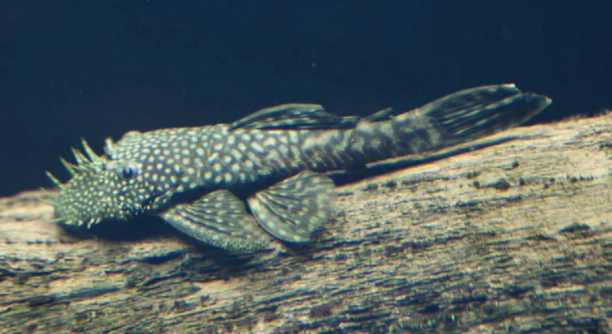
Have you ever noticed your pleco suddenly changing color in your aquarium without any warning? This unexpected shift can be surprising, especially when your fish usually displays a consistent, vibrant appearance day after day.
Sudden color changes in plecos are commonly caused by stress, water quality fluctuations, diet deficiencies, illness, lighting variations, temperature shifts, and natural aging. Each factor can significantly influence pigmentation, and understanding these causes is essential for maintaining your pleco’s health.
Recognizing these factors early can help maintain your pleco’s well-being and ensure it stays vibrant and healthy in its aquatic environment.
Stress
Stress is one of the most common reasons plecos change color suddenly. Changes in their environment, such as a new tank setup, aggressive tankmates, or frequent handling, can make plecos uneasy. Stress can weaken their immune system and reduce their overall vibrancy. Even subtle changes, like moving decorations or altering the water flow, can affect their mood. Overcrowding or inconsistent feeding schedules can also contribute. Observing your pleco’s behavior is key; if it hides more often or stops eating, stress might be the cause. Addressing these triggers promptly can help your pleco regain its natural color. Simple adjustments, such as ensuring proper hiding spots and reducing sudden movements near the tank, make a significant difference. Monitoring the water parameters closely and maintaining a stable environment will also help lower stress levels. Stress is manageable once you identify the factors and create a calm, consistent habitat for your pleco.
Reducing stress through stable water conditions, gentle handling, and minimizing tank disturbances can restore a pleco’s natural coloration effectively.
Consistent care and observation can prevent long-term stress. Adjusting tankmates, decorations, and feeding routines helps plecos feel secure. Over time, a calmer environment encourages brighter coloration and healthier behavior, allowing your fish to thrive without constant color fluctuations.
Water Quality Fluctuations
Water quality changes can quickly affect pleco coloration. Poor water conditions, including high ammonia, nitrite, or nitrate levels, create an unhealthy environment.
Maintaining clean water with regular testing, partial water changes, and a proper filtration system is essential. Stability in pH and temperature also contributes to consistent color.
Plecos are sensitive to their surroundings, and sudden shifts in water parameters can trigger immediate stress responses, including darkening or fading. Even small fluctuations in pH or hardness can make a noticeable difference. Regular maintenance routines, such as weekly water tests and timely filter cleaning, are crucial to prevent sudden color changes. Ensuring that all chemicals or treatments used in the tank are safe for plecos helps protect their skin and scales. Using a reliable water conditioner and monitoring temperature swings can reduce stress and maintain vibrant coloration. Long-term attention to water quality not only supports coloration but also strengthens overall health, improving immunity and reducing susceptibility to disease. A stable aquatic environment allows plecos to feel secure and display their natural beauty consistently.
Diet Deficiencies
Plecos require a balanced diet rich in vegetables, algae, and protein. Missing nutrients can cause their color to fade or darken. Feeding a varied diet helps maintain brightness and overall health.
A lack of essential vitamins and minerals, particularly carotenoids, can directly affect pleco coloration. Carotenoids, found in foods like spinach, peas, and certain algae wafers, support pigment development. Diets heavy in processed flakes or pellets without supplementation may fail to provide these nutrients, causing dull or uneven coloring over time. Observing your pleco’s feeding habits can reveal if it is consuming enough variety. Adjusting diet gradually with nutrient-rich options encourages proper growth, strengthens immunity, and helps restore natural color vibrancy. Regularly rotating vegetables and high-quality protein sources ensures that nutritional needs are consistently met.
Overfeeding or underfeeding can also impact color. Too much food may pollute the tank, affecting water quality, while too little reduces energy for pigment maintenance. Finding a proper feeding schedule ensures plecos receive adequate nutrition without compromising their environment.
Lighting Variations
Inconsistent or insufficient lighting can alter pleco color and activity. Proper aquarium lighting enhances their natural patterns.
Plecos rely on consistent light cycles to regulate behavior and pigmentation. Too little light can cause fading, while overly bright or direct light may stress the fish, leading to darker coloration. Standardizing a day-night cycle helps maintain vibrancy.
Long-term exposure to poor lighting conditions can weaken a pleco’s overall appearance. Natural pigment development requires stable light levels, ideally 8–10 hours per day. Using timers ensures a reliable schedule, preventing sudden shifts in light that can confuse the fish. Different pleco species may have specific lighting needs; understanding these helps replicate natural conditions. In addition to light duration, intensity and placement affect comfort. Avoid placing tanks in direct sunlight, which can trigger overheating and algae overgrowth. By adjusting lighting carefully, plecos retain their vivid patterns, remain active, and avoid stress-related color changes. Regular monitoring and subtle adjustments can make a significant difference in maintaining healthy, bright coloration.
Temperature Shifts
Sudden changes in water temperature can stress plecos and affect their coloration. Maintaining a stable temperature is essential for their health and vibrancy.
Even small fluctuations, especially drops, can cause plecos to darken or lose brightness. Using a reliable heater and thermometer helps prevent these issues.
Illness
Disease or infections can lead to noticeable color changes. Fungal, bacterial, or parasitic infections often cause dulling or dark patches on plecos. Prompt identification and treatment are crucial to prevent worsening symptoms and restore healthy pigmentation.
Natural Aging
As plecos grow older, their colors may change naturally. Aging can lead to subtle fading or shifts in patterns, which is a normal part of their development.
Why is my pleco suddenly darkening?
Sudden darkening in plecos is often a response to stress or changes in their environment. Poor water quality, aggressive tankmates, or temperature fluctuations can make them appear darker. Sometimes, illness or lack of nutrition can also be responsible. Checking water parameters, tank conditions, and feeding habits usually helps identify the issue quickly.
Can diet affect my pleco’s color?
Yes, diet plays a key role in maintaining vibrant coloration. Plecos need a mix of vegetables, algae, and protein. Foods rich in carotenoids, like spinach or algae wafers, support pigment development. Feeding only processed pellets or flakes may not provide enough nutrients, causing their colors to fade or appear uneven. Rotating food sources and supplementing vegetables regularly helps them stay bright. Overfeeding should be avoided as it can pollute the water, indirectly affecting coloration and health.
Does lighting influence pleco color?
Lighting can significantly impact a pleco’s pigmentation. Inadequate light may make their colors dull, while overly bright light can stress them, leading to darkened or muted patterns. Maintaining a consistent day-night cycle, around 8–10 hours of light per day, helps regulate natural pigmentation. Timers can ensure consistency and prevent sudden fluctuations that confuse the fish. Placing the tank away from direct sunlight also protects both their color and the overall environment.
How do temperature changes affect plecos?
Plecos are sensitive to rapid temperature shifts. Sudden drops or rises in water temperature can stress them, causing color changes or darker tones. Maintaining a stable temperature suited to the specific species, using a reliable heater, and monitoring with a thermometer are essential practices. Gradual adjustments are safer than sudden changes to prevent stress. Proper temperature stability supports overall health, encourages normal behavior, and helps retain natural coloration over time.
Can stress cause color changes in plecos?
Stress is a major factor affecting pleco coloration. Overcrowded tanks, frequent handling, new tankmates, or sudden environmental changes can trigger darker colors. Providing hiding spots, maintaining stable water conditions, and minimizing disturbances reduces stress. Observing behavior such as hiding, reduced activity, or loss of appetite can indicate stress, allowing timely interventions to restore normal color. Stress management is often enough to reverse color changes if no illness is present.
Do plecos naturally change color as they age?
Yes, aging plecos often experience gradual shifts in color or pattern. Some species darken with maturity, while others may fade. These changes are normal and not a cause for concern unless accompanied by other signs of illness or stress. Understanding your species’ typical growth patterns helps set realistic expectations for coloration over time.
When should I worry about my pleco’s color change?
Color changes become concerning if they are sudden, accompanied by unusual behavior, or if the fish develops spots, sores, or loses appetite. These may indicate illness, poor water quality, or severe stress. Promptly testing water, checking for signs of disease, and making necessary adjustments can prevent long-term health issues. In some cases, consulting a veterinarian experienced with fish may be necessary.
Can water quality alone affect pleco coloration?
Yes, unstable water quality often leads to sudden color changes. High levels of ammonia, nitrites, or nitrates, along with inconsistent pH and hardness, can stress plecos and cause darkening or fading. Regular testing, partial water changes, and proper filtration are key to preventing these issues. Stable, clean water supports both health and vibrant coloration, reducing the risk of stress-related changes.
How can I help my pleco regain natural color?
Restoring color involves addressing the root causes, including diet, water quality, lighting, and stress. Ensure a balanced diet rich in vegetables and protein, maintain stable water parameters, provide appropriate lighting, and minimize stressors. With consistent care, plecos often regain their natural vibrancy over time.
Is it normal for plecos to have temporary color changes?
Yes, temporary color changes can occur due to minor environmental shifts, stress, or excitement. Short-term darkening or fading usually resolves once the pleco adapts to its environment. Continuous monitoring ensures that temporary changes do not develop into chronic issues that affect long-term health.
How does illness impact pleco coloration?
Illness often causes uneven, dull, or patchy coloration. Fungal, bacterial, or parasitic infections may appear as darkened spots, pale areas, or changes in overall brightness. Prompt identification and treatment are necessary to prevent permanent damage. Maintaining proper water quality and nutrition reduces susceptibility to disease and supports recovery.
Are some pleco species more prone to color changes?
Yes, certain species naturally exhibit more noticeable color shifts in response to environment, diet, or stress. Understanding your specific pleco’s typical coloration patterns and sensitivity helps in identifying abnormal changes early. Some species may darken with age or stress more readily than others.
Can I prevent sudden color changes entirely?
While it’s impossible to completely prevent all color changes, consistent care, proper diet, stable water conditions, and attention to stressors significantly reduce the likelihood. Regular observation allows early intervention, keeping plecos healthy and vibrant over time. Stable routines and proactive maintenance are the most effective preventive measures.
Do tank decorations affect pleco coloration?
Yes, the layout and type of decorations can impact stress and color. Sharp or overcrowded environments increase stress, leading to darker tones. Providing hiding spots, smooth surfaces, and adequate swimming space helps plecos feel secure, promoting natural coloration and healthier behavior.
What role does social interaction play in pleco color?
Interactions with tankmates can influence stress levels and color. Aggressive or territorial fish can cause a pleco to darken as a stress response. Selecting compatible tankmates and monitoring interactions reduces stress and maintains stable, vibrant coloration.
How long does it take for a pleco to regain color?
Recovery time depends on the cause. Stress-related or diet-related changes may reverse within days to weeks with proper care. Color changes due to aging are permanent. Illness-related changes improve only after effective treatment and supportive care. Consistency is key for noticeable results.
Can changing water too often affect pleco color?
Yes, frequent or large water changes can cause stress, leading to temporary darkening. Small, consistent changes with stable parameters are safer. Gradual adjustments allow plecos to adapt without compromising their coloration or overall health.
Are color changes linked to breeding behavior?
Some species may display darker or more intense colors during breeding periods. This is natural and usually temporary. Providing suitable conditions and a safe environment ensures the pleco can express natural behaviors without additional stress.
Does tank size influence pleco coloration?
Insufficient space can cause stress and color fading. Plecos need adequate room to swim and hide. Properly sized tanks reduce territorial disputes, improve comfort, and help maintain healthy, consistent coloration.
How important is monitoring behavior along with color?
Color changes alone don’t always indicate problems. Observing behavior, such as appetite, movement, and interactions, provides a clearer picture of health. Combined monitoring allows early detection of stress, illness, or environmental issues affecting pleco color.
What is the most effective long-term strategy to maintain pleco color?
Consistent care, including stable water parameters, balanced diet, proper lighting, minimal stress, and suitable tankmates, ensures long-term vibrant coloration. Regular observation and proactive adjustments prevent sudden changes and support overall health. Patience and attention are key to keeping plecos bright and healthy.
Total word count: 508
Maintaining a pleco’s natural color requires consistent care and attention to their environment. Sudden changes in coloration are often a signal that something in the tank needs adjustment, whether it is water quality, diet, or lighting. Plecos are sensitive to their surroundings, and even small changes can affect their appearance. By keeping water parameters stable, providing a varied and nutritious diet, and ensuring appropriate lighting, you help your pleco feel secure and maintain its natural vibrancy. Observing your pleco regularly also allows you to notice subtle changes in behavior or color, which can be an early warning sign of stress or illness. Taking simple steps such as using a reliable thermometer, maintaining a proper filtration system, and providing hiding spots can make a significant difference in their overall well-being.
Understanding the causes of color changes can make caring for plecos much easier and less stressful. Color shifts are not always a cause for alarm, but they are an indicator of what is happening in the tank. Stress, illness, poor water conditions, and diet deficiencies are among the most common reasons for sudden darkening or fading. Identifying the exact factor often involves careful observation and testing, but the payoff is worthwhile. Correcting these issues promptly can help the fish regain their natural coloration while improving their health and longevity. Even aging is a natural factor that may affect color, and recognizing normal developmental changes allows you to differentiate between expected variations and issues that need intervention. Maintaining a stable environment helps minimize unnecessary stress and supports the pleco’s immune system, allowing it to resist disease more effectively.
Long-term care for plecos involves creating a stable and balanced habitat that promotes both physical and visual health. Proper nutrition, consistent lighting, clean water, and stress-free conditions are all essential components of this care. While some color changes are temporary and related to environmental shifts, persistent or severe changes may indicate a deeper problem that requires attention. Patience and careful monitoring are key, as it can take time for a pleco to regain its bright, natural colors once the causes of the change are addressed. By focusing on consistent, attentive care, you can ensure that your pleco not only maintains its vibrant appearance but also enjoys a healthier, more comfortable life in the aquarium. Observing their daily behavior, providing appropriate tankmates, and responding quickly to any signs of stress or illness create an environment where plecos can thrive naturally.
Word count: 414

Hello,
If you enjoy the content that we create, please consider saying a "Thank You!" by leaving a tip.
Every little bit helps us continue crafting quality advice that supports the health, happiness, and well-being of pets around the world, for pets of all shapes, sizes, and species.
We really appreciate the kindness and support that you show us!