
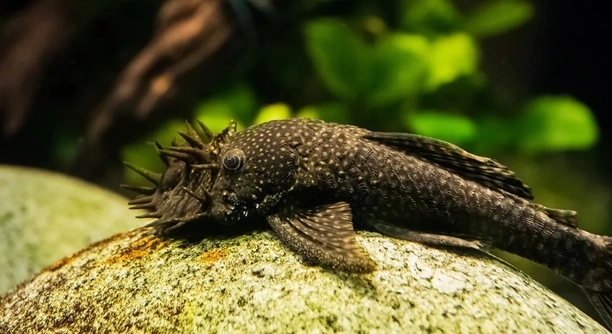
Plecos are fascinating fish that bring life and activity to aquariums. Many hobbyists enjoy watching them glide along the glass, but understanding what truly makes them happy can improve their health and well-being.
Providing proper hiding spots, clean water, and a varied diet significantly enhances plecos’ overall welfare. Ensuring adequate space, environmental enrichment, and stable water conditions reduces stress and encourages natural behaviors, promoting longer, healthier lives in captivity.
Even small adjustments can have meaningful effects, improving daily life and interactions for your pleco. These subtle changes are worth considering for a happier, healthier aquarium companion.
Provide Hiding Spots
Plecos feel more secure when they have places to hide. Adding caves, driftwood, or dense plants helps them reduce stress and exhibit natural behaviors. In an open tank, plecos may become skittish or hide excessively. Caves and tunnels allow them to rest during the day, especially since many plecos are nocturnal. A variety of hiding spots encourages movement and exploration, which benefits their overall health. Driftwood not only serves as a shelter but also supports their diet. It provides surfaces for grazing on algae and biofilm, which is essential for their digestion. Rocks and ornaments with smooth edges can also create cozy spaces. Even simple PVC pipes or terracotta pots cut to size offer effective hiding areas. Providing different sizes and shapes ensures plecos of all ages and sizes can find suitable retreats. Monitoring their use of these spots can indicate comfort levels and help adjust tank layout accordingly.
Creating these shelters also reduces aggression among multiple plecos.
Well-planned hiding spots allow plecos to display natural behavior patterns, increasing their activity and overall well-being in the tank environment.
Keep Water Clean
Plecos need clean water to thrive. Regular water changes, proper filtration, and testing water parameters help prevent stress and illness. Even slight changes in ammonia, nitrite, or nitrate levels can affect their health and behavior.
Maintaining stable water conditions requires consistent cleaning routines. Removing leftover food and waste prevents harmful buildup. A high-quality filter that circulates the water properly helps keep debris suspended and available for removal. Plecos can be sensitive to sudden temperature shifts or pH fluctuations, so monitoring these levels is essential. Some plecos prefer slightly acidic water, while others do better in neutral pH, depending on the species. Regular partial water changes of about 20–30% weekly keep conditions stable. Using a water conditioner removes chlorine and heavy metals, making tap water safe for your fish. Observing pleco behavior can provide early signs of water stress, like reduced feeding or hiding more than usual. Combining filtration, cleaning, and water testing creates a healthy environment, allowing plecos to thrive, grow, and exhibit natural behaviors over time. Proper maintenance ensures long-term health and vitality.
Offer a Varied Diet
A balanced diet keeps plecos healthy and active. Include algae wafers, fresh vegetables, and occasional protein sources. Variety prevents nutritional deficiencies and encourages natural foraging behavior, which keeps them mentally engaged and physically active.
Fresh vegetables like zucchini, cucumber, and spinach provide essential vitamins and fiber. Blanching vegetables makes them easier for plecos to eat. Algae wafers and sinking pellets supply protein and carbohydrates for energy. Occasionally, small amounts of shrimp or bloodworms can be added for variety, but avoid overfeeding. Monitoring how much your pleco consumes helps prevent water pollution and keeps them healthy. Rotating foods ensures that plecos receive a wide range of nutrients necessary for strong immune function, proper growth, and energy for exploring the tank.
Feeding should follow a routine that aligns with plecos’ nocturnal habits. Offering food in the evening encourages natural foraging behaviors. Removing uneaten food prevents decay, reducing water quality issues and keeping your pleco’s habitat clean and safe.
Include Driftwood
Driftwood is essential for most pleco species. It serves as both a hiding place and a natural food source. Plecos rasp on driftwood to aid digestion and maintain healthy gut flora.
Not all driftwood is the same, so selecting safe, aquarium-grade pieces is important. Hardwood like Malaysian driftwood or Mopani is preferred because it sinks naturally and does not leach harmful chemicals. Boiling or soaking wood before adding it removes tannins that may discolor water excessively and ensures no pests or bacteria are introduced. Driftwood also softens water slightly, which can be beneficial for some species. Placing driftwood in multiple areas gives plecos options for shelter and grazing. Over time, surfaces become coated with biofilm and algae, which plecos consume naturally, supplementing their diet. Observing how plecos interact with each piece can guide adjustments to placement, improving both comfort and engagement in the tank.
Adding driftwood enhances the tank environment, providing functional benefits for digestion, behavior, and security. Its presence encourages natural grazing, reduces stress, and makes the aquarium feel more like a natural habitat.
Maintain Proper Tank Size
Plecos need space to move and explore. A tank that is too small can cause stress, stunted growth, and aggressive behavior. Providing sufficient room supports their natural activity and overall health.
Larger tanks allow plecos to establish territories, hide comfortably, and forage naturally. Overcrowding increases waste and water quality issues, which can harm health.
Use Gentle Lighting
Bright lights can stress plecos, as they are primarily nocturnal. Dim or subdued lighting encourages natural behavior, reduces hiding, and allows for more active feeding and movement in the tank.
Introduce Live Plants
Live plants improve water quality by absorbing nitrates and providing additional hiding spots. Plants create a more natural environment, reduce stress, and offer surfaces for plecos to graze and explore.
Monitor Water Temperature
Plecos thrive in stable water temperatures suited to their species. Sudden changes can stress the fish, impact immunity, and reduce activity levels. Maintaining a consistent, appropriate temperature supports overall health and behavior.
FAQ
What is the best diet for plecos?
Plecos need a mix of algae, vegetables, and protein. Algae wafers are convenient, while fresh vegetables like zucchini, cucumber, and spinach provide fiber and vitamins. Occasionally adding shrimp or bloodworms gives extra protein, but it should be limited. Feeding a variety ensures proper nutrition and supports healthy growth.
How often should I feed my pleco?
Most plecos are nocturnal, so feeding them once daily in the evening works best. Offering small portions prevents leftover food from decaying and affecting water quality. Observing their consumption helps adjust amounts, ensuring they get enough without overfeeding. Rotating foods also maintains interest and nutritional balance.
Do plecos need hiding spots?
Yes, hiding spots are essential for reducing stress. Caves, driftwood, PVC pipes, or dense plants allow plecos to rest safely. Multiple options give them choice and prevent territorial disputes in tanks with more than one pleco. Hiding spots encourage natural behavior and increase comfort.
What water conditions do plecos prefer?
Plecos need clean, stable water with proper filtration. Most species thrive in neutral to slightly acidic water with temperatures between 74–80°F (23–27°C), though specific species may vary. Regular water testing for ammonia, nitrites, and nitrates helps prevent stress and disease. Partial water changes of 20–30% weekly maintain balance.
Is driftwood necessary for plecos?
Driftwood is very beneficial, especially for species like Bristlenose or Common Plecos. Rasping on wood aids digestion and provides extra fiber. It also serves as a natural hiding place. Choosing safe, aquarium-grade hardwood and soaking it before use ensures it won’t release harmful chemicals into the water.
Can plecos live with other fish?
Plecos generally coexist well with other species, but tank size and temperament matter. Larger tanks reduce territorial disputes. Avoid housing plecos with aggressive fish that may stress or injure them. Providing ample hiding spaces minimizes conflicts and keeps the tank harmonious.
How big should my tank be for a pleco?
Tank size depends on the pleco species. Smaller plecos may be comfortable in 30–40 gallons, while large species like Common Plecos need 75 gallons or more. Adequate space allows swimming, exploration, and proper waste management. Overcrowding can lead to stress and health issues.
How do I know if my pleco is stressed?
Signs of stress include excessive hiding, reduced appetite, erratic swimming, or faded colors. Poor water quality, insufficient hiding spots, or incompatible tank mates often cause stress. Observing behavior and adjusting environmental factors promptly can improve well-being.
Do plecos need special lighting?
Plecos prefer dim lighting because they are mostly nocturnal. Bright lights can stress them, causing them to hide excessively or reduce feeding. Using subdued lighting or providing shaded areas encourages natural behavior while keeping them comfortable.
Can plecos survive without live plants?
While plecos can survive without live plants, plants provide enrichment, hiding spots, and surfaces for grazing. They also help absorb nitrates, improving water quality. Including live plants makes the tank environment more natural and promotes healthier, more active plecos.
How long do plecos live?
Plecos can live 10–15 years or longer with proper care. Diet, water quality, tank size, and enrichment all affect longevity. Meeting their environmental and nutritional needs consistently helps ensure a long, healthy life.
Final Thoughts
Caring for plecos may seem simple at first, but their happiness depends on multiple small factors. Providing a balanced diet is essential. Plecos are not just algae eaters; they need vegetables, protein, and occasional treats to maintain good health. Offering a variety of foods prevents nutritional gaps and keeps them active. Overfeeding can lead to poor water quality and health issues, so paying attention to portions is important. Watching your pleco’s eating habits helps ensure it gets the nutrients it needs without creating problems in the tank. Food is not just sustenance; it is part of their daily routine and contributes to their overall comfort and well-being.
Environmental conditions also play a large role in pleco health. Clean, stable water with proper filtration is critical. Sudden changes in temperature, pH, or water chemistry can stress plecos, making them more vulnerable to illness. Hiding spots, such as caves, driftwood, or dense plants, provide safety and reduce stress, especially in tanks with multiple plecos. Driftwood is particularly valuable, as it allows them to rasp and helps with digestion. The size of the tank matters too; plecos need room to swim and explore, or they may become stressed or aggressive. Lighting should be subdued to reflect their nocturnal nature, which encourages natural behavior and keeps them comfortable. Every detail in the environment contributes to a pleco’s sense of security and overall happiness.
Plecos are long-living fish when cared for properly, and small improvements in their diet, habitat, and daily routine can make a noticeable difference in their behavior and health. Regular observation is important; changes in activity, appetite, or color can signal issues that need attention. By providing proper care, including appropriate tank size, water conditions, hiding spots, and food variety, plecos can live a healthy, active life. Understanding their natural behaviors helps create a more suitable environment, reduces stress, and encourages natural activities like grazing and exploring. Over time, these small adjustments improve both their longevity and quality of life, making them more enjoyable to keep and observe in an aquarium setting. Providing consistent care and meeting their basic needs ensures plecos remain healthy, active, and comfortable in their home, showing that small efforts can have a big impact on their happiness.

Hello,
If you enjoy the content that we create, please consider saying a "Thank You!" by leaving a tip.
Every little bit helps us continue crafting quality advice that supports the health, happiness, and well-being of pets around the world, for pets of all shapes, sizes, and species.
We really appreciate the kindness and support that you show us!