
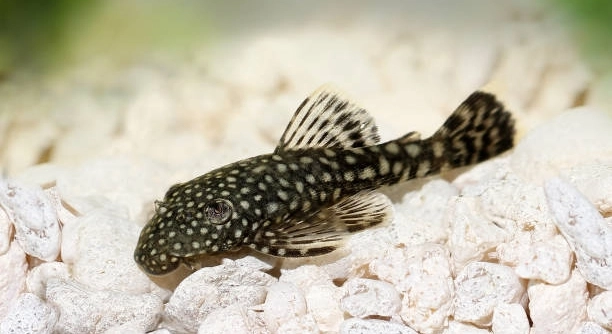
Do you ever notice that your plecos grow slower than expected, despite providing them with food daily? Many fish owners face this issue without realizing subtle feeding habits may be causing the problem.
Pleco growth can be significantly impacted by improper feeding practices. Overfeeding, underfeeding, unvaried diets, incorrect food size, irregular feeding schedules, poor water quality, and failing to monitor nutrition are primary factors that directly affect their development and overall health.
Understanding these common mistakes will help you support your pleco’s growth and ensure it remains healthy and active in your aquarium. Proper feeding makes a noticeable difference in their long-term well-being.
Overfeeding Your Pleco
Overfeeding plecos is a common mistake that slows their growth. I’ve noticed it happens when people want to make sure their fish are happy, offering more food than necessary. Plecos are bottom feeders and often eat slowly, which can lead to leftover food decomposing in the tank. Excess food increases ammonia levels, stressing the fish and affecting digestion. Even small amounts of uneaten pellets or vegetables left in the tank overnight can harm water quality. Feeding too much also causes the pleco to store fat instead of growing strong muscles and bones. It’s important to give just enough food for them to finish in a few minutes. Observing your pleco while it eats helps you adjust portions accurately. Vegetables like zucchini or cucumber should be offered in controlled amounts, and algae wafers should not be left floating all day. Maintaining moderation ensures better health and steady growth.
Feeding your pleco in measured portions promotes efficient digestion, reduces waste in the tank, and helps maintain optimal water conditions for growth.
A balanced feeding schedule and portion control make a noticeable difference in pleco size over weeks. Watching them slowly finish meals is reassuring, knowing that you are supporting healthy growth patterns. Proper observation is key to adjusting portions for each fish’s needs.
Skipping a Varied Diet
A plain diet can stunt pleco development. Feeding only one type of food leaves gaps in nutrition. Plecos need vegetables, algae, and occasional protein sources.
Providing variety ensures plecos get essential vitamins, minerals, and fiber. Feeding only algae wafers or cucumbers may seem convenient but does not fully meet their nutritional needs. A mix of blanched vegetables, occasional protein, and commercial pleco food supports stronger bones, better coloration, and faster growth. Regularly rotating foods prevents picky behavior and nutrient deficiencies.
I’ve seen tanks where plecos grew slowly because owners relied solely on pellets. Adding vegetables like spinach, peas, or zucchini made a noticeable difference. Supplementing with protein like shrimp or bloodworms once a week provides amino acids that promote muscle development. Variety also encourages natural foraging behavior, keeping the fish active and engaged. Gradually introducing new foods avoids stress and ensures acceptance. Observing your pleco’s response to different foods helps tailor a diet that encourages growth. A balanced diet paired with proper feeding frequency strengthens immunity, reduces illness, and supports long-term health.
Ignoring Food Size
Feeding plecos food that is too large can make it hard for them to eat properly. Uneaten food often sinks, decomposes, and affects water quality.
I learned early on that plecos have small mouths relative to their body size. Large pellets or chunks of vegetables can frustrate them, leading to less intake and slower growth. Cutting vegetables into thin slices or offering smaller pellets allows easier consumption. Overly large food also increases the risk of choking or digestive issues. Observing how your pleco handles different foods helps you adjust portions effectively, ensuring they can eat comfortably and get the nutrients they need. Proper food size supports steady, healthy growth without causing stress or water problems.
Even small adjustments in food size can noticeably improve pleco appetite and energy levels. By providing food they can manage easily, I saw my pleco finish meals faster and appear more active in the tank.
Irregular Feeding Schedule
Skipping meals or feeding at inconsistent times confuses plecos and slows growth. They thrive on routine and respond well to predictable feeding.
I keep my plecos on a set schedule, feeding them once or twice daily depending on size. Inconsistent feeding often caused sluggish behavior and uneven growth in my tank. Plecos rely on routine to regulate metabolism and digestion. When meals are irregular, they may overeat when food is available, leading to poor nutrient absorption and weight issues. Observing their eating patterns and keeping a consistent schedule helps maintain healthy growth rates and energy levels. Regular feeding also reduces stress and ensures they get all necessary nutrients efficiently.
Consistency in feeding not only improves digestion but also strengthens immune response. Plecos adjust to routine and remain active, avoiding spikes in aggression or inactivity caused by hunger or overfeeding. A steady rhythm helps their overall development and coloration.
Poor Water Quality
Dirty water can slow pleco growth and affect overall health. Waste buildup, leftover food, and high ammonia levels stress fish, making digestion less efficient.
I’ve seen plecos become lethargic in tanks with poor water quality. Regular water changes and monitoring parameters like pH, ammonia, and nitrates are essential. Clean water ensures plecos can eat properly and grow at a healthy rate.
Overlooking Nutrition Labels
Reading nutrition information on commercial pleco foods helps ensure they get balanced diets. Protein, fiber, and essential vitamins matter for steady growth.
Many pellets look similar, but nutrient content varies. Choosing foods with sufficient protein and fiber supports muscle development and digestion. I check labels carefully to avoid low-quality fillers that don’t benefit growth. Supplements like algae wafers or fresh vegetables fill gaps. Feeding based on nutritional value rather than quantity ensures plecos receive everything they need to develop strong, healthy bodies over time. Nutritional awareness also prevents deficiencies that can stunt growth and weaken immunity. Consistency in quality food is as important as feeding schedule.
Neglecting Observation
Watching your pleco while it eats reveals growth or health issues early. Changes in appetite can indicate underlying problems.
FAQ
How often should I feed my pleco?
Feeding frequency depends on the pleco’s size and age. Juveniles need more frequent feedings, typically once or twice a day. Adults usually do well with a single feeding or every other day. I found that sticking to a consistent schedule prevents overeating and stress. Observing your pleco during meals helps adjust portions and timing.
What types of food are best for pleco growth?
A combination of algae wafers, blanched vegetables, and occasional protein works best. Zucchini, cucumber, peas, and spinach provide fiber and essential vitamins. Small portions of shrimp, bloodworms, or other protein once a week promote muscle development. Relying solely on pellets or vegetables can stunt growth.
Can overfeeding harm plecos even if water is clean?
Yes, overfeeding affects digestion and metabolism regardless of water quality. Uneaten food in the tank also increases waste, which can raise ammonia and nitrites, indirectly stressing the fish. I’ve noticed plecos store fat instead of growing properly when consistently overfed. Controlled portions are crucial.
How do I know if my pleco isn’t growing properly?
Slow or uneven growth, lethargy, or changes in coloration are warning signs. Comparing your pleco to others of the same species and age helps identify issues. I keep a growth log for my plecos and notice even small differences over weeks. Tracking changes early allows adjustment of diet or feeding routines.
Should I supplement a pleco’s diet with live food?
Live food isn’t required but can boost growth if used occasionally. Bloodworms, brine shrimp, or daphnia provide protein and stimulate natural foraging behaviors. I give live food once a week for variety and better nutrient intake. Overfeeding live food can also lead to water quality issues.
Does water temperature affect feeding and growth?
Yes, plecos are cold-blooded, so their metabolism depends on water temperature. Warmer water increases appetite and digestion, while cooler water slows these processes. I maintain stable temperatures suitable for the specific pleco species to encourage steady growth and avoid stress.
Can plecos grow with only commercial pellets?
While commercial pellets can meet basic nutritional needs, relying solely on them may leave gaps in fiber, vitamins, and minerals. I combine pellets with vegetables and occasional protein to ensure balanced nutrition. Variety supports stronger bones, better coloration, and overall health.
How can I prevent food from decaying in the tank?
Feed in small portions that plecos can finish within a few minutes. Remove uneaten food promptly. I’ve found that cutting vegetables into manageable pieces and monitoring pellet consumption reduces leftover waste. Proper portion control maintains water quality and supports healthy growth.
Is it normal for plecos to refuse food sometimes?
Yes, occasional refusal can occur due to stress, water changes, or illness. I observe behavior closely and remove uneaten food to prevent water issues. Persistent refusal may require adjusting diet, checking water quality, or consulting a vet. Stress-free feeding encourages consistent growth.
What is the best way to monitor pleco growth over time?
Regularly measure or estimate body length and track changes weekly. Keep notes on diet, water conditions, and behavior. I maintain a simple log that helps detect growth patterns and potential problems early. Monitoring growth allows timely adjustments in feeding and tank maintenance.
Can poor water quality stunt growth even with proper feeding?
Absolutely. High ammonia, nitrite, or nitrate levels stress plecos, reducing appetite and nutrient absorption. Even a perfect diet cannot compensate for harmful water conditions. I perform weekly water tests and partial water changes to keep parameters optimal for growth and health.
How long does it take for plecos to show noticeable growth improvements?
With proper feeding and care, small improvements can be seen within weeks. Significant growth may take months depending on age and species. I track progress closely, adjusting diet and portion sizes gradually, and see visible differences over several weeks with consistent care.
Can I feed plecos human vegetables directly from the fridge?
Yes, but vegetables should be washed, peeled if needed, and lightly blanched for easier digestion. Raw vegetables may be harder to digest and cause bloating. I slice them into thin, manageable pieces that plecos can eat fully, ensuring nutrients are absorbed effectively.
Are there signs that a pleco is getting too much protein?
Yes, excess protein can lead to digestive issues, fatty deposits, or water quality problems. I feed protein sparingly, usually once a week, and observe their body condition. Maintaining balance between plant-based and protein sources supports steady growth without health risks.
How important is observing pleco behavior during feeding?
Observation is critical. It allows you to see if food size, portion, or type is appropriate. I watch my plecos closely, noting appetite, eating speed, and interest in new foods. These small observations guide feeding adjustments and ensure growth remains on track.
Can feeding mistakes be reversed if noticed late?
Yes, correcting diet, portion size, and water quality usually restores growth, though recovery may take time. I’ve seen plecos bounce back after weeks of improved feeding habits. Early detection is better, but adjustments at any stage can improve long-term health.
What is the role of fiber in a pleco’s diet?
Fiber aids digestion and prevents constipation. Vegetables and algae provide necessary fiber. I include zucchini, cucumber, and spinach regularly. Balanced fiber intake helps plecos process other nutrients efficiently, supporting growth and maintaining overall health.
Are there differences in feeding for different pleco species?
Yes, herbivorous species need more plant-based foods, while omnivorous plecos require protein as well. I research each species carefully to tailor feeding. Ignoring species-specific needs can slow growth or cause health problems. Adjusting diet according to natural preferences ensures optimal development.
How do I prevent picky eating habits in plecos?
Offering a variety of foods consistently helps avoid pickiness. I rotate vegetables and occasionally add protein to keep meals interesting. Avoiding over-reliance on one type of food encourages balanced nutrition and prevents stunted growth caused by selective eating.
Does tank size affect pleco feeding and growth?
Yes, small tanks limit movement and can stress fish, affecting appetite. Larger tanks allow natural foraging and activity, which supports proper metabolism. I ensure sufficient space for my plecos to swim and graze comfortably, which helps them eat well and grow steadily.
How can I tell if my pleco is underfed?
Signs include slow growth, thin body, weak fins, or decreased activity. I monitor daily behavior and feeding response. If plecos finish meals quickly and seem eager for more, they may need slightly larger portions. Adjusting feeding carefully prevents both underfeeding and overfeeding issues.
Can changing feeding habits too quickly harm plecos?
Yes, abrupt changes can cause stress or digestive upset. I introduce new foods gradually and adjust portions slowly. Monitoring response during transitions ensures plecos adapt well, maintaining steady growth without negative health effects.
How does algae availability affect pleco growth?
Algae provides natural fiber and nutrients. Tanks without sufficient algae require supplementation with wafers or vegetables. I ensure my plecos always have access to some algae, either naturally grown or as part of their diet, which supports digestion and overall development.
Is it okay to feed plecos at night?
Yes, many plecos are nocturnal feeders. Feeding in the evening aligns with natural behavior. I often provide vegetables or wafers near sunset. This timing ensures they eat efficiently, reduces competition, and promotes consistent growth patterns.
What is the best way to combine commercial food with fresh vegetables?
Feed pellets or wafers first in small portions, then offer blanched vegetables for variety. I space meals so they finish one before starting the next. This prevents waste, ensures balanced nutrition, and encourages regular, steady growth without overfeeding.
How important is water movement during feeding?
Moderate water flow prevents food from settling too quickly and ensures plecos can access it without difficulty. I maintain gentle currents that mimic natural conditions. Proper water movement supports feeding efficiency and digestion, which contributes to consistent growth.
Can plecos survive on a strict plant-based diet?
Herbivorous plecos can, but omnivorous species require occasional protein. I research species-specific needs carefully. Providing the right balance of plant and protein sources ensures growth, coloration, and overall health, avoiding deficiencies from an incomplete diet.
What is the best approach to correcting slow growth due to past feeding mistakes?
Adjust portions, diversify diet, maintain water quality, and keep a consistent schedule. I implement gradual changes while observing behavior and appetite. Recovery takes time, but steady improvements in nutrition and environment restore health and promote growth over several weeks.
How does stress affect pleco feeding?
Stress reduces appetite and slows digestion. Causes include aggressive tank mates, poor water quality, or sudden changes. I minimize disturbances during feeding and maintain stable conditions, which helps plecos eat normally and grow consistently.
Are there supplements that help pleco growth?
Occasional vitamin or mineral supplements can help, especially if diet is limited. I use them sparingly and follow recommended dosages. Over-supplementation can harm water quality, so balance is crucial. Focus on natural foods first, with supplements as a safety net.
Can plecos grow in community tanks?
Yes, but competition can affect food intake. I ensure plecos get separate feeding areas or portions to prevent other fish from eating their food. Adequate space and monitoring are essential for consistent growth.
Final Thoughts
Caring for plecos requires attention to detail and consistency. Their growth is influenced not just by the amount of food they receive, but by how and what they are fed. Overfeeding, underfeeding, or offering only one type of food can slow their development. Even small mistakes in portion size or feeding schedule can affect digestion and nutrient absorption. From my experience, observing your plecos during feeding is essential. Watching how they eat, how quickly they finish their meals, and their general behavior provides important clues about their health and growth. Adjusting food size, portions, and frequency based on these observations ensures they get the right nutrition without stressing their system. Proper care also includes monitoring water quality. Clean water with stable parameters is crucial for plecos to digest their food efficiently and grow at a healthy pace.
A balanced diet is one of the most important aspects of pleco growth. Plecos need a mix of vegetables, algae, and occasional protein to develop strong muscles and maintain good overall health. Relying solely on commercial pellets or a single type of vegetable can leave gaps in nutrition. I learned that rotating foods, offering different vegetables like zucchini, cucumber, and spinach, and occasionally adding protein sources such as bloodworms or shrimp can make a noticeable difference. Balanced nutrition supports not only physical growth but also coloration, energy levels, and immune health. It is also important to feed food that matches their size and mouth structure. Large chunks or oversized pellets can frustrate them or lead to leftovers that decay in the tank. Managing portion size prevents overeating and ensures nutrients are absorbed properly. Over time, small adjustments to diet and feeding routines result in steady and healthy growth.
Finally, maintaining a consistent feeding routine and observing plecos regularly are key to long-term health. Irregular schedules or sudden changes in diet can stress plecos and affect their appetite, slowing growth. Consistency in timing, portions, and type of food helps regulate their metabolism and digestion. I’ve found that keeping a simple log of feeding habits and water parameters makes it easier to notice changes and address issues before they become serious. Combining proper diet, portion control, water quality maintenance, and observation allows plecos to thrive and grow steadily. While growth can be gradual, patience and careful attention to feeding habits result in healthier, more active fish. By focusing on these factors, you can ensure that plecos reach their full potential and remain strong and vibrant over time.

Hello,
If you enjoy the content that we create, please consider saying a "Thank You!" by leaving a tip.
Every little bit helps us continue crafting quality advice that supports the health, happiness, and well-being of pets around the world, for pets of all shapes, sizes, and species.
We really appreciate the kindness and support that you show us!