Why Is Only One Rosy Barb Exploring the Tank?
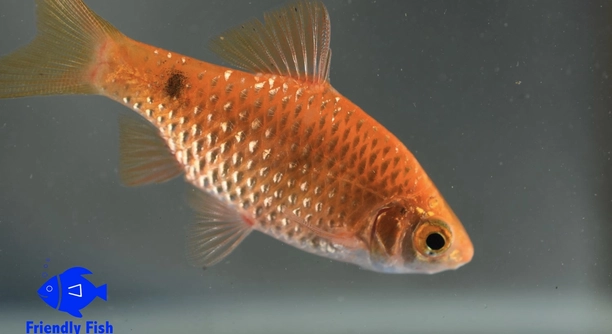
Many fish owners notice that only one Rosy Barb often swims alone in the tank while others stay together. This behavior can seem puzzling and may lead to concerns about the fish’s well-being. Understanding why this happens helps create a better environment for all the fish. The most common reason a single Rosy Barb explores … Read more
7 Water Parameters Rosy Barbs Need

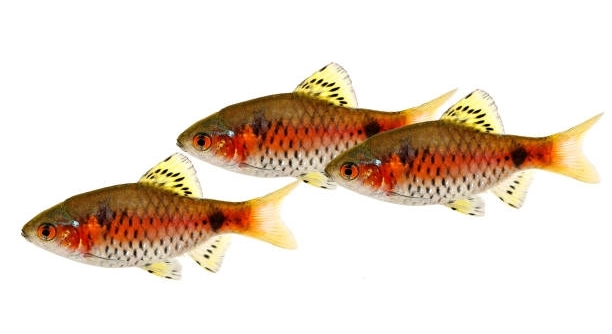
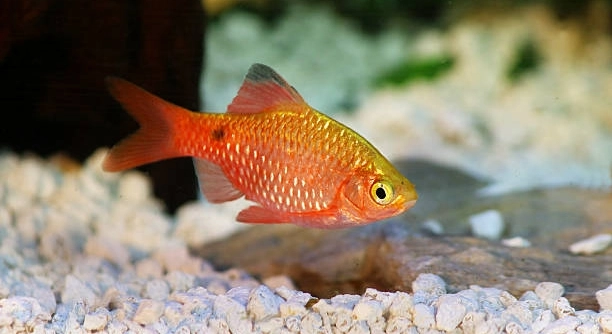
Rosy Barbs are popular freshwater fish known for their bright colors and active nature. Many aquarium owners want to provide the best environment for these fish to thrive. Proper water conditions are essential to keep them healthy and happy. The seven key water parameters for Rosy Barbs include temperature, pH, hardness, ammonia, nitrite, nitrate levels, … Read more

7 Rosy Barb Behaviors That Mean Trouble

Are your Rosy Barbs acting strange, picking fights, or hiding more than usual during feeding time or tank activities? Some behaviors in Rosy Barbs—such as constant chasing, fin nipping, or sudden lethargy—can signal stress, illness, or poor tank conditions. Identifying these warning signs early is essential for maintaining a healthy aquarium environment. Recognizing troubling behaviors … Read more

7 Unusual but Harmless Rosy Barb Behaviors

Rosy barbs are popular aquarium fish known for their vibrant colors and lively nature. Many owners notice some behaviors that seem unusual but are perfectly harmless. These actions often reflect natural instincts or simple communication among the fish. Several unique behaviors of rosy barbs, such as fin flicking, darting, or nibbling on plants, serve natural … Read more

7 Signs Your Rosy Barb Misses Interaction

Is your Rosy Barb acting differently, spending more time alone, or showing less interest in its surroundings than usual? Rosy Barbs are social fish that thrive on interaction. When deprived of stimulation or companionship, they may display signs such as sluggish behavior, hiding, or even aggression. These changes often reflect boredom, stress, or loneliness. Recognizing … Read more

7 Ways Rosy Barbs Express Excitement

Do you ever find yourself watching your rosy barbs zoom around the tank and wonder if they’re actually showing excitement or just being active? Rosy barbs express excitement through fast swimming, fin flaring, brighter coloration, and increased social interaction. These behaviors are usually linked to environmental changes, feeding times, or new stimuli in their tank. … Read more

7 Triggers That Cause Rosy Barb Nipping

Do your rosy barbs chase and nip at their tankmates, leaving you unsure of what’s triggering their sudden aggressive behavior? Rosy barb nipping is often caused by overcrowding, stress, territorial instincts, lack of space, improper tank mates, breeding behavior, and boredom. These triggers can lead to increased aggression, making peaceful cohabitation difficult in community aquariums. … Read more

How Do Rosy Barbs Show Affection? (Beginner Guide)

Have you ever watched your rosy barbs closely and started wondering if their playful behavior means they actually like each other—or even you? Rosy barbs show affection through schooling, following behavior, gentle chasing, and fin flaring. These actions reflect social bonding and mild courtship, especially in well-maintained environments. Their behavior becomes more expressive when they … Read more

7 Reasons Rosy Barbs Chase Other Fish

Rosy barbs are colorful freshwater fish popular in home aquariums. They are known for their lively behavior and active swimming patterns. Sometimes, they chase other fish in their tank, which can puzzle many hobbyists. Rosy barbs chase other fish primarily due to their natural territorial instincts, social dominance behaviors, and high energy levels. These behaviors … Read more

Do Rosy Barbs Follow Each Other on Purpose?

Do you ever find yourself watching your rosy barbs swim and wondering if there’s more to their movements than just chance? Rosy barbs tend to follow each other due to a natural behavior known as shoaling. This instinct helps them feel safer, reduces stress, and improves their chances of survival in both wild and captive … Read more