
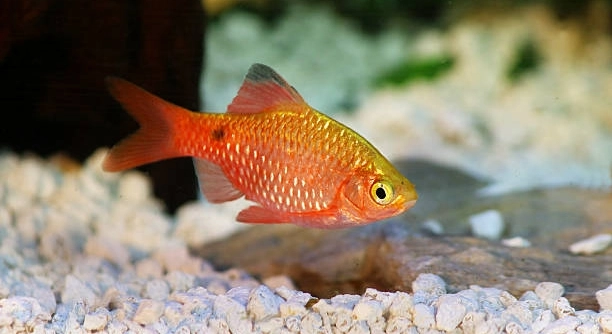
Are your Rosy Barbs acting strange, picking fights, or hiding more than usual during feeding time or tank activities?
Some behaviors in Rosy Barbs—such as constant chasing, fin nipping, or sudden lethargy—can signal stress, illness, or poor tank conditions. Identifying these warning signs early is essential for maintaining a healthy aquarium environment.
Recognizing troubling behaviors early helps protect your fish and keeps your tank in balance. These signs may be subtle but carry serious meaning.
Constant Chasing and Aggression
Rosy Barbs are known for being lively, but constant chasing is a sign of stress or territory disputes. This can result from overcrowding, lack of hiding spots, or imbalance in the male-to-female ratio. Males often chase females to initiate spawning, but excessive or nonstop chasing is not normal. It creates anxiety and physical exhaustion in the targeted fish. Over time, this behavior can lead to injury, suppressed immune response, and shortened lifespan. To reduce this, aim for a spacious tank, ideally 30 gallons or more. Include plants and decorations that offer hiding spaces. Maintain at least two females for each male to spread out attention. Monitor aggression patterns closely. When one fish becomes consistently aggressive, isolation may be necessary.
If the chasing is causing visible damage like torn fins or missing scales, your fish need immediate separation and stress relief.
A slightly aggressive nature is expected, but daily chasing that escalates to injury or isolation should not be ignored. Watch for changes in mood, activity levels, and appetite in both the aggressor and the target. Aggressive behavior can develop into a chronic issue if left unchecked. Consistent tank maintenance, balanced nutrition, and careful observation will help reduce triggers and keep all fish safe and calm.
Hiding More Than Usual
A Rosy Barb that suddenly hides more often may be feeling unwell or overwhelmed by its surroundings.
Fish that isolate themselves are often reacting to poor water quality, high noise, or tankmate harassment. Rosy Barbs are usually active swimmers that enjoy open space. Hiding signals that something isn’t right. It can be triggered by ammonia spikes, high nitrates, or unstable temperatures. Always check your water parameters first. Stressful environments weaken their immune systems, making them vulnerable to disease. If bullying is the cause, remove the aggressor or rearrange the tank layout to disrupt patterns of dominance. In some cases, internal parasites or early signs of illness can cause withdrawal. Pay attention to appetite and swimming patterns. Hiding combined with pale coloration or slow movement suggests a medical issue. Offering places to retreat—like dense plants or caves—is helpful, but too much hiding shows something needs fixing. Keeping your Rosy Barb visible and active means its habitat feels safe and comfortable.
Loss of Appetite
When a Rosy Barb stops eating, it often means something is wrong with its environment or health. This change is never random and usually signals discomfort, stress, or the onset of illness.
Check the water parameters immediately—ammonia, nitrites, and temperature shifts are common causes of appetite loss. If the water looks fine, observe for signs of internal parasites, such as stringy white feces or bloated bellies. Another possibility is competition during feeding. More aggressive tankmates can intimidate shy fish, keeping them from eating. Try feeding in different areas of the tank to see if behavior changes. Some Rosy Barbs also become disinterested in food due to boredom. Offer a variety of food like live or frozen options. A healthy fish should show interest during feeding time. Loss of appetite for more than a couple of days deserves closer attention and may require medical treatment.
Ignoring feeding changes can lead to quick declines in health. Malnutrition weakens their ability to recover from stress or fight infection. If your Rosy Barb is consistently avoiding food, quarantine it in a separate tank to monitor closely. Use aquarium salt if needed and consult a vet familiar with fish health. A prompt response often prevents more serious issues from developing.
Clamped Fins
Clamped fins make your Rosy Barb look less lively, with fins held tightly against the body. This is often one of the earliest signs of discomfort or stress.
This behavior may point to poor water quality, parasitic infections, or even sharp temperature fluctuations. Fish showing clamped fins should be monitored for other symptoms like rapid gill movement, lethargy, or color fading. Test your tank water for ammonia and nitrite, as even small spikes can cause stress. Also, inspect for Ich or other visible parasites—white spots or flashing against surfaces may appear. Use a heater to keep temperature consistent and avoid sudden drops. Isolate the fish if others look unaffected. Treatment depends on the cause, but clean water and a low-stress environment are always the first steps. Feeding with immune-boosting foods like garlic-enriched pellets may help recovery and prevent further complications.
Erratic Swimming
Erratic swimming in Rosy Barbs usually means something in the water is irritating them. This includes poor water quality, sudden pH changes, or toxins like chlorine. Always test your water first if your fish begins darting or spinning uncontrollably.
This behavior can also come from internal parasites or swim bladder issues. If the fish is struggling to stay upright, floats oddly, or appears bloated, isolate it quickly. Feeding a shelled pea may help with mild swim bladder issues.
Gasping at the Surface
When your Rosy Barb frequently gasps at the water’s surface, it’s often a sign of low oxygen. Overcrowded tanks or poor circulation can cause this issue.
Make sure your filter is working well and consider adding an air stone. Perform a partial water change if the problem continues.
Color Fading
Faded colors in Rosy Barbs often come from stress, illness, or poor diet. Stressful tankmates, low water quality, or lack of nutrition all play a part. Fix the environment first, then support recovery with high-quality foods.
How can I tell if my Rosy Barb is stressed?
Signs of stress in Rosy Barbs include constant chasing, hiding, loss of appetite, clamped fins, and erratic swimming. Stressed fish often show faded colors and may gasp at the surface due to poor oxygen levels. These behaviors typically point to environmental issues such as overcrowding, poor water quality, or aggressive tankmates. Regularly testing water parameters and observing interactions can help spot stress early.
What should I do if my Rosy Barb is chasing other fish too much?
Excessive chasing usually results from territorial disputes or an unbalanced ratio of males to females. Reducing the number of males or increasing females can balance aggression. Adding plants and hiding spots helps break sightlines and reduce conflict. If aggression continues, separating the aggressive fish temporarily is best. Ensuring a large enough tank also prevents cramped conditions that cause stress and chasing.
Why is my Rosy Barb hiding more than usual?
Hiding often indicates discomfort, illness, or bullying. Poor water quality or sudden changes in tank conditions make fish seek refuge. If bullying is the cause, rearranging the tank or removing aggressive fish can help. Sometimes, illness causes withdrawal; watch for other symptoms like pale color or sluggishness. Checking water parameters is always a good first step.
What causes loss of appetite in Rosy Barbs?
Loss of appetite can result from stress, poor water quality, disease, or competition during feeding. Parasites or infections also reduce hunger. Testing water quality and observing for physical signs like bloating or discoloration is important. Feeding a varied diet with live or frozen food can stimulate appetite. If the problem persists, quarantining the fish and consulting a vet may be necessary.
How do I treat clamped fins?
Clamped fins often signal stress or infection. Improving water quality and maintaining stable temperatures are crucial. Inspect the fish for parasites or white spots, which may require medication. Reducing stress by limiting tank disturbances and providing hiding places supports recovery. Feeding immune-boosting foods like garlic-enriched pellets can help restore health faster.
What causes erratic swimming in my Rosy Barb?
Erratic swimming may be caused by swim bladder issues, poor water quality, or parasites. Swim bladder problems can be helped by feeding a shelled pea, but if the fish floats abnormally or is bloated, veterinary care might be needed. Always test water parameters and observe for other symptoms. Prompt action is needed to prevent worsening conditions.
Why does my Rosy Barb gasp at the surface?
Gasping at the surface usually means low oxygen levels in the tank. Overcrowding, poor water circulation, or dirty filters reduce oxygen. Check the filter’s performance and consider adding an air stone or increasing surface agitation. Partial water changes can also improve oxygen levels. If gasping continues, evaluate tank size and stocking levels.
What can cause color fading in Rosy Barbs?
Faded colors often come from stress, illness, or a poor diet. Aggressive tankmates, dirty water, or inadequate nutrition can dull their vibrant hues. Improving water quality, providing a balanced diet rich in carotenoids, and minimizing stress will help restore natural coloration over time. Consistency in tank care is key to maintaining bright colors.
How often should I test my tank water for Rosy Barbs?
Testing water weekly is recommended to keep parameters stable. Ammonia and nitrite levels should always be zero. Nitrate should be low, ideally below 20 ppm. pH should remain steady around 6.8 to 7.8. Frequent testing helps detect issues early, preventing stress and disease. Use reliable test kits and keep a log to track changes.
Can overcrowding cause behavior problems in Rosy Barbs?
Yes, overcrowding leads to stress, aggression, and chasing. It reduces oxygen levels and increases waste, affecting water quality. Providing at least 10 gallons per 4-5 Rosy Barbs is ideal. More space reduces competition and aggression, allowing natural behaviors to flourish. If your tank is crowded, consider upgrading or rehoming some fish.
Is quarantine necessary for new Rosy Barbs?
Quarantining new fish is a good practice to prevent introducing diseases. A separate tank for 2-4 weeks allows observation for illness or parasites. Treating new arrivals before adding them to the main tank reduces risks. It also helps the fish adjust slowly to new water conditions, decreasing stress.
How can I reduce aggression among Rosy Barbs?
Balancing the male-to-female ratio, adding plants, and providing ample swimming space reduces aggression. Rearranging the tank periodically can disrupt established territories. Avoid overcrowding and keep tank mates peaceful and compatible. Monitoring fish behavior regularly allows for early intervention if aggression spikes.
What foods help keep Rosy Barbs healthy?
A varied diet including high-quality flakes, pellets, frozen, and live foods like brine shrimp or daphnia supports health. Foods rich in carotenoids enhance color. Avoid overfeeding to maintain water quality. Feeding small amounts multiple times a day mimics natural feeding patterns and reduces stress.
When should I seek veterinary help for my Rosy Barb?
If symptoms like severe lethargy, persistent loss of appetite, visible wounds, or unusual swimming persist beyond a few days, veterinary consultation is advisable. Some illnesses require specialized treatment. Early professional care increases the chance of full recovery.
How important is tank maintenance for preventing trouble behaviors?
Regular tank maintenance is vital. Cleaning filters, performing partial water changes, and removing uneaten food prevent toxin buildup. Consistent care keeps water parameters stable and fish stress-free. Neglect leads to poor health and behavioral issues. A clean tank supports vibrant, active Rosy Barbs.
When caring for Rosy Barbs, paying attention to their behavior is key to keeping them healthy and happy. These fish are active and social, but changes in their usual actions often point to underlying problems. Watching for signs like excessive chasing, hiding, loss of appetite, or clamped fins can help catch issues early. Addressing these warning signs promptly makes a big difference in preventing serious health problems. Proper tank conditions, balanced diets, and compatible tankmates all play important roles in reducing stress and promoting well-being.
Maintaining a clean and stable environment is essential for Rosy Barbs. Regular water testing and partial water changes keep harmful chemicals in check and provide a safe home. A well-planted tank with enough swimming space also helps reduce aggression and gives fish places to rest when they need to hide. Keeping a good balance between males and females is another important step in managing behavior. Small changes like rearranging decorations or adding plants can break up territories and lower tension. By staying observant and proactive, you can prevent many common issues before they worsen.
Rosy Barbs respond well to consistent care and attention. Feeding them a varied diet that includes quality flakes, pellets, and occasional live or frozen food supports their health and coloration. If you notice unusual behavior, checking water quality and tank conditions is the first step. Some problems may require quarantine or medical treatment, but many are resolved through better tank management and reducing stressors. Understanding your fish’s needs and habits makes it easier to enjoy a vibrant and peaceful aquarium for years to come.

Hello,
If you enjoy the content that we create, please consider saying a "Thank You!" by leaving a tip.
Every little bit helps us continue crafting quality advice that supports the health, happiness, and well-being of pets around the world, for pets of all shapes, sizes, and species.
We really appreciate the kindness and support that you show us!