
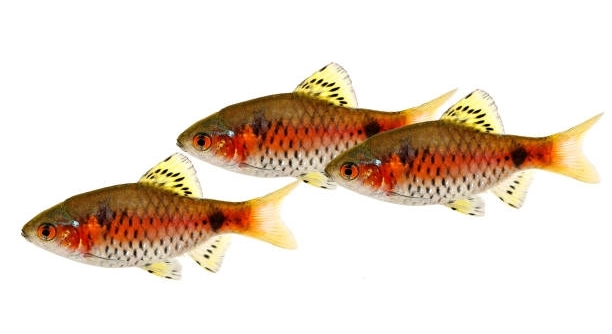
Rosy Barbs are popular freshwater fish known for their bright colors and active nature. Many aquarium owners want to provide the best environment for these fish to thrive. Proper water conditions are essential to keep them healthy and happy.
The seven key water parameters for Rosy Barbs include temperature, pH, hardness, ammonia, nitrite, nitrate levels, and oxygen content. Maintaining these within specific ranges supports their well-being and prevents stress or illness in the fish.
Knowing these water parameters helps create a stable and comfortable habitat. This article will guide you through each one clearly and simply.
Temperature Requirements for Rosy Barbs
Rosy Barbs thrive best in water temperatures between 64°F and 72°F (18°C to 22°C). Maintaining this range is important because temperatures outside it can cause stress, reduce their immune response, and affect their activity levels. Sudden changes in temperature should be avoided as these fish are sensitive to fluctuations. Using a reliable aquarium heater or chiller helps keep the temperature steady. It is also useful to monitor the temperature regularly with a thermometer to catch any variations early. Stable temperature encourages healthy growth and vibrant colors. In addition, consistent warmth helps support their metabolism and digestion, allowing them to stay energetic and active.
Keeping the aquarium at the right temperature is simple but essential. Using a heater with a thermostat can help maintain this balance automatically.
Proper temperature management ensures your Rosy Barbs remain lively and comfortable, preventing potential health problems linked to cold or overheated water.
pH Levels and Water Hardness
Rosy Barbs prefer a pH range between 6.0 and 7.5. This range helps maintain a healthy biological balance in the tank. Water hardness is also important and should be between 5 and 19 dGH (degrees of general hardness). Both parameters affect how well the fish absorb nutrients and regulate bodily functions.
Testing kits are available and easy to use for measuring pH and hardness at home. If these values are out of range, simple adjustments can be made using commercially available products or natural methods like adding driftwood or crushed coral. Maintaining the correct pH and hardness supports a stable environment, reducing stress and promoting longer lifespan. Regular monitoring is necessary because water conditions can change over time, especially in newly set-up tanks or when adding new decorations or plants. Adjustments should be made slowly to avoid shocking the fish. Proper water chemistry is a key factor in the overall health and well-being of Rosy Barbs.
Ammonia and Nitrite Levels
Ammonia and nitrite should always be kept at zero in a Rosy Barb aquarium. Both are toxic even at low levels and can cause serious health problems.
Ammonia is produced from fish waste and decomposing organic matter. If not removed through proper filtration and water changes, it accumulates quickly. High ammonia causes gill damage, breathing difficulty, and stress. Nitrite is produced by bacteria breaking down ammonia but is also harmful. It interferes with the fish’s ability to carry oxygen in the blood. To control these toxins, it is essential to have a well-established biological filter in the tank. Regular testing with aquarium kits helps monitor ammonia and nitrite levels closely. Immediate action is needed if levels rise, usually by performing partial water changes and improving filtration. Maintaining zero ammonia and nitrite creates a safe environment where Rosy Barbs can thrive without risk of poisoning or disease.
Nitrate Levels and Oxygen Content
Nitrate is less harmful but should be kept below 20 ppm to avoid long-term stress. High nitrate levels come from leftover food and fish waste. Regular partial water changes help keep nitrate under control.
Oxygen content is equally vital. Proper aeration through air stones or filter flow ensures the fish have enough oxygen to breathe easily. Low oxygen can cause lethargy and make fish more vulnerable to illness. Rosy Barbs are active swimmers and need well-oxygenated water for their energy. Monitoring nitrate and oxygen together keeps the tank balanced, reducing stress and promoting healthy behavior. Adjusting water circulation and maintaining cleanliness are simple ways to manage these factors effectively.
Water Clarity
Clear water is essential for Rosy Barbs to remain healthy and active. Cloudy or dirty water can cause stress and lead to illness.
Regular water changes and good filtration help maintain clarity. Avoid overfeeding to reduce waste buildup, which causes murky water.
Filtration Needs
A quality filter removes harmful substances and maintains water quality. It supports the biological cycle by housing beneficial bacteria that break down toxins. Filters also keep the water clean and oxygenated, which is crucial for Rosy Barbs’ health and vitality.
Tank Size
Rosy Barbs need at least a 20-gallon tank to swim freely and grow properly. Crowded conditions increase stress and disease risk, so providing enough space improves their well-being.
Water Change Frequency
Performing weekly water changes of 25-30% helps keep water parameters stable and removes toxins, ensuring a healthier environment for Rosy Barbs.
What is the ideal temperature range for Rosy Barbs?
The ideal temperature for Rosy Barbs is between 64°F and 72°F (18°C to 22°C). Staying within this range helps maintain their health and activity. Temperatures outside this can cause stress, weaken their immune system, and slow metabolism. It is important to monitor the tank temperature regularly and avoid sudden changes.
How often should I test water parameters?
Testing water parameters once a week is recommended for a stable environment. Frequent checks on pH, ammonia, nitrite, nitrate, and temperature help catch problems early. This allows for timely adjustments, preventing stress or harm to the fish. Using reliable test kits makes this process straightforward.
Why must ammonia and nitrite levels be zero?
Ammonia and nitrite are toxic to fish even at very low levels. They come from fish waste and decomposing material. High levels damage gills, reduce oxygen transport, and cause illness or death. Keeping these at zero protects your Rosy Barbs from poisoning and maintains their health.
Can I adjust pH and hardness at home?
Yes, pH and hardness can be adjusted using commercial products or natural methods. For lowering pH, peat moss or driftwood can help. Crushed coral or limestone increases hardness and pH. Changes should be made slowly to avoid shocking the fish. Regular testing ensures the parameters stay in a safe range.
How important is oxygen for Rosy Barbs?
Oxygen is critical because Rosy Barbs are active swimmers with high oxygen needs. Poor oxygen levels cause lethargy and increase disease risk. Proper aeration from air stones, filters, or strong water flow ensures oxygen stays sufficient. Regular observation helps detect signs of oxygen deficiency early.
What nitrate level is safe?
Nitrate should be kept below 20 ppm to avoid long-term stress on fish. Although less toxic than ammonia or nitrite, high nitrate can weaken the immune system over time. Partial water changes and good tank maintenance keep nitrate under control and promote a healthy environment.
How often should I do water changes?
Weekly water changes of 25-30% are ideal for removing toxins and keeping water clean. Consistent changes prevent buildup of harmful substances and maintain stable water parameters. This routine supports the fish’s health and reduces the chance of diseases related to poor water quality.
How much space do Rosy Barbs need?
A minimum of 20 gallons is recommended for a small group of Rosy Barbs. They are active fish and need space to swim freely. Overcrowding leads to stress, aggression, and health problems. Providing enough room improves their overall well-being and allows natural behavior.
What type of filtration should I use?
A biological filter that supports beneficial bacteria is essential. It breaks down toxic ammonia and nitrite. Mechanical filtration removes debris, and chemical filtration can remove impurities. A good filter maintains water clarity and quality while ensuring adequate oxygen levels for Rosy Barbs.
Can I keep Rosy Barbs with other fish?
Rosy Barbs are generally peaceful but can nip fins if kept with slow-moving or long-finned fish. They do best with similar-sized, active species. Proper tank size and hiding spots reduce aggression. Compatibility depends on individual fish temperaments and careful selection of tank mates.
How do I prevent cloudy water?
Cloudy water often results from overfeeding, poor filtration, or a new tank cycle. Avoid feeding excess food, perform regular water changes, and maintain a quality filter. Patience is needed in new tanks as beneficial bacteria establish. Keeping the tank clean supports clear water and healthy fish.
What signs indicate poor water quality?
Fish gasping at the surface, sluggish behavior, faded colors, or excessive hiding are signs of poor water quality. Cloudy or smelly water also indicates problems. Prompt testing and correcting water parameters help prevent serious health issues and keep Rosy Barbs thriving.
How do I safely adjust water parameters?
Adjust water parameters gradually to avoid stressing the fish. Small changes over several days are safer than sudden shifts. Use recommended products and test water after each adjustment. Monitoring fish behavior during this process is important to catch any signs of distress.
Is it necessary to cycle a new aquarium before adding Rosy Barbs?
Yes, cycling a tank establishes beneficial bacteria that break down ammonia and nitrite. Without cycling, toxic levels build up quickly, harming fish. This process usually takes 4 to 6 weeks. Patience during cycling ensures a safe, stable environment for Rosy Barbs when introduced.
What is the role of water hardness in Rosy Barb health?
Water hardness affects fish metabolism and overall health. Rosy Barbs prefer moderately hard water between 5 and 19 dGH. Hardness influences how minerals are absorbed and helps maintain stable pH. Proper hardness supports their immune system and reduces stress.
How can I maintain a balanced aquarium ecosystem?
Balancing water parameters, performing regular maintenance, avoiding overfeeding, and ensuring proper filtration are key. Stability reduces stress and disease. Monitoring fish behavior and water quality helps catch early problems. A balanced ecosystem promotes longevity and vibrant colors in Rosy Barbs.
Maintaining the right water parameters is essential for keeping Rosy Barbs healthy and active. Each factor, from temperature to nitrate levels, plays a specific role in their overall well-being. Paying attention to these details helps create an environment where the fish can grow, swim freely, and display their natural colors. Simple steps like regular water testing, proper filtration, and routine water changes make a big difference in preventing stress and illness.
Consistent care and monitoring are key. Changes in water quality can happen quickly, especially in new tanks or crowded setups. Keeping ammonia and nitrite at zero and controlling nitrate levels prevents toxic buildup that harms the fish. Stable temperature and pH help maintain balance inside the tank, supporting the fish’s metabolism and immune system. When these factors are properly managed, Rosy Barbs tend to live longer and behave more naturally.
Taking the time to understand and maintain water conditions shows respect for the needs of Rosy Barbs. It can be a rewarding part of aquarium ownership, helping ensure a healthy and vibrant tank. The effort put into keeping water clean and balanced benefits not only the fish but also the overall enjoyment of the aquarium. With steady care, Rosy Barbs can thrive, bringing color and life to any home aquarium.

Hello,
If you enjoy the content that we create, please consider saying a "Thank You!" by leaving a tip.
Every little bit helps us continue crafting quality advice that supports the health, happiness, and well-being of pets around the world, for pets of all shapes, sizes, and species.
We really appreciate the kindness and support that you show us!