
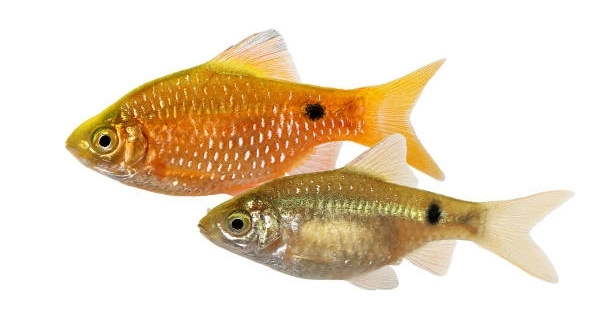
Have you ever watched your rosy barbs closely and started wondering if their playful behavior means they actually like each other—or even you?
Rosy barbs show affection through schooling, following behavior, gentle chasing, and fin flaring. These actions reflect social bonding and mild courtship, especially in well-maintained environments. Their behavior becomes more expressive when they feel secure and healthy.
These small signs tell you a lot about their social comfort and emotional well-being in your home aquarium.
Common Signs of Affection in Rosy Barbs
Rosy barbs often display affection through gentle and active swimming patterns. They tend to follow each other, swim side by side, and engage in playful chasing without aggression. These movements show comfort and trust, especially when they are kept in groups. Their schooling behavior is a key sign that they feel safe. When they favor one fish or stick close to a specific group, this can indicate stronger bonds forming. You may also notice soft fin flicking or brief nudges, which are social gestures rather than signs of conflict. Some rosy barbs even show interest in their owners by swimming near the glass when approached. These behaviors reflect social comfort, not just instinct. A calm, clean tank helps reinforce their natural desire to interact peacefully. Consistent feeding and minimal stress will keep these signs of affection regular and clear, giving you a better sense of their well-being.
Rosy barbs are naturally social fish and need a group to feel secure. When kept alone, they can become shy or stressed.
Observing these small signals can help you understand your fish better. Their behavior isn’t random—it tells you about their health and happiness. A group setting and stable environment are essential for these signs to become more visible and regular over time.
How to Encourage Affectionate Behavior
Provide a calm, clean tank with enough space for swimming. A group of five or more rosy barbs helps reduce stress and boosts their confidence.
Rosy barbs become more affectionate and social when their environment feels safe. Start with a spacious tank—at least 20 gallons for a small group. Add plants, smooth decorations, and a gentle filter to reduce sudden water movement. Keep the water temperature between 74–79°F and test water regularly. Consistency in care helps them feel comfortable. Feed them small amounts twice a day with a mix of flakes, frozen food, and live options like brine shrimp. A balanced diet improves their energy and boosts their natural behaviors. Avoid sudden tank changes or loud environments, as they can become anxious. Give them time to adapt if they’re new to the tank. Once they feel secure, their schooling and playful chasing increase. These actions are the clearest signs of their social bonding and comfort with their environment—and even with you if they start swimming toward your hand.
Other Behaviors That Show Comfort
Rosy barbs often rest calmly near plants or gently explore their surroundings when they feel relaxed. These actions show they are not stressed or threatened. Active but non-aggressive swimming patterns also signal that they are comfortable in their tank.
When rosy barbs are comfortable, they swim steadily around the tank, sometimes in small groups or pairs. They may take time to rest near decorations or plants without darting or hiding. These behaviors show a calm state. If one fish occasionally nudges another and there’s no chasing or fin damage, it usually means social interaction—not aggression. Rosy barbs also show comfort by eating consistently and showing interest during feeding times. If you walk by and they swim to the front of the tank, it’s often a sign they associate you with food and safety. These little signs help you know your tank setup is supporting their well-being.
They might also flare their fins briefly when interacting with others. This isn’t usually a threat—it’s more about social recognition. You’ll notice these behaviors more often when your tank has stable water quality, the right temperature, and a regular day-night light cycle. Avoid sudden lighting changes or loud vibrations near the tank, as these can interrupt their calm state. A predictable environment keeps them secure.
What to Avoid If You Want Affection
Avoid keeping rosy barbs alone or in groups smaller than five. They need social interaction to stay mentally healthy. A tank that’s too small or poorly maintained can also block their affectionate behavior.
Stressful environments make rosy barbs hide, dart around, or stop eating. Loud noises, aggressive tank mates, and poor water conditions will lower their comfort level. If their tank is too bright or lacks hiding spots, they’ll become nervous and less interactive. Overcrowding the tank can increase tension and prevent bonding. Make sure the filter is gentle and that water parameters stay steady. Changes in behavior, such as constant chasing or hiding, are signs that something is off. Reducing these stress factors can help them return to their natural, social state. When rosy barbs feel safe, they’ll start showing more signs of affection like group swimming, gentle following, and active feeding behavior. Clean water, space, and quiet surroundings matter more than you might think.
Signs Your Rosy Barb Is Bonding
They swim toward you during feeding times or linger at the front of the tank when you’re nearby. These small actions show familiarity. They begin to connect your presence with comfort and safety over time.
You may also notice one fish consistently swimming near another without signs of stress. Gentle fin movements and peaceful following behavior are signs of social bonding. These small actions mean they feel secure and are forming friendly patterns.
How Tank Mates Affect Affection
Rosy barbs are semi-aggressive and do best with peaceful but active fish that can keep up with their energy. Avoid pairing them with slow or long-finned fish, as barbs may nip. Good tank mates include zebra danios, cherry barbs, or platys. Their social behavior improves when they’re surrounded by compatible fish. When tank mates aren’t a good match, rosy barbs may become aggressive or withdrawn, affecting how they interact with others. A calm and well-matched tank encourages their natural affection and play. Group behavior becomes more stable, and chasing remains playful, not stressful or territorial.
Final Tip for Beginners
Watch for changes in behavior. A sudden shift often signals stress or discomfort and should be checked quickly.
FAQ
How do rosy barbs show affection toward their owners?
Rosy barbs show affection toward their owners mainly by swimming near the glass when approached, especially during feeding time. This behavior means they recognize you as a source of food and safety. Over time, they may seem more curious, following your movements outside the tank. This interaction reflects trust rather than simple instinct. The more consistent your care routine is, the more they associate you with positive experiences.
Can rosy barbs become lonely if kept alone?
Yes, rosy barbs are social fish that thrive in groups. Keeping them alone can cause stress, hiding behavior, or lethargy. They need at least five companions to feel secure and to display normal social behaviors like schooling and playful chasing. Without others, they may lose interest in their environment and reduce active behaviors that show affection.
What behaviors mean rosy barbs are stressed and not affectionate?
Signs of stress include constant hiding, rapid breathing, erratic swimming, and loss of appetite. Aggressive chasing that leads to fin damage or isolation from the group also points to stress. These behaviors show discomfort rather than affection. Stress is often caused by poor water quality, aggressive tank mates, or an overcrowded tank.
How does tank size affect rosy barb behavior?
A tank smaller than 20 gallons restricts their movement and social interactions. Limited space increases stress and aggression, reducing chances for affectionate behaviors like schooling or gentle chasing. Providing enough room helps them express natural behaviors freely, improving social bonding and overall health.
Are rosy barbs affectionate with other species?
Rosy barbs can show social behavior toward other active and peaceful fish. They may swim together or follow tank mates without aggression. However, they are less likely to form close bonds with very different species or slow-moving fish. Compatible tank mates support their social needs and encourage natural affection.
Do rosy barbs show affection differently during breeding?
Yes, during breeding, rosy barbs display more intense chasing and fin flaring. This behavior is part of courtship rather than casual affection. Males often become more colorful and active, following females closely. While this may look aggressive, it is a natural part of their reproductive behavior.
How can I tell if my rosy barbs like each other?
They will swim in coordinated groups, follow each other gently, and rest nearby without signs of aggression. Soft fin flicks and brief nudges are friendly gestures. If you notice peaceful interactions and no signs of chasing that causes injury, it means they have formed social bonds.
What should I avoid to keep rosy barbs affectionate?
Avoid overcrowding, mixing them with aggressive or slow fish, sudden water changes, and noisy environments. These factors cause stress and break social bonds. Maintaining stable water quality, gentle filtration, and a peaceful tank environment supports their natural affection and social behavior.
How important is feeding routine in encouraging affection?
A consistent feeding routine helps rosy barbs recognize you and associate your presence with positive experiences. Feeding small amounts twice daily with varied diet options improves their energy and social behavior. When they expect food regularly, they often swim near the front and interact more, showing trust and comfort.
Can rosies get attached to specific tank mates?
Yes, rosy barbs sometimes form small groups or pairs within their larger school. These close bonds appear as consistent swimming together, gentle nudging, and resting near each other. These attachments reduce stress and promote social interaction, which is key for their affection behaviors.
Is fin flaring always a sign of aggression?
No, fin flaring can be a social signal or a mild display of dominance without real aggression. When it’s brief and not followed by chasing or biting, it usually means recognition or a way to communicate presence. Constant or aggressive fin flaring with attacks signals stress or territorial disputes.
How can lighting affect rosy barb behavior?
Bright or sudden lighting changes can stress rosy barbs, causing hiding or erratic swimming. A stable day-night cycle with moderate light helps them feel secure and active. Proper lighting encourages natural behaviors like schooling and exploration, which are signs of comfort and affection.
Do rosy barbs interact with their reflections?
Sometimes rosy barbs mistake reflections for other fish and may display chasing or fin flaring toward the glass. This is not affection but a response to perceived competition or curiosity. Reducing strong reflections by adjusting tank placement or lighting can reduce this behavior.
How long does it take for rosy barbs to show affection in a new tank?
It can take days to weeks for rosy barbs to feel secure and start showing affection. This depends on water quality, tank size, group size, and stability. Patience and consistent care are essential for them to adapt and display social behaviors fully.
What role do plants and decorations play in affection?
Plants and decorations provide hiding spots and reduce stress, encouraging natural behavior. When rosy barbs feel safe, they are more likely to engage in social and affectionate actions. A well-planted tank mimics their natural environment, making them comfortable and confident.
Are rosy barbs good for beginners wanting affectionate fish?
Yes, rosy barbs are a good choice for beginners. Their active and social nature means they show clear signs of affection when cared for properly. With basic tank maintenance, regular feeding, and appropriate companions, they become lively and interactive pets.
Rosy barbs are lively and social fish that naturally show affection through their behavior. They express this affection mainly by swimming together in groups, following one another, and sometimes gently chasing or nudging. These actions are signs of comfort and trust, especially when the fish feel safe and well cared for. Watching rosy barbs interact peacefully with each other and their environment can be very rewarding. Their social nature means they need to be kept in groups to stay healthy and happy. Keeping at least five rosy barbs together helps them show more natural behaviors and makes their affection more noticeable. A proper tank setup with enough space and good water quality supports these behaviors well.
To encourage affectionate behavior in rosy barbs, it is important to maintain a stable and comfortable environment. This means providing a spacious tank, regular feeding routines, and a calm atmosphere. They prefer tanks that have plants and decorations, as these give them places to explore and hide, reducing stress. Stress can make rosy barbs hide or act aggressively, so keeping the water clean and consistent is key. Choosing compatible tank mates is also important because peaceful companions help maintain a calm group dynamic. Aggressive or slow-moving fish can cause problems and reduce rosy barbs’ natural social behavior. When these basic needs are met, rosy barbs tend to become more active and interactive, showing more affection both toward each other and toward their owners.
Understanding the small signs of affection from rosy barbs helps create a better connection with them. Actions like swimming near the glass, following each other gently, and calm resting near plants are all positive signals. These behaviors show that the fish are comfortable and confident in their home. It takes patience and consistent care to see these signs clearly. Over time, you will notice your rosy barbs becoming more lively and social, which is a good sign they are happy and well-adjusted. Paying attention to their behavior and adjusting their environment when needed helps keep these fish healthy and affectionate. This creates a more enjoyable experience for both the fish and their owner.

Hello,
If you enjoy the content that we create, please consider saying a "Thank You!" by leaving a tip.
Every little bit helps us continue crafting quality advice that supports the health, happiness, and well-being of pets around the world, for pets of all shapes, sizes, and species.
We really appreciate the kindness and support that you show us!