
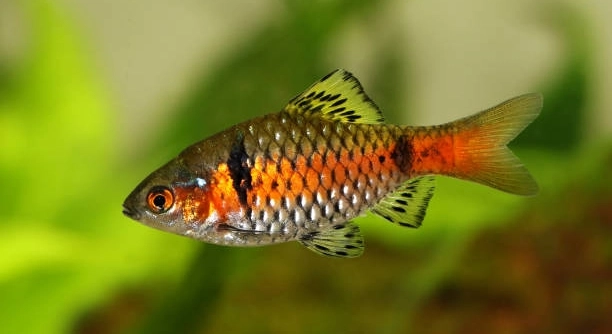
Do your rosy barbs chase and nip at their tankmates, leaving you unsure of what’s triggering their sudden aggressive behavior?
Rosy barb nipping is often caused by overcrowding, stress, territorial instincts, lack of space, improper tank mates, breeding behavior, and boredom. These triggers can lead to increased aggression, making peaceful cohabitation difficult in community aquariums.
Understanding these triggers can help you create a calmer environment and support the well-being of both your rosy barbs and their tankmates.
Overcrowding and Lack of Space
When too many fish share the same tank, rosy barbs can become territorial and aggressive. These fish are naturally active swimmers and need plenty of room to explore and move around. Without that space, their stress levels rise, and they may start nipping at other fish to defend their limited territory. A crowded tank makes it harder for fish to establish personal space, which can lead to ongoing tension. To avoid this, make sure your tank is large enough to support the number of fish you keep. A general rule is 20 gallons for a small group of rosy barbs, with extra room for tank mates. Adding plants and decorations can also help reduce direct contact by offering hiding spots and visual barriers. This setup can create a calmer environment and help prevent nipping behavior from developing or getting worse.
A spacious tank reduces the chance of conflict and keeps your fish more relaxed overall.
If your rosy barbs seem restless or aggressive, checking the tank size is a good place to start. Overcrowding often goes unnoticed, but it plays a big role in triggering unwanted behavior. By giving your fish more space and structure in their environment, you can quickly improve their behavior and interactions.
Breeding Behavior and Mating Aggression
Some rosy barbs nip more when trying to mate.
Male rosy barbs can become aggressive during breeding times. This often shows up as chasing, nipping, or trying to control certain areas of the tank. If there are too few females or limited space, males may compete more intensely, and their behavior can affect all the fish in the tank. Even outside of a breeding attempt, their natural instincts may kick in when conditions in the tank mimic those of the wild—like changes in temperature or light. To help with this, keep more females than males, and add plants or decorations that give females places to retreat. Providing a well-balanced diet also supports healthier breeding behavior. Sometimes, just adjusting the tank’s layout and conditions can reduce tension. When the fish feel secure and not forced into tight quarters, mating displays become less aggressive. This creates a more balanced atmosphere where nipping is less likely to occur.
Stress From Poor Water Conditions
Poor water quality can make rosy barbs feel stressed and more likely to nip. Dirty tanks, sudden changes in temperature, or high ammonia levels all affect their comfort and behavior. Stable, clean water is key to keeping them calm and preventing aggressive outbursts.
Rosy barbs are sensitive to changes in their environment, especially water conditions. When ammonia or nitrite levels rise, it can cause discomfort and irritation. This often leads to restlessness and aggression. Regular water testing is essential to keep these levels in check. Perform weekly water changes and avoid overfeeding, which can increase waste buildup. A good filter helps too, as it keeps the water clean and oxygen-rich. Keep the tank temperature stable between 72–78°F and avoid sudden changes. Fish kept in poor water often show other signs of stress as well, like rapid gill movement or faded color. These conditions directly impact their behavior.
Nipping in rosy barbs may simply be their way of responding to discomfort caused by poor water. Just like people can get irritable when they’re uncomfortable, fish do the same. Clean water helps your rosy barbs feel more relaxed and less aggressive. If you notice sudden aggression, check your tank’s water right away.
Boredom and Lack of Stimulation
Rosy barbs are active swimmers that enjoy having space to explore. When their environment lacks enrichment, they may nip out of boredom. Fish kept in bare tanks with little to do often find other fish more interesting than they should.
Adding visual stimulation and physical structures to your tank can keep rosy barbs entertained. Try live plants, caves, rocks, or driftwood. Rearranging the tank occasionally can also help spark their curiosity and reduce unwanted behavior. Rosy barbs are social and intelligent, so they need activities to keep them engaged. Fast-moving water currents or floating toys can give them something else to focus on. Even something simple, like placing the tank near movement or adding a background, can make a difference. If your fish have enough space and things to interact with, they are less likely to chase or nip at others. A more engaging tank leads to calmer, happier fish.
Incompatible Tank Mates
Rosy barbs can nip at slower or long-finned fish like bettas or angelfish. These tank mates often can’t escape quickly and may become constant targets. Choosing the wrong companions can create ongoing tension and stress for everyone in the tank.
Pick active, similarly sized fish that can keep up with rosy barbs. Avoid fish with flowing fins or timid personalities. Good tank mates include danios, tetras, and other fast swimmers. Matching energy levels helps reduce nipping and keeps the tank peaceful.
Territorial Behavior
Rosy barbs may claim certain areas in the tank and become aggressive if others enter them. This often happens when space is limited or when decorations create tight corners. Giving them more swimming room and breaking line of sight helps reduce this behavior.
Improper Group Size
Keeping too few rosy barbs can increase aggression.
Rosy barbs are schooling fish, and they feel most secure in groups of at least five to six. When kept alone or in small numbers, they often become anxious or overly dominant, which can show up as nipping. A proper group size allows them to interact naturally, spread out aggression, and feel safer overall.
Sudden Environmental Changes
Any sudden change in lighting, temperature, or tank setup can stress rosy barbs.
Fish notice even small shifts in their surroundings. Quick changes in their routine or setup can trigger anxiety and lead to nipping behavior. Try to keep their environment as consistent as possible to avoid upsetting their balance.
FAQ
Why do rosy barbs nip more at certain times?
Rosy barbs often nip more during stressful periods like breeding season or after sudden changes in their environment. Changes in water quality, temperature, or lighting can cause anxiety, triggering increased aggression. Overcrowding or new fish introductions may also make them feel threatened, raising nipping behavior temporarily.
How can I tell if my rosy barbs are stressed?
Signs of stress in rosy barbs include faded colors, rapid gill movement, hiding, loss of appetite, and erratic swimming. When stressed, they may nip more or show signs of fatigue. Testing water quality and checking tank conditions can help identify stress sources before it worsens.
What is the best tank size for rosy barbs to reduce nipping?
A minimum of 20 gallons is recommended for a small group of rosy barbs (5-6 fish). Larger tanks provide space for swimming and territory, reducing competition and aggression. More space helps break line of sight and lowers stress, which lessens nipping incidents.
Can adding plants really help with nipping behavior?
Yes, plants and decorations provide hiding spots and visual barriers, helping reduce stress and aggression. They break up open spaces, so fish don’t feel constantly exposed. This makes the tank feel more natural and calm, leading to less nipping.
Should I separate nippy rosy barbs from the rest of the tank?
Separating aggressive fish can sometimes be a quick fix but isn’t always the best long-term solution. It’s better to address the root causes, like overcrowding or poor water conditions. However, if a fish is severely injured or stress levels remain high, temporary separation may be necessary.
Does diet affect nipping behavior?
A poor diet can increase stress and aggression in rosy barbs. Providing a balanced diet with quality flakes, pellets, and occasional live or frozen foods helps keep fish healthy and less aggressive. Avoid overfeeding, as it leads to water quality issues that can trigger nipping.
Is it normal for rosy barbs to nip each other?
Some nipping is natural, especially during dominance displays or establishing hierarchy. However, constant or severe nipping indicates a problem like overcrowding or stress. Monitoring their behavior helps decide when intervention is needed.
Can changing tank mates stop nipping?
Yes, choosing compatible tank mates can reduce aggression. Avoid slow or long-finned fish that can’t escape easily. Fast, active fish with similar temperaments tend to get along better with rosy barbs, lowering the chance of nipping.
How often should I test water to prevent stress-related nipping?
Weekly water tests are recommended to monitor ammonia, nitrites, nitrates, and pH. Keeping water stable and clean helps prevent stress that leads to nipping. Regular water changes and proper filtration are important too.
What should I do if nipping causes injuries?
If nipping results in injuries, isolate the affected fish to allow healing. Improve tank conditions by checking water quality, reducing overcrowding, and adding plants for cover. Treat wounds with aquarium-safe medications if needed to prevent infections.
Can nipping be completely eliminated?
While it’s difficult to stop all nipping since some is natural, addressing triggers like overcrowding, poor water quality, and incompatible tank mates greatly reduces it. Creating a stable, enriched environment keeps rosy barbs calmer and less likely to nip excessively.
Is it okay to keep only two rosy barbs?
Keeping just two rosy barbs isn’t ideal. They are schooling fish and feel safer in groups. Small numbers can lead to increased aggression and stress. Groups of five or more encourage social behavior and lower nipping chances.
What role does tank layout play in controlling nipping?
Tank layout is important because open tanks encourage territorial disputes. Adding plants, rocks, and decorations creates separate zones and hiding spots, which reduce direct confrontation. Rearranging the layout periodically can also keep fish engaged and less aggressive.
Are there signs that a rosy barb is the main aggressor?
An aggressive rosy barb often chases others persistently, nips frequently, and may guard certain areas of the tank. Observing your fish closely helps identify if one is causing most of the trouble. Addressing the behavior early can prevent injuries.
Can lighting affect nipping behavior?
Yes, sudden or very bright lighting can stress fish and increase aggression. Keeping a consistent light schedule with gradual transitions helps maintain calmness. Using floating plants or dimmers can soften harsh lighting.
Does temperature impact aggression in rosy barbs?
Temperature changes can raise stress and aggression. Rosy barbs thrive between 72–78°F; fluctuations outside this range make them irritable and more prone to nipping. Keeping a stable temperature is essential for peaceful behavior.
How can I introduce new fish without causing nipping?
Introduce new fish slowly by quarantining them first and using a tank divider initially. This allows fish to get used to each other’s presence without direct contact. Adding new fish during feeding times can also reduce aggression.
Are juvenile rosy barbs less aggressive?
Juveniles usually nip less as they haven’t established territories or hierarchies yet. Aggression tends to increase as they mature. Providing ample space and groups helps manage behavior as they grow.
Can stress from illness cause nipping?
Yes, sick fish can become more aggressive or defensive, leading to increased nipping. Regular health checks and early treatment prevent stress-related aggression. Healthy fish are generally calmer and less likely to nip.
What can I do if all else fails to reduce nipping?
If problems persist, consider consulting a local aquarium expert or vet. Sometimes, hidden issues like parasites or tank incompatibility cause aggression. Professional advice can help find solutions tailored to your setup.
When caring for rosy barbs, understanding what causes their nipping behavior is important for a peaceful tank. Many factors can lead to this issue, from overcrowding and poor water conditions to boredom and incompatible tank mates. Each of these triggers adds stress to the fish, which can cause them to act aggressively toward others. By recognizing these causes, you can take steps to improve the environment and reduce nipping. This helps make the aquarium a safer, calmer space for all your fish.
Keeping the tank clean and properly sized is one of the simplest ways to reduce aggression. Regular water changes, good filtration, and stable temperature create comfortable conditions for rosy barbs. Providing enough room for swimming and hiding spots helps them feel less threatened. Adding plants or decorations gives them places to explore and retreat when needed. These small changes can make a big difference in lowering stress and stopping aggressive behavior before it starts.
Finally, remember that some nipping is natural, especially during breeding or when fish establish hierarchy. However, constant or severe nipping signals a problem that needs attention. Make sure your rosy barbs have enough companions, a proper diet, and a well-maintained environment. Monitoring their behavior and acting early can prevent injuries and improve their quality of life. With patience and care, you can enjoy watching your rosy barbs thrive peacefully together in your aquarium.

Hello,
If you enjoy the content that we create, please consider saying a "Thank You!" by leaving a tip.
Every little bit helps us continue crafting quality advice that supports the health, happiness, and well-being of pets around the world, for pets of all shapes, sizes, and species.
We really appreciate the kindness and support that you show us!