
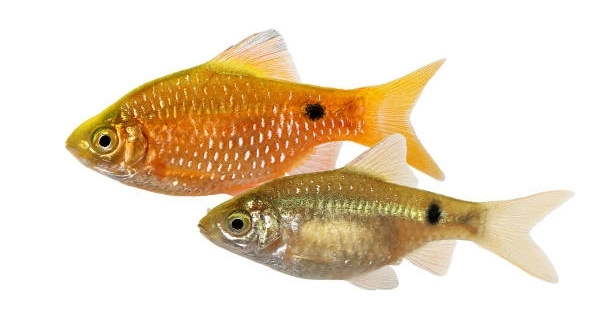
Rosy barbs are popular aquarium fish known for their vibrant colors and lively nature. Many owners notice some behaviors that seem unusual but are perfectly harmless. These actions often reflect natural instincts or simple communication among the fish.
Several unique behaviors of rosy barbs, such as fin flicking, darting, or nibbling on plants, serve natural purposes like social interaction, stress relief, or territory marking. These actions are normal and do not indicate illness or aggression.
Recognizing these behaviors helps create a better environment for your fish and deepens your understanding of their needs and habits.
Fin Flicking and Its Meaning
Fin flicking is a common behavior among rosy barbs. You might see them rapidly moving their fins back and forth, almost like a quick shake. This action can indicate excitement or a way to get attention from other fish. It also helps them adjust their balance and movement in the water. Sometimes fin flicking happens when the fish feel a little stressed or when they want to communicate with others nearby. This movement is natural and shows that the fish are active and alert. There is no need to worry if your rosy barbs display this behavior regularly, as it is part of their normal routine. Fin flicking may also help remove small particles from their fins, keeping them clean.
Fin flicking can be seen as a healthy sign. It indicates that your fish are comfortable and responding to their environment.
Understanding fin flicking allows you to better observe your fish’s mood and well-being. Watching these little signals can help you ensure their habitat stays ideal and their social interactions remain positive.
Darting Movements
Darting is a quick, sudden swim across the tank. This behavior is often a reaction to something new or a way to explore. Rosy barbs dart to stay alert and active.
Darting serves several purposes. It is a natural response to stimuli, like changes in light or nearby movement. The quick swims also help the fish exercise and maintain agility. In groups, darting can establish social order or signal playfulness. While it might look like panic, darting is usually harmless and normal. If the darting becomes frantic or constant, however, it might mean the fish feel threatened or stressed. Making sure the tank has enough hiding places and stable water conditions can reduce excessive darting. Proper tank setup encourages calm and natural activity, keeping your rosy barbs happy and healthy over time.
Nibbling on Plants
Nibbling on plants is a natural behavior for rosy barbs. They often explore their environment by taking small bites of plant leaves. This helps them find food and sometimes relieves boredom.
Nibbling is not usually harmful to healthy plants. Rosy barbs use their mouths to interact with tank decor, and gentle grazing can even help with plant growth by removing dead tissue. However, if nibbling becomes excessive, it could indicate a lack of proper nutrition or insufficient tank stimulation. Adding more varied foods and decorations may reduce this behavior. Observing your fish’s nibbling habits helps ensure they get balanced nutrition and stay engaged in their habitat.
It’s important to provide both live and artificial plants. This way, your rosy barbs can satisfy their need to nibble without damaging valuable live plants, maintaining a healthy and attractive aquarium.
Social Chasing
Social chasing is common among rosy barbs. It often appears as one fish following another quickly around the tank. This behavior establishes hierarchy without causing harm.
Chasing is a form of social interaction that helps maintain order within the group. It can look aggressive but usually does not lead to injury. In fact, it encourages physical activity and mental stimulation. Rosy barbs chase to test each other’s strength and establish territory. The behavior is more frequent in smaller tanks where space is limited. Providing ample swimming room and hiding spots can help reduce excessive chasing. Watching this behavior helps understand your fish’s social dynamics and ensure a balanced environment where all fish feel secure.
Resting in Odd Positions
Rosy barbs sometimes rest in unusual spots or angles. This behavior helps them conserve energy while staying alert to their surroundings.
Resting in these positions is normal and shows the fish feel safe. It allows them to take breaks without fully hiding or leaving the group.
Bubble Blowing
Bubble blowing occurs when rosy barbs release air bubbles from their mouths. This action is part of their natural breathing process and environmental interaction.
Fish may blow bubbles to help clear their gills or adjust buoyancy. In well-maintained tanks, this behavior is harmless and adds interest to their activity.
Tail Flicking
Tail flicking is a quick movement of the tail fin. It helps rosy barbs communicate and maintain balance as they swim in the tank.
What does it mean when rosy barbs swim rapidly?
Rapid swimming in rosy barbs can indicate excitement, playfulness, or a reaction to changes in the environment. This behavior is common when they notice movement outside the tank or during feeding time. It is usually harmless unless it becomes constant or frantic, which might suggest stress or poor water conditions. Regular water changes and a calm environment help maintain healthy activity levels.
Why do rosy barbs sometimes hide for long periods?
Hiding is a natural behavior that helps rosy barbs feel safe. They may seek shelter behind plants, rocks, or decorations when feeling threatened or during rest. Long hiding can also happen if the fish are new to the tank or adjusting to water parameters. Ensuring stable water quality and providing plenty of hiding spots encourages them to feel secure and reduce stress.
Is it normal for rosy barbs to nip at each other?
Nibbling or nipping is part of social behavior and establishing hierarchy within the group. Mild nipping is typical and usually does not harm the fish. However, aggressive or persistent biting can cause injuries and stress. Keeping the tank spacious and well-planted helps reduce aggressive interactions by providing escape areas.
Why do rosy barbs sometimes jump out of the tank?
Jumping can occur due to sudden fright, poor water quality, or lack of oxygen. It is a survival instinct to escape uncomfortable conditions. Always use a secure lid to prevent escapes and regularly test water parameters to keep the environment safe. Improving water quality and reducing sudden disturbances will minimize jumping behavior.
What causes rosy barbs to flash their fins?
Flashing or flicking fins is a form of communication or a way to remove irritants. It may indicate excitement, mild irritation, or social signaling. If accompanied by rubbing against surfaces, it might point to parasites or skin issues. In healthy tanks, fin flicking is a harmless and common behavior.
Do rosy barbs need to be in groups?
Yes, rosy barbs are schooling fish and feel most comfortable in groups of five or more. Being in a group reduces stress and encourages natural behaviors such as chasing and social interactions. Keeping them in groups improves their health and happiness.
How can I tell if rosy barb behavior is harmful or normal?
Normal behavior includes fin flicking, chasing, nibbling plants, and resting in unusual spots. Harmful behavior shows as constant frantic swimming, aggressive biting causing injury, or prolonged hiding with signs of illness. Monitoring your fish closely and maintaining proper tank conditions helps distinguish between normal and problematic behaviors.
Why do rosy barbs sometimes blow bubbles?
Bubble blowing is a natural action that helps with breathing and buoyancy control. It often occurs when fish adjust to their environment or during feeding. It is harmless and part of their regular activity, adding a lively element to the tank.
What should I do if rosy barbs chase each other too much?
Excessive chasing can cause stress and injury. To reduce this, increase tank size, add more plants or decorations for hiding, and ensure there are enough fish to spread social attention. Avoid overcrowding and check water quality, as poor conditions can increase aggression.
Can rosy barbs recognize their owners?
While rosy barbs do not recognize owners as pets do, they can learn to associate humans with feeding times. They may swim excitedly near the tank glass when approached, showing conditioned responses to routine care.
How important is tank setup for rosy barb behavior?
Tank setup greatly influences behavior. Proper space, hiding spots, and water quality reduce stress and encourage natural activity. A well-planted tank with stable conditions supports healthy social interactions and reduces harmful behaviors like excessive chasing or darting.
Do rosy barbs communicate with each other?
Yes, through body language such as chasing, fin flicking, and positioning. These behaviors establish social hierarchy, signal stress, or coordinate group movement. Understanding these signals helps maintain a peaceful tank environment.
What does it mean when rosy barbs hover near the surface?
Hovering near the surface can indicate low oxygen levels or water quality issues. It can also be a normal behavior if the fish are feeding or resting. Regular water testing and aeration ensure the environment remains healthy and comfortable for the fish.
Why do rosy barbs nibble on tank decorations?
Nibbling on decorations mimics their natural foraging behavior. It helps keep them active and reduces boredom. Providing a variety of safe plants and objects to explore satisfies this instinct without damaging important tank elements.
How long do rosy barbs live, and does behavior change with age?
Rosy barbs live about 5 to 7 years with proper care. As they age, they may become less active and chase less frequently. Older fish often rest more and display calmer behaviors, which is normal with age progression.
These answers cover common questions about rosy barb behaviors, helping maintain a healthy and balanced aquarium environment. Observing these habits carefully supports better care and enjoyment of these lively fish.
The behaviors of rosy barbs can sometimes seem unusual, but most of them are harmless and part of their natural way of living. From fin flicking to nibbling on plants, these actions help the fish communicate, explore, and stay healthy. Understanding these behaviors is important for anyone who keeps rosy barbs because it helps recognize what is normal and what might need attention. Knowing the difference can prevent unnecessary worry and ensure the fish live comfortably in their tank.
Proper care and tank setup are essential to support healthy behaviors in rosy barbs. Giving them enough space, providing hiding spots, and maintaining good water quality create an environment where the fish feel safe and active. When the tank conditions are stable, rosy barbs show their natural behaviors without signs of stress or aggression. Observing the fish regularly allows owners to spot changes early and make adjustments if needed. This attention keeps the fish happy and contributes to their long-term health.
Paying close attention to your rosy barbs’ actions helps build a better relationship with them. Their behaviors tell a story about their mood, needs, and social interactions. By learning to read these signals, you can provide care that suits their natural instincts. This understanding makes keeping rosy barbs more rewarding and ensures a peaceful, lively aquarium. Taking time to watch and understand your fish leads to a more balanced and enjoyable experience for both you and your aquatic pets.

Hello,
If you enjoy the content that we create, please consider saying a "Thank You!" by leaving a tip.
Every little bit helps us continue crafting quality advice that supports the health, happiness, and well-being of pets around the world, for pets of all shapes, sizes, and species.
We really appreciate the kindness and support that you show us!