
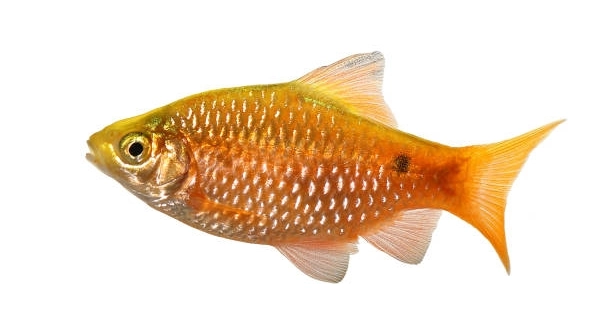
Rosy barbs are colorful freshwater fish popular in home aquariums. They are known for their lively behavior and active swimming patterns. Sometimes, they chase other fish in their tank, which can puzzle many hobbyists.
Rosy barbs chase other fish primarily due to their natural territorial instincts, social dominance behaviors, and high energy levels. These behaviors help them establish hierarchy and secure resources within a shared environment. Stress and environmental factors can also influence their chasing tendencies.
Understanding why rosy barbs chase others helps create a calmer aquarium environment and supports better care for all fish involved.
Natural Territorial Behavior
Rosy barbs have a strong sense of territory. In a shared tank, they naturally claim spaces as their own and protect these areas from other fish. This behavior is common among many fish species to ensure access to food and shelter. When a rosy barb sees another fish close to its space, it may chase it away to defend its spot. This chasing can look aggressive but is mostly about maintaining boundaries. In smaller tanks or crowded environments, territorial behavior can become more noticeable and frequent. Providing enough space and hiding spots helps reduce these encounters and keeps the fish calmer overall.
Territorial behavior is important for rosy barbs to feel secure in their environment and avoid constant stress from nearby fish.
To lessen territorial chasing, aquarists should offer larger tanks with plenty of plants and decorations. This setup creates natural boundaries and hiding places, reducing direct confrontations. Maintaining stable water conditions also supports peaceful behavior by minimizing stress. Understanding how territory affects fish behavior helps create a healthier, more balanced aquarium for rosy barbs and their tank mates.
Social Hierarchy and Dominance
Rosy barbs live in groups where a social order quickly forms. In this hierarchy, more dominant fish assert themselves by chasing others. This behavior establishes who leads and who follows, which helps keep the group organized. When a new fish is introduced or when the group changes, chasing may increase temporarily as the fish sort out their ranks. While it can seem harsh, this is a natural way for rosy barbs to manage their social interactions. Dominance chasing is usually brief once roles are settled. Recognizing these social dynamics is key to managing peaceful community tanks with rosy barbs.
Maintaining stable groups with enough space helps reduce dominance chasing. Introducing new fish slowly and monitoring interactions can prevent long-term aggression. Ensuring a calm social environment promotes healthy relationships within the group.
High Energy and Playfulness
Rosy barbs are very active and energetic fish. Their chasing often comes from playfulness rather than aggression.
This high energy level means rosy barbs swim quickly and interact a lot with tank mates. They chase other fish to engage and burn off energy. This playful behavior is normal and healthy if it doesn’t lead to injury. Having enough swimming space helps them stay active without stressing other fish. Providing a varied environment with plants and hiding spots balances their energy and keeps the tank peaceful.
Playful chasing also helps rosy barbs practice natural behaviors. It encourages social bonds and keeps them mentally stimulated. Recognizing when chasing is playful rather than aggressive allows you to better manage their tank conditions for everyone’s benefit.
Stress and Environmental Factors
Stress increases chasing behavior in rosy barbs. Poor water quality, overcrowding, or sudden changes cause stress and make fish more aggressive.
When stressed, rosy barbs become restless and more likely to chase others to defend themselves or release tension. Tanks with unstable conditions cause constant stress, increasing this behavior. Overcrowded tanks limit personal space, leading to frequent chasing and fights. Changes like new fish, rearranged decorations, or fluctuating water temperature also disrupt their calm. Monitoring water quality regularly and avoiding overcrowding reduces stress and promotes peaceful interactions. Keeping a stable environment is crucial for controlling chasing caused by stress.
Recognizing environmental triggers helps prevent unnecessary aggression. Addressing these factors improves fish health and creates a more harmonious aquarium where rosy barbs and other fish coexist comfortably.
Mating Behavior
Chasing increases during breeding season as rosy barbs compete for mates. Males often chase females to show interest or to ward off rivals.
This behavior is natural and usually less aggressive than territorial chasing. It signals readiness to breed and is temporary during mating periods.
Lack of Space
A crowded tank limits movement and increases chasing. Rosy barbs need room to swim freely to reduce stress and aggression.
Ensuring enough space per fish helps minimize chasing and creates a more balanced environment. Proper tank size and setup are essential for their well-being.
Feeding Competition
Rosy barbs chase others to compete for food. During feeding, faster or more aggressive fish try to get the best share.
This competition can cause stress if food is limited. Offering multiple feeding spots and enough food helps reduce chasing related to feeding time.
Personality Differences
Individual rosy barbs have different temperaments. Some are naturally more dominant or energetic, which can lead to more chasing.
Recognizing these personality traits helps in managing group dynamics. Sometimes separating overly aggressive fish is necessary for peace.
Why do rosy barbs chase other fish so much?
Rosy barbs chase other fish mainly because of their natural instincts like territorial behavior, social dominance, and high energy levels. They use chasing to establish hierarchy and secure their space within the tank. Stress and environmental factors can make this behavior more intense. When a rosy barb feels threatened or crowded, chasing is a way to protect itself. Sometimes, chasing happens out of playfulness or during mating seasons. Recognizing the reason behind the chasing helps in managing their behavior better.
Is chasing by rosy barbs harmful to other fish?
Chasing can be harmful if it becomes aggressive or constant. It may cause stress, injury, or exhaustion in the chased fish. However, some chasing is normal and part of natural interactions. If chasing seems to cause damage or disrupt tank harmony, it is important to address the cause by adjusting tank conditions, space, or fish groups. Providing hiding spots and stable water conditions reduces harm.
How can I reduce chasing behavior in my rosy barbs?
To reduce chasing, make sure the tank is large enough with plenty of swimming space. Add plants, decorations, and hiding spots to break lines of sight and create natural boundaries. Keep water conditions stable and avoid overcrowding. Introduce new fish slowly and monitor social dynamics. Feeding fish in multiple locations also lessens competition. Sometimes separating aggressive individuals helps maintain peace.
Does the size of the tank affect chasing?
Yes, tank size strongly affects chasing. Smaller tanks limit space, making fish feel crowded and stressed. This increases territorial and dominance behaviors like chasing. Larger tanks give rosy barbs room to swim, explore, and avoid constant contact, reducing chasing. Experts recommend at least 20 gallons for a small group and more for bigger groups. Proper space supports healthier, calmer fish.
Are rosy barbs aggressive by nature?
Rosy barbs have moderate aggression, mostly due to their social and territorial instincts. They are active and sometimes chase tank mates but usually do not cause serious harm if conditions are good. Aggression can increase due to stress, overcrowding, or competition. Understanding their natural behavior helps in managing aggression and maintaining a peaceful tank.
Can chasing be a sign of illness or stress?
Yes, increased chasing can signal stress or illness. Poor water quality, sudden changes, or overcrowding cause stress, making fish more aggressive. Sick fish may also act differently, provoking chasing or being chased. Regularly test water, keep tanks clean, and observe fish behavior. Addressing stress and health issues early prevents excessive chasing and harm.
What role does feeding play in chasing behavior?
Feeding time often triggers chasing because fish compete for food. Rosy barbs can become more aggressive if food is limited or feeding spots are crowded. Providing enough food in several places reduces competition and chasing. Slow, steady feeding also helps fish settle and decreases stress during mealtime.
Is it normal for rosy barbs to chase during breeding?
Yes, chasing is common during breeding seasons. Males chase females to show interest or compete with other males. This behavior is temporary and less aggressive than territorial chasing. It is part of their natural reproductive behavior and usually subsides after mating.
How do personality differences affect chasing?
Individual rosy barbs have different temperaments. Some are naturally dominant or more energetic, which leads to more chasing. Recognizing these personality differences is important for managing group dynamics. In some cases, separating overly aggressive fish creates a healthier tank environment.
What can I do if chasing causes injury?
If chasing leads to injury, immediate action is needed. Isolate injured fish for recovery and check water quality to prevent infection. Increase hiding spots and space to reduce chasing. If aggression continues, consider rearranging the tank or removing aggressive individuals. Maintaining calm conditions helps prevent future injuries.
Can other fish types influence chasing behavior of rosy barbs?
Yes, tank mates can influence chasing. Aggressive or fast-moving fish may provoke chasing, while peaceful species help reduce tension. Choosing compatible fish species is important to keep harmony. Avoid mixing overly aggressive or territorial fish with rosy barbs to minimize conflict.
How long does chasing behavior last?
Chasing behavior varies depending on the cause. Territorial or social dominance chasing can last until hierarchy is established, usually a few days to weeks. Mating-related chasing is temporary during breeding seasons. Playful chasing may happen often but is generally harmless. Stress-induced chasing lasts as long as stress factors remain. Managing tank conditions helps shorten chasing periods.
Rosy barbs are lively fish with natural behaviors that sometimes include chasing other fish. This chasing is mostly about their instincts to protect territory, establish social order, and express energy. It is a normal part of how they interact within their tank environment. While it may seem concerning at times, chasing is often not a sign of serious aggression but a way for rosy barbs to communicate and organize their space. Understanding these behaviors helps in managing a healthy aquarium where all fish can live comfortably.
Managing chasing behavior means paying attention to the tank setup and conditions. Providing enough space and hiding places reduces stress and prevents overcrowding, which are common reasons for chasing. Maintaining good water quality and a stable environment also supports calmer fish. Feeding the fish well and in different spots helps avoid competition that can lead to chasing. If chasing becomes too intense or leads to injury, adjustments like separating aggressive fish or changing the tank layout may be necessary. These steps help create a peaceful community where rosy barbs and their tank mates can thrive together.
Overall, rosy barbs are active and social fish whose chasing behavior is mostly natural and manageable. Watching how they behave and knowing the reasons behind chasing allows for better care. By making simple changes to the tank and keeping stress low, you can enjoy the lively nature of rosy barbs without worrying about constant chasing. This balance benefits not just the rosy barbs but the entire aquarium community, leading to a more pleasant and healthy environment for all.

Hello,
If you enjoy the content that we create, please consider saying a "Thank You!" by leaving a tip.
Every little bit helps us continue crafting quality advice that supports the health, happiness, and well-being of pets around the world, for pets of all shapes, sizes, and species.
We really appreciate the kindness and support that you show us!