
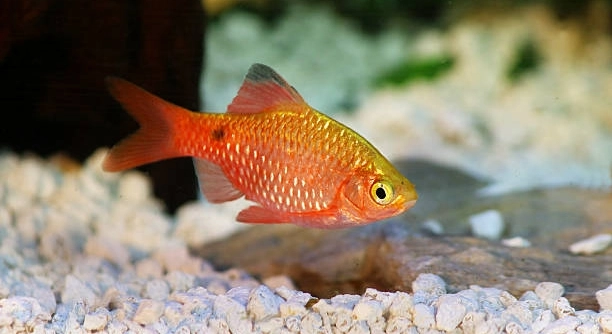
Do you ever find yourself watching your rosy barbs swim and wondering if there’s more to their movements than just chance?
Rosy barbs tend to follow each other due to a natural behavior known as shoaling. This instinct helps them feel safer, reduces stress, and improves their chances of survival in both wild and captive environments.
There’s more to this behavior than simple group swimming, and understanding it can give you new insight into how rosy barbs interact with one another.
Why Rosy Barbs Swim in Groups
Rosy barbs are naturally social fish. In the wild, they group together for safety and support. This behavior, known as shoaling, helps them avoid predators, stay calm, and swim more efficiently. In home aquariums, they still show the same behavior. Even without threats, being near others helps them feel secure. You might notice one fish moving in a certain direction and others quickly following—this is normal. It’s a sign of strong group instincts. When kept alone, rosy barbs can become anxious or inactive. That’s why it’s best to keep them in small groups. Watching them interact can be enjoyable and even calming. Their movements often seem coordinated, like a little underwater dance. This isn’t just random swimming; it’s a behavior rooted in survival.
Rosy barbs follow one another closely because it helps them feel safe. The presence of other fish gives them confidence and a sense of balance in their environment.
Group swimming also helps reduce aggression. When rosy barbs are kept in numbers, no single fish becomes too dominant or stressed. This balance leads to a more peaceful tank. When fish feel stable, their colors brighten and their energy levels improve. You may even notice them exploring more often or eating better. They feel less exposed when surrounded by others. In the wild, this behavior helps them blend in with a group and avoid standing out to predators. In a tank, while the risk is gone, the habit remains. It’s how they’re wired. So if you’ve seen your rosy barbs tagging along behind each other, it’s not random—it’s part of their natural design. Giving them space to swim and enough companions to feel secure will keep them active and healthy.
How Environment Affects Their Behavior
Tank setup can influence how often rosy barbs follow one another. A cramped, bare space might cause stress, while a more open, planted tank supports group movement.
A well-planned tank encourages natural behaviors. Rosy barbs need room to swim freely, especially if kept in groups of five or more. Open space helps them form loose patterns and swim in unison without feeling crowded. Plants and decorations can create hiding spots, but too much clutter breaks up their movement and may make them anxious. Balanced lighting and proper water flow also make a difference. A gentle current gives them something to move against, making swimming feel more purposeful. Water temperature, pH, and cleanliness should stay consistent, as changes can disrupt their calm behavior. It’s also helpful to observe how they respond to changes in their surroundings. When conditions are right, they become more relaxed and active. Their natural instinct to follow one another becomes clear and easy to notice.
What Triggers Following Behavior
Rosy barbs often start following each other when one fish becomes more active or curious. This behavior can be triggered by food, changes in lighting, or a shift in water flow inside the tank.
Feeding time is one of the most common triggers. When one rosy barb notices food, it quickly moves toward it. The others then follow, trusting that something worthwhile is happening. This isn’t just about hunger—it’s about trust within the group. Any sudden change in the environment, like a person walking by or a shadow passing, can also spark a group reaction. If one fish reacts, the rest follow, mimicking the same path or movement. This reaction is quick and automatic. It’s part of how they stay alert and responsive. Their shared movements help create a stronger sense of unity and comfort, especially in tanks where outside movement is frequent.
Light changes and water flow also influence this following behavior. Rosy barbs may swim together toward brighter areas or move with the current if it shifts. They use these external changes to guide their group behavior. Even simple things like bubbles from an air stone can catch one fish’s attention, prompting others to investigate. This kind of following is a way to stay connected and aware of their space. It keeps the group informed and synchronized. If one fish notices something unusual or interesting, it alerts the others without needing any signals. This natural rhythm helps the tank feel more stable and encourages healthy, active movement among the whole group.
When Following Becomes a Problem
If one fish becomes too dominant or aggressive, the others may follow out of stress rather than comfort. This can lead to chasing, hiding, or uneven eating. Watch for signs like torn fins or sudden changes in behavior.
When following turns into stressful behavior, it’s usually a sign something’s wrong in the tank setup or group dynamic. Too few fish can increase tension. A group of three, for example, often leads to one fish being left out or bullied. Adding more rosy barbs can spread attention and help everyone feel more at ease. It’s also important to provide enough swimming space and hiding spots to break up visual lines. If one fish is constantly leading with speed or aggression, the others may struggle to relax. In that case, separating the aggressive fish or rearranging the tank can help. Sometimes, adding more plants or decorations can ease tension by giving fish more personal space.
Shoaling vs Schooling
Shoaling means the fish stay near each other for social reasons, while schooling is more about swimming in a tight, coordinated pattern. Rosy barbs usually shoal rather than school, especially in calm, stable tank environments.
Shoaling allows rosy barbs to feel safe without needing to match each other’s exact movements. Schooling, on the other hand, usually happens when they feel threatened or startled.
Tips to Support Natural Behavior
To help rosy barbs feel comfortable shoaling, keep them in groups of at least five. Choose a tank with plenty of swimming room and soft lighting. Plants along the edges allow for hiding without breaking up the open space. Avoid placing them with overly aggressive fish. Stable water conditions also support group behavior.
Signs of Healthy Following
Healthy following looks calm and steady, with fish swimming side by side or casually trailing one another. There’s no chasing, hiding, or darting.
FAQ
Do rosy barbs get lonely if kept alone?
Yes, rosy barbs can become stressed and withdrawn when kept alone. They are naturally social fish and rely on the presence of others to feel safe. A single rosy barb may stop swimming actively, hide more often, and even eat less. These are signs of emotional stress. Keeping them in a group of at least five helps maintain their well-being. The group provides comfort, encourages movement, and promotes healthy interactions. It also reduces the chances of boredom or aggression, which can show up when a fish doesn’t have enough stimulation or company in the tank.
Why do they sometimes chase each other?
Chasing can happen for several reasons. Sometimes it’s harmless, especially during feeding or when exploring new tank areas. However, it can also be a sign of stress, overcrowding, or one fish trying to dominate the others. If chasing is frequent and leads to hiding or damaged fins, it’s worth checking tank size, water quality, and group numbers. Adding more space, decorations, or even increasing the group size can help. Rosy barbs tend to be more peaceful when they don’t feel confined or threatened. A well-balanced environment is key to preventing rough behavior.
Can rosy barbs live with other fish?
Yes, rosy barbs are considered community fish, meaning they generally do well with other peaceful, fast-swimming species. However, they can sometimes nip slower or long-finned tank mates, especially if bored or under-stimulated. It’s best to house them with similarly active fish like danios, rasboras, or larger tetras. Avoid pairing them with slow or delicate species like bettas or fancy guppies. Proper tank size, group numbers, and regular feeding can keep their energy focused and reduce the chance of conflict. Watching their interactions helps you decide if tank mates are a good match.
Do males and females follow each other differently?
Males can be more active and may sometimes chase females during breeding displays. This isn’t the same as group-following behavior and can look more intense. Females tend to shoal more calmly, sticking closer to each other in a steady way. If you have multiple males, they may show off or nudge one another to compete for attention. As long as there’s no constant stress or injury, this is normal. Keeping a balanced ratio of males to females (ideally more females) helps keep interactions smooth and the group calm overall.
What’s the best group size for rosy barbs?
The best group size is five or more. Smaller groups can lead to stress, bullying, or isolation. With five or more, the fish spread their attention and feel safer. They’re more likely to shoal calmly and explore their surroundings. In larger tanks, you can keep even more. Just make sure the tank has enough space—at least 20 to 30 gallons for a group of five. Extra room helps reduce territorial behavior and allows for more natural movement. It’s also easier to keep water conditions stable when the tank isn’t overcrowded.
How can I tell if following behavior is healthy?
Healthy following looks relaxed. The fish move smoothly, sometimes side by side or trailing one another without rushing. There’s no sudden darting, fin nipping, or hiding. If they swim together without signs of tension, it usually means they feel safe and content. Their colors also stay bright, and they respond well during feeding. Unhealthy behavior often involves one fish being singled out, chased, or constantly hiding. These are signs to check your tank setup, group size, or possible stress triggers. A calm, active group is a good sign everything is working well in the tank.
Do rosy barbs need hiding spots if they prefer to follow each other?
Yes, even social fish need places to retreat. While they enjoy open space for swimming and following, hiding spots help them feel safe during rest or when startled. Plants, driftwood, or small caves along the tank edges give them options without disrupting group movement. A good balance of open space and cover makes the tank feel secure without interfering with their natural behavior. Hiding spots are especially important if one fish feels overwhelmed, giving it space to recharge before rejoining the group. It also helps reduce aggression and keeps the group dynamic healthier overall.
Final Thoughts
Rosy barbs are naturally social fish that prefer to be in groups. Their following behavior isn’t random—it’s a part of how they stay safe, comfortable, and active. In the wild, staying close to others helps them avoid danger. In a tank, this behavior continues because it’s part of who they are. Watching your rosy barbs follow each other can be relaxing, but it’s also a helpful way to understand how they feel. If they swim calmly together, it usually means they are healthy and at ease in their environment. If they are chasing or hiding, something might be off. Paying attention to how they move can help you catch small issues before they turn into big problems.
Keeping rosy barbs in the right environment makes a big difference. They do best in groups of at least five, with enough space to swim freely. A tank that is too small or crowded can lead to stress and aggressive behavior. Adding plants, smooth decorations, and hiding spots gives them comfort without breaking up their swimming areas. Clean, stable water and gentle lighting also support their natural rhythm. These small choices help them feel secure, which encourages calm, healthy following. It also helps them eat better, show brighter colors, and explore more. When they’re comfortable, they act more naturally, which makes it easier for you to enjoy caring for them.
Following behavior in rosy barbs is more than just swimming together—it’s how they connect with one another. It shows trust, alertness, and social comfort. Understanding this behavior helps you create a tank setup that supports their needs. Whether you’re new to fish keeping or have cared for many tanks, paying close attention to these small patterns can improve the health of your fish and the balance of your tank. Rosy barbs are active, colorful fish that enjoy movement, so giving them the right space and group conditions helps them thrive. When they feel safe and supported, they’ll show their true personality—and that’s what makes keeping them rewarding.

Hello,
If you enjoy the content that we create, please consider saying a "Thank You!" by leaving a tip.
Every little bit helps us continue crafting quality advice that supports the health, happiness, and well-being of pets around the world, for pets of all shapes, sizes, and species.
We really appreciate the kindness and support that you show us!