Why Rainbow Fish May Swim Diagonally Sometimes
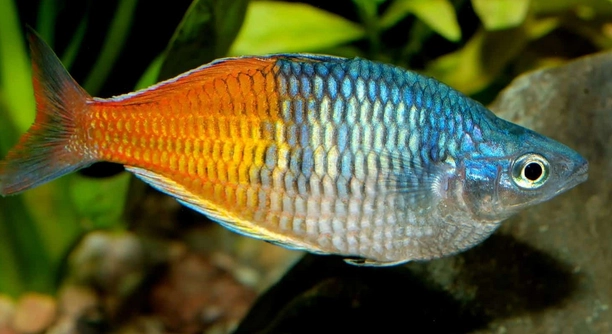
Rainbow fish are known for their vibrant colors and graceful movements, but sometimes they swim in unexpected ways. One such behavior is when they swim diagonally, which may seem puzzling to fish owners or aquarium enthusiasts. The reason rainbow fish swim diagonally is usually related to their health, water conditions, or behavior patterns. Diagonal swimming … Read more

Why Rainbow Fish Might Avoid the Gravel Area

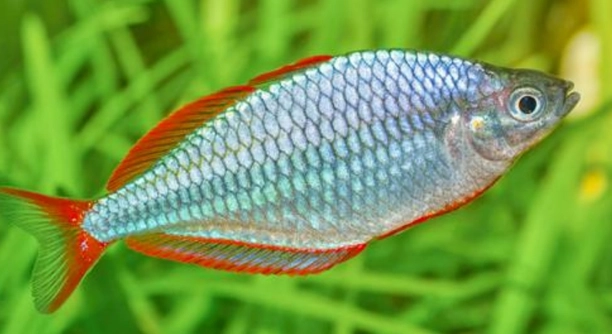
Rainbow fish are a popular choice for aquariums, admired for their vibrant colors and unique behaviors. However, one behavior that may puzzle aquarium owners is their tendency to avoid certain areas, such as gravel spots. Rainbow fish might avoid the gravel area due to its potential discomfort. The gravel can be rough on their sensitive … Read more

Can Rainbow Fish Feel Stress from Tankmates?

Rainbow fish are beautiful and popular pets in many aquariums. They are active swimmers that add vibrant colors to any tank. However, aquarium enthusiasts sometimes wonder how their tankmates affect the well-being of these delicate creatures. Rainbow fish can experience stress from their tankmates, especially if the environment is overcrowded, aggressive, or lacks hiding spots. … Read more

Can Rainbow Fish Share a Tank with Snails?

Rainbow fish are popular aquarium fish known for their bright colors and energetic personalities. Many aquarium enthusiasts enjoy combining different species to create a lively underwater display. But when it comes to tank mates, some questions arise. Rainbow fish and snails can generally share a tank without issues. Snails help maintain the aquarium by cleaning … Read more

Why Is My Rainbow Fish Losing Scales?

Is your rainbow fish starting to look a little less vibrant, with missing scales and a duller appearance than usual? The most common reason your rainbow fish is losing scales is physical damage, often from tank mates, sharp decorations, or poor water conditions. Stress, infections, or underlying health problems can also contribute to scale loss. … Read more

Why Rainbow Fish May Not Swim With the Group

Rainbow fish are known for their bright colors and social nature, often swimming together in schools. However, certain factors can cause them to break away from the group. Understanding these reasons can help improve their care. Rainbow fish may not swim with the group due to stress, poor water conditions, or lack of space. They … Read more

Do Rainbow Fish Get Attached to Hiding Spots?

Rainbow fish are known for their vibrant colors and energetic nature. While they are active swimmers, they may show interest in certain hiding spots within their aquarium. This behavior can be a natural response to their environment. Rainbow fish do not typically form strong attachments to hiding spots like some other fish species. However, they … Read more

7 Signs of a Healthy Rainbow Fish School

A healthy rainbow fish school can provide a vibrant and thriving environment in your aquarium. Observing their behavior and physical health can help you determine if your fish are happy and flourishing. Several key signs indicate a healthy rainbow fish school, including active swimming, consistent schooling behavior, and clear, bright colors. Healthy fish will exhibit … Read more

Can Rainbow Fish Sense When You’re Watching?

Rainbow fish are fascinating creatures that captivate many with their bright colors and active nature. Many aquarists have noticed intriguing behaviors, such as their reactions to being observed, which raises the question: Can they sense when you’re watching? Research suggests that rainbow fish, like many animals, are capable of detecting environmental cues, including the presence … Read more

7 Reasons Rainbow Fish Might Shake Their Heads

Rainbow fish are a beautiful addition to any aquarium, with their vibrant colors and graceful movements. However, if you notice them shaking their heads, you might wonder what’s going on. Understanding their behavior can help you better care for them. Rainbow fish often shake their heads due to stress, discomfort, or environmental factors. This behavior … Read more