
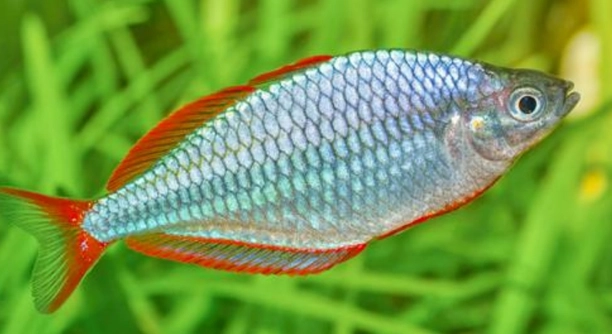
A healthy rainbow fish school can provide a vibrant and thriving environment in your aquarium. Observing their behavior and physical health can help you determine if your fish are happy and flourishing.
Several key signs indicate a healthy rainbow fish school, including active swimming, consistent schooling behavior, and clear, bright colors. Healthy fish will exhibit no signs of stress or disease and will respond positively to their environment and food.
By understanding these signs, you can better support your fish’s well-being and ensure a harmonious, thriving aquarium environment.
Active Swimming Behavior
Rainbow fish are known for their energetic swimming style, which is a good indicator of their health. When they are in a healthy state, they’ll swim actively, either in a coordinated school or moving freely around the tank. The motion should be smooth, with no jerky or sluggish movements, which are often signs of stress or illness. If the fish are swimming near the surface or in constant motion, they are likely in good shape.
Fish that aren’t swimming much could be stressed or unwell, possibly due to poor water conditions or other environmental factors. Check your aquarium’s temperature and water quality to ensure that your fish feel comfortable.
A healthy school will also swim together in harmony. Disruptions in their schooling behavior may indicate distress. Stress can be caused by overcrowding, aggression, or environmental factors. If you notice such issues, addressing the root cause is important to maintain the balance in your tank.
Bright, Clear Colors
When rainbow fish are healthy, their colors will be vibrant and clear. A dull or faded color can indicate stress, illness, or poor nutrition. Colors fading could also be a sign that the fish are not getting enough light or are suffering from parasites.
Healthy rainbow fish will display bright, intense colors, which they typically develop as they grow and become more comfortable in their environment. Maintaining a proper diet, lighting, and water quality will help enhance their natural color.
The presence of clear, bold colors often suggests that the fish are not only healthy but also stress-free. They feel secure in their environment and have the energy to maintain their vivid colors. If you notice any changes, it’s a good idea to assess their surroundings and make necessary adjustments.
Consistent Schooling Behavior
Rainbow fish are social creatures that thrive when they swim together in groups. A healthy school will move as one, following the leader in smooth, synchronized patterns. This behavior is a sign that the fish feel secure and comfortable with their environment.
If some fish appear isolated or are frequently separated from the school, it could indicate stress or illness. A healthy school should exhibit a strong sense of unity. If the group is breaking apart or showing erratic behavior, it’s time to assess their living conditions. This could be a sign of overcrowding, aggression, or even water quality issues.
It’s also important to note that the size of the school matters. A small group may not display the same strong schooling behavior. Keeping the right number of rainbow fish will help them feel more secure and naturally encourage synchronized swimming, ensuring a healthier, more vibrant aquarium.
Active Feeding Habits
Healthy rainbow fish have an active and consistent feeding routine. When they are properly nourished, they eagerly accept food without hesitation. This behavior suggests that they are comfortable with their environment and not suffering from illness or stress.
If you notice that the fish aren’t eating well or leave food behind, this could be a sign of discomfort, poor water conditions, or illness. Rainbow fish usually have a healthy appetite and will eat most of the food offered. However, changes in eating habits can sometimes indicate something is wrong.
To keep them healthy, offer them a varied diet that includes flakes, pellets, and occasional live or frozen foods. This ensures they get all the nutrients they need. A good feeding routine reflects a balanced, thriving school of rainbow fish, so it’s important to pay attention to their eating habits.
Smooth, Clean Fins
Healthy rainbow fish will have smooth, well-maintained fins. They should appear free from tears or discoloration, which can be signs of disease or injury. If the fins are damaged, it may indicate physical trauma or poor water quality.
Clean, unmarked fins are a sign that your fish are in good condition. Fins that appear ragged or have signs of rot may be caused by poor water conditions or bacterial infections. If this happens, a water change and checking for contaminants is essential.
It’s important to monitor their fins regularly to catch any potential problems early. Ensuring that the tank is free from sharp objects and maintaining proper water conditions will help prevent damage to the fins.
Healthy Appetite
A healthy rainbow fish will always show a healthy appetite. They’ll actively swim towards food and eat consistently. If you notice your fish aren’t eating or seem uninterested, it could be a sign of underlying health issues or environmental stress.
Regular feeding and ensuring they are offered the proper nutrients will encourage healthy growth and behavior. A fish that isn’t eating should be closely monitored, as poor eating habits can often signal a problem with water quality, diet, or tankmates.
A good appetite is often a reliable sign that your rainbow fish are thriving, as it shows they’re comfortable and receiving everything they need from their environment.
Clean, Bright Eyes
The eyes of healthy rainbow fish should appear bright and clear, with no signs of cloudiness or swelling. Cloudy eyes may indicate infection or poor water quality, while swollen eyes could be a sign of injury or illness.
Healthy eyes are a good reflection of overall fish health. Regular monitoring of their eye condition ensures that any potential issues can be addressed early. If cloudy or swollen eyes appear, it’s important to check the water conditions and treat any potential diseases promptly.
FAQ
What are the signs of a stressed rainbow fish?
Stressed rainbow fish often display signs like erratic swimming, faded colors, and isolation from the group. They may also stop eating, hide more frequently, or show aggressive behavior toward tankmates. A sudden change in behavior can indicate poor water quality or environmental stress.
To reduce stress, check for issues such as overcrowding, poor water conditions, or incompatible tankmates. Maintaining a stable environment with proper filtration and regular water changes will help minimize stress. Also, ensure the tank is not too noisy or in a location with constant disturbances, as this can also affect their well-being.
How can I ensure my rainbow fish have a balanced diet?
A balanced diet for rainbow fish includes a mix of quality flake food, pellets, and occasional live or frozen foods like bloodworms or brine shrimp. These fish are omnivores, so they need both plant-based and protein-rich food for optimal health.
Feeding a variety of foods ensures they receive all the essential nutrients they need. Offering a mix of different foods also prevents them from getting bored with their diet. Keep in mind that feeding too much can lead to overfeeding and poor water quality, so only offer what they can eat in a few minutes.
Why are my rainbow fish swimming near the surface all the time?
Rainbow fish swimming near the surface of the tank might be searching for oxygen, which could indicate low oxygen levels in the water. This could also be a sign of poor water circulation or a high bioload in the tank.
To address this, consider increasing aeration by adding a bubbler or air stone. You could also improve the filtration system to help oxygenate the water. Ensuring proper water quality through regular testing and maintenance can also prevent this issue.
Can rainbow fish live with other species?
Rainbow fish are generally peaceful and can coexist with other species, especially if they are kept in a well-planted tank. However, avoid pairing them with aggressive fish or species that are too small to fend for themselves.
Some compatible tankmates for rainbow fish include peaceful tetras, gouramis, and catfish. It’s important to research the specific needs of each species to ensure a harmonious environment. Also, ensure the tank has enough space and hiding places to reduce aggression and stress.
How often should I perform water changes for my rainbow fish?
Water changes should be done regularly, at least once every 1-2 weeks, depending on the size of your tank and the number of fish. Smaller tanks with more fish may require more frequent water changes to keep the water clean and stable.
During water changes, replace about 25-30% of the water. Use a water conditioner to treat tap water and ensure the temperature is similar to the tank’s. Regular water changes help maintain good water quality, reduce toxins, and prevent diseases.
How can I tell if my rainbow fish are sick?
Signs of illness in rainbow fish include faded or dull colors, swollen or cloudy eyes, and changes in behavior like lethargy or loss of appetite. If they are swimming erratically or have visible lesions, this could also indicate illness.
Checking for parasites or infections can be done by closely examining their skin and fins. If you notice any abnormalities, isolate the affected fish in a quarantine tank and treat with the appropriate medication. Also, maintaining clean water and a stress-free environment can help prevent diseases.
Do rainbow fish need special water conditions?
Rainbow fish thrive in slightly acidic to neutral water, with a temperature range between 72-78°F (22-26°C). They prefer moderately hard water, so make sure the water is not too soft or too hard for their needs.
Regular water testing is essential to ensure pH, hardness, and temperature are within the ideal range. Having a reliable filtration system and performing regular water changes will help maintain these conditions. If needed, you can adjust the water hardness using special products or natural methods like adding crushed coral.
Can rainbow fish breed in a home aquarium?
Yes, rainbow fish can breed in a home aquarium, but it requires the right conditions. They need a stable, healthy environment with plenty of space, plants, and hiding spots. The water should be slightly acidic to neutral and clean.
To encourage breeding, you may need to increase the water temperature slightly and introduce a varied diet rich in protein. Some species may require a separate breeding tank, while others may breed in the main aquarium. Be sure to provide proper care for the eggs and fry once they hatch.
Why do my rainbow fish have faded colors?
Faded colors in rainbow fish can be a sign of stress, illness, or poor water conditions. Stressful environments like sudden temperature changes, overcrowding, or aggressive tankmates can cause the fish to lose their bright hues.
Improving their environment, offering a balanced diet, and reducing stressors can help restore their natural colors. If the fading is accompanied by other symptoms like lethargy or loss of appetite, check the water quality and look for signs of disease or parasites.
Are rainbow fish hard to care for?
Rainbow fish are relatively easy to care for compared to other species, as long as their basic needs are met. They require a stable, clean environment, regular feeding, and a varied diet. Proper water quality and temperature are essential for their health.
While they are not particularly demanding, it’s important to avoid overcrowding and monitor water quality regularly. Rainbow fish are also social creatures, so they should be kept in schools of at least six or more to ensure their well-being.
Final Thoughts
Rainbow fish are a colorful and peaceful addition to any aquarium, thriving in well-maintained environments. Ensuring they have clean water, a balanced diet, and proper tankmates is key to their overall health. Regular water changes, maintaining the right temperature, and keeping an eye on their behavior can help you spot issues before they become serious. A healthy rainbow fish school can bring vibrant energy to your tank, creating a lively and enjoyable display of movement and color.
Understanding the signs of a healthy rainbow fish school is essential for keeping them in the best possible condition. Monitoring their appearance, behavior, and overall activity helps to catch potential problems early. Whether it’s ensuring that their fins are in good shape, they’re eating properly, or their colors remain bright, attention to detail is the best way to prevent illnesses. If you’re proactive and maintain proper care, your rainbow fish will thrive in their environment.
Lastly, remember that maintaining a healthy school of rainbow fish doesn’t just benefit the fish but enhances the entire tank environment. These fish are social and enjoy the company of their own kind, so providing them with a group to swim with is important. By understanding their needs and creating a suitable environment, you can enjoy watching them flourish and keep them healthy for many years to come.

Hello,
If you enjoy the content that we create, please consider saying a "Thank You!" by leaving a tip.
Every little bit helps us continue crafting quality advice that supports the health, happiness, and well-being of pets around the world, for pets of all shapes, sizes, and species.
We really appreciate the kindness and support that you show us!