
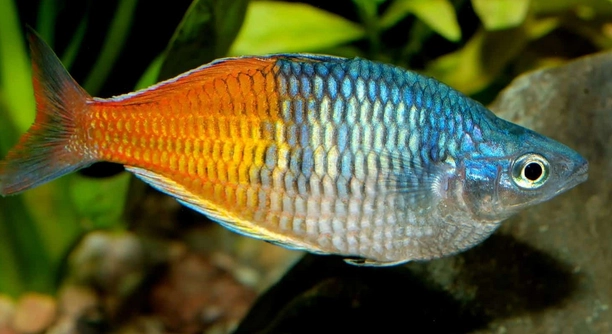
Rainbow fish are known for their vibrant colors and graceful movements, but sometimes they swim in unexpected ways. One such behavior is when they swim diagonally, which may seem puzzling to fish owners or aquarium enthusiasts.
The reason rainbow fish swim diagonally is usually related to their health, water conditions, or behavior patterns. Diagonal swimming can result from stress, swim bladder issues, or an attempt to navigate through a specific environment in the tank.
Understanding why your rainbow fish swim this way is important for ensuring their well-being. Knowing the potential causes can help you adjust their environment to provide a better, healthier experience.
What Causes Rainbow Fish to Swim Diagonally?
Rainbow fish swimming diagonally can be a sign of various factors affecting their behavior. Most commonly, it is a result of swim bladder problems, stress, or water quality issues. If the water isn’t ideal, fish might swim at odd angles as they try to adjust. Another possibility is physical damage that affects their balance or movement. While not always serious, diagonal swimming is usually a signal that something needs attention.
If your fish swims diagonally frequently, checking the water parameters is essential. This includes testing for ammonia, nitrates, and pH levels. Poor water quality often contributes to stress, which can lead to abnormal swimming behavior.
Additionally, rainbow fish can become stressed due to overcrowded tanks or aggressive tank mates. Stress weakens their immune systems, making them more susceptible to illnesses that could also cause swimming irregularities. Offering a calm and spacious environment with appropriate tank conditions will help reduce this issue.
Swim Bladder Issues in Rainbow Fish
Swim bladder issues are another common reason for diagonal swimming. The swim bladder helps fish maintain buoyancy and stability while swimming. If it’s damaged or infected, the fish might have trouble controlling its movements.
Infection, injury, or poor diet can all affect the swim bladder. If you notice your fish is struggling to swim normally, it’s important to examine their feeding habits and ensure they are eating a balanced diet. Overfeeding or feeding the wrong type of food can lead to digestive issues that impact the swim bladder.
Also, changes in water temperature can stress the swim bladder, causing irregular swimming patterns. To help your rainbow fish recover, provide a stable environment and offer appropriate treatment options if needed. Make sure the water temperature and quality stay consistent, and monitor your fish closely for any signs of improvement.
Water Quality and Its Impact on Swimming Patterns
Water quality plays a major role in the health and behavior of your rainbow fish. Poor water conditions can cause stress, which leads to abnormal swimming. Diagonal swimming often signals an issue with ammonia, nitrate levels, or pH imbalances.
Testing the water regularly is essential for maintaining the right conditions. A high concentration of harmful substances can overwhelm the fish, causing them to swim erratically. Keeping the tank clean and performing regular water changes will help prevent these problems.
To avoid water quality issues, consider using a good filtration system and monitoring the tank regularly. You might need to adjust the water temperature or add treatments to balance the chemistry. Healthy water conditions support fish well-being and reduce stress, ultimately preventing strange swimming behavior.
Tank Setup and Stress Factors
Overcrowded tanks or incompatible tank mates can cause stress for rainbow fish, leading to diagonal swimming. These fish need space to swim freely and should not be housed with overly aggressive species.
If the tank is too small or crowded, fish will constantly feel pressured and anxious, which can affect their swimming patterns. A tank with proper hiding spots and enough space for each fish to establish its territory is key to keeping them calm.
To reduce stress, avoid overstocking the aquarium. Give your rainbow fish plenty of room to move around and explore. Providing shelter like plants or decorations can also help them feel secure and comfortable, leading to healthier swimming patterns and less erratic movement.
Health Conditions and Diagonal Swimming
Health problems can cause rainbow fish to swim in strange patterns. Illnesses like parasites or infections can affect their ability to move properly. Diagonal swimming may signal that something is wrong with their physical health.
Regular observation of your fish can help identify signs of illness early. If you notice any changes in their behavior, such as unusual swimming, it’s time to investigate further. Early diagnosis and treatment can prevent more serious problems.
Monitoring Fish Behavior
Keeping track of your rainbow fish’s movements can help you spot potential issues quickly. If they swim diagonally but are otherwise active and eating, it might not be urgent. However, if you see them struggling or becoming lethargic, act fast.
Adjusting Diet to Prevent Problems
An improper diet can also cause diagonal swimming in rainbow fish. Overfeeding or offering food that doesn’t meet their nutritional needs may affect their balance. Healthy, varied diets help keep fish strong and active, reducing the chance of swimming irregularities.
FAQ
Why is my rainbow fish swimming diagonally?
Diagonal swimming in rainbow fish can happen for several reasons. The most common causes are swim bladder problems, stress, or poor water quality. Fish with a swim bladder disorder often struggle to maintain balance, which results in erratic swimming. Stress from overcrowding, aggressive tank mates, or an unbalanced environment can also lead to this behavior. Monitoring water parameters like ammonia, nitrites, and pH can help rule out water quality issues. If all conditions are ideal and the fish still swim diagonally, it may be worth considering potential health problems or injury.
Can water temperature cause diagonal swimming?
Yes, water temperature can affect how your rainbow fish swim. If the water is too cold or fluctuates drastically, fish may become stressed and exhibit unusual swimming patterns, including diagonal swimming. Rainbow fish typically thrive in water temperatures between 72°F and 79°F (22°C to 26°C). If the water falls outside this range, it can lead to physical stress, which may cause erratic movements. Maintaining a consistent, appropriate temperature will reduce the chances of this happening.
Is there a way to fix swim bladder issues in rainbow fish?
Swim bladder issues in rainbow fish can often be treated with the right care. If you suspect swim bladder problems, fasting the fish for a couple of days can help clear up any digestive issues that might be affecting the swim bladder. Sometimes, adding a small amount of Epsom salt to the water can help relieve bloating or constipation. In more severe cases, consulting an aquatic vet might be necessary. If the problem is due to injury, proper treatment and a stress-free environment are key to recovery.
How often should I change the water in my tank?
Water changes should be done regularly to keep your tank’s environment stable and healthy. For most aquariums, changing 25-30% of the water every two weeks is recommended. If you have a heavily stocked tank, you may need to change water more frequently. This helps maintain water quality by removing excess waste, toxins, and harmful bacteria. In addition to regular changes, it’s important to test water parameters weekly to ensure the tank’s conditions are optimal for your rainbow fish.
Can overcrowding cause rainbow fish to swim diagonally?
Yes, overcrowding can cause significant stress to rainbow fish. Fish that are kept in tight spaces with limited swimming room are more likely to experience anxiety and health issues. Overcrowding leads to competition for resources, like food and space, which can cause aggressive behavior and stress. This stress can manifest in erratic swimming, including diagonal movements. To avoid overcrowding, make sure each fish has enough space in the tank. For rainbow fish, a minimum of 20 gallons per fish is a good rule of thumb.
Should I be concerned if my rainbow fish is swimming upside down?
Swimming upside down is a sign of a serious health issue and should be addressed immediately. This behavior typically indicates a severe swim bladder problem, infection, or injury. Fish may struggle to maintain balance when their swim bladder is damaged or when they are dealing with internal infections. If your fish is swimming upside down, it’s essential to isolate them in a quarantine tank, provide proper care, and monitor closely for any signs of improvement. If the problem persists, seeking professional help from an aquatic vet is advised.
What should I do if my rainbow fish seems lethargic?
If your rainbow fish is swimming less than usual and appears lethargic, it could be a sign of illness or environmental stress. Start by checking the water quality, ensuring the temperature is within the ideal range, and ensuring the fish is not overcrowded. A sudden drop in temperature, poor water quality, or a lack of proper food can cause lethargy. If these conditions are ruled out, consider whether the fish has been exposed to any pathogens or parasites. If lethargy persists, quarantining the fish and seeking professional advice may be necessary.
How can I prevent my rainbow fish from becoming stressed?
To reduce stress in your rainbow fish, make sure their environment is ideal. This includes maintaining stable water conditions, avoiding sudden temperature changes, and ensuring the tank has plenty of space and hiding spots. Additionally, it’s important to provide a proper diet and limit aggressive tank mates. Stress can weaken a fish’s immune system, making them more susceptible to illness. Ensuring a calm, balanced tank environment will help keep your rainbow fish healthy and reduce the chances of abnormal swimming patterns.
Can a bad diet cause diagonal swimming in rainbow fish?
A poor diet can contribute to several health issues in rainbow fish, including problems with their swim bladder. Feeding too much or offering food that doesn’t provide all the necessary nutrients can lead to digestive problems and bloating, which can affect their swimming ability. Make sure to feed your rainbow fish a balanced diet consisting of high-quality flakes, pellets, and occasional live or frozen foods. This will ensure they receive all the vitamins and minerals necessary for healthy digestion and proper buoyancy.
How do I know if my rainbow fish is sick?
Rainbow fish may exhibit several signs when they are sick. Look for changes in behavior, such as erratic swimming, staying near the surface or bottom of the tank, or swimming in odd patterns like diagonally or upside down. Other signs include loss of appetite, fading colors, or visible lesions on their body. If you notice any of these symptoms, it’s essential to isolate the fish in a quarantine tank to prevent the spread of illness. Proper diagnosis and treatment will depend on the specific symptoms observed.
Final Thoughts
Rainbow fish are beautiful creatures that can bring color and life to your aquarium. When they swim diagonally, it can be concerning, but often, this behavior is a sign that something in their environment needs attention. It’s important to remember that fish, like all pets, are affected by their surroundings, and even small changes can have a big impact on their health and behavior. Whether it’s an issue with water quality, tank setup, or diet, recognizing and addressing the root cause of abnormal swimming can help improve their well-being.
One of the most common reasons for diagonal swimming is stress. Rainbow fish can become stressed for a variety of reasons, including overcrowding, aggressive tank mates, or poor water conditions. Stress weakens their immune system, which makes them more vulnerable to illnesses that can affect their swimming. It’s essential to create a peaceful, well-maintained tank that meets the needs of your fish. Regular water testing and changes are key to preventing stress-related behaviors. Additionally, ensuring that your fish have enough space to swim freely and can avoid aggressive tank mates will go a long way in keeping them healthy and happy.
In some cases, diagonal swimming can indicate a physical issue, like a swim bladder problem or internal injury. If the problem persists despite improving water conditions and reducing stress, it’s important to consider health concerns. A fish struggling with its swim bladder may need specific treatment, such as adjusting its diet or adding Epsom salt to the water. If you’re unsure about the cause of your fish’s behavior, consulting an aquatic vet can provide clarity and help you find the best solution. In the end, understanding why your rainbow fish swims diagonally is the first step in ensuring they live a long, healthy life.

Hello,
If you enjoy the content that we create, please consider saying a "Thank You!" by leaving a tip.
Every little bit helps us continue crafting quality advice that supports the health, happiness, and well-being of pets around the world, for pets of all shapes, sizes, and species.
We really appreciate the kindness and support that you show us!