
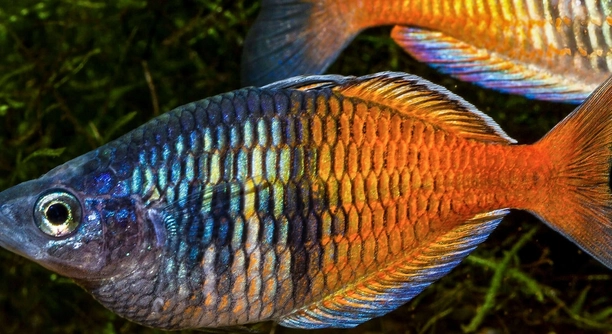
Rainbow fish are a beautiful addition to any aquarium, with their vibrant colors and graceful movements. However, if you notice them shaking their heads, you might wonder what’s going on. Understanding their behavior can help you better care for them.
Rainbow fish often shake their heads due to stress, discomfort, or environmental factors. This behavior may be linked to water quality, the presence of parasites, or even their interaction with other fish. It’s important to monitor these signs.
There are several reasons behind the head-shaking behavior of rainbow fish. Identifying the cause can help ensure your fish remain healthy and happy in their tank. Understanding these reasons can improve both their environment and care.
Poor Water Quality
Rainbow fish are sensitive to changes in water conditions. If their environment is not ideal, they may start shaking their heads as a sign of stress. Ammonia, nitrites, and fluctuating pH levels can make them uncomfortable. This often leads to unusual behaviors like head shaking. Keeping the water clean is crucial for their well-being.
Proper filtration and regular water changes are essential for maintaining a healthy tank. Test the water regularly to ensure it’s within the ideal range for rainbow fish. Poor water quality not only stresses fish but can lead to illness if not addressed.
To keep your rainbow fish healthy, make sure the water is filtered and tested often. A stable environment is key for their happiness and behavior. Head shaking can be a sign that something in their tank needs attention, so take action as soon as possible to restore balance. Regular maintenance ensures a happy home for your fish.
Parasites and Illness
Rainbow fish may shake their heads due to parasites or other health issues.
External parasites like Ich can cause them to act out of character, including shaking their heads. If you notice this behavior, inspect your fish carefully for signs of illness. Other symptoms may include visible spots on their skin, faded colors, or lethargy. If parasites are present, it’s important to treat them immediately to avoid further damage. It’s best to isolate infected fish in a separate tank until they recover. The right medication and water temperature adjustments can help.
For illnesses or parasites, make sure to consult an expert or local aquarium store. Rainbow fish need fast, effective treatment for any health problems to ensure they don’t continue shaking or show other signs of distress.
Overcrowding in the Tank
Overcrowding can make rainbow fish feel cramped and stressed. If too many fish are in a tank, there won’t be enough space for each one to swim freely. This can cause behavioral issues, such as shaking their heads. The more crowded the tank, the higher the chances of stress.
A well-sized tank is crucial for the health of rainbow fish. If they don’t have enough room, they may start to display abnormal behaviors, like shaking their heads. A general rule is one inch of fish per gallon, but larger species may need more space. Consider the size of your tank and the number of fish to ensure everyone has enough room to thrive.
Ensure that the fish have enough space to swim and hide. Adding hiding spots, plants, and decorations can help create an environment where the fish feel secure. A larger tank or fewer fish can help reduce the stress of overcrowding and prevent unnecessary head-shaking behavior.
Aggression from Other Fish
Aggression from other fish is a common cause of head shaking in rainbow fish.
If there are more dominant or territorial fish in the tank, they might chase or nip at the rainbow fish. This can cause the rainbow fish to feel threatened, leading to head shaking or other signs of distress. Keep an eye on interactions between fish to ensure everyone is getting along. Incompatible species can cause issues in the tank, so it’s essential to carefully select tankmates.
Some fish species are naturally more aggressive, so try to research the temperament of any new fish before adding them to your tank. If you notice that a particular fish is bullying the rainbow fish, you may need to separate them. Providing enough hiding spaces can give the rainbow fish a safe space where they won’t feel threatened.
Temperature Fluctuations
Sudden changes in water temperature can stress rainbow fish, causing them to shake their heads. They prefer stable, warm temperatures. Rapid shifts can affect their health and behavior.
Keep the water temperature within the range of 72°F to 78°F (22°C to 25°C). Using a reliable heater helps maintain a constant temperature, reducing stress.
Ensure that the heater is working properly, and avoid placing the tank in drafty areas where the temperature can fluctuate quickly. Temperature swings are a common reason for head shaking, so controlling the water temperature will help keep your fish calm and healthy.
Poor Diet
A poor or imbalanced diet can lead to health problems, including head shaking. Rainbow fish need a variety of foods, including high-quality flakes, pellets, and occasional live or frozen foods. Lack of proper nutrition can weaken their immune system and cause stress.
Offer a mix of foods that meet their nutritional needs. This ensures that your rainbow fish stay healthy and vibrant. A proper diet can also prevent other health issues, like parasites, which can trigger head shaking. Make sure to feed them in moderation to avoid overfeeding, which can cause water quality issues.
FAQ
What are the most common reasons rainbow fish shake their heads?
Rainbow fish typically shake their heads due to stress, poor water quality, or illness. Overcrowding in the tank, aggression from other fish, and temperature fluctuations can also trigger this behavior. Ensuring a stable environment and addressing these factors can reduce head shaking. Keep an eye on the water quality, tank mates, and overall conditions to prevent it.
Can rainbow fish shaking their heads indicate a serious health problem?
Yes, head shaking can sometimes be a sign of illness, such as parasitic infections or internal issues. It could also point to external parasites like Ich or fungal infections. If you notice other symptoms like lethargy, faded colors, or spots on their skin, it’s important to take immediate action. Proper diagnosis and treatment can prevent further complications.
How can I fix poor water quality in my tank?
To fix poor water quality, start by testing the water for ammonia, nitrites, nitrates, and pH levels. Perform regular water changes, use a high-quality filter, and consider adding live plants that help with water filtration. Clean the tank regularly and ensure that your filtration system is efficient. Water changes should be done gradually to avoid stressing your fish with sudden changes in water chemistry.
Do rainbow fish need a specific temperature range to be healthy?
Yes, rainbow fish thrive in warm water temperatures between 72°F and 78°F (22°C to 25°C). Any fluctuation outside this range can stress them, causing behaviors like head shaking. Using a reliable aquarium heater can help maintain a stable temperature and prevent sudden drops or spikes that could harm your fish.
Can overcrowding cause rainbow fish to shake their heads?
Yes, overcrowding can lead to stress in rainbow fish. When too many fish are packed into a small tank, they have limited space to swim and hide. This constant stress can result in behaviors like head shaking. To avoid this, ensure the tank size is appropriate for the number of fish you have, and provide plenty of hiding spots for each fish to feel secure.
How often should I clean my rainbow fish tank?
Cleaning your tank regularly is essential for keeping your rainbow fish healthy. Perform partial water changes every 1-2 weeks, depending on your tank size and number of fish. You should also clean the substrate, remove any algae buildup, and check the filter to ensure it’s working properly. Cleaning helps maintain water quality and reduces stress factors that may contribute to behaviors like head shaking.
Can rainbow fish be affected by other fish in the tank?
Yes, aggression from other fish can cause rainbow fish to shake their heads. More dominant or territorial fish might chase, nip, or bully rainbow fish, leading to stress and discomfort. It’s important to monitor interactions between tank mates and remove any aggressive fish if necessary. Adding plenty of hiding spaces and decorations can also help reduce stress by allowing the rainbow fish to seek refuge.
How can I tell if my rainbow fish has a parasite?
Signs of a parasite infection in rainbow fish include head shaking, loss of appetite, faded colors, visible spots on the skin, or rubbing against objects in the tank. If you notice any of these symptoms, it’s important to isolate the affected fish and treat them with the appropriate medication. Consulting an aquarium professional can help you identify the parasite and choose the right treatment for your fish.
Should I be concerned if my rainbow fish occasionally shakes its head?
Occasional head shaking in rainbow fish may not always be a cause for concern. It can sometimes be a normal response to changes in their environment, like adjusting to new water conditions or interacting with other fish. However, if the shaking becomes persistent or is accompanied by other signs of distress, it’s important to investigate further and address potential stressors or health issues.
What is the best way to prevent head shaking in rainbow fish?
To prevent head shaking, ensure that your rainbow fish have a stable environment with optimal water quality, temperature, and proper diet. Avoid overcrowding the tank and make sure that the fish have enough space to swim freely. Regular maintenance, including water changes and tank cleaning, helps keep the environment healthy and stress-free for your fish. Monitoring their behavior closely will help you catch any problems early.
Final Thoughts
Rainbow fish are beautiful, lively creatures that can thrive in your aquarium with the right care and attention. However, head shaking is a behavior that can signal stress or discomfort. Whether it’s due to poor water quality, overcrowding, or illness, it’s important to identify the cause as soon as possible. By paying attention to their environment, you can help prevent unnecessary stress and ensure that your fish remain healthy. Regular water testing, proper tank maintenance, and a balanced diet are key to keeping rainbow fish happy.
Understanding the reasons behind head shaking can make a big difference in maintaining a healthy tank. From temperature fluctuations to aggressive tank mates, any factor that creates stress can lead to this behavior. It’s essential to take a proactive approach to prevent these issues from occurring in the first place. Monitoring water conditions, avoiding overcrowding, and providing enough space for your rainbow fish to swim freely can help reduce stress. Additionally, offering a proper diet and observing fish behavior will help you spot problems early, making it easier to address them before they get worse.
While occasional head shaking might not always be a cause for concern, it’s still important to be aware of any changes in behavior. Early intervention can prevent small issues from developing into more serious health problems. By creating a stable and stress-free environment for your rainbow fish, you’ll be able to enjoy their vibrant colors and lively personalities for years to come. Keep in mind that healthy fish require a consistent environment, and small changes can make a big impact on their well-being.

Hello,
If you enjoy the content that we create, please consider saying a "Thank You!" by leaving a tip.
Every little bit helps us continue crafting quality advice that supports the health, happiness, and well-being of pets around the world, for pets of all shapes, sizes, and species.
We really appreciate the kindness and support that you show us!