
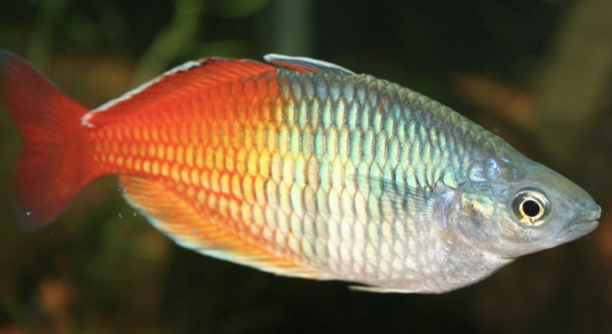
Rainbow fish are popular aquarium fish known for their bright colors and energetic personalities. Many aquarium enthusiasts enjoy combining different species to create a lively underwater display. But when it comes to tank mates, some questions arise.
Rainbow fish and snails can generally share a tank without issues. Snails help maintain the aquarium by cleaning algae and leftover food, while rainbow fish typically do not harm them. However, care should be taken to ensure the tank conditions are suitable for both.
Knowing the right environment for each species is essential for a peaceful aquarium. Keep reading to find out how to maintain balance between these two tank inhabitants.
Tank Compatibility: Rainbow Fish and Snails
Rainbow fish are active swimmers that enjoy exploring their space. They thrive in tanks with plenty of room to move around. Snails, on the other hand, tend to stay close to the substrate or crawl along surfaces, slowly going about their business. Because of this difference, they generally don’t get in each other’s way. As long as both have enough space, they can peacefully coexist in the same aquarium.
However, there are some things to keep in mind when setting up a tank with both rainbow fish and snails. Tank size is one of the most important factors. A small tank could result in stress for both the fish and snails. Larger tanks allow each species to maintain their own space.
Water quality is another crucial consideration. Rainbow fish prefer clean water with a slightly alkaline pH, while snails tend to do well in similar conditions. Maintaining good filtration and regular water changes can ensure that both species stay healthy and comfortable in the same tank.
Considerations for Tank Setup
When setting up a tank with rainbow fish and snails, it’s important to choose decorations and plants that won’t harm either species. Avoid sharp objects or plants with rough textures that might injure snails as they move about.
You also need to think about how much food each species needs. Rainbow fish are not particularly aggressive when it comes to food, but they are fast eaters. If there’s not enough food or if it’s scattered too quickly, snails might struggle to get their share. It’s a good idea to feed both at different times or offer food that’s easily accessible for snails.
Feeding Rainbow Fish and Snails Together
Rainbow fish eat a variety of foods, such as flakes, pellets, and live foods. They can be fast eaters, often competing for food with other tank mates. Snails, on the other hand, are slower and can miss out on food if it’s not placed in their reach.
To ensure both get enough, consider sinking food for the snails and floating food for the fish. This allows each species to eat at their own pace without competing. Offering algae wafers for snails can also help supplement their diet, as these are easy for them to consume throughout the day.
Additionally, feeding rainbow fish and snails at different times of the day can reduce the risk of competition. By spreading out feeding times, you can make sure each has a chance to eat without stress. Keeping a balanced diet for both will help them grow and thrive in the same tank.
Maintaining Water Quality
Clean water is essential for both rainbow fish and snails. Both species are sensitive to poor water conditions. Regular water changes are crucial to keep the tank environment healthy.
Using a reliable filtration system will help maintain stable water parameters, such as pH, ammonia, nitrites, and nitrates. Snails are particularly sensitive to changes in water quality, so it’s important to monitor the water regularly and ensure it stays within the ideal range. Rainbow fish also require consistent water conditions to stay healthy and vibrant. Without good water quality, both species could become stressed and more susceptible to illness.
Tank Size for Rainbow Fish and Snails
A larger tank offers more space for both rainbow fish and snails to move around. A 30-gallon tank is usually recommended as a minimum size for this combination. With more space, both species can have their own areas and avoid stress.
A larger tank also allows you to create a more natural environment with plants, rocks, and hiding spots. Snails like to explore, while rainbow fish need room to swim. Adequate space will help maintain a peaceful balance between both species, reducing the chances of overcrowding or territorial disputes.
Ideal Tank Conditions for Both Species
Both rainbow fish and snails do best in slightly alkaline water with a temperature range between 72-80°F. This temperature range supports their metabolism and promotes healthy growth. It’s important to also provide proper lighting for the plants and decorations in the tank.
A consistent water temperature is key, so investing in a reliable heater is important. While snails are adaptable, sudden temperature fluctuations can stress them out. Similarly, rainbow fish are less likely to thrive in unstable conditions. Creating a stable and suitable environment will help both species live comfortably.
Potential Challenges with Rainbow Fish and Snails
One challenge when keeping rainbow fish and snails together is the possibility of fish nibbling on snail shells. While rainbow fish usually ignore snails, some may target weaker or slower snails. It’s important to keep an eye out for any signs of damage to the snails.
FAQ
Can rainbow fish eat the same food as snails?
Rainbow fish and snails can eat some of the same food, but their dietary needs differ. Rainbow fish are omnivores, meaning they enjoy a variety of foods like flakes, pellets, and live foods. Snails, however, primarily feed on algae, leftover food, and plant matter. You can feed both species at the same time, but it’s best to use sinking foods for snails and floating foods for rainbow fish to ensure they both get enough. You can also supplement with algae wafers for snails.
Do rainbow fish harm snails?
Rainbow fish are not generally aggressive toward snails, but there are exceptions. Some fish may nibble on snail shells if they are weak or if the fish are particularly curious. It’s important to ensure that snails are healthy and have sturdy shells. Also, provide plenty of hiding spots in the tank so the snails can escape if needed.
How do I prevent rainbow fish from eating my snails?
The best way to prevent rainbow fish from harming snails is by keeping the snails in good health. Healthy snails with strong shells are less likely to be targeted. Additionally, maintaining a well-balanced aquarium with plenty of hiding places, like plants or rocks, will give snails refuge from any curious fish.
What is the best water temperature for rainbow fish and snails?
Both rainbow fish and snails thrive in water temperatures between 72-80°F. This range supports their metabolism and promotes healthy activity. Keeping the tank temperature stable is crucial, as drastic fluctuations can stress both species. A good aquarium heater can help maintain consistent water temperature.
Do snails need special care in a tank with rainbow fish?
Snails do not require extensive special care in a tank with rainbow fish, but there are a few things to keep in mind. Snails prefer slightly alkaline water with a pH between 7.0-8.0. They also need to have plenty of food available, especially algae. Make sure to provide sinking food for snails to ensure they are properly fed.
Can I keep multiple species of snails with rainbow fish?
Yes, multiple species of snails can usually coexist with rainbow fish. However, it’s important to consider the size of the snails and their behavior. Larger snails, such as mystery snails, are less likely to be at risk from the fish. Smaller snails might be more vulnerable, especially if the rainbow fish are more active and curious.
Will snails help keep my aquarium clean if I have rainbow fish?
Yes, snails are excellent cleaners in aquariums with rainbow fish. They help by eating leftover food, algae, and decaying plant matter. This makes them great for keeping the tank tidy, as they reduce the build-up of waste. However, snails won’t eliminate the need for regular water changes and tank maintenance.
How many snails can I keep with rainbow fish?
The number of snails you can keep with rainbow fish depends on the size of the tank. In a 30-gallon tank, you can comfortably house a few snails without overcrowding. Snails do not require a lot of space, but it’s important to monitor the tank’s water quality, as too many snails can lead to an increase in waste.
Do snails reproduce quickly in tanks with rainbow fish?
Snails can reproduce quickly in an aquarium, especially if they have a steady food supply. If you have both rainbow fish and snails in the same tank, it’s important to monitor the snail population. If you notice too many snails, you may need to manually remove some or adjust the tank conditions to slow reproduction.
Can rainbow fish and snails share a tank with other species?
Rainbow fish and snails can usually share a tank with other peaceful species. As long as the new species has similar water temperature and pH requirements, it should be fine. Just be cautious of adding any aggressive fish, as they may harass the snails or rainbow fish. Always research new species before introducing them.
What kind of plants are safe for rainbow fish and snails?
Rainbow fish and snails enjoy tanks with live plants, as they provide hiding spots and help maintain water quality. Soft-leaf plants, such as java moss, java fern, and anubias, are safe for both species. Avoid plants with sharp leaves or textures that could potentially harm the snails.
Can rainbow fish and snails live in a tank with high algae growth?
Yes, both rainbow fish and snails can live in tanks with high algae growth. Snails, in particular, benefit from algae as part of their diet. Rainbow fish won’t be harmed by the algae, but it’s important to ensure the algae does not overpower the tank or create poor water quality.
How can I prevent my snails from overgrowing in a tank with rainbow fish?
To prevent snails from overgrowing, avoid overfeeding the tank. Snails reproduce faster when there is excess food in the tank. You can also remove snail eggs manually if they begin to accumulate. Keeping the tank well-maintained and cleaning the substrate regularly will help control snail population.
Are there any risks to having both rainbow fish and snails together?
There are minimal risks when keeping rainbow fish and snails together, as long as the tank is properly maintained. The biggest concern is the health of the snails, as they can be vulnerable to damage from aggressive fish or poor water conditions. Regular water changes, good tank filtration, and monitoring for any signs of aggression will help keep things in balance.
Final Thoughts
Keeping rainbow fish and snails together can be a rewarding experience for aquarium owners. Both species have relatively simple care requirements, but creating a balance between them is essential for a successful tank. Rainbow fish are colorful and active, while snails help maintain a clean environment. With the right setup, they can coexist peacefully and create a visually appealing aquarium. However, as with any tank combination, it’s important to regularly check the health and well-being of both the fish and snails.
Maintaining proper tank conditions is key when housing rainbow fish and snails together. This means keeping the water clean and stable, ensuring the temperature and pH are suitable for both species. Regular water changes and a reliable filtration system are necessary to keep everything in balance. The tank size should be large enough to provide enough space for both species to move around without overcrowding. Proper feeding schedules for both rainbow fish and snails also need to be considered, as their dietary needs differ. Rainbow fish are fast eaters, while snails are slower and may need additional care to ensure they get enough food.
Finally, monitoring the behavior of both rainbow fish and snails is crucial for maintaining harmony in the tank. Rainbow fish, though generally peaceful, can sometimes show curiosity toward snails, especially if the snails’ shells are weak or damaged. It’s important to provide hiding spots for the snails and ensure they have strong, healthy shells. By keeping a close eye on the interactions between the two species, you can ensure that both rainbow fish and snails thrive in your aquarium. With proper care and attention, they can make great tank mates, offering both beauty and a cleaner environment for your underwater world.

Hello,
If you enjoy the content that we create, please consider saying a "Thank You!" by leaving a tip.
Every little bit helps us continue crafting quality advice that supports the health, happiness, and well-being of pets around the world, for pets of all shapes, sizes, and species.
We really appreciate the kindness and support that you show us!