
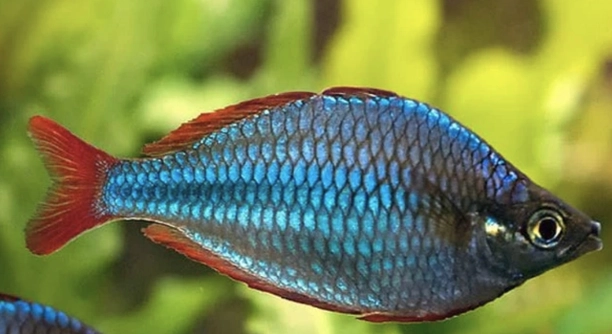
Rainbow fish are known for their vibrant colors and energetic nature. While they are active swimmers, they may show interest in certain hiding spots within their aquarium. This behavior can be a natural response to their environment.
Rainbow fish do not typically form strong attachments to hiding spots like some other fish species. However, they may seek out places to hide when stressed or during rest periods. Providing a variety of hiding spots can help reduce anxiety.
These insights will help you understand your rainbow fish’s behavior better and how to provide an ideal environment for them.
Do Rainbow Fish Seek Out Hiding Spots?
Rainbow fish are typically active and social creatures, but that doesn’t mean they aren’t occasionally drawn to hiding spots in their tank. While they are generally not shy, their behavior may shift depending on the environment. When placed in an aquarium with multiple hiding spaces, they may explore these areas, especially during times of stress or rest. This doesn’t necessarily mean they are attaching themselves to a spot, but rather using it to feel more secure.
Even though rainbow fish aren’t known for developing attachments to hiding spots, providing them with plenty of hiding spaces can promote a healthier environment. These spots help reduce anxiety, especially in smaller tanks or if there is a lot of activity. It’s also important to note that a lack of hiding spots could lead to stress and territorial behavior.
In an aquarium, rainbow fish tend to thrive in calm, secure spaces, but they do not require constant access to a hiding spot. They will use these areas when they feel the need for rest, making it important to maintain an enriching environment with plenty of space and hiding options.
How Hiding Spots Affect Rainbow Fish Behavior
Rainbow fish will occasionally seek out hiding spots during moments of stress or in overcrowded tanks.
It’s essential to understand that rainbow fish are not territorial by nature, but environmental stressors such as water quality, tank mates, or abrupt changes can make them seek out these safe spots. It is not an indicator that they are “attached” to the space, but more so a survival instinct.
Providing different options such as plants, caves, and rocks allows your rainbow fish to feel secure. This also encourages natural behavior, like foraging and exploring, which are vital for their well-being. When they feel safe, they are more likely to swim openly, showcasing their vibrant colors and lively personalities. However, too many hiding spots in a small tank can lead to stress, as they may feel confined and isolated.
By giving them a balance of open water and hiding spots, you can create a comfortable, stress-free environment where your rainbow fish can thrive.
Do Rainbow Fish Need Hiding Spots?
Rainbow fish are social and generally don’t require hiding spots unless they are stressed or feel threatened. A well-planted aquarium can help provide them with occasional retreat spaces. These hiding spots can give them a sense of security, but they aren’t essential for their well-being in normal conditions.
While rainbow fish are active swimmers and love open spaces, having access to hiding spots might help them feel more at ease, especially when there’s increased activity in the tank. These areas provide them with a way to retreat when needed. Keep in mind that stressors such as overcrowding, sudden changes in the water, or aggressive tankmates can cause them to seek refuge.
Although they enjoy exploring the tank, they don’t typically form strong attachments to these hiding spots. When they feel safe in their environment, they’ll spend more time swimming around rather than hiding. Therefore, it’s essential to provide a comfortable, balanced environment where rainbow fish feel secure.
Benefits of Providing Hiding Spots
Hiding spots are a great way to reduce stress in any aquarium, including for rainbow fish. These spots mimic natural environments where fish can retreat and recover when needed.
Having hiding spots can also allow rainbow fish to interact with their surroundings in a more natural way. They can move in and out of these spots, exploring and foraging for food. In addition, hiding spots give them opportunities for territorial behavior without leading to aggressive actions toward other fish. In a well-planted tank with appropriate hiding spots, rainbow fish can feel more at home, reducing stress levels.
However, too many hiding spots in a small tank can create a feeling of confinement. You don’t want your rainbow fish to feel boxed in or restricted. Balancing open spaces with hiding spots is key to promoting healthy, stress-free behavior.
When Do Rainbow Fish Use Hiding Spots?
Rainbow fish may use hiding spots when they are stressed or feeling threatened by other tankmates. During these moments, they seek out areas that offer them a sense of security. However, they are generally not inclined to use these spaces frequently.
A variety of hiding spots can help them feel secure during stressful situations, such as changes in water parameters or when they are not yet accustomed to their tank mates. Offering options like caves, plants, or rocks can reduce anxiety, especially if there’s a lot of movement in the tank.
While rainbow fish are not known for attaching themselves to hiding spots, they will retreat to these areas as a temporary solution. Once the environment becomes calmer, they will return to swimming more freely around the tank.
How to Create an Ideal Environment
To create a comfortable space for rainbow fish, it’s important to focus on both open water and hiding spots. An aquarium should have plenty of swimming space while also providing spots for retreat. Plants, driftwood, and rocks can create a more natural setting that reduces stress.
Ensure the tank isn’t overcrowded, as this can lead to more competition for space and encourage territorial behavior. A balanced environment allows your rainbow fish to swim actively while still having the option to retreat to a safe area when needed. A good filtration system and regular water changes help maintain the overall health of your fish.
By setting up a variety of hiding spots, you promote natural behavior and allow your rainbow fish to feel secure without feeling confined. This balance will keep them active and healthy.
Can Overcrowding Affect Rainbow Fish?
Overcrowding can cause stress and discomfort for rainbow fish. With limited space, they may become more inclined to seek out hiding spots.
Too many fish in a small tank can lead to competition for resources, increased aggression, and heightened stress levels. It’s essential to ensure that your tank is appropriately sized for the number of fish you plan to keep.
FAQ
Do rainbow fish get stressed easily?
Rainbow fish are generally hardy, but they can get stressed if their environment isn’t ideal. Factors like poor water quality, overcrowding, or aggressive tank mates can cause them stress. Stress is often reflected in their behavior, such as hiding more often or swimming erratically. Regular maintenance, stable water parameters, and compatible tank mates can help minimize stress. Providing plants and hiding spots can also give them a sense of security.
What water conditions do rainbow fish prefer?
Rainbow fish thrive in slightly acidic to neutral water with a pH between 6.5 and 7.5. They also prefer water temperatures between 72°F and 79°F (22°C – 26°C). Keeping the water clean is important, as they are sensitive to poor water conditions. Regular water changes and filtration will help maintain these optimal conditions. It’s best to avoid drastic temperature or pH fluctuations to keep your fish healthy and stress-free.
How often should I feed my rainbow fish?
Rainbow fish should be fed once or twice a day. It’s important to avoid overfeeding, as this can lead to water quality issues. They are not particularly picky eaters and will accept most high-quality flakes, pellets, or live food. A balanced diet with occasional live or frozen food will keep them healthy and vibrant. Be sure to remove any uneaten food to prevent it from decomposing in the tank.
Can rainbow fish live with other species?
Yes, rainbow fish are peaceful and can live with a wide variety of other species. They are not territorial and get along well with most other community fish. However, it’s important to avoid aggressive tank mates that may stress them out. Choose peaceful species that are similar in size and temperament to ensure a harmonious environment. Rainbow fish will do well with species like tetras, rasboras, and peaceful cichlids.
Why do rainbow fish sometimes hide?
Rainbow fish may hide for several reasons. Stress from environmental factors, such as water changes, loud noises, or new tank mates, can cause them to seek shelter. They may also hide when they are feeling unwell or during periods of rest. Having plenty of hiding spots, like plants or caves, can help them feel secure. If they are consistently hiding, it might indicate a problem with their tank conditions that needs to be addressed.
Can rainbow fish breed in an aquarium?
Yes, rainbow fish can breed in an aquarium. To encourage breeding, you’ll need to provide a separate breeding tank with optimal water conditions and plenty of plants. Female rainbow fish lay eggs, which are fertilized by the male. The eggs are often hidden among plants, and once hatched, the fry are very small and require specific care. A good diet, along with proper water quality, is crucial for successful breeding.
How big do rainbow fish get?
Most species of rainbow fish grow to about 4 to 6 inches (10-15 cm) in length, although some species, like the Australian rainbow fish, can grow larger. They are generally slender, with colorful scales that make them popular in community tanks. It’s important to keep in mind the space requirements for their size. A larger tank is recommended to ensure they have enough swimming space to thrive.
What tank size is ideal for rainbow fish?
Rainbow fish need plenty of space to swim, so a tank size of at least 30 gallons is recommended for a small group of 5-6 fish. Larger groups or larger species will require bigger tanks. When deciding on the tank size, consider the adult size of your fish, as they will need room to move around comfortably. A well-planted tank with open spaces is ideal for encouraging natural behavior.
Do rainbow fish need a filter?
Yes, a filter is essential for keeping the water quality in check. Rainbow fish are sensitive to poor water conditions, so a filter will help maintain a clean environment. It’s important to choose a filter that is appropriate for the size of your tank. Make sure the filter flow is not too strong, as rainbow fish prefer calm water. Regular maintenance of the filter, along with water changes, is crucial to keeping them healthy.
Are rainbow fish easy to care for?
Rainbow fish are relatively easy to care for, making them a great choice for beginner fishkeepers. They are hardy and adaptable to various water conditions. However, like all fish, they require proper care, including regular water changes, feeding, and monitoring their environment for any changes that may cause stress. Ensuring they have a peaceful tank with proper hiding spots will help them thrive.
Why do rainbow fish sometimes swim in circles?
Rainbow fish may swim in circles if they are stressed, excited, or trying to find food. They are active swimmers, so this type of behavior can also be part of their normal activity. If you notice excessive circling or unusual behavior, it may be a sign of poor water quality or another issue that needs attention. A check on their tank conditions and stress factors will help determine the cause.
Final Thoughts
Rainbow fish are generally peaceful and easy to care for, making them a great choice for both beginner and experienced fish keepers. These colorful fish do well in community tanks, as long as they are provided with the right environment. They are not particularly demanding but thrive in clean, stable water with a balanced diet. Keeping their tank conditions stable, with regular water changes and proper filtration, is key to their health. It’s important to pay attention to water temperature, pH levels, and the overall tank setup to avoid causing unnecessary stress. When given a suitable environment, rainbow fish are lively, attractive additions to any aquarium.
While rainbow fish do not tend to attach to hiding spots the way some other species might, they still benefit from having spaces where they can retreat when feeling stressed or threatened. Providing plants, rocks, and other hiding spots helps give them a sense of security, especially in a busy or active tank. Ensuring the tank is not overcrowded is equally important, as overcrowding can lead to stress and less natural behavior. When rainbow fish feel safe in their environment, they are more likely to swim actively and interact with other tank mates, which adds to the enjoyment of keeping them.
Lastly, understanding the needs and behaviors of rainbow fish will help you create a healthy and thriving environment. Monitoring their interactions with other species and offering a well-balanced diet will support their growth and overall wellbeing. Even though they are relatively low-maintenance, paying attention to their stress levels and ensuring they have enough space and hiding spots can prevent issues down the line. Rainbow fish are rewarding pets that bring vibrant colors and active movement to your tank, making them a great choice for those looking to enhance their aquarium setup.

Hello,
If you enjoy the content that we create, please consider saying a "Thank You!" by leaving a tip.
Every little bit helps us continue crafting quality advice that supports the health, happiness, and well-being of pets around the world, for pets of all shapes, sizes, and species.
We really appreciate the kindness and support that you show us!