
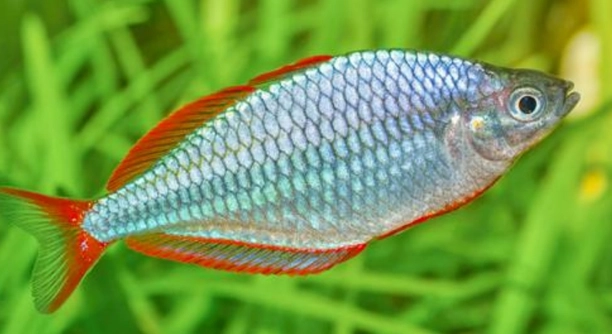
Rainbow fish are a popular choice for aquariums, admired for their vibrant colors and unique behaviors. However, one behavior that may puzzle aquarium owners is their tendency to avoid certain areas, such as gravel spots.
Rainbow fish might avoid the gravel area due to its potential discomfort. The gravel can be rough on their sensitive bodies, causing them to seek out smoother surfaces. Additionally, the depth of the gravel may create an unappealing environment for them.
Understanding the reasons behind this behavior can help create a more suitable environment for your rainbow fish. By exploring different substrate options and aquarium setups, you can ensure your fish thrive in a comfortable space.
Why Gravel Might Be Uncomfortable for Rainbow Fish
The texture of gravel can be harsh on rainbow fish, especially if the grains are too sharp. Fish with delicate skin may feel stressed when swimming close to it. Sharp edges can cause minor injuries or irritate their bodies, leading them to avoid the area altogether. Fish are sensitive to their surroundings, and they instinctively choose spots where they feel safer. Gravel that is too rough may also trap debris, reducing water quality and contributing to an unhealthy environment. In such cases, the fish are likely to avoid these areas to stay healthy.
This discomfort is often subtle, but it can have an impact over time. Fish may spend more time near plants, decorations, or in areas where the substrate is softer.
If your rainbow fish are avoiding the gravel, consider switching to finer sand or a smoother substrate. Doing so could make a big difference in their behavior, improving their overall comfort. Healthy environments encourage natural behaviors, allowing fish to flourish in their tanks.
How to Improve Your Rainbow Fish’s Habitat
When choosing substrate for rainbow fish, the smoother, the better. Sand is often a good alternative to gravel, offering a softer surface that doesn’t cause discomfort. Additionally, sand is easier to clean, preventing waste buildup. It also provides a more natural look and feel, which many aquarium fish prefer.
Another important factor to consider is the depth of the substrate. Too deep a gravel bed can cause problems with water flow and oxygen levels, leading to a stagnant environment. Shallow substrates help prevent these issues, allowing water to circulate more easily and keeping the tank healthier overall. It’s essential to balance aesthetics and functionality.
To create an ideal environment for rainbow fish, consider all factors—substrate, tank setup, and water quality. This ensures that your fish have the best conditions for both physical health and natural behavior. Proper care and thoughtful choices make all the difference in a thriving aquarium.
Substrate Alternatives for Rainbow Fish
Choosing the right substrate can drastically improve your rainbow fish’s comfort. Sand is a great option, offering a smooth texture that won’t irritate their bodies. It also mimics the natural habitats of many fish species, making them feel more at ease.
In addition to sand, there are other alternatives like fine gravel or smooth river rocks. These materials are softer than regular gravel, reducing the chances of injury. The key is to pick something that allows for water flow and doesn’t trap debris. A cleaner tank leads to healthier fish.
When setting up your tank, make sure to choose a substrate that suits both your fish and the overall aesthetic of your aquarium. A fine layer of substrate will keep your rainbow fish comfortable and happy. If in doubt, consider adding plants or decorations that offer additional hiding spots or smoother surfaces for your fish to interact with.
Water Quality and Rainbow Fish Health
Water quality plays a major role in your rainbow fish’s well-being. Even if the substrate is comfortable, poor water quality can make fish feel stressed. Rainbow fish thrive in clean, well-oxygenated water. Regular water changes and filtration are essential.
To maintain optimal water quality, aim to change about 20-25% of the water every week. This will prevent the build-up of harmful toxins that can harm your fish. Additionally, using a high-quality filter helps keep the water clean and promotes the overall health of your fish.
A consistent routine for water maintenance is key. Make sure to test the water regularly for pH levels, ammonia, and nitrate concentrations. Keeping track of these factors ensures a stable environment that encourages the natural behavior of your rainbow fish.
Tank Size and Fish Comfort
The size of the tank directly impacts your rainbow fish’s comfort. A small tank can cause overcrowding, making them feel stressed. Larger tanks provide more space for swimming and exploration, allowing fish to engage in natural behaviors.
A bigger tank also gives more room for different types of substrates and decorations, offering your fish a variety of environments. This reduces the chance that they will avoid certain areas. It also helps maintain better water quality and circulation. A spacious tank can make a significant difference in the health and happiness of your rainbow fish.
Temperature and Rainbow Fish Behavior
Rainbow fish prefer a consistent water temperature between 72°F and 78°F (22°C to 26°C). Fluctuations in temperature can cause stress, making them more likely to avoid areas in the tank that they find uncomfortable.
Ensure the water temperature stays steady by using a reliable aquarium heater. Regular monitoring helps prevent sudden changes that could negatively affect your fish’s behavior. With the right temperature range, your rainbow fish will feel more at ease, making them more likely to interact with their environment.
Aquarium Decorations and Fish Interaction
Aquarium decorations serve more than just an aesthetic purpose; they offer rainbow fish places to hide and feel secure. Incorporating plants, rocks, or smooth driftwood can encourage natural behavior and reduce the likelihood of fish avoiding certain areas.
These decorations also add structure to the tank, creating zones where fish can explore and establish territories. With enough hiding spots, rainbow fish feel safer and less stressed. This encourages them to swim freely throughout the tank, reducing the chances of them avoiding certain areas like the gravel section.
FAQ
Why do rainbow fish avoid the gravel area?
Rainbow fish may avoid the gravel area because it can be uncomfortable. Sharp edges or rough textures can irritate their sensitive skin. The gravel might also trap debris, making it harder to maintain clean water, which could further discourage the fish from interacting with it. They may prefer smoother surfaces like sand or plants where they feel safer and more comfortable.
Can rainbow fish swim in gravel?
Rainbow fish can swim in gravel, but it’s not always their preferred environment. If the gravel is too coarse or deep, they may avoid it in favor of areas with smoother surfaces. Shallow gravel or finer substrates are more likely to be tolerable for them, as they offer easier navigation and less stress on their bodies.
Is sand a better substrate for rainbow fish?
Yes, sand can be a better substrate for rainbow fish. It provides a smoother, more comfortable surface that’s gentler on their bodies. Sand also doesn’t trap debris in the same way gravel does, leading to better water quality. However, it’s important to choose fine sand and ensure it doesn’t compact, as this could impact water flow and oxygen levels.
How deep should the substrate be for rainbow fish?
The substrate should be shallow for rainbow fish. A depth of around 1-2 inches is ideal. This allows for better water circulation and reduces the risk of stagnation. A shallow substrate is also easier to clean, helping to maintain water quality and providing a more comfortable environment for your fish.
Can I use large rocks in my aquarium with rainbow fish?
Yes, you can use large rocks, but it’s important to ensure that they are smooth and free from sharp edges. Large, rough rocks could injure the fish or make them feel uncomfortable. Smooth river rocks or rounded stones are better options as they provide hiding spots without causing harm to your fish.
How often should I clean the gravel in my aquarium?
Gravel should be cleaned regularly to prevent waste and debris from building up. Using a gravel vacuum during water changes will help remove excess dirt and detritus. Cleaning the gravel every 1-2 weeks, depending on the size of the tank and the number of fish, will help keep the water quality high.
Why is my rainbow fish staying near the surface?
Rainbow fish may stay near the surface for a variety of reasons, including low oxygen levels in the lower parts of the tank or high water temperatures. Ensuring that the aquarium is well-oxygenated, with proper filtration and water movement, can encourage rainbow fish to swim throughout the tank. Check the water temperature and adjust it if necessary, as rainbow fish prefer stable conditions.
Can rainbow fish live with other types of fish?
Rainbow fish are generally peaceful and can live with other non-aggressive fish. They do well in community tanks, as long as the other fish are of similar size and temperament. Avoid aggressive or territorial species that might stress or harm the rainbow fish. Also, consider the water conditions and size of the tank to ensure compatibility.
Do rainbow fish need plants in their aquarium?
While plants are not strictly necessary, they do provide benefits for rainbow fish. Plants offer hiding spots, which help reduce stress and encourage natural behavior. Live plants can also improve water quality by absorbing excess nutrients, but make sure the plants are not too dense, as rainbow fish prefer open swimming areas.
How can I tell if my rainbow fish is stressed?
Signs of stress in rainbow fish include erratic swimming, hiding more than usual, loss of appetite, and fading color. Stress can be caused by poor water quality, unsuitable tankmates, or environmental factors like high temperature or improper substrate. Regularly checking water parameters and maintaining a clean tank can help reduce stress for your fish.
What temperature is best for rainbow fish?
Rainbow fish prefer water temperatures between 72°F and 78°F (22°C to 26°C). It’s important to maintain a consistent temperature, as fluctuations can stress the fish. Using a reliable aquarium heater and thermometer will help you keep the water at the right level. Avoid sudden changes in temperature, which can be harmful to your fish.
Can rainbow fish live in cold water tanks?
Rainbow fish are tropical fish, meaning they require warmer water temperatures to thrive. Cold water tanks are not suitable for them, as water below 70°F (21°C) can cause health issues and stress. It’s important to keep their tank in a warm, stable environment, ideally between 72°F and 78°F.
What is the ideal pH level for rainbow fish?
Rainbow fish do best in slightly acidic to neutral water, with a pH range of 6.5 to 7.5. Keeping the pH level stable is essential for their well-being. Sudden changes in pH can stress the fish and affect their immune system. Regular water testing can help ensure the pH stays within the ideal range.
Why is my rainbow fish swimming in circles?
If your rainbow fish is swimming in circles, it could be a sign of stress or illness. Swim bladder problems, parasites, or poor water conditions can lead to abnormal swimming patterns. Ensure that the water quality is good, and check for signs of illness such as discoloration or lesions. If the behavior persists, consulting an aquarium professional may be necessary.
Can rainbow fish live without a filter?
While rainbow fish can technically survive in a tank without a filter, it is not recommended. A filter helps maintain water quality by removing waste and toxins. Without a filter, water can become polluted quickly, leading to health issues for your fish. Proper filtration is essential to keep your aquarium environment safe and healthy.
How long do rainbow fish live?
Rainbow fish typically live for 5 to 8 years, depending on their care and environment. Maintaining clean water, a proper diet, and suitable tank conditions can help ensure your rainbow fish live a long and healthy life. Regular monitoring and attention to their needs can increase their lifespan and improve their overall well-being.
Final Thoughts
Rainbow fish are beautiful, peaceful creatures that thrive in well-maintained aquariums. Understanding their natural environment and preferences is essential for providing them with the best care possible. Whether it’s the substrate they swim on or the type of decorations in the tank, every detail contributes to their overall well-being. Proper water conditions, temperature, and tank size also play crucial roles in ensuring your rainbow fish feel safe and healthy.
If your rainbow fish avoid the gravel area, it may be due to discomfort from sharp edges, debris buildup, or poor water quality. By offering a smoother substrate like sand, you can create a more inviting environment for them to explore. Additionally, providing plants, rocks, or driftwood can help reduce stress and encourage natural behaviors, such as swimming freely. A larger tank with ample space for movement can further improve their quality of life.
Caring for rainbow fish requires attention to various factors, from water quality to tankmates. By observing your fish’s behavior and adjusting their environment accordingly, you can create a space where they feel secure and can flourish. With proper care, rainbow fish can live a long, healthy life, brightening up your aquarium for years to come.

Hello,
If you enjoy the content that we create, please consider saying a "Thank You!" by leaving a tip.
Every little bit helps us continue crafting quality advice that supports the health, happiness, and well-being of pets around the world, for pets of all shapes, sizes, and species.
We really appreciate the kindness and support that you show us!