
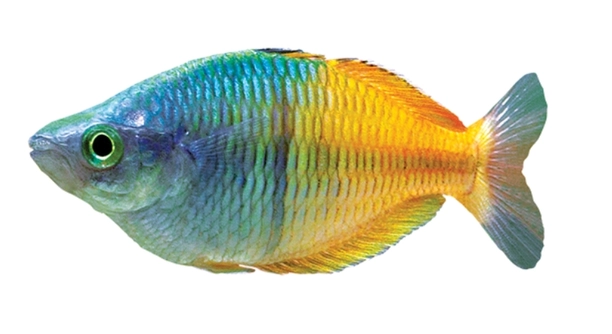
Rainbow fish are fascinating creatures that captivate many with their bright colors and active nature. Many aquarists have noticed intriguing behaviors, such as their reactions to being observed, which raises the question: Can they sense when you’re watching?
Research suggests that rainbow fish, like many animals, are capable of detecting environmental cues, including the presence of humans. They may respond to these cues through subtle changes in behavior, indicating an awareness of their surroundings and potential stimuli.
Understanding how rainbow fish respond to human presence offers insights into their cognitive abilities and how they interact with their environment. This knowledge can help you better care for and appreciate these beautiful creatures.
How Rainbow Fish Detect Their Environment
Rainbow fish rely on their keen senses to understand their surroundings. They primarily use their sight, smell, and vibrations to navigate their environment. Fish are known to have highly developed vision, often seeing a broader spectrum of colors than humans. This ability allows them to detect movements, including that of humans, from a distance.
Additionally, their lateral line system helps them sense vibrations in the water, which could indicate the presence of potential threats or changes in their environment. These physical systems make them sensitive to both the movement of water and the presence of larger animals nearby.
What is particularly fascinating is how rainbow fish appear to adjust their behavior when they sense a human nearby. They may become more active or seek refuge in plants. This behavioral response shows that they are aware of their surroundings and can detect external stimuli such as human presence.
The Role of Light and Shadows
Light and shadow can significantly influence how rainbow fish react to their environment. Fish use light to identify shapes and movements, allowing them to determine if something is nearby.
Changes in lighting, such as the shift from natural to artificial light, can also affect their activity. During low light conditions, rainbow fish might become more secretive, hiding among plants and rocks. This adjustment is likely a protective response, helping them avoid potential threats. Understanding how light affects their behavior can help you create a more suitable environment for your fish, ensuring they feel safe and secure.
The Effect of Movement on Rainbow Fish
Rainbow fish are sensitive to movement. The slightest change in their environment can trigger a response. Rapid or sudden movements tend to make them more alert or cautious. In contrast, slow and smooth motions do not seem to disturb them as much.
Fish use movement to assess their surroundings, especially when determining the presence of predators or other creatures. If you move too quickly around the tank, the fish may become startled and swim away. In the wild, this behavior helps them avoid danger. Understanding their sensitivity to movement can help you create a calm and enjoyable environment for them.
At times, rainbow fish may even show interest in subtle movements such as the ripples in the water caused by your hand. They may swim towards the movement, curiously investigating it. Recognizing these reactions can help you gauge their comfort level and understand how they interact with their environment.
How Sound Affects Their Behavior
Sound can also influence the behavior of rainbow fish. Though their hearing range is not as developed as their vision, they are still sensitive to vibrations and sounds in the water. Low-frequency sounds, such as the hum of a nearby pump or filter, are commonly detected by fish.
High-frequency sounds, like loud noises or sudden vibrations, can cause stress. Rainbow fish tend to become more skittish when they detect these higher-pitched sounds. For this reason, maintaining a peaceful environment without sudden, loud disturbances can keep them calm. Noise stress can affect their health and make them more prone to illness.
Fish often use sound and vibrations to detect movement in the water, allowing them to sense predators. In aquariums, reducing unnecessary noise ensures that the fish are less likely to feel threatened. This helps them maintain a relaxed and stable behavior.
Can Rainbow Fish Detect Humans?
Rainbow fish appear to be able to detect the presence of humans around them. They can see movement and may respond to your presence by becoming more active or hiding. This is part of their survival instinct.
These fish are visually sensitive and can associate humans with feeding times or potential threats. Their response to human presence can vary based on previous experiences. Over time, they may become accustomed to their owner’s movements and associate them with positive events, like feeding, making them less skittish.
By observing their behavior, it’s clear that rainbow fish are aware of their surroundings and can adapt to human interaction. Understanding these subtle cues can improve their care and help create a better relationship.
How They React to Feeding Time
When it’s feeding time, rainbow fish become noticeably more active. They respond to the sound of food hitting the water or the movement of the person feeding them. Their heightened sense of sight makes them aware of when food is present.
As soon as food is introduced, they eagerly swim towards it. This reaction shows their ability to detect even the smallest changes in their environment. By feeding them at regular intervals, they begin to associate feeding with your movements. This connection can make the fish more responsive and familiar with their owner’s presence. This behavior shows their cognitive ability to associate actions with rewards.
Environmental Factors That Affect Behavior
Environmental factors such as water temperature and tank conditions also play a significant role in the behavior of rainbow fish. They thrive in stable, clean environments with consistent temperatures. Sudden changes can cause them stress.
When their environment becomes unstable, they may retreat or become less active. It’s essential to monitor the water conditions regularly and keep the tank clean to ensure they feel comfortable. These factors directly influence how they interact with their surroundings and their responsiveness to human presence. Proper care ensures a more relaxed, healthy fish.
FAQ
Can rainbow fish recognize their owners?
Rainbow fish do not have the same level of recognition as mammals or other animals with more developed cognitive abilities. However, they can become familiar with their owner’s movements, especially if those movements are consistent, like during feeding times. Over time, they may start to associate the person with food and become more relaxed in their presence.
Do rainbow fish get stressed easily?
Yes, rainbow fish can get stressed, particularly if their environment is unstable or if they are exposed to sudden changes in temperature, water quality, or light levels. Loud noises and fast movements around the tank can also cause stress. Stress can weaken their immune system, so it’s important to provide a calm and stable environment for them.
What should I do if my rainbow fish seem scared?
If your rainbow fish seem scared, assess their environment. Are there sudden changes, such as a loud noise or movement nearby? Are there any aggressive tankmates? Make sure their tank conditions, including temperature and pH levels, are optimal. If they are still scared, try reducing disturbances and give them time to adjust.
How can I make my rainbow fish feel more comfortable?
To make your rainbow fish feel more comfortable, keep the tank environment stable. Maintain proper water quality, avoid sudden temperature changes, and minimize loud noises. Providing hiding places, such as plants and decorations, helps them feel secure. Regular feeding and gentle interactions can also build trust.
Do rainbow fish prefer to be alone or with others?
Rainbow fish are social animals and thrive in groups. Keeping them in a school of at least five to six fish helps reduce stress and encourages natural behaviors. They are less likely to display aggression when they have company, and it mimics their behavior in the wild.
How often should I feed rainbow fish?
Rainbow fish should be fed small amounts two to three times a day. It’s important to feed them only what they can consume in a few minutes to avoid overfeeding, which can lead to water quality issues. Varying their diet with both dry and live food can also keep them healthy.
Can rainbow fish live with other species?
Rainbow fish are generally peaceful and can coexist with many other species. However, they should not be housed with aggressive fish that might harass them. Make sure any tankmates are compatible in terms of size, temperament, and water requirements. Fish like tetras, corydoras, and guppies are good tankmates.
How long do rainbow fish live?
Rainbow fish typically live for about 5 to 7 years, though some species can live longer with proper care. Their lifespan is influenced by water quality, diet, and overall tank conditions. Regular maintenance of the tank and careful attention to their needs can help them live a longer, healthier life.
Do rainbow fish need special lighting?
Rainbow fish do not require special lighting, but providing a natural day-night cycle is beneficial for their well-being. A 10 to 12-hour light cycle each day is ideal. Lighting should not be too harsh, as it can cause stress. Additionally, using plants in the tank provides them with hiding spots that help simulate their natural habitat.
Why do rainbow fish swim at the surface of the water?
Rainbow fish are often seen swimming at the surface because that is where they find food in the wild. They are surface feeders, so they are naturally inclined to swim near the water’s surface, especially during feeding. If they are constantly at the surface, it may indicate they are hungry or looking for food.
How can I tell if my rainbow fish are healthy?
Healthy rainbow fish have vibrant colors and swim actively. They should not have any visible lesions, bumps, or abnormal growths. Healthy fish will swim with their fins spread out and breathe steadily. If they become lethargic, swim erratically, or show signs of illness like discoloration, it’s time to check water quality or seek veterinary advice.
Do rainbow fish breed in captivity?
Rainbow fish can breed in captivity, but it requires specific conditions. To encourage breeding, you should maintain excellent water quality, provide appropriate plants for egg-laying, and offer a varied diet. Many breeders use slightly cooler water temperatures to induce breeding behavior. However, breeding can be challenging without the proper environment and conditions.
Why are my rainbow fish not eating?
If your rainbow fish are not eating, check their environment first. Stress, poor water quality, or a new tank can cause them to lose their appetite. If the tank conditions are optimal, they may be picky eaters or have a preference for certain types of food. Try offering different food varieties, such as flakes, pellets, or live food.
Do rainbow fish need a filter?
Yes, rainbow fish benefit from a filtration system in their tank. A filter helps maintain water quality by removing toxins and debris, keeping the environment healthy. However, the water flow should not be too strong, as it can stress the fish. Choose a filter that creates a gentle current that suits their needs.
Can rainbow fish tolerate high temperatures?
Rainbow fish prefer temperatures between 72°F and 78°F (22°C to 26°C). While they can tolerate slightly higher temperatures for short periods, sustained high temperatures can cause stress and reduce their lifespan. It’s essential to keep their tank temperature stable and within their preferred range for optimal health.
How do I know if my rainbow fish are stressed?
Stressed rainbow fish may exhibit several signs, such as erratic swimming, hiding more than usual, or a loss of color. They might also show signs of aggression or become more reclusive. Regularly checking water parameters and observing their behavior can help you identify and address stress factors early.
Final Thoughts
Rainbow fish are fascinating creatures with unique behaviors that make them interesting to observe. While they do not have the same level of recognition as more advanced animals, they can recognize their owners over time. This recognition comes from their ability to associate movements, such as feeding, with positive experiences. As they become more familiar with their environment and the people around them, their behavior tends to change, making them less skittish and more interactive.
Understanding the behavior of rainbow fish is essential for providing the best care. Stress is a significant factor that can affect their health and overall well-being. Factors like sudden changes in water quality, temperature, and light levels can cause distress. Additionally, loud noises or rapid movements near the tank may also contribute to their anxiety. Maintaining a stable environment, with proper water conditions and minimal disturbances, is vital to creating a comfortable habitat for them. When stress is minimized, rainbow fish thrive and show more natural, relaxed behavior.
Caring for rainbow fish involves more than just feeding them regularly. It requires attention to the tank’s environment, temperature, and the quality of the water. With a balanced diet and the right care, they can live for many years and continue to provide enjoyment. Their social nature also means they do best in groups, so it’s beneficial to keep more than one. With the proper care, rainbow fish will not only survive but also display beautiful colors and unique behaviors that enhance any aquarium.

Hello,
If you enjoy the content that we create, please consider saying a "Thank You!" by leaving a tip.
Every little bit helps us continue crafting quality advice that supports the health, happiness, and well-being of pets around the world, for pets of all shapes, sizes, and species.
We really appreciate the kindness and support that you show us!