7 Reasons Your Lemon Tetra Disappeared (+What to Check)
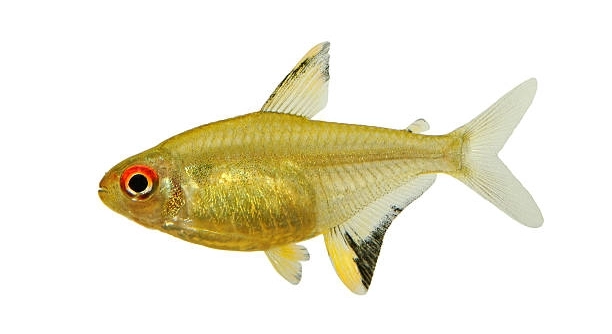
Do you ever find yourself looking at your aquarium and noticing that one of your lemon tetras is missing? It can be unsettling, especially when you cannot immediately locate them among the plants and decorations. Lemon tetras may disappear for several reasons, including predation, illness, water quality issues, hiding behavior, or stress. Each factor can … Read more
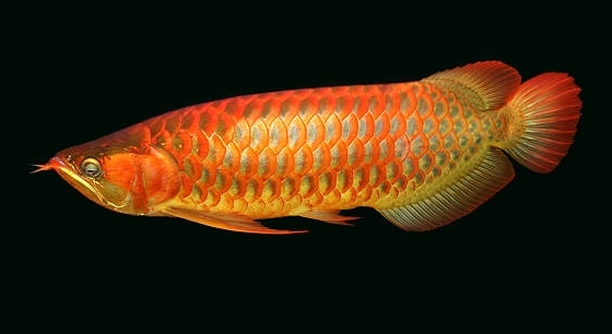
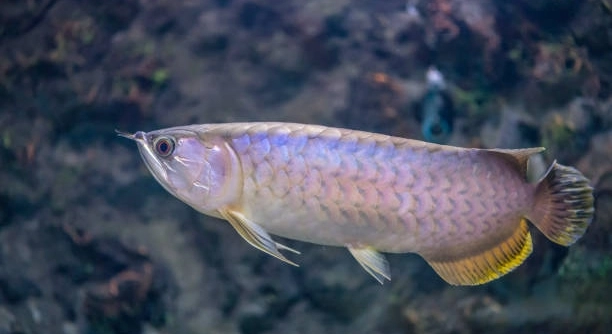
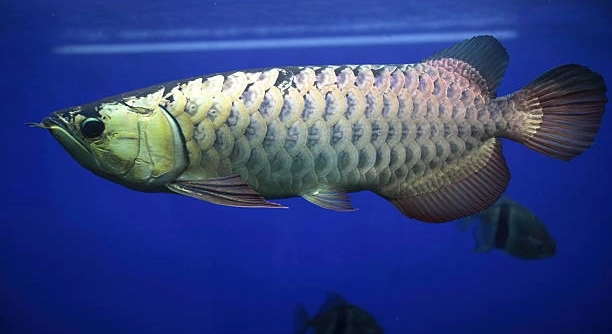
7 Surprising Facts About Arowana Behavior

Have you ever noticed your arowana swimming gracefully yet acting in ways that seem unusual or surprising? These majestic fish display behaviors that are fascinating to observe, making them captivating additions to any aquarium environment. Arowanas exhibit complex behaviors such as surface hunting, jumping to catch prey, territorial displays, and parental care. Their actions are … Read more

7 Ways to Help Arowana Adjust to New Water

Are your Arowanas struggling to settle into their new tank? Moving to a new environment can be stressful for these fish. Even slight changes in water can make them restless and affect their overall well-being. Helping Arowanas adjust to new water requires careful monitoring of water parameters, gradual acclimation, and stress reduction. Techniques such as … Read more

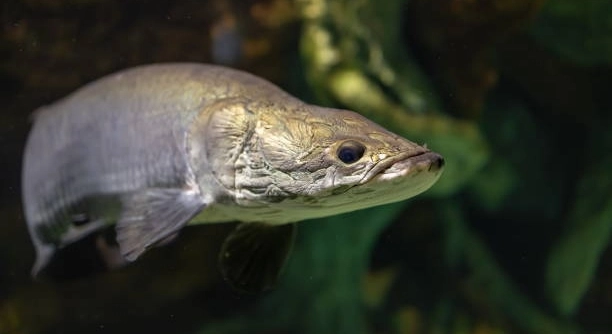
Why Does My Arowana Stop Swimming Suddenly?

Are your arowana suddenly stopping in the middle of the tank, leaving you worried and unsure what went wrong? Observing your fish behave unusually can be unsettling, especially when it interrupts their graceful swimming patterns. Arowanas may stop swimming suddenly due to stress, poor water quality, low oxygen levels, or underlying health issues such as … Read more

Why Does My Arowana Flare Its Gills?

Do you enjoy keeping ornamental fish but notice your arowana sometimes behaving in unusual ways, like flaring its gills unexpectedly? Observing this behavior can be surprising, and it often leaves fish owners seeking a clear explanation. Arowanas flare their gills primarily as a response to stress, territorial behavior, or environmental stimuli. This action increases oxygen … Read more

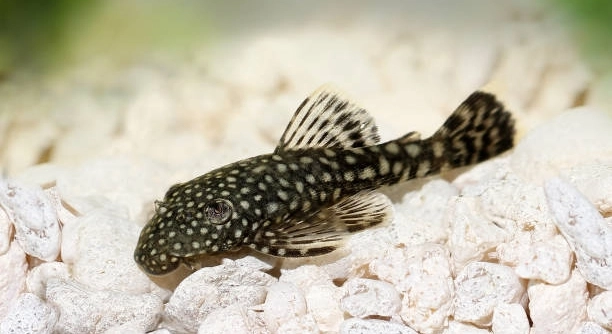
Can Bristlenose Plecos Live in Hard Water?

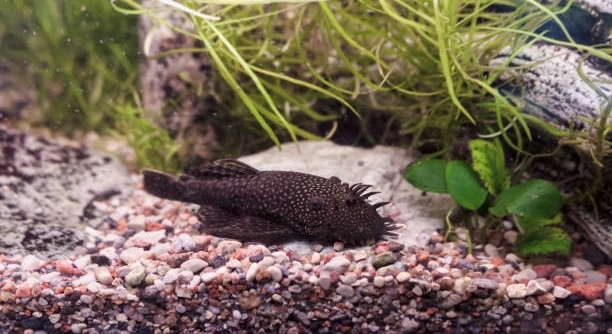
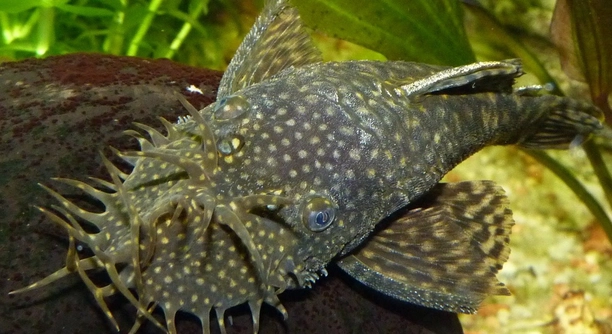
Have you ever tried keeping a Bristlenose Pleco and wondered if your aquarium’s hard water could affect its health or comfort? These fascinating bottom dwellers are popular for their peaceful nature and algae-cleaning abilities. Bristlenose Plecos can live in hard water, but they prefer moderately hard to soft conditions for optimal health. While they adapt … Read more

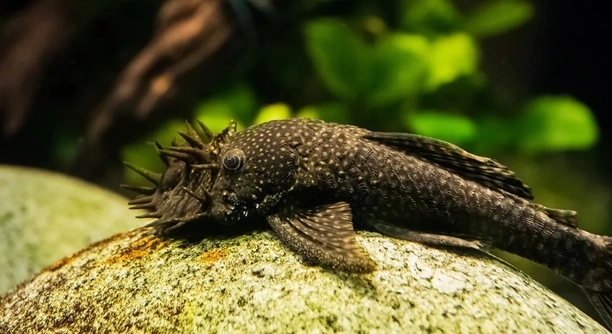
7 Things to Avoid in a Pleco Community Tank

Are your plecos acting stressed or struggling to get along with their tank mates in your community aquarium? Maintaining harmony among fish species can be tricky when their needs differ. The most important thing to avoid in a pleco community tank is incompatible tank mates. Plecos are territorial bottom dwellers, and mixing them with aggressive … Read more

Why Your Pleco Isn’t Latching to Glass

Is your pleco refusing to latch onto the glass of your aquarium despite your careful setup? Many fish owners notice their plecos drifting instead of sticking, which can be confusing and slightly frustrating during tank maintenance. The primary reason a pleco is not adhering to glass is often related to insufficient surface biofilm, improper tank … Read more

7 Ways to Tell If a Pleco Is Unhealthy

Are your plecos swimming sluggishly or hiding more than usual? Observing changes in behavior or appearance can help you identify potential health issues early. Keeping track of these signs ensures a happier, longer life for your fish. Unhealthy plecos often exhibit visible signs such as torn fins, discoloration, unusual spots, bloating, or labored breathing. Monitoring … Read more

How to Feed Plecos While You’re on Vacation

Do you ever find yourself planning a vacation but worrying about leaving your plecos behind? Keeping these freshwater fish healthy while you are away can feel challenging. Proper preparation ensures your fish stay nourished and safe. Feeding plecos during an absence requires planning ahead by using automatic feeders, preparing slow-release foods, or arranging reliable care. … Read more