
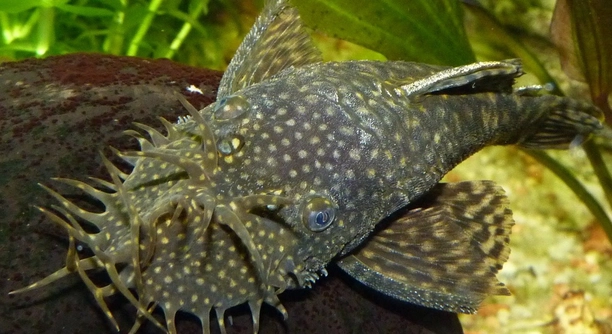
Are your plecos swimming sluggishly or hiding more than usual? Observing changes in behavior or appearance can help you identify potential health issues early. Keeping track of these signs ensures a happier, longer life for your fish.
Unhealthy plecos often exhibit visible signs such as torn fins, discoloration, unusual spots, bloating, or labored breathing. Monitoring feeding habits, activity levels, and physical appearance provides critical insights into their overall health and allows timely intervention.
Recognizing the subtle indicators of illness will help you maintain a thriving aquarium. By understanding these signals, you can support your pleco’s well-being effectively.
Changes in Appetite
When a pleco suddenly refuses to eat or consistently leaves food untouched, it may indicate an underlying health problem. A drop in appetite can be caused by stress, poor water quality, or internal infections. Monitoring feeding patterns is crucial because plecos rely on regular grazing to maintain their digestive health. If they stop eating, even for a day or two, it can quickly impact their overall condition. Observing how they react to their usual foods can provide early warning signs. In some cases, a change in appetite might accompany other symptoms such as lethargy, bloating, or unusual swimming patterns. Adjusting diet or inspecting water parameters often helps identify the root of the issue. Ensuring their tank environment mimics natural conditions supports both feeding habits and immune function, allowing your pleco to recover more effectively.
Appetite changes are an early and important sign that your pleco may be experiencing stress or illness.
Tracking consistent eating habits and noting sudden refusals can help detect problems before they worsen, preserving health and vitality.
Unusual Physical Appearance
Visible changes such as dull coloration, white spots, or frayed fins often indicate that a pleco is unwell. Observing these physical cues allows you to detect problems early. Poor water quality, parasites, and bacterial infections commonly trigger such symptoms, and they often appear before behavioral changes become obvious. Healthy plecos display vibrant coloring and smooth fins, so any deviation should be addressed immediately. Regularly checking your pleco for swelling, bloating, or lesions can prevent more serious complications. These signs may also coincide with changes in swimming or feeding patterns, offering a fuller picture of their condition. Proper maintenance of tank cleanliness, temperature, and diet supports recovery and helps prevent recurring issues. Acting promptly ensures your pleco has the best chance to regain its health and maintain a normal life within your aquarium environment.
Physical changes can signal significant health issues and should not be ignored. Prompt observation and intervention are key.
Lethargic Behavior
Lethargy in plecos is a clear indicator of potential health problems. A normally active fish that spends excessive time resting or hiding may be stressed, sick, or affected by poor water conditions. Monitoring activity levels is essential for early intervention.
Prolonged inactivity can result from low oxygen levels, poor water quality, or internal infections. Plecos naturally explore and graze, so a sudden drop in movement is concerning. Stress from overcrowding or incompatible tank mates may also contribute. Observing their behavior over several days helps determine if the issue is temporary or persistent. Adjusting water parameters and reducing stress factors often restores normal activity.
Lethargy may coincide with reduced feeding, faded coloration, or rapid gill movement. Addressing these signs early ensures a better chance of recovery. Maintaining stable water conditions and minimizing disturbances supports your pleco’s overall health and energy levels, allowing it to return to normal swimming patterns.
Rapid Breathing
Rapid or labored breathing is a serious sign of distress in plecos. It can indicate poor water oxygenation, gill parasites, or internal illness. Immediate attention to tank conditions is necessary to prevent further complications.
Low oxygen levels or high ammonia and nitrite concentrations can cause plecos to breathe faster than usual. Gill damage or parasites may also make respiration difficult. Monitoring water quality with regular testing and performing partial water changes can alleviate these problems. In some cases, supplemental aeration or adjusting tank filtration improves oxygen levels. Rapid breathing should always be investigated alongside other symptoms such as lethargy, clamped fins, or discoloration.
Proper observation and quick action are crucial when plecos show signs of labored breathing. Correcting water conditions, checking for infections, and ensuring proper aeration are key steps in restoring their health. Consistently maintaining a clean, well-oxygenated environment prevents recurring respiratory stress and supports their long-term well-being.
Frayed Fins
Frayed or torn fins often signal stress, injury, or infection in plecos. Sharp decorations, aggressive tank mates, or bacterial infections can cause damage. Regularly inspecting fins helps identify problems before they worsen.
Treating fin damage promptly prevents secondary infections. Maintaining clean water and reducing stress factors promotes healing.
Abnormal Swimming Patterns
Swimming irregularly, floating awkwardly, or struggling to maintain balance can indicate swim bladder issues, illness, or poor water conditions. Plecos should glide steadily along surfaces and explore their environment. Observing consistent patterns helps detect problems early. Adjusting tank conditions and addressing potential infections can restore normal swimming behavior, supporting overall health and comfort.
Skin Lesions
Skin lesions, sores, or open wounds are visible signs of illness. They can result from parasites, bacterial infections, or physical injury. Prompt attention prevents further complications and supports recovery.
Excessive Hiding
Plecos naturally hide, but excessive hiding may indicate stress, illness, or poor water quality. Tracking their hiding patterns helps identify potential health concerns.
FAQ
How can I tell if my pleco is stressed?
Stress in plecos often shows through changes in behavior and appearance. Signs include hiding more than usual, refusing food, or swimming erratically. Faded colors and clamped fins can also indicate stress. Ensuring proper water conditions, compatible tank mates, and a calm environment helps reduce stress and keeps plecos healthy.
What should I do if my pleco stops eating?
A sudden loss of appetite can signal illness or poor water quality. First, check the tank’s temperature, pH, ammonia, nitrite, and nitrate levels. Ensure their diet is appropriate, including algae wafers and vegetables. If the problem persists, consider consulting a veterinarian experienced with fish. Maintaining a clean environment supports recovery and encourages normal feeding.
Why are my pleco’s fins fraying?
Frayed fins usually result from injury, stress, or infection. Sharp decorations or aggressive tank mates can cause physical damage, while bacterial infections worsen over time. Clean water, careful observation, and removing potential hazards will aid in healing. Treating any infection promptly prevents further deterioration.
How can I improve my pleco’s swimming behavior?
Irregular swimming may indicate swim bladder issues, stress, or illness. Observe their patterns and compare them to normal gliding along surfaces. Correcting water parameters, improving diet, and addressing infections helps restore normal movement. Providing hiding spots and sufficient space supports comfort and reduces erratic behavior.
What causes rapid breathing in plecos?
Rapid or labored breathing can be a sign of low oxygen, gill parasites, or internal illness. Testing water quality and performing partial water changes improves oxygen levels. Aeration can help, but persistent rapid breathing requires close monitoring and possible veterinary care. Early action prevents worsening conditions.
Are skin lesions serious for plecos?
Yes, skin lesions can be caused by parasites, bacterial infections, or injury. They leave plecos vulnerable to secondary infections. Isolate affected fish if necessary, maintain clean water, and treat infections promptly. Monitoring the severity and healing progress ensures proper recovery.
How do I prevent plecos from hiding too much?
Hiding is natural, but excessive hiding suggests stress or poor water conditions. Provide adequate hiding spaces while maintaining water quality and stable parameters. Limit disturbances and avoid aggressive tank mates. Over time, consistent care encourages normal activity and reduces hiding.
Can water quality affect pleco health?
Absolutely. Poor water quality is a leading cause of illness. High ammonia, nitrites, and nitrates, along with incorrect temperature or pH, can stress plecos and lead to fin damage, lethargy, or abnormal swimming. Regular testing, water changes, and proper filtration are essential for their well-being.
How often should I monitor my pleco’s health?
Daily observation is recommended to catch early signs of illness. Watch for changes in appetite, behavior, swimming patterns, or physical appearance. Noting subtle differences allows for timely intervention, ensuring your pleco remains healthy and active.
What are common signs of pleco illness?
Common signs include lethargy, loss of appetite, frayed fins, abnormal swimming, skin lesions, rapid breathing, and excessive hiding. Identifying these signs early allows for corrective measures such as water adjustments, dietary changes, and medical treatment when necessary. Preventive care supports long-term health.
How can I treat minor pleco injuries at home?
Minor injuries like small fin tears or superficial wounds can often be treated with clean water, isolation if necessary, and antibacterial treatments designed for fish. Avoid overcrowding and maintain excellent water quality. Close observation ensures the injury heals without developing infections.
Is it normal for plecos to change color?
Some color change is natural due to age, stress, or diet. Sudden fading, darkening, or unusual spots often indicates health issues. Consistently monitor water conditions, diet, and tank environment to ensure changes are not a symptom of illness.
Can diet affect pleco health?
Yes, plecos need a balanced diet of algae, vegetables, and occasional protein. Poor nutrition can lead to weakened immunity, lethargy, or digestive issues. Offering a varied and appropriate diet supports energy levels, coloration, and overall health.
When should I seek veterinary care for my pleco?
Seek professional care if symptoms persist despite proper tank maintenance, diet, and water quality. Severe lethargy, rapid breathing, widespread lesions, or significant appetite loss are all reasons to consult an aquatic veterinarian. Early intervention improves chances of recovery.
How do I prevent recurring health issues?
Consistent monitoring of water quality, diet, tank environment, and behavior helps prevent repeated problems. Maintaining clean tanks, providing proper nutrition, and observing changes in activity or appearance ensures your pleco remains healthy over time. Prevention is always more effective than treatment.
Final Thoughts
Maintaining a healthy pleco requires careful attention to its behavior, appearance, and environment. These fish rely on consistent water conditions, proper diet, and appropriate tank mates to thrive. Observing your pleco daily for changes in appetite, activity, or color helps detect health issues early. Even small changes, such as hiding more often, swimming irregularly, or showing minor fin damage, can indicate stress or illness. Early recognition of these signs allows you to make necessary adjustments to water quality, tank setup, or feeding routines. By being proactive, you can prevent minor problems from turning into serious health concerns. Regular maintenance, including cleaning the tank, testing water parameters, and monitoring for parasites, supports a stable and safe environment. Healthy plecos are generally active, feed consistently, and display vibrant coloration, so monitoring these indicators provides a reliable measure of their overall well-being.
Proper diet plays a critical role in supporting a pleco’s health. These fish are primarily herbivores, so providing a steady supply of algae wafers, vegetables, and occasional protein ensures they receive necessary nutrients. Inadequate nutrition can lead to lethargy, reduced immunity, and abnormal behavior. Offering a variety of food encourages natural grazing habits, which keeps their digestive systems functioning correctly. Observing how much and how often your pleco eats can provide important clues about its health. Appetite loss, food refusal, or sudden changes in feeding behavior may signal underlying issues, whether related to water quality, stress, or illness. Ensuring that each pleco receives enough food without overfeeding maintains a healthy tank environment. Additionally, monitoring their feeding behavior alongside other health indicators, such as activity levels or swimming patterns, allows for a comprehensive understanding of their overall condition.
Water quality and tank conditions are equally essential for a thriving pleco. Proper filtration, regular water changes, and monitoring of pH, ammonia, nitrites, and nitrates help prevent stress and illness. Overcrowding or incompatible tank mates can also negatively affect a pleco’s health, causing hiding, aggression, or fin damage. Observing your fish closely and taking immediate action when problems arise is key to maintaining long-term well-being. Providing hiding spots and structures mimics their natural environment, giving them security and comfort. A stable environment combined with proper nutrition and regular observation ensures that plecos remain active, healthy, and stress-free. By following these basic principles, you can create an aquarium where plecos thrive, allowing them to display natural behaviors, vibrant coloration, and consistent energy levels. Attention to these details ultimately results in a longer, healthier life for your fish.

Hello,
If you enjoy the content that we create, please consider saying a "Thank You!" by leaving a tip.
Every little bit helps us continue crafting quality advice that supports the health, happiness, and well-being of pets around the world, for pets of all shapes, sizes, and species.
We really appreciate the kindness and support that you show us!