
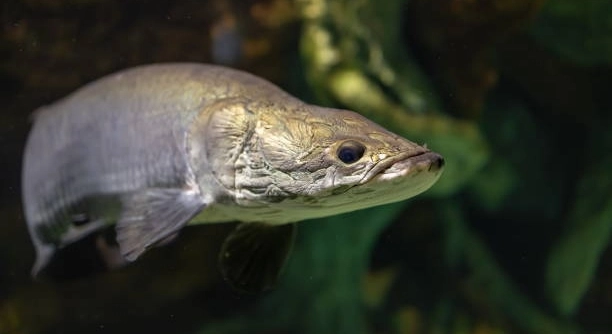
Do you enjoy keeping ornamental fish but notice your arowana sometimes behaving in unusual ways, like flaring its gills unexpectedly? Observing this behavior can be surprising, and it often leaves fish owners seeking a clear explanation.
Arowanas flare their gills primarily as a response to stress, territorial behavior, or environmental stimuli. This action increases oxygen intake and signals either aggression or alertness, serving as a natural mechanism to protect themselves and assert dominance within their habitat.
Understanding the reasons behind gill flaring will help you maintain a healthier environment and ensure your arowana feels secure and well-cared-for in its tank.
Understanding Arowana Gill Flaring
Arowanas flare their gills for several reasons, and recognizing the cause can help you manage their behavior. One common reason is stress, often caused by sudden changes in water temperature or quality. Poor filtration, overcrowding, or aggressive tank mates can also trigger this response. Additionally, gill flaring may indicate territorial behavior. Arowanas are naturally assertive and may use this display to establish dominance within the tank. Environmental stimuli, such as reflections, sudden movements, or nearby shadows, can also provoke gill flaring. Observing your arowana closely allows you to distinguish between normal behavior and signs of distress. By maintaining stable water parameters, providing sufficient space, and limiting disturbances, you reduce stress and discourage excessive gill flaring. Feeding patterns can also play a role, as overfeeding or irregular feeding schedules may create tension. Consistent tank maintenance and careful observation ensure your arowana remains healthy and less prone to frequent displays.
Gill flaring is often temporary and not necessarily harmful if your tank conditions are stable and your arowana is healthy.
Keeping track of patterns in behavior and adjusting tank conditions can prevent unnecessary stress. Regular observation helps maintain a calm, stable environment for your arowana, encouraging natural activity without constant gill flaring.
Environmental Factors Affecting Gill Flaring
Temperature, water quality, and tank size significantly influence arowana behavior.
Temperature fluctuations can cause rapid gill flaring as fish struggle to adjust. Maintaining a steady temperature between 75°F and 82°F is essential. Water quality is another critical factor; high ammonia, nitrite, or nitrate levels stress fish and trigger defensive displays. Overcrowded tanks leave little room for movement and escalate territorial aggression, making gill flaring more frequent. Even minor disturbances, such as vibrations, loud noises, or sudden light changes, can prompt gill flaring. Plants, décor, and hiding spots also affect behavior. Arowanas feel more secure when they have space to swim freely without obstacles blocking their path. Frequent water changes, proper filtration, and careful monitoring of environmental parameters reduce unnecessary stress. Observing how your arowana responds to different conditions allows you to fine-tune the tank environment, ensuring that gill flaring occurs only naturally and not as a sign of discomfort or aggression.
Proper tank management is the key to minimizing stress-induced gill flaring while promoting overall fish health.
Common Behavioral Triggers
Arowanas flare their gills when they feel threatened or challenged by other fish. This can occur during feeding, when establishing territory, or if they detect sudden movements near the tank. Recognizing these triggers helps in managing their interactions.
Aggression between arowanas or with other species often leads to gill flaring. When two fish compete for space or food, they use this display to assert dominance and intimidate rivals. Even a single arowana may flare its gills if it perceives a reflection in the glass or movement outside the tank. These behavioral triggers are natural responses and usually do not indicate illness, but repeated displays may stress other fish. Providing sufficient space, clear boundaries, and appropriate tank mates reduces these occurrences. Monitoring interactions and adjusting the environment can prevent escalation and maintain a balanced, calm tank.
Feeding times also influence gill flaring behavior. Aggressive tendencies are heightened when food is introduced, especially in crowded tanks. Observing how your arowana responds can guide adjustments in feeding practices and tank management.
Health-Related Causes
Gill flaring can signal health issues that require attention.
Respiratory problems, such as low oxygen levels or gill infections, often cause prolonged flaring. Parasites, bacterial infections, or fungal growth on gills can make breathing difficult, forcing the fish to expand its gills for more oxygen. Poor water quality exacerbates these conditions, making timely water testing and maintenance crucial. Regular monitoring of ammonia, nitrite, and nitrate levels, along with routine water changes, helps prevent health-related stress.
If your arowana exhibits continuous gill flaring alongside lethargy, loss of appetite, or unusual swimming patterns, it may be ill. Prompt diagnosis and treatment are essential to prevent worsening of the condition. Observing behavior in combination with water parameters allows you to distinguish between normal stress responses and signs of illness. Early intervention ensures your fish recovers quickly, reducing the risk of chronic health problems. Consulting a veterinarian familiar with tropical fish may be necessary if symptoms persist. Maintaining proper diet, clean water, and stable environmental conditions is key to preventing health-related gill flaring.
Tank Setup and Space
Arowanas need ample space to swim freely. Small or overcrowded tanks increase stress, causing more frequent gill flaring. Proper tank size allows them to establish territory and feel secure.
Decor placement and hiding spots also affect behavior. Open areas reduce territorial disputes, while clutter can trigger defensive displays.
Water Quality Maintenance
Regular water testing is essential. High ammonia, nitrite, or nitrate levels irritate gills and provoke flaring. Filtration and consistent water changes maintain stable conditions, keeping your arowana healthy. Clean water reduces stress, supports proper respiration, and prevents potential infections that might otherwise cause prolonged gill flaring.
Feeding Behavior
Overfeeding can lead to competition and gill flaring. Controlled feeding schedules minimize aggressive interactions and support overall fish health.
FAQ
Why does my arowana flare its gills even when alone?
Arowanas may flare their gills alone due to environmental stimuli. Reflections in the glass, sudden movements near the tank, or changes in lighting can trigger this behavior. It is a natural defensive response meant to make the fish appear larger and more intimidating. Observing when and how this happens helps determine if it is normal or stress-related.
Can gill flaring indicate illness?
Yes. Prolonged or frequent gill flaring combined with lethargy, loss of appetite, or unusual swimming patterns may indicate respiratory problems, gill infections, or parasites. Poor water quality often worsens these issues. Prompt attention, water testing, and veterinary advice are essential for prevention and treatment.
How do I reduce stress-induced gill flaring?
Maintaining a stable environment is key. Ensure proper tank size, sufficient hiding spots, and minimal disturbances. Consistent water parameters, including temperature and cleanliness, reduce stress. Observing interactions with other fish and adjusting tank conditions helps limit aggressive displays.
Does diet affect gill flaring?
Yes, feeding habits play a role. Overfeeding or irregular feeding can increase competition and provoke territorial behavior. Offering measured portions at consistent times reduces aggression and encourages calm behavior. A balanced diet supports overall health and decreases stress responses like gill flaring.
Is gill flaring normal during feeding?
It can be. Arowanas often flare their gills while asserting dominance or protecting food. This is a natural response and usually temporary. Ensuring enough space and monitoring feeding interactions prevents injury and limits unnecessary stress among tank mates.
Can tank mates influence gill flaring?
Definitely. Aggressive or territorial species can provoke frequent gill flaring. Choosing compatible tank mates and providing enough space for each fish reduces conflict. Observation is important to identify interactions that trigger displays and adjust the setup accordingly.
How often should I check water quality to prevent gill flaring?
Testing water at least once a week is recommended. Monitoring ammonia, nitrite, nitrate, and pH levels helps maintain stable conditions. Timely water changes and proper filtration prevent stress and gill irritation, which are common causes of repeated gill flaring.
Will gill flaring stop as my arowana grows?
Not necessarily. While some aggressive displays may decrease as fish mature and establish territory, gill flaring can persist in response to stress, environmental changes, or social interactions. Continuous observation and proper tank management remain important throughout the arowana’s life.
Are reflections harmful to arowanas?
Reflections can trigger gill flaring but are not harmful by themselves. Limiting reflective surfaces or covering tank sides can reduce unnecessary stress. It is a behavioral response, not a sign of illness, and adjusting the environment helps the fish remain calm.
How can I distinguish normal gill flaring from a problem?
Normal gill flaring is brief and situational, often occurring during feeding or minor disturbances. Problematic flaring is prolonged, frequent, or accompanied by other signs like labored breathing, discoloration, or lethargy. Observing context and overall health helps identify when intervention is needed.
Does tank size impact gill flaring?
Yes, cramped tanks increase territorial disputes and stress, causing more gill flaring. Arowanas require large tanks with open swimming space to feel secure. Proper spacing between individuals and clear boundaries reduce aggression and encourage natural, calm behavior.
Can lighting affect gill flaring?
Sudden changes in lighting or overly bright lights can startle arowanas, triggering gill flaring. Gradual adjustments, dimmable lights, or natural day-night cycles help reduce stress responses and create a comfortable, predictable environment for the fish.
Is gill flaring dangerous for my arowana?
Occasional gill flaring is not harmful, but frequent displays due to stress or poor conditions can lead to fatigue or injury. Maintaining clean water, proper feeding, sufficient space, and compatible tank mates minimizes risks and supports long-term health.
Should I separate flaring arowanas?
If gill flaring is due to aggression, temporarily separating fish can prevent injury. Providing adequate space, visual barriers, and hiding spots often resolves conflict without long-term separation. Observation helps determine if separation is necessary or if tank adjustments are sufficient.
Can I train my arowana to reduce gill flaring?
While you cannot completely eliminate natural behaviors, consistent feeding schedules, calm handling, and stable tank conditions reduce stress-induced flaring. Gradually minimizing disturbances teaches the fish to feel more secure and decreases frequent defensive displays.
How do water changes influence gill flaring?
Regular water changes maintain oxygen levels and remove toxins. Clean water reduces irritation to gills, preventing stress-related flaring. Sudden large changes may startle fish, so gradual adjustments are recommended to support both health and comfort.
What is the difference between gill flaring and labored breathing?
Gill flaring is a defensive or territorial behavior, often brief. Labored breathing is continuous, rapid, or accompanied by other symptoms like lethargy, clamped fins, or pale gills. Identifying the difference is crucial to addressing potential health issues promptly.
Can temperature swings trigger gill flaring?
Yes, sudden changes in temperature can stress arowanas, causing them to flare their gills. Maintaining a consistent range between 75°F and 82°F reduces stress responses and helps fish remain calm and active.
How do I create a stress-free environment for my arowana?
Stable water parameters, sufficient space, compatible tank mates, gradual lighting changes, and predictable feeding schedules create a calm environment. Reducing sudden disturbances and monitoring fish behavior allows for adjustments that minimize stress and unnecessary gill flaring.
Is gill flaring more common in young or adult arowanas?
Both age groups exhibit gill flaring, but juveniles may flare more frequently as they establish territory and explore their environment. Adults flare primarily in response to stress, aggression, or environmental changes, so monitoring behavior is important at all life stages.
Can reflections of humans trigger gill flaring?
Yes. Arowanas may perceive their own reflection or your movement outside the tank as a potential threat. Limiting reflections or maintaining a consistent visual environment helps reduce unnecessary defensive displays and keeps the fish calmer.
Do seasonal changes affect gill flaring?
Seasonal temperature or light changes can influence behavior. Sudden fluctuations may stress arowanas, causing more frequent gill flaring. Consistent tank conditions and careful monitoring of seasonal shifts help maintain stability and reduce stress-induced responses.
Are there signs that gill flaring is due to aggression rather than stress?
Aggression-related flaring usually occurs in the presence of other fish, particularly during feeding or territorial disputes. Stress-induced flaring may happen alone or in response to environmental changes. Observing context, body posture, and interactions helps distinguish between the two.
What preventive measures can minimize gill flaring?
Proper tank size, compatible tank mates, stable water parameters, gradual lighting changes, consistent feeding, and minimal disturbances reduce unnecessary gill flaring. Observing behavior and adjusting environmental conditions early prevents stress, aggression, and potential health issues.
How long does gill flaring typically last?
Normal gill flaring lasts a few seconds to a minute and subsides once the stimulus is gone. Prolonged or repeated flaring may indicate stress, overcrowding, poor water quality, or health problems, requiring attention and corrective action.
Can adding plants or décor reduce gill flaring?
Strategically placed décor and plants create visual barriers and hiding spots, helping reduce territorial disputes and stress. Providing open swimming areas along with cover allows arowanas to establish space comfortably and limits aggressive displays.
When should I consult a veterinarian?
If gill flaring is prolonged, frequent, or accompanied by lethargy, loss of appetite, discoloration, or unusual swimming patterns, a veterinarian familiar with tropical fish should be consulted promptly to prevent worsening health issues.
How do I know if my arowana is healthy despite gill flaring?
Healthy arowanas flare occasionally during feeding or minor disturbances but remain active, alert, and maintain regular appetite and coloration. Monitoring overall behavior and ensuring stable tank conditions confirms well-being while distinguishing normal behavior from health concerns.
Can water flow affect gill flaring?
Strong currents may stress arowanas, causing them to flare gills to maintain position or breathe efficiently. Gentle, controlled water flow is ideal to provide oxygenation without overwhelming the fish or triggering defensive behavior.
Is gill flaring different in various arowana species?
Species may vary in aggression and territorial tendencies, affecting the frequency of gill flaring. Understanding the specific needs and natural behavior of your arowana species helps manage the tank environment effectively and minimize unnecessary stress.
Does overcrowding increase gill flaring?
Yes. Too many fish in a limited space heighten competition and territorial behavior. Sufficient tank size, proper stocking density, and careful selection of tank mates reduce aggression and prevent frequent defensive displays like gill flaring.
Can gill flaring indicate readiness to breed?
In some cases, gill flaring may be observed during mating displays or courtship. This behavior is usually paired with other actions such as fin displays and following a partner. Understanding breeding patterns helps distinguish reproductive flaring from stress or aggression.
What role does oxygen level play in gill flaring?
Low oxygen levels force arowanas to flare gills to increase intake. Proper aeration, filtration, and water movement ensure adequate oxygenation, reducing stress-related displays and promoting healthy respiration.
How can I safely observe gill flaring without causing stress?
Minimize sudden movements, loud noises, or tapping on the tank glass while monitoring behavior. Use consistent lighting and approach slowly to avoid triggering unnecessary defensive responses, allowing accurate observation of natural behavior.
Are there long-term effects of frequent gill flaring?
Occasional flaring is harmless, but chronic stress or aggressive interactions may lead to fatigue, weakened immunity, and increased susceptibility to disease. Maintaining proper tank conditions and monitoring behavior prevents long-term health problems.
Can I use tank dividers to manage gill flaring?
Yes, dividers provide visual separation, reduce territorial disputes, and prevent injury. Temporary or permanent barriers can help maintain a calm environment while allowing each fish adequate space.
How does acclimation affect gill flaring?
Newly introduced arowanas may flare gills frequently as they adjust to unfamiliar surroundings. Gradual acclimation, stable water parameters, and careful observation help reduce stress-related behavior and support successful adaptation to the tank environment.
Does age influence gill flaring intensity?
Younger fish may flare more often while establishing territory, while older fish flare mainly in response to threats, competition, or environmental changes. Understanding age-related tendencies helps manage behavior and tank conditions effectively.
Can water pH affect gill flaring?
Improper pH levels stress arowanas and may provoke gill flaring. Maintaining pH within the recommended range for your species supports overall health, reduces stress, and prevents defensive displays caused by environmental imbalance.
Is frequent gill flaring a sign of anxiety in arowanas?
Yes. Consistent defensive behavior often reflects environmental stress, poor tank conditions, or social tension. Addressing underlying causes helps reduce anxiety and creates a stable, calm habitat for your arowana.
What is the best way to monitor gill flaring patterns?
Keep a log of timing, frequency, and triggers of gill flaring. Combine this with water quality records, feeding schedules, and tank interactions to identify patterns and make informed adjustments to minimize stress.
Can reflections from equipment trigger gill flaring?
Yes, shiny surfaces or moving equipment can provoke defensive displays. Positioning or covering reflective surfaces reduces unnecessary stress and helps your arowana remain calm while maintaining awareness of its environment.
Does tank depth influence gill flaring?
Shallow tanks may increase stress due to limited vertical space, while deeper tanks allow more movement and territorial freedom. Providing appropriate depth helps reduce defensive behavior and encourages natural swimming patterns.
Can water hardness impact gill flaring?
Extreme hardness or softness may irritate gills, leading to stress-induced flaring. Testing and adjusting water hardness to the appropriate level supports gill health, overall well-being, and reduces unnecessary defensive responses.
How do I know if gill flaring is temporary?
Temporary flaring occurs in response to short-term stimuli, such as reflections, feeding, or minor disturbances. Persistent, repeated, or prolonged gill flaring may indicate stress, aggression, or health concerns requiring intervention.
Are there signs of chronic stress linked to gill flaring?
Chronic stress manifests as repeated flaring, lethargy, loss of appetite, fin clamping, or abnormal swimming. Addressing water quality, tank size, tank mates, and environmental stability helps reduce stress and maintain long-term health.
Does tank location affect gill flaring?
High-traffic areas or frequent vibrations outside the tank can provoke defensive behavior. Placing the tank in a quieter, stable location minimizes stress and reduces unnecessary gill flaring.
Can supplements or medications influence gill flaring?
Certain treatments may temporarily stress fish, causing gill flaring. Follow dosage instructions carefully, monitor behavior during treatment, and maintain optimal tank conditions to minimize stress responses.
What environmental changes should I avoid to prevent gill flaring?
Avoid sudden temperature shifts, strong currents, abrupt lighting changes, or overcrowding. Gradual adjustments and stable conditions keep your arowana comfortable and reduce defensive or stress-induced gill flaring.
Can other pets outside the tank trigger gill flaring?
Yes, movements of pets like cats or dogs near the tank may be perceived as threats. Limiting disturbances or positioning the tank away from active areas helps reduce stress-related behavior.
Is gill flaring a reliable indicator of overall health?
It can provide clues but must be interpreted alongside other signs like appetite, swimming behavior, and coloration. Combined observation ensures accurate assessment of health and well-being.
Do sudden noises impact gill flaring?
Loud or abrupt sounds can startle arowanas, provoking temporary gill flaring. Maintaining a calm environment with minimal noise reduces stress-induced responses and supports a stable, healthy tank.
Are there behavioral signs that accompany gill flaring?
Signs include raised fins, rapid swimming, chasing other fish, or staying near the surface. Recognizing accompanying behaviors helps distinguish between normal territorial displays and stress-related issues.
How often is gill flaring considered excessive?
Frequent displays multiple times a day, especially without apparent triggers, indicate excessive gill flaring. This may result from poor water quality, overcrowding, or health issues, and warrants immediate observation and adjustment.
Does tank cover or lid impact gill flaring?
A secure lid reduces stress by preventing shadows, jumping, or external interference. Consistent tank setup without sudden changes helps minimize defensive displays.
Can seasonal feeding adjustments influence gill flaring?
Feeding less or more frequently than usual can trigger competition or stress. Maintaining a consistent schedule and portion size supports calm behavior and reduces defensive responses.
How do I prevent aggression-related gill flaring?
Ensure enough space, compatible tank mates, hiding spots, and clear territorial boundaries. Observing behavior and making adjustments early helps prevent escalation and reduces stress for all fish.
Can water additives or treatments trigger gill flaring?
Some chemicals may irritate gills temporarily. Use additives cautiously, follow instructions, and observe fish closely to ensure reactions are not prolonged or harmful.
Are some arowanas naturally more prone to gill flaring?
Yes, individual temperament, species traits, and prior experiences affect frequency. Recognizing natural tendencies allows tailored tank management and reduces stress-induced flaring.
Does feeding method affect gill flaring?
Hand-feeding or scattering food differently may provoke less aggression. Providing structured feeding methods prevents competition and reduces defensive displays during mealtime.
How do I differentiate between gill flaring and gasping?
Gasping is continuous, often at the surface, indicating low oxygen or respiratory issues. Flaring is brief and situational. Correct identification ensures proper response to environmental or health problems.
Is gill flaring harmful to other tank mates?
Repeated displays may intimidate or stress other fish, especially in smaller tanks. Providing adequate space, visual barriers, and proper stocking reduces aggressive interactions.
Can temperature stratification in the tank affect gill flaring?
Layered temperatures create zones of discomfort. Fish may flare gills to cope with sudden shifts. Maintaining uniform temperature reduces stress and promotes calm, natural behavior.
Do I need to worry if gill flaring occurs at night?
Nighttime flaring may indicate disturbances, reflections, or poor oxygen levels. Ensuring stable conditions and low light at night supports restful behavior and reduces unnecessary displays.
How long does it take for arowanas to adapt to new tanks without excessive gill flaring?
Adaptation varies by individual, typically a few days to a week. Gradual acclimation, stable water parameters, and minimal disturbances help fish settle and reduce frequent defensive displays.
Are there behavioral enrichment techniques to reduce gill flaring?
Providing varied décor, swimming space, and structured feeding routines engages the fish, reduces boredom, and minimizes stress-induced gill flaring. Monitoring preferences allows customization for calmer behavior.
Can water agitation from filters cause gill flaring?
Strong currents can stress fish, prompting defensive displays. Adjusting flow, using baffles, or redirecting output provides gentle circulation without triggering excessive gill flaring.
Is gill flaring more common in specific times of day?
Flaring often occurs during feeding, human activity, or changes in light. Predictable schedules and minimizing sudden disturbances help reduce frequency and maintain calm behavior.
Do tank companions affect gill flaring differently at different ages?
Juveniles flare more due to territorial establishment, while adults respond primarily to threats or competition. Observing age-related behavior aids in tank management and reducing aggression.
Can overstocking amplify gill flaring?
Yes, overcrowding increases stress, competition, and aggression. Providing adequate space and managing stocking density reduces conflict and promotes calmer, healthier fish.
Do arowanas flare gills when exploring new objects?
Yes, unfamiliar items may trigger defensive behavior. Introducing new décor gradually and monitoring responses helps the fish acclimate without excessive stress or displays.
Can seasonal water parameter shifts trigger gill flaring?
Changes in temperature, pH, or hardness during seasons can stress fish. Maintaining stable conditions minimizes defensive responses and supports long-term health.
Does tank lighting schedule influence gill flaring?
Sudden changes in lighting can startle arowanas. Consistent day-night cycles reduce stress, limit unnecessary displays, and promote predictable behavior.
**Are there signs that gill flaring is linked to
Final Thoughts
Observing gill flaring in your arowana can feel alarming at first, but it is often a natural part of their behavior. Flaring serves as a communication tool and a response to environmental stimuli. Arowanas may flare their gills to assert dominance, protect their territory, or react to changes in their surroundings. Even when alone, they can flare in response to reflections, sudden movements, or light shifts. While occasional flaring is normal, paying attention to patterns and triggers is important. Understanding what causes your arowana to flare helps you distinguish between routine behavior and potential health or stress issues. Consistent observation allows you to address problems early and ensure the fish remains healthy.
Maintaining optimal tank conditions is essential for minimizing unnecessary gill flaring. Water quality, temperature, and oxygen levels directly affect how comfortable your arowana feels in its environment. Poor water conditions, high ammonia levels, or sudden temperature fluctuations can increase stress and provoke repeated flaring. Adequate tank size and thoughtful décor placement also play a role. Open swimming space reduces territorial disputes, while hiding spots help the fish feel secure. Proper feeding practices contribute as well; overfeeding or irregular schedules can heighten aggressive or defensive behavior. By providing a stable and predictable environment, you allow your arowana to display natural behavior without excessive stress responses. Paying close attention to tank conditions and your fish’s reactions can prevent minor issues from becoming long-term problems.
Monitoring your arowana’s overall health is equally important. Persistent or prolonged gill flaring, especially when accompanied by lethargy, loss of appetite, or abnormal swimming, may indicate illness or respiratory problems. Regular water testing, careful observation of tank mates, and prompt intervention when unusual behavior arises are key to preventing serious issues. Even minor changes in behavior can provide valuable insights into the fish’s well-being. Establishing a routine of checking water parameters, observing daily activity, and providing consistent care ensures your arowana remains healthy and comfortable. While gill flaring is often harmless, understanding its causes and maintaining proper care allows you to create a balanced environment where your fish can thrive. Taking these steps fosters a calm, healthy habitat and reduces stress-related behaviors, making it easier to enjoy watching your arowana flourish over time.

Hello,
If you enjoy the content that we create, please consider saying a "Thank You!" by leaving a tip.
Every little bit helps us continue crafting quality advice that supports the health, happiness, and well-being of pets around the world, for pets of all shapes, sizes, and species.
We really appreciate the kindness and support that you show us!