
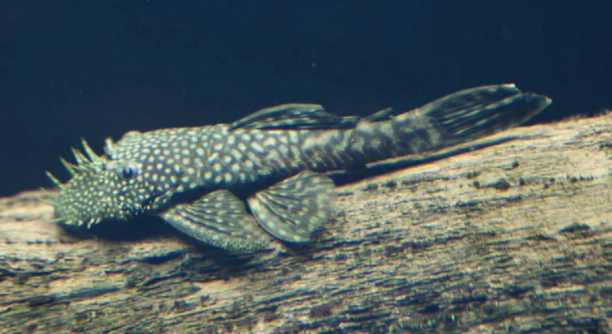
Do you ever find yourself planning a vacation but worrying about leaving your plecos behind? Keeping these freshwater fish healthy while you are away can feel challenging. Proper preparation ensures your fish stay nourished and safe.
Feeding plecos during an absence requires planning ahead by using automatic feeders, preparing slow-release foods, or arranging reliable care. Consistent feeding schedules and maintaining water quality are critical to prevent stress and ensure optimal health in their aquatic environment.
Understanding the best feeding methods will keep your plecos thriving and your tank balanced. This guide will provide clear strategies for worry-free vacations.
Preparing Your Plecos Before Vacation
Before leaving for vacation, it is important to prepare your plecos carefully. Start by checking their tank to ensure all equipment functions properly, including filters, heaters, and lights. Clean the tank thoroughly, removing excess algae and debris to maintain water quality while you are away. Provide fresh vegetables such as zucchini, cucumber, or spinach, cutting them into manageable pieces. If using algae wafers, ensure they are suitable for slow release and place them strategically so they do not pollute the water. Consider temporarily reducing feeding a day or two before departure to prevent leftover food from fouling the tank. Double-check water parameters like temperature, pH, and ammonia levels, as stable conditions reduce stress for your plecos. Setting up an automatic feeder can help maintain consistency, but always test it beforehand to confirm it works reliably. Proper preparation reduces the risk of issues while you are gone.
Planning ahead for pleco care ensures their health and safety during your absence without constant supervision.
In addition to feeding and cleaning, observe your plecos’ behavior before leaving. Healthy plecos are active at night, cling to surfaces, and show normal coloration. Address any signs of illness or stress immediately, as even minor issues can worsen in your absence. If possible, arrange for someone to check the tank occasionally. Combining preparation, careful observation, and reliable feeding methods will help your plecos remain healthy and comfortable until your return.
Feeding Methods While Away
Automatic feeders can simplify feeding while you are on vacation.
There are several effective ways to feed plecos in your absence. Slow-release algae wafers are useful because they dissolve gradually, providing a steady source of nutrition. Freeze-dried vegetables can also be pre-prepared and placed in the tank to last several days, though they require testing to ensure they do not over-pollute the water. For longer vacations, arranging for someone familiar with fish care to check in is often the safest approach. Combining these methods with a cleaned tank and stable water parameters reduces stress and ensures that plecos continue to thrive. Monitoring before departure helps identify which feeding method will be most reliable. Proper planning with these strategies minimizes the risk of overfeeding, water contamination, or nutritional gaps, keeping your plecos healthy and active throughout your absence.
Choosing the Right Automatic Feeder
Automatic feeders help maintain a consistent feeding schedule for plecos while you are away. Choosing one that allows adjustable portion sizes and timing ensures your fish receive the right amount of food without overfeeding or creating water quality issues.
Test the feeder before leaving to confirm it works reliably. Select a model compatible with pleco diets, such as one that can hold pellets or wafers securely. Place it in a stable location to avoid tipping or jamming. Some feeders allow multiple daily feedings, which is ideal for maintaining normal pleco routines. Regular testing prevents mechanical failures while you are gone. Always combine the feeder with a cleaned tank to reduce leftover food accumulation and maintain water quality. Proper setup ensures plecos stay nourished and stress-free.
While automatic feeders are helpful, they are not a replacement for monitoring. Observe plecos before departure to gauge portion sizes and feeding frequency. Ensure food distribution reaches all areas of the tank and does not remain in clumps. Adjust timing according to pleco activity, as some prefer feeding at night. Preparing the feeder carefully reduces the risk of missed meals or tank contamination during your absence, keeping plecos comfortable and healthy until your return.
Alternative Feeding Options
Slow-release algae wafers provide consistent nutrition over several days. They dissolve gradually, ensuring plecos have access to food without excess waste.
Freeze-dried vegetables can be pre-cut and added to the tank in portions. Zucchini, cucumber, and spinach work well, but test them first to avoid water fouling. Arrange wafers or vegetables in multiple locations, allowing all plecos to feed. Combining slow-release wafers with occasional check-ins from someone familiar with fish care is a reliable approach for longer vacations. Monitor water quality before departure to prevent sudden changes while food is gradually consumed. Proper placement of food ensures all plecos eat and remain active, reducing stress during absence.
For extended trips, combining methods increases reliability. Use slow-release wafers, supplemented with pre-cut vegetables, and pair them with scheduled water checks if possible. This combination addresses nutritional needs, prevents overfeeding, and maintains water quality. Arrange instructions for someone checking the tank, including feeding schedules, portion amounts, and emergency contacts. Observing pleco behavior before departure helps determine which foods are eaten most readily and how much is necessary. By planning carefully, your plecos will remain healthy and well-fed, and you can enjoy your time away without worrying about their care.
Monitoring Water Quality
Maintaining stable water quality is essential while plecos are left unattended. Check filters, heaters, and aeration systems before departure to ensure consistent conditions. Clean the tank and remove excess debris to prevent spikes in ammonia or nitrites during your absence.
Using water conditioners and testing kits helps maintain safety. Pre-treat water for partial changes if needed, reducing stress on plecos. Proper setup ensures the aquatic environment remains balanced and prevents sudden changes that can affect fish health.
Preparing Backup Feeding Plans
Having a backup feeding plan safeguards your plecos in case an automatic feeder fails. Pre-measured portions of slow-release wafers or freeze-dried vegetables can be arranged to last several days. Label and store them clearly to avoid confusion. Proper planning reduces stress and ensures consistent feeding.
Using Slow-Release Foods Effectively
Slow-release foods provide continuous nutrition for plecos over multiple days. Place them in areas where plecos naturally gather, such as near rocks or driftwood. Avoid overcrowding food in one spot to prevent water contamination. Check that the selected products are designed for extended feeding periods.
Arranging Temporary Care
If possible, have someone check your tank during your absence. A brief visit every few days ensures feeders work properly and water quality remains stable. Simple observations prevent potential issues and maintain pleco health.
FAQ
How long can plecos go without food?
Plecos are hardy fish and can survive several days without food, especially larger species. Typically, they can go up to a week without serious health issues. However, prolonged fasting may stress them and weaken their immune system, making them more susceptible to disease. Planning feeding strategies before leaving helps prevent nutritional gaps.
Can I leave plecos completely unattended for two weeks?
It is possible with proper preparation. Using slow-release algae wafers or an automatic feeder combined with a cleaned tank can sustain them. For longer periods, arranging someone to check the tank is safer. Unattended plecos rely on stable water quality and reliable feeding to remain healthy.
Are automatic feeders safe for plecos?
Yes, automatic feeders designed for pellets or wafers are generally safe. Ensure the feeder dispenses appropriate portions to avoid overfeeding or food accumulation. Test it before departure to confirm it works consistently. Positioning the feeder properly prevents food from getting stuck or contaminating the tank.
Which slow-release foods work best?
Algae wafers specifically labeled for plecos are ideal. They dissolve gradually, providing a steady food source over several days. Freeze-dried vegetables like zucchini or cucumber can also be effective if pre-cut and placed carefully. Avoid foods that break apart too quickly, as they can pollute water.
Can I use frozen vegetables while I’m away?
Frozen vegetables are not recommended unless someone can place them in the tank at intervals. They can spoil quickly if left at room temperature or thawed improperly. Slow-release or pre-measured freeze-dried options are safer and reduce water quality risks.
How do I prevent water quality issues while away?
Clean the tank thoroughly before leaving and remove uneaten food or debris. Ensure filters, heaters, and aerators are functioning properly. Adding water conditioners and testing key parameters like ammonia, nitrite, and pH helps maintain stability. Balanced water reduces stress and keeps plecos healthy.
What if my pleco refuses the food I leave?
Observe feeding behavior before leaving to identify preferred foods. Offering familiar options like algae wafers or specific vegetables increases the likelihood of consumption. Combining methods, such as using both wafers and freeze-dried vegetables, helps ensure plecos get adequate nutrition.
Is it necessary to have someone check on the tank?
Having a trusted person check on your tank adds an extra layer of security. They can confirm feeders work, water remains clear, and plecos appear healthy. Even short visits prevent small problems from becoming major issues and maintain your peace of mind while away.
How do I measure the right food portion?
Feed portions should be small enough to be consumed over a few hours to prevent excess decay. Observing plecos’ eating habits before leaving allows accurate portioning. Split larger amounts into multiple slow-release pieces to ensure even distribution and reduce the risk of water contamination.
Can plecos survive only on vegetables?
Vegetables like zucchini, cucumber, and spinach provide essential fiber and nutrients, but plecos also need protein from algae wafers or prepared pellets. A balanced diet is necessary for long-term health. Combining plant matter with slow-release wafers ensures nutritional needs are fully met while you are away.
How do I adjust feeding for different pleco species?
Different species vary in size and metabolism. Larger plecos may require more substantial portions, while smaller species need less frequent feeding. Observing activity patterns and feeding responses before leaving helps adjust quantities and ensures all plecos receive adequate nutrition.
What should I do if a pleco shows signs of stress while I’m gone?
Stress signs include lethargy, hiding excessively, or loss of appetite. Having someone check on the tank allows early intervention. Adjusting feeding methods, maintaining stable water quality, and monitoring temperature can reduce stress and prevent illness during your absence.
Can I leave plecos with only algae wafers for two weeks?
Yes, if the wafers are slow-release and designed for extended feeding. Place them in areas plecos naturally gather. Combining wafers with occasional pre-cut vegetables or arranging someone to monitor the tank enhances nutritional support and reduces the risk of overfeeding or water contamination.
Is it necessary to clean the tank before every vacation?
Cleaning before departure helps remove uneaten food, algae buildup, and debris, reducing water quality risks while you are gone. Maintaining a clean environment supports healthy feeding and minimizes stress. It is especially important if using slow-release foods that remain in the tank for several days.
What is the safest way to leave plecos for long trips?
The safest approach combines a cleaned tank, slow-release foods, automatic feeders, and optional check-ins from someone familiar with fish care. Monitoring water quality beforehand and testing feeding systems reduces potential problems. Careful planning ensures plecos stay healthy, nourished, and comfortable until your return.
This FAQ provides clear guidance for managing plecos during absences, covering feeding strategies, water maintenance, and species-specific considerations. Proper preparation and reliable systems are key to keeping plecos healthy and stress-free.
Final Thoughts
Leaving plecos at home while on vacation can feel stressful, but proper preparation makes it manageable. Ensuring the tank is clean and all equipment is functioning is the first step. Filters, heaters, and aeration systems should be checked to avoid malfunctions. Stable water conditions are essential, as sudden changes can stress plecos and affect their health. Removing excess debris and uneaten food before departure reduces the risk of spikes in ammonia or nitrites. Preparing the tank carefully before leaving gives your plecos a stable environment, allowing them to remain healthy and active in your absence.
Feeding is another critical aspect to consider. Automatic feeders, slow-release algae wafers, and pre-cut freeze-dried vegetables can provide a reliable source of nutrition while you are away. Testing automatic feeders beforehand ensures they work consistently, and spreading food throughout the tank prevents accumulation in one area. Observing your plecos’ eating habits before leaving helps you determine portion sizes and preferred foods. Combining different feeding methods, especially for longer trips, increases reliability and reduces the chance of underfeeding or overfeeding. Even small adjustments, like cutting vegetables into appropriate sizes, can make a noticeable difference in keeping the fish comfortable and nourished.
Arranging occasional monitoring is an extra precaution that can prevent problems from escalating. A trusted person checking the tank can ensure feeders operate correctly, water quality remains stable, and plecos appear healthy. Observing behavior such as activity levels, coloration, and feeding response helps detect stress or illness early. Planning for contingencies, including slow-release foods, backup feeding methods, and clear instructions for anyone helping, ensures plecos stay well cared for. With thoughtful preparation and proper systems in place, plecos can remain healthy, safe, and stress-free during vacations. Taking these steps allows you to enjoy your time away while knowing your aquatic pets are being looked after responsibly.

Hello,
If you enjoy the content that we create, please consider saying a "Thank You!" by leaving a tip.
Every little bit helps us continue crafting quality advice that supports the health, happiness, and well-being of pets around the world, for pets of all shapes, sizes, and species.
We really appreciate the kindness and support that you show us!