
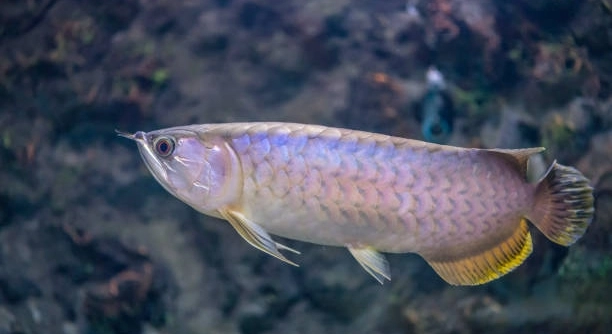
Have you ever noticed your arowana swimming gracefully yet acting in ways that seem unusual or surprising? These majestic fish display behaviors that are fascinating to observe, making them captivating additions to any aquarium environment.
Arowanas exhibit complex behaviors such as surface hunting, jumping to catch prey, territorial displays, and parental care. Their actions are influenced by environmental factors, social interactions, and instinctual survival mechanisms, reflecting advanced cognitive and adaptive abilities.
Observing these behaviors can reveal insights about their needs, instincts, and interactions, offering a clearer understanding of arowanas’ unique aquatic lifestyles.
Surface Hunting Techniques
Arowanas are natural surface hunters. They often glide just below the water, scanning for insects or small fish. Watching mine, I noticed how precise their movements are. They wait patiently, then strike with speed and accuracy. This behavior is instinctive but also influenced by their environment. Feeding them floating food encourages this natural hunting. Over time, you can see subtle differences between individuals. Some prefer waiting and observing quietly, while others are more aggressive in striking. Lighting, water clarity, and tank layout all play roles. Surface hunting also helps maintain their agility and coordination. It’s a behavior that reflects both survival instincts and adaptation to captivity. When observing closely, you can detect signs of learning, such as anticipating food drops. This method is a key reason arowanas seem so alert and reactive, even in a tank. Their movements can be mesmerizing, combining patience, strength, and instinct in a way that feels almost deliberate.
This behavior is essential for their physical health and mental stimulation. Feeding floating food supports it effectively.
Understanding surface hunting helps in tank design and feeding practices. Observing these skills can improve care strategies, ensuring their activity levels remain natural. It also provides insight into their predatory instincts and environmental needs, enhancing overall aquarium management.
Jumping and Leaping
Arowanas are known for leaping out of water. This can be risky if the tank isn’t secure.
Jumping occurs mostly during feeding or when startled. In natural habitats, they leap to catch prey above water. In captivity, high tanks or covers prevent accidents. Observing my fish, I noticed jumps vary by personality and size. Some barely breach the surface, while others clear several inches above. This behavior is more common in younger, energetic individuals. It demonstrates strong muscular control and precise timing. Jumping can also indicate stress or excitement. Environmental factors, such as sudden movements or reflections, often trigger it. Arowanas may practice these jumps repeatedly, refining accuracy and strength. Proper tank setup minimizes risk while allowing natural movement. Over time, owners learn patterns that predict when a fish is about to leap. By accommodating this behavior safely, it supports both their physical development and mental engagement, ensuring a more natural and active lifestyle within captivity.
Territorial Behavior
Arowanas often stake out specific areas in the tank. My fish immediately claimed corners and surfaces, showing clear boundaries. They chase intruders away and guard preferred spots aggressively, even toward smaller tankmates.
Territorial behavior is a natural instinct. In the wild, arowanas defend feeding zones and breeding areas from intruders. In captivity, this behavior persists. Observing my fish, I noticed that dominant individuals patrol more frequently and become restless if boundaries are breached. Subordinate fish often retreat or hide, minimizing confrontation. Providing enough space and hiding areas reduces stress and aggression, allowing all fish to coexist. Tank layout, decorations, and water conditions influence how strongly these behaviors appear. Territoriality also signals their comfort and confidence levels within the environment. Recognizing these patterns helps manage aggression and ensures healthier social dynamics.
Territoriality impacts feeding, interaction, and overall well-being. Arowanas with established boundaries are often more confident and less stressed, reflecting a balanced environment and proper tank management.
Parental and Protective Instincts
Arowanas display strong parental instincts, especially mouthbrooding species. Observing mine, I saw protective behavior toward smaller tankmates and even their own offspring.
These instincts are remarkable. Male arowanas often carry eggs or fry in their mouths to ensure safety from predators. During this period, they may reduce feeding and focus entirely on protection. Females support by guarding the territory and alerting males of nearby threats. In captivity, these behaviors can be triggered by introducing young fish or simulated breeding conditions. Parental care also includes guiding fry to safe areas and preventing them from wandering into danger. I noticed that even in a community tank, the arowana remained highly alert, watching over the juveniles constantly. Such protective instincts demonstrate complex cognitive abilities and strong attachment, reflecting both natural behavior and environmental adaptation. Proper monitoring ensures that these instincts do not stress the adult fish or other tank inhabitants.
Nocturnal Activity
Arowanas are more active during low-light periods. I noticed my fish patrol the tank quietly at night, exploring corners and surfaces with careful precision.
They often hunt or investigate their environment during these hours. Nighttime activity helps maintain their instincts and physical conditioning.
Social Interactions
Arowanas communicate subtly through body movements and displays. In my tank, tail flicks, head shakes, and slow circling signal dominance, submission, or curiosity. They rarely make direct contact but remain aware of each other’s presence. Observing these interactions reveals their hierarchy and social comfort.
Feeding Habits
Arowanas prefer live or floating food. My fish reacts quickly to insects or pellets on the surface, showing anticipation and precision.
What kind of tank is best for arowanas?
Arowanas need a large, elongated tank because they grow long and require space to swim freely. In my experience, a minimum of 250 gallons works for a single adult. The tank should have a secure lid since arowanas jump, and decorations should allow open swimming areas. Hiding spots help reduce stress and mimic their natural environment. Adequate filtration is crucial because arowanas produce significant waste. I also noticed that maintaining stable water parameters, like temperature around 75–82°F and slightly acidic to neutral pH, keeps them active and healthy. Lighting should be moderate to mimic natural conditions without causing excessive stress.
How aggressive are arowanas toward other fish?
Arowanas can be territorial and may attack smaller or slower tankmates. In my tank, they showed dominance by patrolling boundaries and chasing intruders. Careful selection of compatible species is essential. Larger, peaceful fish like silver dollars or large catfish often coexist well. Avoid overcrowding, as this increases stress and aggression. Observing your fish regularly helps detect early signs of conflict, allowing adjustments in tank layout or social grouping. Even with careful planning, some individuals remain aggressive due to personality differences. Providing ample space, hiding areas, and clear territorial zones reduces fighting and keeps the tank balanced.
What do arowanas eat, and how often should they be fed?
Arowanas are carnivorous and thrive on live, frozen, or high-quality pellet foods. I feed mine a mix of insects, shrimp, and occasional small fish. Feeding frequency depends on age; juveniles eat once or twice daily, while adults may eat every other day. Overfeeding can lead to obesity and poor water quality, so careful portion control is important. Observing feeding behavior helps ensure all fish get enough food. I’ve noticed that variety in diet improves activity and coloration. Avoid feeding fish that are too large to prevent choking or digestive issues. Supplements like vitamins can support growth and immune health.
Why do arowanas jump, and how can it be prevented?
Jumping is instinctive, often triggered by feeding, reflections, or sudden disturbances. In my experience, uncovered or shallow tanks increase the risk. A secure lid and calm environment prevent accidents. Tank placement away from constant vibrations and bright lights reduces stress-related jumping. Some owners notice that increasing tank height allows better vertical movement without injury. Providing floating food at the surface also satisfies natural hunting instincts, reducing random leaps. Regular monitoring helps identify triggers early. Stressful conditions, like aggressive tankmates or insufficient space, can intensify jumping, so maintaining comfort and routine is key.
How do arowanas show they are healthy?
Healthy arowanas display bright, even coloration, smooth scales, and active swimming. Mine patrols the tank confidently and reacts quickly to feeding. Appetite is a strong indicator; consistent feeding behavior shows good health. Clear eyes and no signs of injury or disease are essential. Regular water testing ensures ideal conditions, supporting their immune system. Observing interactions with other fish also indicates well-being. Stress or illness often appears as sluggish movement, hiding, or loss of appetite. A stable environment, proper diet, and attentive care maintain physical and mental health. Changes in behavior are often the first signal something needs adjustment.
Can arowanas live with other fish?
Arowanas can live with other large, non-aggressive species if the tank is spacious. I keep mine with silver dollars and large plecos without issue. Avoid small or slow-moving fish that may trigger predatory instincts. Providing hiding spots and clear territories minimizes conflicts. Observing interactions regularly ensures that aggression does not escalate. Individual personality matters; some arowanas tolerate company better than others. Proper planning, tank size, and compatible species selection create a harmonious environment where all fish coexist safely.
What is the lifespan of arowanas?
Arowanas can live 15–20 years in captivity with proper care. I’ve had fish thrive for over a decade with stable water, diet, and minimal stress. Lifespan depends on genetics, environment, nutrition, and disease prevention. Regular maintenance and observation improve longevity. Overcrowding, poor diet, or fluctuating water conditions can shorten life expectancy. Observing growth patterns, activity levels, and feeding habits helps track health. Long-term commitment and consistent care are essential for arowanas to reach full maturity and display natural behaviors, making them a rewarding species for experienced aquarists.
How do arowanas behave during breeding?
Arowanas show strong parental instincts during breeding. Males carry eggs or fry in their mouths for protection. Females guard territories and alert males to threats. I noticed my male became more reserved and alert, reducing feeding temporarily. Tank conditions like water temperature, cleanliness, and space influence breeding success. Observing behavior patterns can indicate readiness, such as increased territoriality and courtship displays. Protective instincts are strongest in species that mouthbrood, and care must be taken to prevent stress from other tankmates. Breeding behaviors are complex and require careful management to ensure both adults and fry remain safe.
Why do arowanas sometimes refuse food?
Refusal to eat can indicate stress, illness, or water issues. My fish occasionally skipped meals after water changes. Environmental changes, illness, or inappropriate food size can reduce appetite. Juveniles may be more sensitive, while adults sometimes fast naturally. Observing water parameters, tankmates, and feeding behavior helps identify the cause. Gradual introduction of food types can encourage eating. Illness-related loss of appetite often accompanies other symptoms, such as lethargy or discoloration. Ensuring a calm environment, consistent feeding times, and proper nutrition maintains appetite and overall health. Early detection prevents long-term problems and supports normal growth.
How can tank conditions affect arowana behavior?
Tank size, water quality, temperature, and decorations directly influence behavior. I observed my fish become restless in smaller tanks or poor water conditions. Proper filtration, stable temperature, and suitable tank layout reduce stress and support natural behaviors like hunting, swimming, and territorial displays. Regular cleaning and water testing are essential. Tank decor should balance open swimming areas with hiding spots, allowing fish to exhibit instincts safely. Bright or fluctuating lighting can cause stress, while calm conditions improve activity and feeding. By adjusting tank parameters thoughtfully, arowanas remain confident, active, and display more natural, healthy behaviors consistently.
Do arowanas recognize their owners?
Arowanas can recognize people who feed or interact with them. Mine reacts quickly when I approach the tank. They may associate human presence with food or routine activity. Recognition is subtle, shown through swimming to the front, alertness, or anticipation. Consistent interaction strengthens this response, making them responsive without aggression. They do not display affection like mammals but demonstrate awareness and familiarity, indicating memory and learning capacity. Observing patterns of behavior over time reveals which stimuli they respond to, helping establish trust and predictability in care routines. Recognition supports easier feeding and interaction.
What signs indicate stress in arowanas?
Stress in arowanas appears as erratic swimming, hiding, reduced appetite, or color fading. I noticed my fish pacing after aggressive tankmates were introduced. Poor water conditions, overcrowding, and constant disturbances often trigger these signs. Stress affects immune response and behavior, potentially leading to disease. Providing a calm, spacious environment with proper water parameters reduces stress. Hiding places, stable temperature, and minimal sudden changes support mental and physical well-being. Observing interactions with other fish and monitoring feeding patterns also help detect early stress. Timely adjustments in tank management improve overall health and reduce aggressive tendencies.
How often should water be changed for arowanas?
Regular water changes are crucial for maintaining health. I perform 20–30% weekly changes to maintain clarity and balance. This helps reduce toxins, ammonia, and nitrate buildup while keeping the environment stable. Over-cleaning can remove beneficial bacteria, so balance is key. Observing water quality and fish behavior guides frequency and volume. Proper water changes enhance oxygen levels, reduce stress, and support natural behavior. Using treated water that matches tank temperature and pH prevents shock. Maintaining a consistent schedule ensures arowanas remain active, healthy, and display natural behaviors without disruption from poor water quality.
Can arowanas live alone, or do they need companions?
Arowanas can live alone successfully, especially in smaller tanks or with aggressive tendencies. I kept a single adult for years with no issues. Loneliness does not negatively affect them as long as environmental enrichment and proper care are provided. Large, enriched tanks allow room for natural behavior. If companions are introduced, species compatibility and space must be carefully considered to avoid stress. Observing behavior helps determine if cohabitation is suitable. Solitary living often simplifies management, reduces aggression, and allows full control of feeding, territory, and tank conditions.
Arowanas are remarkable fish, showing behaviors that reflect both instinct and adaptation. Observing them over time reveals patterns in hunting, social interactions, and territoriality that make them fascinating to keep. From their surface hunting to jumping and parental care, these behaviors are not random—they are essential for their survival and overall well-being. In captivity, recreating conditions that support these natural actions is crucial. Tank size, water quality, and environmental enrichment all influence how confidently arowanas display these behaviors. By providing a stable and spacious environment, we allow these fish to maintain physical health and express instincts that would otherwise be suppressed. I have noticed that when these needs are met, my arowanas become more active, responsive, and visibly alert, which not only indicates good health but also adds enjoyment to observing them.
Feeding habits and diet play a significant role in behavior as well. Arowanas thrive on a varied diet that includes live or frozen foods and high-quality pellets, which stimulates their natural hunting instincts. Overfeeding or providing inappropriate food can lead to health problems, including obesity or digestive issues, which in turn can affect behavior. Observing their reactions during feeding times gives insight into their personalities and physical condition. Some arowanas may be more aggressive or bold, while others are cautious or patient. Even subtle behaviors, like tail flicks, circling, or changes in swimming patterns, can reveal their comfort level and hierarchy in the tank. Ensuring proper feeding schedules and nutritional variety keeps them active and mentally stimulated, allowing natural behaviors to flourish while preventing stress or boredom.
Behavioral observation is key to understanding arowanas and providing proper care. They communicate through body language, interact with their environment, and respond to stimuli in ways that reveal both instinct and learned responses. Stress, illness, or environmental changes can alter these behaviors, so monitoring them regularly is essential. Territorial displays, social interactions, jumping, and nocturnal activity all serve as indicators of their overall health and satisfaction in the tank. By paying attention to these signs, owners can make informed decisions about tank conditions, companionship, feeding, and general management. Supporting arowanas’ natural tendencies while minimizing risk and stress ensures longevity and a high quality of life. Their intelligence, adaptability, and instinctive behaviors make them a rewarding species to observe and care for, and understanding these traits allows for a more harmonious and fulfilling experience in keeping them.

Hello,
If you enjoy the content that we create, please consider saying a "Thank You!" by leaving a tip.
Every little bit helps us continue crafting quality advice that supports the health, happiness, and well-being of pets around the world, for pets of all shapes, sizes, and species.
We really appreciate the kindness and support that you show us!