
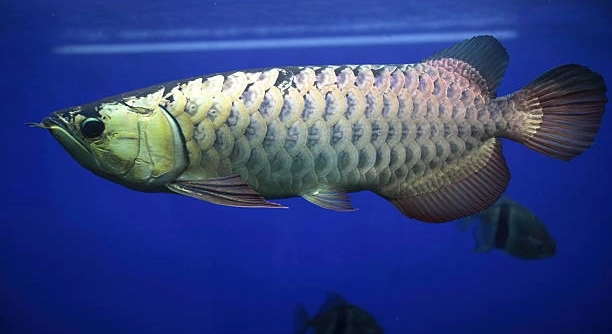
Are your arowana suddenly stopping in the middle of the tank, leaving you worried and unsure what went wrong? Observing your fish behave unusually can be unsettling, especially when it interrupts their graceful swimming patterns.
Arowanas may stop swimming suddenly due to stress, poor water quality, low oxygen levels, or underlying health issues such as infections or parasites. Promptly assessing environmental conditions and monitoring physical symptoms is essential for proper care.
Understanding the reasons behind this behavior helps maintain arowanas’ well-being and ensures a healthier, more active aquatic environment. Proper care starts with awareness of their specific needs.
Common Causes of Sudden Swimming Stops
Arowanas are sensitive fish, and sudden pauses in their swimming often indicate a problem in their environment or health. Poor water quality is one of the most frequent reasons. High ammonia, nitrite, or nitrate levels can stress your fish and disrupt their normal movement. Sudden temperature changes also affect their metabolism and energy. Another common factor is low oxygen in the tank, especially in heavily stocked aquariums or tanks without proper aeration. Stress from overcrowding, aggressive tank mates, or improper handling can further contribute to this behavior. Health issues like parasites, bacterial infections, or swim bladder problems may also cause an arowana to stop moving. Observing physical signs such as clamped fins, loss of appetite, or unusual swimming patterns can help identify these issues early. Regular water testing, consistent maintenance, and careful observation are key to preventing sudden stops.
Ensuring stable water conditions and minimizing stress can help your arowana swim naturally and stay active.
Arowanas require a balanced environment to thrive. Monitoring water parameters, including temperature, pH, and oxygen levels, helps maintain consistent conditions. Feeding appropriately sized portions and avoiding overfeeding reduces digestive strain and swim bladder issues. Observing your fish daily for behavioral or physical changes allows early intervention before minor problems escalate. Tank size and layout matter, as insufficient space or lack of hiding areas can increase stress. Aggressive or incompatible tank mates may intimidate or injure your arowana, leading to sudden stops. Proper filtration and aeration systems support healthy water quality and oxygenation. Additionally, quarantining new fish and treating infections promptly prevent disease spread. Maintaining a predictable feeding schedule, keeping the tank clean, and ensuring stable temperature ranges all contribute to arowanas’ comfort and health. Taking these steps creates a safer environment where your fish can swim confidently, reduce stress, and recover quickly from minor issues.
Recognizing Health Problems Early
Physical changes often indicate swimming issues in arowanas. Clamped fins, bloating, or unusual spots can signal illness.
Noticing these symptoms early allows you to act quickly. Prompt treatment, water changes, and consultation with a vet can prevent serious conditions from developing.
Monitoring behavior is critical. Changes in appetite, lethargy, or erratic movements are warning signs of underlying health problems. Swim bladder disorders are particularly common, causing fish to float, sink, or stop swimming suddenly. External parasites may attach to scales, leading to irritation and stress, while bacterial or fungal infections can affect overall vitality. Early detection through careful observation and routine checks ensures timely intervention. Water quality also plays a major role in preventing disease; consistent testing and maintenance reduce the likelihood of infections and stress-related illnesses. By combining attentive observation with proper tank care, you can support your arowana’s health and minimize sudden swimming disruptions.
Water Quality and Tank Conditions
Maintaining clean water is essential for arowanas. High ammonia, nitrite, or nitrate levels can quickly stress them, causing sudden stops in swimming. Regular water testing and partial water changes prevent toxic buildup and support stable, healthy tank conditions for your fish.
Proper filtration is vital to remove waste and maintain oxygen levels. Mechanical filters trap debris, while biological filters support beneficial bacteria that break down harmful compounds. Tanks should have consistent temperature and pH levels to avoid shocking your arowana. Overcrowding or incompatible tank mates can also increase stress, so monitor tank population carefully. Routine maintenance and careful observation ensure your arowana’s environment remains safe and comfortable.
Decorations and tank layout influence swimming behavior. Large open areas allow free movement, while plants or hiding spots reduce stress. Avoid sharp objects that could injure your fish. Maintaining stable conditions, adequate space, and proper aeration ensures your arowana stays active and healthy over time.
Diet and Feeding Habits
Overfeeding can disrupt swimming by causing digestive issues or swim bladder problems. Feed your arowana in measured portions suited to its size and age. Avoid feeding spoiled or inappropriate food that can harm health or water quality.
Arowanas require a varied diet, including live, frozen, or high-quality pellets to meet nutritional needs. Uneaten food should be removed promptly to prevent decay, which affects water quality. Feeding at consistent times helps regulate metabolism and prevents sudden energy drops that may cause pauses in swimming. Certain foods, like large feeder fish, can cause choking or digestive strain, so portion control and careful selection are important. Monitoring your fish’s response to different foods helps identify potential issues early and keeps them healthy.
Water quality and tank cleanliness are directly affected by feeding. Excess food increases waste, leading to higher ammonia and nitrate levels. Maintaining proper filtration, conducting routine water changes, and observing your arowana after feeding prevent sudden swimming stops. Adjust feeding habits based on growth and activity, and provide a balanced diet to support strong muscles, healthy organs, and normal swimming patterns over time. Consistency in diet and environment reduces stress and promotes long-term well-being.
Stress and Environmental Factors
Arowanas are sensitive to sudden changes in their surroundings. Loud noises, frequent tapping on the glass, or sudden movements near the tank can trigger stress, causing them to stop swimming. Minimizing disturbances helps maintain calm behavior.
Aggressive or incompatible tank mates also increase stress. Crowding or constant chasing can lead to sudden pauses in swimming and reduced activity. Observing interactions and separating aggressive fish prevents harm and promotes a stable environment.
Swim Bladder Disorders
Swim bladder issues are a common reason for sudden stops in swimming. They can result from overfeeding, constipation, infections, or physical injury. Affected arowanas may float to the surface, sink to the bottom, or tilt sideways while trying to swim.
Parasites and Infections
External parasites and bacterial infections can irritate arowanas, making them stop swimming to conserve energy or cope with discomfort. Signs include clamped fins, visible spots, or unusual skin texture. Immediate treatment and maintaining clean water are essential to prevent worsening conditions.
FAQ
Why does my arowana stop swimming suddenly for no apparent reason?
Arowanas may stop swimming suddenly due to stress, poor water quality, low oxygen levels, or underlying health issues such as infections or swim bladder problems. Even small changes in water temperature or pH can affect their comfort, making them pause frequently. Observing their tank conditions and physical behavior helps identify the cause.
How can I tell if my arowana is stressed?
Signs of stress include clamped fins, rapid breathing, loss of appetite, and sudden pauses in swimming. Stress can also appear as hiding or avoiding tank mates. Consistent observation and keeping a calm, stable environment are the best ways to reduce stress.
Can diet affect swimming behavior?
Yes, overfeeding or providing inappropriate food can lead to digestive issues or swim bladder disorders. Feeding measured portions, avoiding large feeder fish, and providing a balanced diet of pellets, frozen, or live food supports healthy swimming and prevents sudden stops.
Is water quality the main factor in swimming problems?
Water quality plays a significant role. High ammonia, nitrite, or nitrate levels, inconsistent temperature, or low oxygen can cause sudden stops. Regular testing, partial water changes, and proper filtration maintain a stable environment that supports normal swimming.
How do I treat swim bladder issues?
Swim bladder disorders often result from overfeeding, constipation, or infections. Fasting for a day or two, feeding peeled peas to relieve constipation, and ensuring clean water can help. Severe cases may require veterinary attention for proper diagnosis and treatment.
What role do tank mates play in sudden stops?
Aggressive or incompatible fish can intimidate arowanas, causing stress and interruptions in swimming. Observing interactions and separating aggressive fish reduces stress and promotes healthier, more consistent swimming patterns.
Can parasites cause my arowana to stop swimming?
Yes, external parasites irritate the skin and fins, while internal parasites may affect digestion or energy. Symptoms include clamped fins, visible spots, or lethargy. Quarantining new fish, maintaining clean water, and prompt treatment prevent parasites from affecting swimming behavior.
How often should I check water parameters?
Weekly testing of ammonia, nitrite, nitrate, pH, and temperature is recommended. Sudden changes in these parameters often coincide with swimming problems. Consistent monitoring allows early detection and correction before it impacts the arowana’s health.
Can sudden swimming stops be a sign of disease?
Yes, bacterial, fungal, or parasitic infections can cause arowanas to pause in the tank. Watch for physical changes such as bloating, spots, or unusual swimming patterns. Early detection and treatment improve recovery chances.
What steps prevent sudden swimming problems in the future?
Maintaining stable water conditions, a balanced diet, proper tank mates, and regular observation are key. Avoid overfeeding, provide adequate space, and treat diseases promptly. Establishing a routine care schedule keeps your arowana healthy and reduces the likelihood of sudden stops in swimming.
How can I make my arowana more comfortable in the tank?
Provide open swimming areas, adequate hiding spots, and minimal disturbances. Stable lighting, temperature, and water conditions help your arowana feel secure. Consistency in feeding and tank maintenance also supports active, confident swimming.
Are some arowanas more prone to stopping than others?
Younger or newly introduced arowanas may pause more frequently as they adapt to their environment. Individual personality and previous stress exposure can also influence behavior. Patience, careful observation, and supportive care help them adjust and reduce sudden stops.
When should I consult a veterinarian?
If your arowana shows persistent pauses, abnormal posture, rapid breathing, loss of appetite, or visible injuries, seek veterinary guidance. Professional diagnosis ensures correct treatment, especially for swim bladder disorders, infections, or severe parasite infestations.
Can tank size affect swimming behavior?
Yes, small or overcrowded tanks limit movement, increase stress, and can lead to sudden stops. Providing sufficient space for swimming and establishing territories reduces tension and supports natural behavior.
Do temperature fluctuations affect swimming?
Sudden changes in temperature can shock arowanas, slowing metabolism and causing pauses. Maintaining consistent, species-appropriate temperatures ensures normal swimming patterns and overall health.
What daily habits support healthy swimming?
Regular observation, consistent feeding schedules, and minimal disturbances are crucial. Monitoring water parameters, cleaning the tank, and checking for disease signs daily ensures your arowana remains active and healthy.
How can I tell if an arowana has a swim bladder infection?
Symptoms include difficulty maintaining balance, floating at the surface, sinking to the bottom, or tilting to one side. Paired with loss of appetite or lethargy, these signs indicate the need for prompt treatment and possible veterinary care.
Is it normal for arowanas to stop occasionally?
Short pauses in swimming can be normal, especially during rest periods or after feeding. However, repeated or prolonged stops usually indicate an issue with water quality, stress, diet, or health. Monitoring and adjustments help distinguish normal behavior from problems.
What preventative measures help avoid sudden stops?
Maintain stable water parameters, provide a balanced diet, minimize stress, and keep the tank clean. Quarantine new fish, monitor tank mates, and address any health concerns immediately. These steps reduce the likelihood of sudden swimming stops and support long-term well-being.
Can lighting affect swimming behavior?
Excessively bright or inconsistent lighting can stress arowanas. Moderate, stable lighting helps maintain normal activity levels. Providing shaded areas or hiding spots allows the fish to rest when needed without stopping abruptly.
How quickly should I act if my arowana stops swimming?
Immediate observation and water testing are essential. Identify possible stressors, check diet, and monitor physical signs. Prompt intervention prevents minor issues from becoming serious health problems.
Are there signs that indicate the problem is not serious?
Short, occasional pauses with otherwise normal swimming, appetite, and appearance are usually minor. Consistent behavior, good water quality, and no visible illness suggest the issue may be temporary or environmental.
How do I maintain a stable environment long-term?
Regular water testing, scheduled maintenance, controlled feeding, and monitoring tank interactions create stability. Consistency reduces stress, prevents disease, and ensures your arowana maintains normal swimming behavior.
Can stress from handling affect swimming?
Yes, frequent or rough handling can cause sudden stops. Limit handling, use proper techniques, and allow the arowana to acclimate after any necessary interactions to maintain calm behavior.
Is it normal for arowanas to rest at the bottom?
Brief resting is normal, especially at night or after feeding. Prolonged inactivity, tilting, or floating indicates a problem that needs attention. Regular monitoring helps distinguish rest from concerning behavior.
How does tank decoration affect swimming?
Open swimming space promotes natural movement. Excess decorations or sharp objects can cause injury or stress, resulting in sudden stops. Balance hiding spots with open areas to support healthy behavior.
What role does oxygenation play?
Low oxygen levels reduce energy, causing arowanas to stop swimming. Aeration through filters, air stones, or surface agitation ensures adequate oxygen, supporting consistent activity and health.
Can water hardness affect behavior?
Yes, improper hardness or pH can stress arowanas, leading to pauses in swimming. Maintaining suitable water chemistry prevents discomfort and supports normal movement patterns.
Is sudden swimming a sign of aging?
Older arowanas may show reduced activity, but sudden, frequent stops usually indicate environmental or health issues rather than age alone. Regular care ensures older fish remain active and healthy.
How do I balance diet and tank care together?
Feeding appropriate amounts, removing uneaten food, and maintaining clean water work hand-in-hand. Both prevent digestive issues, maintain water quality, and support steady, healthy swimming.
Can light tapping on the tank cause sudden stops?
Yes, repeated tapping can stress arowanas, causing pauses. Minimizing noise and disturbances helps them swim confidently and reduces stress-related behavior.
How important is quarantine for new fish?
Quarantining prevents disease introduction, reducing stress and health issues that may lead to sudden swimming stops. New fish should be observed separately before joining the main tank.
What is the most common reason for sudden stops?
Stress, poor water quality, and swim bladder issues are the most frequent causes. Observing behavior, maintaining stable conditions, and addressing diet and health ensures normal swimming patterns.
Can seasonal changes affect swimming?
Temperature shifts and daylight variations can influence activity. Consistent heating, water conditions, and lighting help mitigate seasonal effects on swimming behavior.
How do I know when to change feeding habits?
Monitor growth, appetite, and activity. Adjust portion sizes, food type, or frequency to match your arowana’s needs and prevent digestive or swimming problems.
Can overcrowding alone cause swimming stops?
Yes, too many fish increase competition, stress, and oxygen depletion. Ensuring adequate tank space and compatible tank mates reduces sudden pauses and promotes natural movement.
How long should I observe before intervening?
Short, occasional pauses may be normal, but consistent or prolonged stops require immediate attention. Daily observation allows timely response to environmental or health issues.
Does tank location matter?
Tanks in high-traffic areas or near loud appliances can stress arowanas, causing sudden stops. Placing the tank in a calm, stable area supports normal behavior.
Can medication affect swimming?
Certain treatments may temporarily reduce activity. Always follow instructions carefully and monitor for side effects. Returning to normal swimming usually occurs once treatment concludes.
How do I keep my arowana active long-term?
Stable water, balanced diet, minimal stress, and proper tank mates maintain activity. Regular observation and prompt care ensure healthy, confident swimming over time.
What daily checks prevent sudden stops?
Observe swimming, appetite, breathing, and physical appearance. Test water parameters and remove uneaten food. Early detection of issues prevents prolonged inactivity and maintains overall health.
Can swim bladder issues resolve naturally?
Minor digestive-related swim bladder problems may improve with fasting or dietary adjustments. Persistent or severe cases require veterinary attention to avoid complications.
Are there safe home remedies for minor swimming pauses?
Peas for constipation or brief fasting can help minor digestive issues. Always monitor closely and maintain clean water to ensure safety.
How often should I monitor behavior?
Daily observation is ideal. Noting patterns, pauses, or unusual movements helps detect problems early and prevents serious health concerns.
Can sudden stops be seasonal behavior?
Not usually. Consistent or frequent stops typically indicate environmental or health issues rather than natural seasonal changes.
Is tank size more important than decoration?
Both matter. Open space allows free swimming, while decorations provide hiding spots. Balance ensures a safe, comfortable environment supporting natural behavior.
What if water parameters seem fine but swimming stops continue?
Check diet, stress, tank mates, and possible diseases. Persistent stops despite good water may indicate underlying health issues requiring attention.
Can stress from other animals in the room affect swimming?
Yes, pets or frequent human activity near the tank can startle or stress arowanas. Minimizing disturbances helps maintain calm, consistent swimming.
How do I prevent recurring swim bladder problems?
Feed appropriately, avoid overfeeding, maintain clean water, and observe for early signs. Consistency and proper care reduce recurrence and promote stable swimming.
Is it normal for arowanas to float briefly after feeding?
Occasional floating can happen but should resolve quickly. Persistent floating, sinking, or tilting indicates digestive or swim bladder issues needing attention.
How long does it take for arowanas to recover from stress?
Recovery depends on cause and environment. Minor stress may resolve in hours, while prolonged issues like disease or poor water can take days or require intervention.
Can adding plants improve swimming behavior?
Yes, plants provide hiding spots and reduce stress, encouraging natural swimming patterns. Ensure open areas remain for free movement.
Should I adjust feeding times for swimming issues?
Consistent feeding schedules stabilize metabolism and reduce sudden stops caused by overfeeding or digestive problems. Adjust portions, not necessarily timing.
How do I know if an arowana is healthy?
Active swimming, normal appetite, vibrant color, and smooth fins indicate health. Regular observation ensures any sudden pauses are addressed promptly.
Are sudden stops always noticeable immediately?
Not always. Subtle pauses or slight tilting may precede more obvious swimming issues. Close daily observation helps detect early warning signs.
Can temperature swings at night cause pauses?
Yes, sudden drops in temperature may slow metabolism. Stable heating ensures consistent activity and prevents sudden stops.
Do all arowanas react the same to stress?
Individual fish vary. Some tolerate disturbances better, while others pause or hide quickly. Observing personality and responses helps tailor care.
How important is aeration for active swimming?
Proper aeration maintains oxygen levels, supports metabolism, and reduces sudden stops. Air stones or surface agitation keep water oxygenated.
Can sudden stops indicate aging issues?
Older arowanas may show slower movements, but abrupt pauses usually point to environmental or health problems rather than age alone.
How do I balance tank cleaning with minimal stress?
Partial water changes, gentle handling, and maintaining familiar decorations reduce stress while keeping water quality high.
What role does light play in swimming patterns?
Consistent, moderate lighting encourages natural activity. Too bright or fluctuating light can stress arowanas, causing pauses.
Can sudden stops be genetic?
Rarely. Most behavior is influenced by environment, diet, or health rather than genetics.
How do I support recovery after illness?
Clean water, balanced diet, stress reduction, and monitoring ensure arowanas regain normal swimming behavior after illness.
Is it normal for arowanas to rest mid-swim?
Short pauses during movement are normal, especially after feeding. Persistent stopping is a concern requiring attention.
How does tank water flow affect swimming?
Strong currents can tire arowanas, leading to pauses. Gentle, consistent flow supports natural, steady movement.
Should I separate an arowana if it stops swimming?
If stress, aggression, or disease is suspected, temporary separation reduces conflict and allows easier monitoring and treatment.
How do I identify minor vs. serious swimming issues?
Minor issues are brief and infrequent with no other symptoms. Serious problems involve prolonged pauses, abnormal posture, or visible health signs.
Can sudden swimming stops be seasonal behavior?
Not typically. Consistent or repeated stops usually indicate water, health, or stress problems rather than natural seasonal changes.
What long-term habits prevent swimming problems?
Stable water parameters, proper feeding, minimal stress, compatible tank mates, and daily observation create a consistent environment supporting healthy, active swimming.
Are swimming pauses reversible?
Yes, with proper care, water quality, stress reduction, and treatment of underlying issues, arowanas can return to normal swimming behavior.
How do I differentiate resting from a problem?
Brief pauses without other symptoms are resting. Prolonged inactivity, unusual posture, or loss of appetite indicates a problem.
Can temperature, diet, and tank mates combine to cause sudden stops?
Yes, multiple factors together amplify stress or health issues, making swimming stops more likely. Monitoring all aspects ensures stable behavior.
What’s the fastest way to respond to sudden swimming stops?
Check water parameters, observe behavior, assess diet, and reduce stress immediately. Prompt action prevents minor issues from worsening.
Are some foods better for preventing swim bladder issues?
Peas, high-quality pellets, and balanced frozen or live foods reduce digestive strain. Avoid oversized feeder fish or overfeeding to prevent swim bladder problems.
How often should I observe interactions with other fish?
Daily observation of tank mates prevents stress or aggression that may cause swimming interruptions. Separate incompatible fish as needed.
Does tank decoration placement matter for swimming?
Yes, open areas allow free movement, while strategically placed plants or rocks reduce stress. Avoid overcrowding with decorations.
Can sudden stops indicate internal parasites?
Yes, lethargy, bloating, or digestive issues alongside pauses can indicate internal parasites. Prompt treatment prevents further health decline.
Are there signs that indicate the problem is environmental?
Abnormal behavior affecting all fish, poor water quality readings, or sudden changes after maintenance indicate environmental causes rather than individual illness.
How do I maintain consistent tank conditions long-term?
Regular testing, scheduled maintenance, balanced feeding, and monitoring tank mates ensure stable conditions and healthy, active swimming.
Can handling stress cause long-term swimming issues?
Frequent rough handling can have lingering effects. Gentle handling and minimizing disturbances allow recovery and normal swimming.
How can I tell if a pause is fatigue or illness?
Short, occasional pauses are often fatigue. Persistent stops, abnormal posture, or physical symptoms indicate illness or stress.
Is it safe to fast my arowana to treat minor swim bladder issues?
Yes, a day or two of fasting is safe for minor digestive-related swim bladder problems. Monitor water quality and behavior closely.
Can arowanas adapt to minor water parameter fluctuations?
Gradual adaptation is possible, but sudden or extreme changes cause stress, potentially leading to swimming pauses. Stable conditions are best.
How do I know if oxygen levels are low?
Rapid gill movement, gasping at the surface, or lethargy indicate low oxygen. Aeration and water circulation resolve these issues quickly.
Can sudden stops indicate early disease stages?
Yes, subtle pauses often precede visible illness. Early detection and intervention prevent escalation and support recovery.
What’s the best way to monitor swimming behavior daily?
Observe your arowana for movement patterns, posture, breathing, and interactions with tank mates. Note any deviations from normal behavior for early action.
How do I create a low-stress environment long-term?
Stable water, balanced diet, minimal disturbances, adequate space, proper lighting, and compatible tank mates support calm, active swimming over time.
Is it normal for arowanas to pause after feeding?
Short pauses can occur after eating. Persistent stops, tilting, or floating indicate digestive or health problems requiring attention.
How do I balance diet and tank maintenance?
Feed measured portions, remove uneaten food, and maintain clean water. Both practices reduce digestive stress and water contamination, promoting healthy swimming.
Can stress from humans visiting the room affect swimming?
Yes, frequent disturbances or sudden movements near the tank can startle arowanas, causing pauses. Minimizing activity around the tank helps maintain calm behavior.
What’s the most important factor for preventing sudden swimming stops?
Maintaining stable water parameters, minimizing stress, providing a balanced diet, and monitoring health consistently ensure active, confident swimming.
Are pauses in swimming always serious?
Not always. Occasional, brief pauses are normal. Persistent or prolonged stops with other symptoms indicate underlying issues requiring attention.
**How do I know
Caring for an arowana requires attention to detail and a consistent routine. Sudden pauses in swimming are often signs that something in the tank or the fish’s health needs adjustment. Common factors include water quality, diet, stress, and environmental conditions. Maintaining stable water parameters, including temperature, pH, and oxygen levels, is essential. Regular testing and partial water changes help prevent the buildup of harmful compounds such as ammonia, nitrites, and nitrates. Proper filtration supports healthy bacteria growth, removes debris, and ensures adequate oxygenation. Even small changes in the tank environment can stress an arowana, so minimizing disturbances and keeping a calm atmosphere is crucial. Observing your fish daily for behavior and physical changes allows for early detection of potential problems, preventing minor issues from becoming serious.
Diet plays a significant role in overall health and swimming behavior. Overfeeding or providing inappropriate foods can lead to digestive problems and swim bladder disorders, which often cause sudden stops in movement. Feeding measured portions and offering a variety of high-quality foods—such as pellets, frozen, or live items—ensures balanced nutrition. Uneaten food should be removed promptly to maintain water quality. Some minor digestive issues can be addressed with simple measures, such as fasting for a short period or providing easily digestible foods like peas. However, persistent or severe problems may require veterinary attention. Feeding routines should also be consistent, as irregular feeding can affect metabolism and energy levels, contributing to sudden pauses in swimming.
Environmental factors and tank setup also influence how arowanas behave. Overcrowded tanks or aggressive tank mates increase stress and can result in frequent stops or abnormal swimming patterns. Providing enough space, hiding areas, and open swimming zones helps your fish feel secure while allowing natural movement. Lighting should be stable, and sudden changes in brightness or temperature should be avoided. Decorations should be carefully chosen to prevent injuries and create a comfortable habitat. Regular observation and preventive care, including monitoring tank mates and quarantine for new fish, reduce the risk of disease and stress. By combining proper water management, balanced diet, stress reduction, and careful monitoring, arowanas are more likely to maintain active, confident swimming behavior. Long-term consistency and attention to detail are key to keeping your fish healthy, minimizing sudden swimming stops, and ensuring they thrive in their aquatic environment.

Hello,
If you enjoy the content that we create, please consider saying a "Thank You!" by leaving a tip.
Every little bit helps us continue crafting quality advice that supports the health, happiness, and well-being of pets around the world, for pets of all shapes, sizes, and species.
We really appreciate the kindness and support that you show us!