
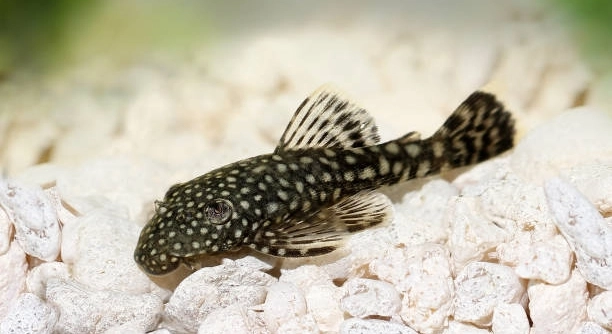
Have you ever tried keeping a Bristlenose Pleco and wondered if your aquarium’s hard water could affect its health or comfort? These fascinating bottom dwellers are popular for their peaceful nature and algae-cleaning abilities.
Bristlenose Plecos can live in hard water, but they prefer moderately hard to soft conditions for optimal health. While they adapt to a range of water hardness, consistent parameters and proper maintenance are essential for their long-term well-being.
Learning about the right water conditions helps ensure your Bristlenose Pleco thrives comfortably while maintaining a healthy, balanced aquarium environment.
Understanding Hard Water and Its Effect on Bristlenose Plecos
Hard water contains higher levels of dissolved minerals like calcium and magnesium. While Bristlenose Plecos are quite adaptable, prolonged exposure to extremely hard water can impact their comfort and health. These minerals can slightly alter the pH balance, which in turn affects how Plecos breathe and process nutrients. Stable, moderate water hardness ensures their bodies function efficiently and prevents stress-related issues. When water conditions fluctuate too much, Plecos may experience slower growth or weakened immune systems. Maintaining a stable environment allows them to thrive and showcase their natural behavior, especially during feeding and cleaning activities around the tank.
Keeping your aquarium’s hardness within a moderate range helps reduce stress and supports better digestion and reproduction. Consistency is more important than chasing the “perfect” number on a test kit.
In most home aquariums, simple adjustments like using treated tap water or adding driftwood can help soften hard water naturally. Regular monitoring using reliable water test kits will also ensure the conditions stay within safe levels. Remember that stability matters more than constant changes. A calm, clean, and well-maintained tank allows your Bristlenose Pleco to remain active, healthy, and vibrant. Small steps toward balanced water can make a noticeable difference in their long-term well-being.
Creating the Ideal Water Parameters
Bristlenose Plecos prefer water that is slightly acidic to neutral, with a stable temperature and low ammonia levels.
Maintaining ideal parameters starts with understanding what your fish can tolerate and thrive in. Aim for a pH between 6.5 and 7.5, with water hardness ranging from 6 to 10 dGH. The temperature should stay steady between 73°F and 81°F. Avoid sudden shifts in these values, as Plecos are sensitive to rapid changes that may cause stress. Regular partial water changes help maintain clean, balanced conditions while preventing mineral buildup. Adding natural elements like driftwood or Indian almond leaves can help create softer water and a more natural habitat. Use a gentle filtration system that keeps the water clear without disturbing the substrate too much, as Plecos enjoy scavenging along the bottom. A consistent maintenance routine and proper diet complete the balance, keeping your Bristlenose Pleco active, healthy, and ready to thrive in its aquatic home.
Signs Your Bristlenose Pleco Is Affected by Hard Water
When water hardness is too high, your Bristlenose Pleco may start showing signs of discomfort. These include sluggish movement, loss of appetite, faded color, and spending more time hiding instead of exploring or feeding.
Extended exposure to unsuitable water hardness can gradually weaken your Pleco’s immune system. This may lead to slower growth and make it more vulnerable to bacterial infections or skin irritations. You might also notice excessive mucus on its body or fins, indicating stress caused by poor water balance. Even though Bristlenose Plecos are hardy, persistent exposure to improper conditions can shorten their lifespan over time. Regularly testing your aquarium water ensures early detection of changes before they cause harm.
If you notice these warning signs, take gradual steps to correct the issue. Avoid making sudden water changes, as that can increase stress. Instead, slowly adjust the water hardness by mixing softer water during regular changes or adding natural materials like driftwood. Monitoring water parameters closely over the following weeks helps your Pleco adapt comfortably. Combining small, steady improvements with consistent care keeps your fish healthy, lively, and stress-free.
Simple Ways to Adjust Hard Water
Reducing water hardness doesn’t need to be complicated. The key is to make small, controlled changes that create a stable environment without shocking your Pleco.
One effective way to lower hardness is by mixing tap water with reverse osmosis (RO) or distilled water, which contains fewer minerals. This method gives you more control over the final hardness level. Adding natural materials like driftwood or peat moss can also help soften water gradually, as they release tannins that slightly lower pH and hardness. Using Indian almond leaves offers similar benefits while enhancing the tank’s natural look. Regular maintenance, including partial water changes and filter cleaning, prevents mineral buildup that can make water harder over time. Maintaining these small habits ensures a stable, balanced aquarium your Bristlenose Pleco will truly enjoy.
Monitoring Water Hardness Regularly
Regular testing helps maintain stable conditions for your Bristlenose Pleco. Using a reliable water test kit allows you to measure hardness, pH, and other parameters accurately. Consistent tracking prevents sudden shifts that could harm your Pleco’s health or disrupt its comfort.
Testing once every two weeks is usually enough for most aquariums. If you notice changes in behavior or water clarity, check sooner. Recording each result helps you spot patterns and adjust gradually when needed. Consistency and observation go hand in hand to keep your Pleco’s habitat balanced and safe.
Importance of Consistent Maintenance
A well-maintained aquarium supports stable water quality and reduces stress for your Bristlenose Pleco. Performing regular partial water changes helps prevent excess minerals from building up. Cleaning filters and removing debris from the substrate also improve water flow and oxygen levels, keeping the tank’s ecosystem healthy and balanced over time.
Final Thoughts on Hard Water and Plecos
Hard water isn’t always harmful to Bristlenose Plecos if managed properly. Consistency, testing, and small adjustments make all the difference. With regular care, your Pleco will stay active, healthy, and continue brightening your aquarium for many years to come.
FAQ
Can Bristlenose Plecos adapt to hard water easily?
Yes, Bristlenose Plecos are adaptable and can tolerate a range of water conditions, including moderately hard water. However, they do best when the hardness is kept between 6 and 10 dGH. Prolonged exposure to very hard water can cause stress, affect nutrient absorption, and impact their overall health. The key to helping them adapt comfortably is maintaining consistency. Avoid sudden changes in water hardness or pH, as this can shock their system. Regular testing and minor adjustments over time help your Pleco stay comfortable and healthy without unnecessary stress.
What happens if the water is too hard for my Pleco?
If the water becomes excessively hard, your Bristlenose Pleco may start showing visible signs of stress. This includes fading color, reduced movement, and a loss of appetite. You may also notice them hiding more often or becoming less active at night. In some cases, hard water can irritate their skin or cause excess mucus production, making them appear slightly slimy. Over time, this stress weakens their immune system, leaving them more prone to bacterial and fungal infections. Maintaining stable, moderate hardness levels prevents these issues and supports better overall health and longevity.
Can I use tap water for my Bristlenose Pleco tank?
Tap water is safe to use for most aquariums, including those housing Bristlenose Plecos, as long as it’s treated properly. Always use a water conditioner to remove chlorine, chloramine, and heavy metals before adding it to the tank. Because tap water can vary in hardness depending on your location, it’s important to test it first. If your tap water is too hard, consider mixing it with distilled or reverse osmosis (RO) water to achieve suitable conditions. Gradual changes are safest, ensuring your Pleco adapts without any stress or sudden fluctuations in its environment.
How can I naturally soften hard water for my aquarium?
You can soften hard water naturally by using materials like driftwood, peat moss, or Indian almond leaves. These items slowly release tannins into the water, lowering hardness and slightly reducing pH. Driftwood also adds a natural appearance and creates hiding spaces your Pleco will enjoy. Another effective approach is performing partial water changes with RO or distilled water, which contain fewer minerals. Avoid chemical softeners, as they can cause unpredictable swings in water chemistry. Slow, steady adjustments help your Pleco adapt while keeping the aquarium stable and comfortable.
Does hard water affect Pleco breeding?
Yes, breeding success can be influenced by water hardness. Bristlenose Plecos tend to breed more actively in slightly softer water conditions. When the water is too hard, eggs may fail to develop properly, or males may become less interested in guarding their nesting caves. Keeping the hardness between 6 and 8 dGH, along with clean, oxygen-rich water, improves the chances of successful spawning. Adding driftwood and stable hiding areas also encourages natural breeding behavior. With consistent water quality and proper nutrition, your Plecos will have a much better chance of reproducing successfully.
How often should I test my aquarium’s hardness levels?
Testing every two weeks is recommended, but the frequency can vary depending on your tank’s size and maintenance routine. If you have a smaller aquarium or make frequent water changes, testing weekly might be better to ensure stability. Always test after adjusting water sources or adding new materials like rocks or driftwood, as they can alter hardness. Keeping a simple log of your readings helps track long-term trends and prevents sudden surprises. Consistent monitoring allows early intervention, keeping your Pleco’s environment safe and well-balanced throughout the year.
Can other fish tolerate the same hardness as Bristlenose Plecos?
Many community fish that share tanks with Bristlenose Plecos, such as tetras, guppies, and mollies, can tolerate similar hardness ranges. However, always check each species’ preferences before combining them. Some soft-water species may struggle in harder conditions, leading to stress or shorter lifespans. It’s best to find a middle range suitable for all inhabitants rather than focusing solely on one species. Maintaining a stable pH and clean water benefits everyone in the aquarium. With balanced conditions, your Pleco and tank mates can coexist peacefully and thrive together.
Do Bristlenose Plecos need special care when adjusting water hardness?
Yes, adjustments should always be gradual. Rapid changes in hardness or pH can cause osmotic shock, making your Pleco sick or even leading to death in severe cases. When modifying water conditions, do it over several days, replacing small portions at a time. Using consistent testing, monitor how quickly the hardness changes before continuing. Combine these adjustments with stable temperature, filtration, and diet to minimize stress. This slow approach helps your Pleco adapt comfortably while maintaining its natural behavior, strong immune system, and bright coloration.
Final Thoughts
Caring for Bristlenose Plecos in hard water requires balance, consistency, and patience. While these fish are known for their adaptability, maintaining stable water conditions is essential for their long-term health. Hard water itself is not necessarily harmful, but extremes can create stress that weakens your Pleco’s immune system and affects its overall comfort. The best approach is to test your water regularly and make slow, controlled adjustments when needed. Stability always outweighs perfection in aquarium care. Each tank has its own balance, and understanding how your water behaves helps you create a healthier, calmer environment where your Pleco can thrive naturally.
It’s also important to remember that water quality goes beyond hardness alone. Factors such as pH, temperature, and cleanliness play equal roles in keeping your Pleco healthy. Regular water changes, proper filtration, and the use of natural elements like driftwood can make a significant difference in your aquarium’s stability. Over time, you’ll notice that small, consistent habits provide better results than large, sudden changes. Observing your Pleco’s behavior is another useful way to gauge water quality. Active movement, a healthy appetite, and vibrant color are signs of a comfortable fish. If your Pleco begins hiding more or eating less, it may be time to check your parameters again.
Providing the right environment for your Bristlenose Pleco is not just about keeping numbers within range; it’s about ensuring balance and comfort in every aspect of its habitat. Hard water does not have to be a barrier if you manage it wisely. By understanding your local water source, using safe softening methods, and maintaining consistency, you create an aquarium that supports growth and longevity. Patience and observation are key—your Pleco will reward you with years of calm activity and natural beauty. Every small effort, from testing the water to maintaining your filter, contributes to a thriving underwater world. With thoughtful care, even hard water can become the perfect home for your Bristlenose Pleco, allowing it to live a healthy and content life while keeping your aquarium lively and balanced for years to come.

Hello,
If you enjoy the content that we create, please consider saying a "Thank You!" by leaving a tip.
Every little bit helps us continue crafting quality advice that supports the health, happiness, and well-being of pets around the world, for pets of all shapes, sizes, and species.
We really appreciate the kindness and support that you show us!