7 Best Practices for First-Time Arowana Owners
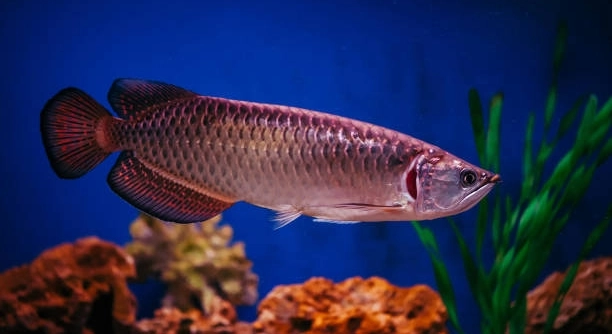
Owning an arowana can be both exciting and challenging for first-time fish keepers. These striking creatures require careful attention to their environment, diet, and overall care to thrive in a home aquarium setting. The best practices for first-time arowana owners include selecting the right tank size, maintaining proper water quality, providing a balanced diet, monitoring … Read more
How to Tell If Your Arowana Needs More Space

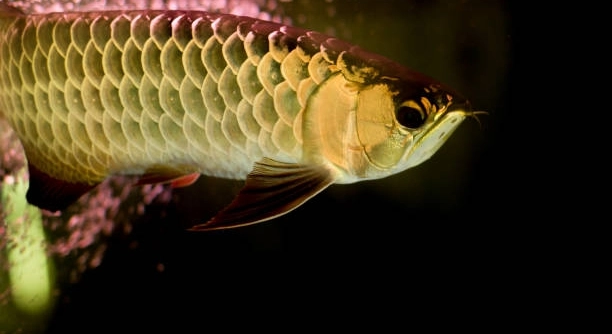
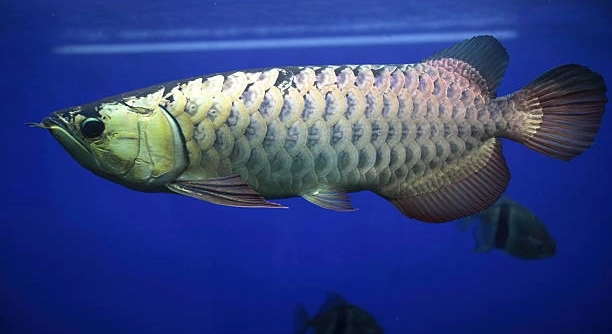
Are your arowanas swimming actively but seem confined in their tank? Many owners may not notice subtle signs of discomfort in their fish. Observing behavior closely can help ensure their well-being and happiness. Arowanas require sufficient swimming space to maintain optimal health and growth. A tank that is too small can restrict movement, increase stress, … Read more

Do Arowana Like Watching Outside Movement?

Many aquarists enjoy watching their fish swim gracefully in their tanks. Arowanas are no exception. These striking fish often show interest in their surroundings, especially when there is movement outside their aquarium. Arowanas generally respond positively to outside movement. They are naturally curious predators and will often track motion near their tank. Observing activity can … Read more

How to Travel with an Arowana (Without Stress)

Transporting an arowana can be stressful for both the fish and its owner. Proper preparation, understanding its behavior, and following safe travel methods are essential to ensure the fish remains healthy and calm during the journey. The most effective way to travel with an arowana involves using a secure, well-aerated container with stable water conditions, … Read more

7 Tricks to Help Arowana Adjust to New Lighting

Are your arowanas struggling to adjust after a lighting change in their tank? Sudden shifts in brightness can stress these delicate fish. Providing a calm environment and gradual adjustments can help them adapt more comfortably. Arowanas respond best to incremental lighting changes. Gradually altering light intensity over several days reduces stress and prevents erratic behavior. … Read more

Should You Let Your Arowana Fast Once a Week?

Arowanas are elegant and powerful fish, often admired for their vibrant colors and graceful movements. Caring for them requires attention to detail, especially when it comes to feeding routines and maintaining a healthy balance in their environment. Allowing an Arowana to fast once a week can be beneficial when done correctly. Periodic fasting helps regulate … Read more

Can Arowana Hear Vibrations in the Room?

Arowanas are fascinating fish, admired for their shimmering scales and graceful movements. Many aquarium owners enjoy watching them swim slowly across the tank, noticing how they react to the environment around them. Their behavior can be surprisingly sensitive. Arowanas can detect vibrations in the room through their lateral line system, which allows them to sense … Read more

7 Reactions Arowana Have to New Tank Mates

Arowanas are majestic fish that require careful attention when introducing new tank mates. Their behavior can change quickly depending on the other species present. Observing these changes helps ensure a peaceful and balanced aquarium environment. Arowanas may display seven common reactions when encountering new tank mates, including curiosity, aggression, territorial displays, cautious swimming, ignoring, following, … Read more

7 Sounds That Might Calm Your Arowana

Do you ever notice your Arowana swimming anxiously or hiding for long periods in its tank? Watching them move nervously can feel unsettling, especially when you want your fish to feel comfortable and at ease in its environment. Certain sounds can have a calming effect on Arowanas, helping to reduce stress and promote steady swimming … Read more

7 Things to Check When Your Arowana Won’t Eat

Are your arowanas suddenly ignoring their favorite foods, leaving you worried about their health and well-being? Observing a picky eater in your tank can be stressful, especially when you are committed to keeping your fish healthy and active. When an arowana refuses to eat, it is usually a sign of environmental stress, illness, or dietary … Read more