
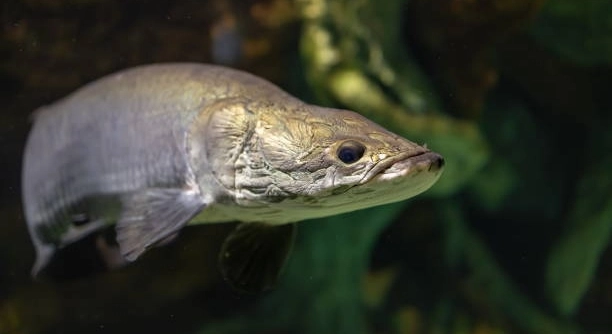
Are your arowanas struggling to adjust after a lighting change in their tank? Sudden shifts in brightness can stress these delicate fish. Providing a calm environment and gradual adjustments can help them adapt more comfortably.
Arowanas respond best to incremental lighting changes. Gradually altering light intensity over several days reduces stress and prevents erratic behavior. Consistent lighting schedules, avoiding sudden brightness or darkness, and monitoring their behavior closely ensures healthier adaptation and long-term well-being.
Proper lighting adjustment goes beyond mere aesthetics, influencing behavior, appetite, and overall health. The following tips will guide you through creating a stable environment for your arowana’s smooth transition.
Gradual Light Adjustment
Changing your arowana’s lighting too quickly can cause stress and erratic swimming. Start by dimming or brightening the tank light in small steps over several days. This allows the fish to adapt naturally without feeling threatened by sudden changes. Observe your arowana during this period; a healthy adjustment is shown by calm swimming, normal appetite, and no signs of hiding. You can use timers to ensure the light changes are consistent each day, which helps the fish establish a stable routine. Avoid switching lights on and off randomly, as this disrupts their internal rhythm. Gradual adjustment also gives you a chance to notice any early signs of stress or illness. By taking these small steps, you create a stable environment that supports your arowana’s health. Over time, they will become accustomed to the new lighting conditions with minimal stress, maintaining their vibrant colors and active behavior.
Small, daily increments in lighting make adaptation easier and reduce stress for your arowana.
Consistent, controlled adjustments are key. Sudden changes can cause physical and behavioral stress. Start with a 10–15% change every day and use a timer to regulate the cycle. This gradual approach helps the fish’s eyes adapt and prevents erratic movement or hiding. Observing your arowana’s response allows you to slow down or pause changes if stress signs appear, such as frayed fins, rapid gill movement, or unusual swimming patterns. Patience is essential; rushing the process can lead to prolonged stress and weaken the immune system. Over time, the arowana will recognize the new lighting as normal, stabilizing behavior and promoting overall health. Maintaining this gradual routine ensures your tank environment remains predictable and comfortable, benefiting both the fish and your management of the aquarium.
Use of Dimmer or Adjustable Lighting
Adjustable lights allow precise control over intensity, making transitions smoother for arowanas.
Using dimmable or adjustable lights is highly effective. Start with low intensity and increase slowly, giving the fish time to adapt. This method reduces stress and protects sensitive eyes. Adjustable lighting also lets you mimic natural light cycles, which supports regular activity patterns and enhances the fish’s overall well-being. Some arowanas respond better to gradual changes that simulate dawn and dusk, rather than abrupt full-on lighting. This approach can reduce hiding behavior and encourage normal swimming, feeding, and interaction. Monitoring their response to different levels helps you find the ideal balance for your specific tank. By controlling light intensity carefully, you create an environment that supports the fish’s natural rhythm, eye health, and vibrant coloration. Over time, your arowana becomes more comfortable, displaying calmer behavior and increased appetite, which reflects improved adaptation and long-term health.
Maintain Consistent Lighting Schedule
A consistent lighting schedule helps your arowana feel secure and reduces stress. Turning lights on and off at the same time each day establishes a predictable environment, supporting normal feeding and activity patterns.
Consistency is crucial for maintaining your arowana’s health. Sudden changes in light timing can confuse the fish, disrupt sleep patterns, and lead to hiding or erratic swimming. Using a timer ensures that lights follow a regular cycle, which mimics natural day and night rhythms. This predictability allows your arowana to anticipate feeding times and stay active during daylight periods. Over time, regular lighting promotes calm behavior, better digestion, and overall well-being. Observing the fish over several weeks will show improved color vibrancy and steadier movement as they adjust.
Regularity also helps prevent stress-related illnesses. A predictable light cycle reinforces natural behaviors, making your arowana more comfortable in its environment.
Provide Hiding Spots
Hiding spots give arowanas a sense of security during lighting changes. They use plants, rocks, or decorations to retreat when light feels too bright or sudden.
Properly placed hiding spots reduce stress during adjustments. Arowanas naturally seek shelter when they feel exposed, especially under new lighting conditions. Include areas with partial shade and gentle cover, allowing the fish to rest and observe the tank safely. Avoid overcrowding the tank, which can limit swimming space. Strategic placement of hides near light sources can help the fish gradually get used to brightness without overwhelming them. Over time, hiding spots allow your arowana to explore more confidently, increasing comfort and normal activity while reducing the risk of stress-induced behaviors.
Hiding places also support mental stimulation. They encourage exploration while giving a secure retreat, fostering a more stable and content environment for your fish.
Monitor Fish Behavior
Watching your arowana closely during lighting changes is essential. Changes in swimming, appetite, or hiding patterns can indicate stress or discomfort that needs attention.
Keeping a log of daily behavior helps track adaptation. Note feeding habits, activity levels, and any unusual signs. This ensures problems are addressed early.
Adjust Light Duration Gradually
Gradually increasing or decreasing the number of hours the light is on helps arowanas adapt naturally. Start with small increments of 15–30 minutes per day until reaching the desired schedule. Sudden shifts in light duration can confuse the fish and trigger stress responses. A controlled approach allows their internal clock to synchronize with the new routine, supporting normal feeding, rest, and activity. Gradual adjustment also prevents eye strain and reduces hiding behavior. Consistency in both intensity and duration is key. Over time, the arowana learns the new cycle, showing steady swimming, stable appetite, and calmer behavior, which reflects successful adaptation.
Use Soft Lighting Options
Soft, diffused lights reduce glare and help arowanas feel secure. They provide gentle illumination without startling the fish.
FAQ
How long does it take for an arowana to adjust to new lighting?
Adjustment time varies depending on the fish and the extent of the lighting change. Generally, arowanas take about one to two weeks to adapt to gradual changes. If the lighting is changed suddenly, it may take longer, and stress signs can appear. Observing behavior daily helps determine whether the fish is adjusting properly. Calm swimming, normal appetite, and reduced hiding indicate successful adaptation.
Can arowanas get stressed from lighting changes?
Yes, sudden or intense lighting changes can cause stress. Stress may show as erratic swimming, hiding, loss of appetite, or frayed fins. Gradual changes, consistent schedules, and hiding spots reduce stress and support natural behaviors. Using timers and soft lighting can further minimize negative effects.
Is natural light better than artificial lighting for arowanas?
Both natural and artificial light can work if managed properly. Natural light should be indirect to avoid overheating or sudden brightness. Artificial lights are easier to control with timers and dimmers, ensuring gradual changes and consistent day-night cycles, which are important for the fish’s well-being.
How bright should the lighting be for an arowana tank?
Lighting should be bright enough to show the fish’s colors but not so intense that it stresses them. Moderate, diffused lighting works best. Adjustable lights allow control over intensity and duration, helping the fish adapt gradually. Observing behavior under different levels helps find the ideal brightness.
Should I turn lights on and off manually or use a timer?
Using a timer is preferred because it ensures a consistent schedule. Manual switching can lead to unpredictable patterns, which may stress the fish. A reliable timer helps maintain regular day-night cycles, supporting feeding, activity, and overall health.
Can too much light harm my arowana?
Excessive light can cause stress, eye strain, and behavioral changes. Overexposure may lead to hiding, decreased appetite, or irritability. Gradually adjusting intensity and providing shaded areas helps prevent harm. Monitoring the fish for signs of discomfort ensures the lighting is appropriate.
Do arowanas prefer long or short lighting periods?
Arowanas benefit from moderate lighting periods, typically 10–12 hours per day. Longer periods can cause fatigue, while very short periods may disrupt natural behaviors. Gradual changes in duration help the fish adapt without stress, supporting normal feeding and activity patterns.
Are colored lights safe for arowanas?
Soft, subtle colored lights are generally safe, but bright or flashy colors can cause stress. Natural-looking tones that mimic dawn or dusk are better. Avoid sudden shifts in color intensity, and use them only to enhance viewing without disturbing the fish.
Can lighting affect my arowana’s appetite?
Yes, improper lighting can reduce feeding. Bright or inconsistent light may stress the fish, leading to refusal to eat. Maintaining a consistent schedule, gradual transitions, and shaded areas encourages normal feeding behavior and supports overall health.
How do I know if my arowana is adjusting well?
Signs of successful adaptation include calm swimming, steady appetite, minimal hiding, and normal interaction with the tank environment. Observing daily behavior and noting changes ensures early detection of stress. Proper lighting management leads to vibrant colors, active movement, and a stable routine.
What should I do if my arowana seems stressed despite adjustments?
If stress continues, slow the rate of lighting changes and ensure hiding spots are available. Check water quality and temperature as these factors also influence stress. Reducing intensity, using diffused light, and keeping a consistent schedule can help your arowana feel secure and adjust more comfortably.
Is it necessary to change lighting gradually every time I clean the tank?
Yes, sudden bright lights during maintenance can startle the fish. Using dimmed lights or temporary covers helps prevent stress. Gradual exposure during cleaning supports comfort and maintains the adaptation progress you’ve achieved.
Final Thoughts
Adjusting arowanas to new lighting requires patience and consistency. Sudden changes in brightness or duration can cause stress, making the fish hide, swim erratically, or lose their appetite. Gradual adjustments are key. Small daily increases or decreases in light intensity give the fish time to adapt without feeling threatened. Using timers helps maintain a predictable schedule, which reinforces a natural day-night cycle and reduces stress. Observing behavior closely during this period is important. Signs like steady swimming, normal feeding, and reduced hiding indicate the fish is responding well. If any unusual behavior appears, slowing the adjustment or providing additional hiding spots can help. The goal is to create a stable and comfortable environment where the arowana feels secure, which ultimately supports long-term health and well-being.
Lighting does more than just illuminate the tank; it affects the arowana’s behavior, color, and overall health. Adjustable or dimmable lights allow careful control over intensity and duration, making the transition smoother. Soft lighting and shaded areas reduce glare and eye strain, which can otherwise stress the fish. Hiding spots, such as plants, rocks, or decorations, give the fish a place to retreat when light feels too bright. These spaces are especially useful during the initial adjustment phase. Regularly monitoring the fish under different lighting conditions ensures that the environment remains suitable. Gradual adjustments combined with soft lighting and secure hiding spaces create a tank where arowanas can explore and feed confidently. This approach also helps prevent stress-related illnesses and supports natural behavior patterns.
Consistency and patience are the most important factors when helping arowanas adapt to new lighting. Keeping a steady schedule, adjusting light intensity slowly, and providing secure spaces allow the fish to feel safe. Observing their reactions and making small corrections when necessary ensures the transition is smooth. Lighting should never be abrupt or harsh, as it can disturb their natural rhythm and behavior. By focusing on gradual changes and maintaining a calm, predictable environment, arowanas will become accustomed to the new lighting over time. Supporting their comfort and health through careful management not only enhances their physical well-being but also encourages natural activity and vibrant coloration. With attention and consistency, arowanas can thrive under new lighting conditions, maintaining their energy, health, and overall vitality.

Hello,
If you enjoy the content that we create, please consider saying a "Thank You!" by leaving a tip.
Every little bit helps us continue crafting quality advice that supports the health, happiness, and well-being of pets around the world, for pets of all shapes, sizes, and species.
We really appreciate the kindness and support that you show us!