
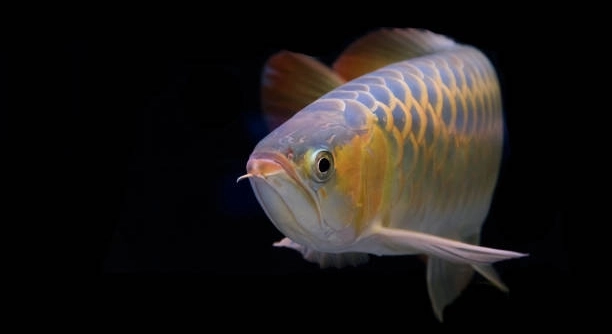
Are your arowanas suddenly ignoring their favorite foods, leaving you worried about their health and well-being? Observing a picky eater in your tank can be stressful, especially when you are committed to keeping your fish healthy and active.
When an arowana refuses to eat, it is usually a sign of environmental stress, illness, or dietary imbalance. Evaluating water quality, temperature, tank conditions, and the fish’s diet is essential to restore normal feeding behavior effectively.
Understanding these factors can help you identify the underlying cause and take the right steps for your arowana’s health and appetite.
Water Quality
Maintaining clean water is one of the most important factors for arowanas to eat properly. Poor water conditions stress the fish, affecting their appetite and health. Regular testing for ammonia, nitrite, nitrate, and pH is crucial. Even small fluctuations can make an arowana uncomfortable. Changing water partially each week and cleaning filters ensures the environment stays stable. Temperature also plays a role; arowanas prefer slightly warm water, and sudden drops can make them stop eating. Observing water clarity and smell helps detect issues early. Avoid overcrowding the tank, as this increases waste and reduces oxygen levels. Plants and decorations should be cleaned occasionally to prevent algae or debris buildup. Lighting should follow a day-night cycle to mimic natural conditions, which encourages feeding behavior. Consistency is key, as arowanas are sensitive to sudden changes.
Poor water quality is often the main reason for appetite loss in arowanas. Keeping water parameters stable prevents stress.
Even if water tests seem fine, subtle problems can exist. High nitrate levels can quietly make arowana lethargic, reducing feeding. Sudden shifts in temperature, pH, or hardness can also lead to stress. Using a reliable water testing kit helps catch issues early. Filters should be checked and cleaned regularly to ensure efficient waste removal. Aeration supports oxygen levels, which impacts metabolism and appetite. Observing your fish’s behavior can indicate water issues: lethargy, unusual swimming patterns, or hiding are warning signs. Establishing a weekly routine for water changes, testing, and tank cleaning keeps your arowana comfortable. Even small improvements in water quality can revive appetite and improve overall health. By paying attention to water conditions, you support not just feeding but the long-term vitality of your fish.
Temperature and Environment
Arowanas thrive in stable, slightly warm water. Sudden changes in temperature can cause them to stop eating.
Temperature affects metabolism, activity levels, and digestion. Arowanas in water that is too cold may become sluggish, while overly warm water can increase stress. Maintaining the recommended range between 75°F and 82°F ensures proper feeding. Tank size and decoration also matter; arowanas need space to swim and feel secure. Overcrowding or sharp objects can trigger stress responses. Consistent lighting cycles help regulate behavior and feeding times. Humidity around the tank should be moderate to prevent excessive condensation and temperature swings. Observing the arowana for hiding or erratic swimming can indicate environmental discomfort. Regular monitoring of both water and room conditions keeps the fish healthy. Small adjustments in heater placement, lighting, or tank layout can significantly impact appetite.
Proper temperature and environment are critical for encouraging normal feeding. Ensuring consistency and comfort prevents stress-related refusal to eat.
Temperature management goes beyond simply setting a heater. Using a reliable thermometer ensures the water stays within the optimal range. Room temperature fluctuations, especially near windows or vents, can affect tank conditions. Avoid placing the tank in direct sunlight, which can overheat the water or cause rapid algae growth. Decorations should provide hiding spots without overcrowding the tank, allowing the arowana to feel secure. Substrate choice and filtration can also influence water temperature and clarity. Light cycles should mimic natural conditions, roughly 10-12 hours of light daily. Even minor environmental stress can lead to appetite loss. Monitoring behavior, such as reduced activity or staying near the surface, helps detect problems early. Adjusting heater settings gradually prevents shock. By maintaining a stable, comfortable environment, feeding routines can normalize, supporting growth, health, and overall well-being of your arowana.
Diet and Feeding Habits
Arowanas may refuse food if their diet is inconsistent or inappropriate. Offering a balanced variety of live, frozen, or prepared foods helps maintain interest. Overfeeding or sudden diet changes can also reduce appetite. Regular, scheduled feeding encourages consistent eating patterns.
Some arowanas prefer live foods like small fish, shrimp, or insects, which stimulate natural hunting instincts. Frozen or high-quality pellets can provide essential nutrients but may be ignored if introduced suddenly. Gradually mixing new foods with familiar favorites helps them adjust. Avoid feeding human food or low-quality items, as these can upset digestion and cause long-term health problems. Watching your fish’s reaction to different foods can guide dietary adjustments. Feeding once or twice daily, depending on age and size, helps maintain proper metabolism. Overfeeding may lead to obesity and reduce interest in regular meals, so portion control is important.
Feeding techniques can also influence appetite. Using feeding tongs to mimic movement, changing food presentation, or adjusting feeding times can encourage reluctant eaters. Arowanas are visually stimulated, so small adjustments often make a noticeable difference. Rotating foods prevents boredom and ensures nutritional balance. Observing the arowana’s preferences and reactions helps refine feeding strategies. Sometimes skipping a day or offering fasting periods can reignite hunger, especially for adult fish. Maintaining variety, portion control, and consistency supports both health and appetite. Understanding how diet and feeding habits interact with behavior is key to resolving eating issues effectively.
Health Issues
Illness can directly affect an arowana’s appetite. Internal parasites, bacterial infections, or physical injuries may cause refusal to eat. Regular observation is essential to detect signs early.
Behavioral changes, like lethargy, hiding, or unusual swimming patterns, often indicate health problems. Fin damage, swelling, or visible spots can reveal infections. Prompt treatment prevents worsening conditions. Quarantining new or sick fish protects the rest of the tank. Water conditions often influence susceptibility to disease, making maintenance vital.
Internal problems may not always be visible, but appetite loss can be the first sign. Parasites or digestive issues often reduce interest in food. Consulting a vet or using fish-safe medications is necessary for treatment. Maintaining proper nutrition, clean water, and a stress-free environment supports recovery and prevents relapse. Sometimes, a short fasting period followed by easily digestible food helps stimulate appetite while healing occurs. Monitoring closely ensures timely action if symptoms worsen. Detecting health issues early improves survival rates and helps restore normal feeding behavior efficiently.
Stress Factors
Arowanas are sensitive to stress from sudden changes in their environment. Loud noises, excessive movement near the tank, or new tankmates can make them stop eating. Keeping a calm and stable environment helps maintain regular feeding behavior.
Stress can also arise from overcrowding or aggressive tankmates. Even minor disturbances, like moving decorations or adjusting lighting, may affect their comfort. Ensuring adequate hiding spots and minimizing disruptions encourages them to feel safe and resume eating.
Tank Size and Space
Arowanas need ample space to swim freely. Small tanks restrict movement, leading to stress and loss of appetite. A tank that matches the fish’s size allows natural behavior, exercise, and proper digestion. Proper space is essential for long-term health and feeding consistency.
Feeding Schedule
Consistent feeding times help arowanas establish routine and recognize mealtime. Irregular schedules can confuse them, resulting in skipped meals or selective eating. Setting fixed times supports appetite and overall well-being.
Observation and Monitoring
Careful observation of your arowana’s daily behavior can reveal subtle changes in appetite. Noticing patterns in activity, swimming, or reactions to food helps identify problems early and adjust care accordingly.
FAQ
Why is my arowana refusing food even though the water is clean?
Even with clean water, other factors like stress, temperature fluctuations, or sudden changes in diet can cause arowanas to stop eating. Observing behavior, tank conditions, and feeding habits can help identify the underlying issue and restore appetite.
Can arowanas skip meals without it being dangerous?
Occasionally skipping meals is generally not harmful, especially for adult arowanas. However, prolonged refusal to eat can indicate stress, illness, or poor water conditions. Regular monitoring ensures that skipped meals don’t turn into long-term health problems.
What foods are best for picky arowanas?
A balanced mix of live foods like shrimp, small fish, and insects, along with high-quality pellets, usually works best. Gradual introduction of new foods prevents stress and encourages acceptance, keeping nutritional needs met. Variety prevents boredom and supports overall health.
How often should I feed my arowana?
Juveniles may require two to three meals per day, while adults typically do well with once or twice daily feedings. Portion control is important to avoid overfeeding, which can reduce appetite and cause digestive issues.
Can tankmates affect an arowana’s eating habits?
Yes, aggressive or overly active tankmates can stress an arowana, making it hesitant to eat. Ensuring a compatible tank environment with adequate space and hiding spots allows the arowana to feed without feeling threatened.
How does water temperature impact appetite?
Arowanas prefer stable, slightly warm water. Sudden drops in temperature slow metabolism, reducing hunger. Maintaining water between 75°F and 82°F helps support regular feeding behavior. Gradual temperature changes prevent stress and improve digestion.
Should I change my arowana’s diet if it refuses to eat?
Introducing new foods gradually is more effective than a sudden change. Mixing familiar favorites with new options can encourage eating. Avoid abrupt changes or feeding inappropriate foods, as this can worsen appetite loss.
Can illness be the reason my arowana won’t eat?
Yes, internal parasites, bacterial infections, or injuries often reduce appetite. Observing physical signs, behavior changes, and consulting a vet or fish specialist helps detect and treat underlying health issues quickly.
Is it okay to fast my arowana to stimulate appetite?
Short fasting periods can sometimes help stimulate hunger, especially if the fish has been overfed. One or two days without food is usually safe for adult arowanas, but continuous refusal should prompt a check of health and environment.
How do I know if my arowana is stressed?
Signs of stress include hiding, erratic swimming, fin clamping, or reduced activity. Stress often leads to appetite loss. Addressing tank conditions, water quality, and environmental stability can help the arowana feel secure and resume eating.
Can lighting affect my arowana’s appetite?
Yes, irregular or overly bright lighting can disrupt natural behavior. Consistent day-night cycles help regulate activity and feeding patterns. Adjusting lighting gradually to mimic natural conditions supports normal eating behavior.
How long can an arowana go without eating before it’s dangerous?
Adult arowanas can survive several days without food, but prolonged refusal indicates a problem. Juveniles are more vulnerable and may need immediate intervention. Monitoring closely ensures timely action if appetite does not return.
What role does tank size play in feeding?
Arowanas require ample swimming space. Small tanks can cause stress, reducing appetite. Ensuring a tank that fits their size and activity needs encourages natural behavior and supports consistent feeding patterns.
How do I encourage a reluctant arowana to eat?
Using feeding tongs, moving food to mimic prey, offering a variety of options, or adjusting feeding times can help. Gradual changes, patience, and careful observation often lead to improved appetite and consistent feeding.
Can I use supplements to encourage eating?
Occasionally, vitamin or mineral supplements may help, especially for fish recovering from illness or stress. Ensure supplements are suitable for arowanas and do not overuse them, as excessive supplementation can harm health.
How can I prevent appetite loss in the future?
Maintaining stable water conditions, consistent feeding schedules, balanced diet, appropriate tank size, and a calm environment are key. Regular observation and prompt attention to any changes help keep your arowana healthy and eating reliably.
What should I do if nothing works?
If your arowana continues to refuse food despite all adjustments, consulting a qualified aquatic veterinarian or fish specialist is necessary. Professional guidance ensures proper diagnosis and treatment, preventing long-term health complications and supporting recovery.
Are there seasonal factors that affect appetite?
Yes, temperature and light changes across seasons can influence feeding. Slight adjustments in water heating and lighting may be needed to maintain stable appetite and behavior throughout the year.
Can overfeeding cause an arowana to stop eating?
Yes, overfeeding leads to reduced hunger, obesity, and digestive problems. Offering appropriate portions and sticking to a consistent schedule helps maintain interest in food and overall health.
Is it normal for arowanas to be picky?
Some arowanas are naturally selective, especially when stressed, young, or adjusting to a new environment. Patience, variety in diet, and gradual changes usually encourage more consistent eating habits.
How can I track feeding habits effectively?
Keeping a log of feeding times, portions, and reactions to different foods helps identify patterns. Tracking behavior alongside water quality and environmental changes allows early detection of issues and better management of appetite.
This FAQ section covers the most common concerns about arowanas refusing to eat and provides practical, actionable advice for maintaining appetite and health.
Word count: 507
Maintaining a healthy arowana requires careful attention to several key factors, and feeding is one of the most important. Appetite loss can be stressful for both the fish and the caretaker, but understanding the reasons behind it helps manage the situation effectively. Water quality plays a significant role, as even minor fluctuations in temperature, pH, or cleanliness can impact arowana behavior. Regular testing and routine water changes ensure a stable environment that encourages normal feeding. Tank size and layout also contribute to comfort and security, allowing the fish to swim freely and feel safe while eating. Stress from overcrowding, loud noises, or incompatible tankmates can prevent an arowana from feeding properly. Ensuring adequate hiding spaces and reducing disturbances helps the fish feel secure and supports a consistent appetite.
Feeding habits and diet variety are equally important. Arowanas often prefer a combination of live foods, frozen options, and high-quality pellets. Gradually introducing new foods alongside familiar favorites helps prevent sudden refusals and ensures nutritional needs are met. Overfeeding can cause appetite loss, while underfeeding may lead to health problems, so portion control and consistent feeding schedules are crucial. Observing the fish’s reaction to different foods and techniques, such as using tongs to mimic natural prey movement, can help encourage eating. Health issues, including parasites or infections, may also affect appetite, and early detection through careful observation can prevent more serious problems. In some cases, a short fasting period or easily digestible foods can help restore hunger and stimulate digestion.
Creating a stable, comfortable, and stimulating environment for your arowana is the foundation for long-term health and proper feeding. Monitoring behavior, water conditions, and tank dynamics regularly helps identify issues before they become severe. Adjusting environmental factors, maintaining a varied and balanced diet, and addressing health concerns promptly all contribute to a reliable appetite and overall well-being. Patience and consistent care are essential, as changes in feeding behavior often take time to correct. By keeping these elements in mind, you provide the arowana with the conditions it needs to thrive, eat regularly, and maintain strong health. Careful attention to water quality, feeding habits, stress management, and tank setup ensures your arowana can grow, stay active, and remain a healthy, thriving member of your aquarium.
Word count: 406

Hello,
If you enjoy the content that we create, please consider saying a "Thank You!" by leaving a tip.
Every little bit helps us continue crafting quality advice that supports the health, happiness, and well-being of pets around the world, for pets of all shapes, sizes, and species.
We really appreciate the kindness and support that you show us!