
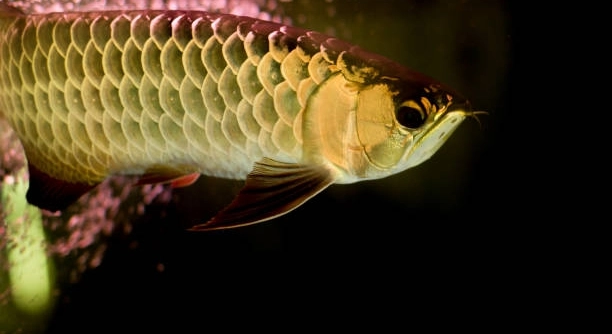
Are your arowanas swimming actively but seem confined in their tank? Many owners may not notice subtle signs of discomfort in their fish. Observing behavior closely can help ensure their well-being and happiness.
Arowanas require sufficient swimming space to maintain optimal health and growth. A tank that is too small can restrict movement, increase stress, and lead to physical deformities. Regularly assessing tank dimensions against your fish’s size prevents these negative outcomes.
Understanding how tank size impacts your arowana’s behavior and health is key. Observing these indicators early will help you provide the best environment possible.
Signs Your Arowana Is Feeling Crowded
When your arowana’s movements become limited or it starts pacing along the edges of the tank, it may be a sign that it needs more space. These fish are naturally active swimmers and require room to stretch their fins fully. Overcrowding can lead to stress, which affects appetite, immune response, and overall behavior. You might notice sudden aggression toward other tank mates or frequent hiding. Physical changes such as stunted growth or bent fins can also indicate the tank is too small. Paying attention to water quality is important too, as smaller tanks accumulate toxins faster, adding strain on the fish. Even if the water appears clean, the lack of swimming area alone can disrupt natural patterns. Observing these subtle behaviors early allows for corrective action before serious health issues develop. Keeping track of growth and behavior helps maintain a healthy and active arowana.
Overcrowded tanks often lead to stress, making your arowana more prone to illness and slower growth.
Providing adequate space allows your arowana to move freely, reducing tension and supporting physical development. Observing changes in behavior can help determine the need for a larger tank, ensuring your fish remains healthy, active, and visually vibrant.
Measuring Tank Space for Your Arowana
Tank dimensions should always match the arowana’s expected adult size.
An appropriate tank allows the fish to swim in straight lines without obstruction. For most arowanas, this means at least 250 gallons or more, depending on species. Height is equally important; these fish often jump, so a secure, tall tank reduces risk of injury. Decorations should not crowd the swimming area—keep open zones for exercise. Monitoring water quality is easier in larger tanks because dilution of waste is more effective. Filtration systems must match tank volume to maintain stable conditions. Regularly measuring the tank and tracking your fish’s growth ensures the environment remains suitable. Adjustments in tank size prevent behavioral problems and support long-term health. Observing how your arowana uses the space can indicate if more room is necessary. Growth patterns, swimming behavior, and social interactions with other fish provide clear guidance for necessary upgrades to the habitat. Proper tank size is essential for maintaining both physical health and natural activity levels.
Adjusting Your Tank Setup
Keeping open swimming areas is critical for an arowana’s comfort. Remove unnecessary decorations and ensure the tank is tall enough to prevent jumping. Proper layout reduces stress and allows natural movement, which is essential for growth.
Reorganizing the tank can make a noticeable difference in your arowana’s behavior. Place filtration systems efficiently to avoid strong currents in resting areas. Rocks and plants should be arranged along the edges, leaving the center open for swimming. Monitoring how your fish interacts with its environment helps identify which spaces it prefers. Regular observation ensures that changes improve its comfort and activity levels. A well-structured tank encourages natural swimming patterns and reduces tension.
Lighting and hiding spots play a key role in tank adjustments. Moderate light levels prevent overstimulation while still showcasing your fish. Adding gentle cover like floating plants or side decorations provides a sense of security without restricting movement. These adjustments contribute to a healthier, happier arowana by supporting natural instincts. Observing the fish over time shows if the space meets its needs.
Feeding Considerations in a Small Tank
Overfeeding can worsen stress in limited spaces. Meals should be measured to avoid excess waste, which can harm water quality.
Feeding in a smaller tank requires extra attention to portion sizes and frequency. Uneaten food can quickly pollute the water, raising ammonia and nitrite levels that strain your arowana. Offering high-quality, protein-rich foods in controlled amounts supports growth while keeping the tank clean. Watching your fish eat helps detect changes in appetite, which may indicate stress or illness. Proper feeding schedules prevent aggressive behavior linked to competition over food and maintain overall well-being.
Balanced nutrition and tank maintenance go hand in hand. Rotating food types, such as pellets, live or frozen prey, ensures your arowana receives essential nutrients. In smaller tanks, filtration must handle waste efficiently, and water changes become more frequent. Combining careful feeding with attentive water management prevents health issues caused by overcrowding or poor water conditions. Observing the fish’s energy levels and growth helps fine-tune feeding practices, ensuring the environment supports both physical health and natural behavior.
Monitoring Behavior Changes
Unusual swimming patterns can indicate your arowana needs more space. Constant pacing or staying in corners often signals stress.
Aggression toward tank mates or frequent hiding are other signs. Observing these behaviors early helps prevent long-term health issues and improves overall tank harmony.
Water Quality Management
Maintaining clean water is crucial in smaller tanks. High ammonia or nitrite levels from overcrowding can harm your arowana. Regular water testing, partial water changes, and proper filtration help stabilize conditions. Even minor fluctuations affect the fish’s stress levels, appetite, and immune response. Consistent monitoring ensures the tank remains safe and suitable.
Upgrading Your Tank
When your arowana consistently shows stress signs, a larger tank becomes necessary.
A bigger tank allows natural movement, reduces aggression, and supports healthy growth. Proper dimensions include adequate length for swimming and sufficient height for jumping. Upgrading ensures the fish can thrive, maintain energy, and display natural behaviors without restriction.
FAQ
How do I know if my arowana is stressed due to lack of space?
Signs of stress include pacing along tank walls, hiding frequently, and sudden aggression toward other fish. Arowanas may also lose appetite or show physical changes like bent fins or slowed growth. Observing daily behavior and noting changes over time can help identify stress caused by limited space.
What is the ideal tank size for an arowana?
Tank size depends on the species and adult length. Most arowanas need at least 250 gallons or more. Length and height are both important because they swim actively and sometimes jump. Ensuring enough open swimming space is key for their physical health and natural behavior.
Can arowanas live in smaller tanks if water is clean?
Even with clean water, small tanks restrict movement. Limited space increases stress and affects growth. Larger tanks allow full swimming range, reduce aggression, and improve overall well-being. Water quality is easier to maintain in bigger tanks, which further supports long-term health.
How often should I change the water in a small arowana tank?
In smaller tanks, partial water changes of 20–30% weekly are recommended. Frequent changes prevent ammonia and nitrite buildup, which can stress fish. Monitoring water parameters like pH, hardness, and nitrogen compounds ensures a safe environment and helps detect early signs of overcrowding.
What behaviors indicate my arowana needs more room immediately?
Constant wall-pacing, frantic swimming, and persistent hiding are urgent indicators. Aggression toward tank mates or rapid color changes can also signal discomfort. These behaviors show that the tank size is insufficient, and immediate action, such as upgrading the tank, is necessary.
Can adding decorations make a small tank feel bigger for my arowana?
Decorations can provide hiding spots but don’t increase swimming space. Open areas are more important than aesthetic additions. Keep structures along the edges, leaving the center clear for movement. Proper layout can slightly improve comfort, but it cannot replace a larger tank.
Is it safe to keep multiple arowanas in one tank?
Multiple arowanas require a very large tank with enough swimming space for each fish. Overcrowding increases aggression and stress. Even in large tanks, careful monitoring is necessary. Providing hiding spaces and observing interactions ensures harmony, but space remains the most critical factor.
How quickly do arowanas grow, and how does that affect tank space?
Arowanas grow rapidly, sometimes reaching several feet in just a few years. Tank space must account for adult size, not juvenile size. Planning for future growth prevents stress, deformities, and health issues. Upgrading early avoids sudden problems as the fish matures.
What adjustments can improve a small tank temporarily?
Removing unnecessary decorations, arranging filtration efficiently, and adding gentle hiding spots can help. Adjusting lighting and flow also reduces stress. These changes improve comfort, but they are temporary solutions. Long-term well-being requires a larger tank to support natural behavior and growth.
How does tank shape affect space needs?
Longer tanks provide more horizontal swimming space, which is essential for arowanas. Height prevents jumping injuries, while width ensures comfort when turning. Squat or overly narrow tanks restrict movement and increase stress, even if the total volume seems sufficient.
Are there signs that a larger tank improved my arowana’s health?
Increased swimming activity, calmer behavior, and regained appetite indicate better comfort. Improved growth rate and fin condition also reflect reduced stress. Observing natural behavior, such as exploring the tank and interacting normally with other fish, confirms the new environment is suitable.
Can diet affect how my arowana uses its space?
Yes. Overfeeding creates waste that can quickly pollute small tanks, increasing stress. Proper portions and high-quality food encourage normal activity. Balanced nutrition combined with adequate space supports both health and natural movement patterns, keeping your arowana energetic and thriving.
How often should I monitor my arowana’s behavior?
Daily observation is ideal. Noticing small changes early, like reduced swimming or increased hiding, allows prompt adjustments. Recording behavior over time helps track trends and ensures the tank remains suitable as your arowana grows.
Is arowana growth slower in smaller tanks?
Yes. Restricted space limits movement, increasing stress and reducing appetite. Over time, this slows growth and can cause deformities. Providing adequate space supports proper development and ensures the fish reaches its full potential.
How do I choose a tank filter for arowanas?
Filters must handle the full tank volume efficiently. Strong enough to maintain water clarity but gentle enough not to stress the fish. Overcrowded or under-filtered tanks accumulate toxins, so choosing the right system is crucial for both small and large tanks.
What is the best way to transition an arowana to a larger tank?
Move the fish gradually, ensuring water parameters match the new tank. Rearrange decorations to reduce stress. Monitor behavior closely for the first few days, as fish may react to unfamiliar space. Proper acclimation minimizes shock and encourages healthy exploration.
Can stress from small tanks lead to disease?
Yes. Crowding increases susceptibility to infections and parasites. Stress weakens the immune system, slows healing, and may trigger aggression. Early detection of stress signs and tank upgrades prevent disease and support long-term health.
What is the minimum length an arowana tank should have?
Tank length should be at least twice the adult fish’s body length. This allows straight swimming without restriction. A tank that is too short forces turning and stunts natural behavior, contributing to stress and physical issues over time.
How important is tank height for arowanas?
Height prevents injuries from jumping, especially during feeding or aggressive displays. A minimum height of 24–30 inches is recommended, depending on species. Adequate vertical space contributes to safety, reduces stress, and supports natural activity.
How do I balance tank décor with space needs?
Keep decorations along edges and avoid cluttering the center. Floating plants or low-profile rocks provide cover without restricting swimming. The goal is open space for movement while offering security, allowing your arowana to feel safe but not confined.
How do I know if multiple adjustments are working?
Monitor activity, appetite, and social behavior. Reduced pacing, fewer hiding episodes, and calmer interactions indicate positive changes. Recording behavior trends helps determine if tank layout, size, or feeding adjustments meet your arowana’s needs. Consistent improvement confirms effective solutions.
What long-term benefits come from giving an arowana more space?
Larger tanks reduce stress, promote growth, prevent aggression, and improve overall health. Your fish will display natural behaviors, have stronger immunity, and enjoy a longer, active life. Adequate space is essential for maintaining both physical and mental well-being.
How frequently should I check water parameters after upgrading the tank?
Daily checks for the first week are ideal. After stabilization, weekly monitoring is sufficient. Parameters to watch include pH, ammonia, nitrites, nitrates, and temperature. Consistent testing ensures the new environment supports healthy behavior and growth.
Can arowanas adjust to smaller tanks temporarily?
Yes, but it increases stress and slows growth. Temporary confinement requires strict water maintenance, reduced stocking, and careful feeding. Long-term well-being still depends on providing adequate space as soon as possible.
Are certain arowana species more sensitive to tank size?
Yes. Larger species like silver and red arowanas require more space sooner. Smaller species may tolerate less space initially, but all benefit from ample swimming room for optimal health and natural activity.
How do I prevent my arowana from jumping in a taller tank?
A secure lid is essential. Reducing sudden light changes, avoiding rapid movements near the tank, and providing gentle flow reduce stress that triggers jumping. Adequate height ensures safety while allowing natural movement.
Can arowanas adapt behaviorally to smaller tanks over time?
They may reduce activity, pace less, or hide more, but these are stress responses. Adaptation is not healthy growth. Proper tank size is necessary for natural behavior, energy, and long-term health.
How do I track growth and space needs effectively?
Measure your arowana regularly and compare against tank length and width. Note changes in behavior, swimming patterns, and interactions. Keeping a log helps plan for future upgrades and ensures your fish always has enough room.
What is the impact of overcrowding on social behavior?
Limited space increases aggression and competition over food and territory. Fish may bully or injure tank mates, leading to stress and reduced health. Adequate space supports natural social interactions and reduces conflict, allowing multiple fish to coexist peacefully.
How does water flow affect arowanas in smaller tanks?
Strong currents can tire fish in small spaces. Gentle flow mimics natural conditions without stressing the fish. Positioning filters and pumps properly ensures comfort while maintaining water quality and circulation.
Is it better to upgrade tank size gradually or all at once?
Upgrading in one step is generally fine if water parameters match. Gradual adjustments reduce shock but may not be necessary for adult fish. Ensure the new tank is fully prepared and stable before introducing your arowana.
What should I do if my arowana shows aggression in a limited space?
Separate the fish if possible, increase hiding spots, and monitor closely. Aggression is often a response to confinement. Upgrading the tank is the most effective solution to prevent injury and reduce stress.
Can tank size influence breeding behavior?
Yes. Arowanas need ample space for courtship, swimming, and nesting behaviors. Smaller tanks inhibit these natural behaviors and can cause stress, reducing the likelihood of successful breeding.
How does temperature interact with space requirements?
Proper temperature supports metabolism, but restricted space can amplify stress. Maintaining stable, species-appropriate temperatures ensures your fish can move comfortably and digest food efficiently, even in larger tanks.
How do I prepare for future growth in young arowanas?
Plan tank size based on adult length, not current size. Include filtration, décor, and open swimming areas that accommodate growth. Upgrading proactively prevents stress, health issues, and behavioral problems as the fish matures.
Are there visual signs that my arowana prefers more space?
Frequent attempts to explore corners, tail dragging along walls, or repeated jumping indicate the fish is constrained. Watching these behaviors helps determine when tank upgrades are necessary to maintain comfort and health.
How long does it take for an arowana to adjust to a larger tank?
Adjustment usually occurs within a few days to a week. Fish begin exploring new space, reduce pacing, and display calmer behavior. Regular observation ensures they acclimate safely and take full advantage of the improved environment.
What is the connection between stress and disease susceptibility?
Stress lowers immunity, making arowanas more prone to infections and parasites. Providing enough space, clean water, and proper nutrition reduces stress, directly supporting disease prevention and overall vitality.
Can tank lighting affect how arowana uses space?
Yes. Bright or uneven lighting can make fish hide or avoid certain areas. Moderate, consistent lighting encourages natural swimming and exploration while reducing stress and enhancing comfort in the tank.
How do I balance tank upgrades with budget constraints?
Prioritize length and height over décor or extra features. Even a simple, larger tank significantly improves health and behavior. Gradually add filtration and accessories as resources allow, ensuring the primary goal—adequate space—is met first.
Is it necessary to upgrade filter capacity with a larger tank?
Yes. Larger volume requires filtration that can maintain water quality efficiently. Proper flow and mechanical, chemical, and biological filtration reduce toxins and stress, supporting health and activity in the new environment.
Can I use multiple smaller tanks instead of one large one?
It is possible but not ideal for a single large arowana. Dividing fish can limit social interaction and natural behavior. A single appropriately sized tank is usually better for activity, health, and maintenance efficiency.
How important is monitoring behavior after every tank change?
Essential. Fish may react to new space, flow, or décor. Tracking appetite, swimming patterns, and interactions ensures adjustments improve conditions and prevents stress-related issues. Observation confirms the new setup meets the fish’s needs.
How do I avoid mistakes when estimating future space needs?
Research adult size of your species, measure your tank carefully, and consider swimming habits. Planning for growth prevents overcrowding and stress. Accounting for filtration and décor ensures long-term suitability.
How does tank shape influence stress in small environments?
Narrow or squat tanks restrict turning and natural movement, increasing tension. Long, open tanks support horizontal swimming, reduce pacing, and allow comfortable exploration. Shape is as important as volume in maintaining comfort and behavior.
What is the best approach to prevent space-related health issues?
Provide ample tank size from the start, monitor behavior, maintain clean water, and adjust feeding. Observing growth and activity ensures early detection of stress and prevents disease or deformities. Consistent attention guarantees a healthy environment for long-term well-being.
How do I combine all adjustments for best results?
Use a larger tank, proper layout, adequate filtration, controlled feeding, and careful observation together. Each factor supports natural behavior, reduces stress, and promotes growth. Combining these measures ensures your arowana thrives physically and mentally.
How long should I observe changes after any adjustment?
Monitor daily for at least a week, noting swimming, appetite, and interactions. Some behavioral changes may appear gradually, so consistent observation ensures the adjustment meets your arowana’s needs effectively.
Can stress from limited space cause long-term behavioral issues?
Yes. Prolonged confinement can lead to chronic pacing, hiding, aggression, and poor growth. Addressing space needs early prevents permanent behavioral and physical problems.
What are the main takeaways about tank space for arowanas?
Adequate space supports natural swimming, reduces stress, promotes growth, prevents disease, and encourages social harmony. Observing behavior, planning for growth, and maintaining proper water conditions ensure long-term health. Prioritizing space is the most effective way to care for your arowana.
How often should I reassess tank space as my arowana grows?
Reassess monthly, or whenever noticeable growth occurs. Compare tank dimensions with adult size requirements. Regular evaluation ensures your fish always has room to move freely and stay healthy.
What minor adjustments help if a tank upgrade isn’t immediately possible?
Remove nonessential décor, optimize filter placement, control feeding, and add gentle hiding spots. These steps reduce stress temporarily, but long-term comfort still depends on providing a larger tank.
How do I ensure multiple arowanas have enough space?
Calculate space for each fish individually, provide separate hiding zones, and maintain strong filtration. Observing interactions and swimming patterns ensures coexistence without stress or aggression. Proper space prevents conflict and supports health.
Can limited space affect fin and body development?
Yes. Restricted movement can stunt growth and cause bent or deformed fins. Providing a larger tank allows full swimming and proper development, supporting overall physical health.
How important is consistent monitoring compared to tank size?
Both are crucial. Adequate space prevents stress, but monitoring ensures changes in behavior, water quality, or health are noticed early. Regular observation complements proper tank size for optimal care.
Does tank size affect energy levels in arowanas?
Yes. Crowded tanks limit swimming and natural activity, reducing energy and appetite. A larger tank promotes movement, encourages exploration, and supports overall vitality.
How can I tell if my arowana is using the new space properly?
Active swimming, exploration, and reduced hiding indicate comfort. Calm interactions with other fish and normal feeding behavior confirm the tank meets spatial needs.
What role does filtration play in relation to tank size?
Proper filtration maintains water quality, which becomes more challenging in smaller tanks. Larger tanks require stronger systems to prevent buildup of toxins. Effective filtration supports health, reduces stress, and complements adequate swimming space.
How do I balance tank décor with growth needs?
Focus on open swimming areas first. Place minimal décor along edges to provide security without restricting movement. This balance ensures comfort, supports natural behavior, and accommodates growth.
Is it better to upgrade tank size proactively or reactively?
Proactive upgrades prevent stress, aggression, and stunted growth. Waiting until behavioral or health issues appear is riskier. Planning ahead ensures your arowana thrives without setbacks.
Can limited space affect feeding behavior?
Yes. Overcrowding can trigger aggression during feeding, reduce appetite, and increase waste. Adequate space allows calm, natural feeding and supports digestion and growth.
How do I know when a tank is too large for a small juvenile arowana?
While larger tanks are generally better, juveniles in very large spaces may hide more initially. Observation ensures the fish adapts well and uses the space effectively, adjusting as it grows.
Does tank size influence interaction with other species?
Yes. Crowded tanks increase competition and aggression. Providing enough room reduces conflict and supports peaceful coexistence, especially with slower or smaller tank mates.
How does water circulation relate to space needs?
Strong currents in small tanks tire fish and increase stress. Gentle flow in larger tanks allows swimming without exhaustion and maintains water quality. Proper circulation complements space for comfort and health.
Are there signs that indicate the tank is now sufficient?
Active swimming, consistent appetite, minimal hiding, healthy growth, and calm social interactions show the tank provides adequate space. Observing these signs confirms proper adjustments.
How do I integrate all factors—space, water, feeding, décor—for best results?
Ensure the tank is large, maintain clean water, control feeding, and arrange décor to leave open swimming areas. Regularly monitor behavior and growth. This combination supports natural activity, reduces stress, and promotes long-term health.
Can I track progress by recording behavior?
Yes. Logs of swimming patterns, appetite, and interactions reveal trends and responses to changes. Tracking progress helps plan future tank upgrades and ensures your arowana thrives.
What should I prioritize if limited by budget or space?
Prioritize tank size first, followed by filtration and water maintenance. Space directly impacts stress, growth, and health. Secondary adjustments like décor or lighting improve comfort but cannot replace adequate swimming room.
How do I prevent recurring issues with limited space?
Plan for adult size, monitor behavior, maintain water quality, and adjust feeding. Upgrading proactively avoids stress, aggression, and disease. Observation ensures long-term well-being.
Are certain behaviors irreversible if limited space persists?
Chronic stress can lead to permanent pacing, aggression, or slowed growth. Addressing space early prevents long-term behavioral and physical issues.
How does tank shape affect feeding and swimming?
Long, open tanks allow straight-line swimming and calm feeding. Narrow or short tanks restrict movement, increasing stress during meals and daily activity. Proper dimensions support comfort and natural behavior.
What is the connection between growth rate and tank space?
Restricted space limits exercise and increases stress, slowing growth and possibly causing deformities. Larger tanks promote energy, activity,
Final Thoughts
Providing adequate space for your arowana is one of the most important things you can do as an owner. These fish are naturally active swimmers and need room to move freely. A tank that is too small can cause stress, reduce appetite, and slow growth. Even if water quality is good, restricted movement can lead to health problems over time. Observing your arowana’s behavior is key to understanding whether it needs more space. Signs like pacing along the walls, frequent hiding, aggression toward other fish, or slowed growth indicate that your fish may be confined. Addressing these issues early helps prevent long-term physical and behavioral problems.
Upgrading to a larger tank may require planning, but the benefits for your arowana are clear. A properly sized tank allows for natural swimming patterns, reduces stress, and supports healthy growth. The height and length of the tank are both important, as arowanas sometimes jump and need room to swim in straight lines. Open swimming space should be prioritized over decorative additions. While hiding spots and plants are helpful, the center of the tank should remain clear for exercise. A larger tank also makes maintaining water quality easier. Proper filtration, regular water changes, and monitoring parameters like ammonia, nitrite, and pH are all more manageable when the fish has enough room. These factors combine to create an environment that supports both physical health and natural behavior.
Paying attention to your arowana’s daily habits is just as important as the tank size itself. Watching how it swims, interacts with tank mates, and responds during feeding can give you important clues about its comfort. Adjustments like rearranging decorations, controlling feeding, or adding gentle cover can help temporarily, but long-term well-being depends on adequate space. A proactive approach to tank upgrades prevents stress, aggression, and stunted growth. Consistent observation, combined with thoughtful planning, ensures your arowana thrives in its environment. By prioritizing space, monitoring behavior, and maintaining water quality, you are giving your fish the best chance for a healthy, active life. Arowanas can grow large and live for many years, and making space a priority now will pay off in their long-term health and happiness.

Hello,
If you enjoy the content that we create, please consider saying a "Thank You!" by leaving a tip.
Every little bit helps us continue crafting quality advice that supports the health, happiness, and well-being of pets around the world, for pets of all shapes, sizes, and species.
We really appreciate the kindness and support that you show us!