
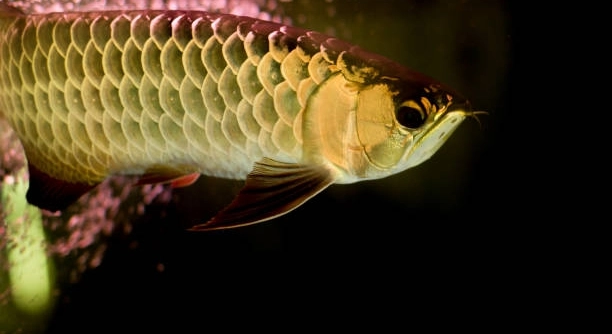
Arowanas are majestic fish that require careful attention when introducing new tank mates. Their behavior can change quickly depending on the other species present. Observing these changes helps ensure a peaceful and balanced aquarium environment.
Arowanas may display seven common reactions when encountering new tank mates, including curiosity, aggression, territorial displays, cautious swimming, ignoring, following, and feeding interference. Monitoring these behaviors allows aquarists to manage social dynamics effectively and maintain a stable aquatic ecosystem.
Understanding these responses is crucial for maintaining harmony in your tank. Proper management ensures both the arowana and its companions thrive together safely.
Curiosity
Arowanas often approach new tank mates with cautious curiosity. They may swim slowly around unfamiliar fish, observing their movements and assessing potential risks. This behavior is more common in younger arowanas, who are still learning the dynamics of their environment. During this period, the arowana might circle near the newcomer, flicking its fins slightly to gauge reactions. Occasionally, they may swim directly toward the other fish, then retreat quickly if the response seems threatening. Understanding this behavior is essential, as it shows the arowana is aware of its surroundings but not yet ready to interact aggressively. Providing hiding spots and open swimming space can reduce stress and encourage a balanced coexistence. Over time, curiosity may turn into familiarity, allowing both species to share the tank without incident. Consistent observation ensures any early signs of conflict are addressed before they escalate.
This initial curiosity is a healthy response and signals the fish is adjusting to new conditions.
Patience during this phase is crucial. Arowanas that are observed calmly exploring their tank tend to settle faster. Proper tank setup, including plants or decorations, can reduce anxiety and provide safe areas for both new and established fish. By respecting their pace, the environment becomes more predictable and less stressful for all inhabitants.
Aggression
Aggression can appear suddenly, especially in territorial arowanas.
Arowanas may chase, nip, or block new tank mates, particularly if the space is limited or if the newcomer enters their preferred swimming area. Aggression often peaks during feeding or when the arowana feels its territory is threatened. Signs include rapid lunging, flaring gills, and repeated circling of the other fish. These behaviors can escalate if not addressed, leading to injuries or chronic stress. Tank size plays a major role in mitigating aggression; larger aquariums provide space for both the arowana and its companions, reducing direct confrontations. Separating aggressive individuals temporarily or rearranging tank décor can help reset territorial boundaries. Introducing new fish gradually and monitoring interactions closely allows for adjustments before conflicts become serious. Understanding an arowana’s temperament and establishing clear boundaries ensures the safety and well-being of all species in the tank. Regular observation and intervention are essential to maintain a harmonious environment.
Territorial Displays
Arowanas often mark their territory by patrolling specific areas and using body language to warn others. This includes spreading fins, swaying, and circling new tank mates. These displays establish dominance without immediate conflict but signal that boundaries are important.
Territorial behavior is natural for arowanas, especially in confined spaces. They may hover near decorations, the tank surface, or preferred hiding spots to assert ownership. This can make new fish hesitant, prompting them to retreat or stay in less desirable areas. Over time, repeated displays help the arowana communicate dominance clearly. Adjusting tank layout and providing multiple zones can reduce tension, allowing both the arowana and its companions to coexist. Regular observation is important to ensure minor displays do not escalate into aggressive attacks.
Managing territorial behavior involves patience and careful planning. Adding visual barriers, plants, or driftwood can break lines of sight, preventing constant confrontation. Rotating decorations or altering the tank’s structure slightly can reset established boundaries. Ensuring the tank is large enough for multiple fish and maintaining consistent feeding routines can also reduce territorial stress, making the environment calmer and safer for all inhabitants.
Cautious Swimming
New tank mates often trigger cautious swimming in arowanas, with slow, deliberate movements near the edges or surface. This behavior helps them monitor potential threats while maintaining control of their space.
Cautious swimming is a response to uncertainty. Arowanas may linger in corners or glide slowly above or below other fish, observing reactions and testing comfort levels. This behavior is often paired with subtle fin movements and pauses to assess the environment. Stress levels can increase if the tank is overcrowded or if hiding spots are scarce, so providing adequate space is critical. Over time, as arowanas recognize that the newcomers pose no threat, cautious swimming decreases, and normal movement patterns resume.
Encouraging arowanas to feel secure involves offering multiple hiding areas and open swimming zones. Feeding them regularly and avoiding sudden changes in the tank helps reduce stress. Observing behavior closely allows you to detect when caution is escalating toward aggression. By maintaining a stable environment, both the arowana and its tank mates can interact more confidently, gradually reducing fear-driven swimming patterns. Creating a sense of security is key for long-term harmony.
Ignoring
Arowanas sometimes completely ignore new tank mates, swimming past them without any reaction. This behavior often occurs when the newcomer poses no threat or when the arowana is confident in its dominance.
Ignoring can be a sign of established social order. When the arowana feels secure, it does not need to react aggressively or curiously. This behavior reduces stress for both the arowana and the new fish. Over time, ignoring can help maintain a calm tank environment, allowing all fish to coexist without constant interaction or confrontation.
Following
Arowanas may follow new tank mates closely, often swimming behind or alongside them. This is a way to monitor movements and assert control over the tank’s space. Following can also indicate interest in the other fish’s behavior or feeding patterns.
Feeding Interference
Arowanas often interfere with new tank mates during feeding times. They may chase others away, eat first, or hover near food sources to assert dominance. This behavior can stress smaller or less aggressive fish and lead to uneven food distribution. Monitoring feeding interactions and separating fish temporarily ensures all receive adequate nutrition.
Skittish Reactions
New tank mates can cause skittish reactions in arowanas, leading them to dart suddenly or hide briefly. This quick response helps them avoid potential threats and regain a sense of safety in their environment.
FAQ
How can I tell if my arowana is stressed by new tank mates?
Signs of stress in arowanas include rapid swimming, hiding, loss of appetite, flared gills, and frequent color changes. Stress may also show through repeated territorial displays or aggression. Observing these behaviors during the first few days of introduction is essential. Providing hiding spaces and sufficient tank size can help minimize stress. Monitoring interactions closely allows early intervention, preventing injuries or chronic anxiety. Stress management ensures both the arowana and its new tank mates adapt more comfortably and safely to shared space.
Can arowanas live peacefully with other fish?
Yes, arowanas can coexist with other species if tank conditions, size, and species compatibility are carefully considered. Larger, non-aggressive fish that occupy different water levels are ideal companions. Avoid overcrowding and provide visual barriers to reduce confrontation. Gradual introductions and consistent observation help ensure harmony. Compatibility also depends on the temperament of individual arowanas, as some are more territorial or aggressive than others. Establishing clear boundaries and maintaining stable water conditions contributes to long-term peaceful interactions, allowing multiple fish to thrive in the same aquarium.
What should I do if my arowana attacks a new tank mate?
If aggression occurs, immediately separate the fish to prevent injury. Rearranging decorations can help reset territorial boundaries, reducing direct confrontations when reintroduced. Gradual reintroduction, using a divider initially, allows the arowana to observe without physical contact. Maintaining adequate space and feeding consistently also minimizes competition. Tracking behavior during feeding and movement helps anticipate triggers for aggression, allowing preventative measures. Persistent attacks may indicate incompatibility, and a permanent separation may be necessary for the safety and well-being of all fish in the tank.
How long does it take for arowanas to adjust to new tank mates?
Adjustment periods vary depending on the fish’s age, size, temperament, and tank conditions. Generally, initial reactions such as curiosity, cautious swimming, or minor aggression last one to two weeks. Full adaptation may take several weeks, during which behaviors gradually stabilize. Regular observation and environmental adjustments, such as rearranging décor or adding hiding spaces, help accelerate adaptation. Patience is crucial, as forcing interactions or rushing the process can increase stress and lead to aggression. Proper monitoring ensures a smoother transition and safer coexistence for all tank inhabitants.
Are there specific tank setups that reduce conflict?
Providing a spacious tank with multiple swimming zones and hiding areas is essential. Visual barriers, such as plants, driftwood, or rock structures, allow fish to retreat and break line-of-sight, reducing territorial disputes. Proper filtration, lighting, and temperature control also contribute to stable behavior. Maintaining a well-organized environment encourages natural movement patterns, prevents overcrowding, and reduces stress. Strategic placement of feeding areas can minimize competition, while consistent maintenance ensures water quality remains high, further supporting peaceful interactions between arowanas and their tank mates.
Can feeding routines affect arowana behavior?
Yes, feeding plays a significant role in arowana behavior. Unequal access to food can trigger aggression or territorial displays. Offering food in multiple locations and feeding at consistent times reduces competition. Observing feeding interactions allows you to identify aggressive tendencies and take corrective action. For smaller or less assertive tank mates, separating feeding temporarily ensures everyone receives adequate nutrition. A structured feeding routine helps maintain calm, predictable behavior, lowering stress and fostering a balanced social environment within the tank.
What are the best fish to pair with arowanas?
Ideal tank mates are large, non-aggressive species that occupy different swimming levels. Examples include certain catfish, large tetras, and other robust mid- to top-level swimmers. Avoid small, slow-moving, or territorial fish that may trigger aggression. Compatibility depends on tank size, hiding spaces, and the arowana’s temperament. Gradual introductions and consistent monitoring are essential. Proper selection ensures coexistence, reduces stress, and promotes a healthy, stable aquatic community where both arowanas and their companions can thrive together.
How can I prevent long-term aggression between arowanas and new fish?
Preventing long-term aggression requires careful observation, proper tank setup, and adequate space. Visual barriers, hiding spots, and multiple feeding zones help reduce conflict. Gradual introductions, consistent water conditions, and monitoring interactions allow early intervention if disputes arise. Maintaining stable routines and ensuring compatible species selection are key factors. Persistent aggression may require permanent separation, but proactive measures usually prevent escalation. Creating an environment where each fish has its own space and resources minimizes stress and encourages peaceful cohabitation over time.
Final Thoughts
Introducing new tank mates to an arowana requires careful observation and planning. Arowanas are naturally territorial and can display a wide range of behaviors when faced with unfamiliar fish. From curiosity to aggression, their reactions depend on the tank size, environment, and temperament of both the arowana and the newcomers. Paying attention to these behaviors helps maintain a safe and balanced aquarium. Ensuring the tank has enough space, hiding spots, and proper layout allows both the arowana and other fish to coexist without constant stress. Providing these environmental supports reduces the chances of injury and establishes clear boundaries that all fish can recognize. Over time, even arowanas with strong personalities can adjust to the presence of other species, as long as their needs are respected and monitored closely.
Maintaining consistent feeding routines and water conditions is equally important. Unequal access to food or sudden changes in water quality can trigger stress or aggression, undermining any progress made in acclimating new tank mates. Observing feeding patterns can reveal which fish are dominant and which need extra attention to ensure they receive proper nutrition. Rearranging tank décor occasionally can help reset territorial boundaries, preventing long-term disputes. The goal is to create a predictable environment where each fish has its own space and resources. Patience is necessary, as adjustment can take several weeks, and rushed introductions often worsen tension. By keeping a calm and structured environment, the arowana and its companions are more likely to develop a peaceful coexistence over time.
Understanding the individual personalities of your arowana and its tank mates is crucial. Some arowanas are naturally more aggressive or cautious, and this can influence how they interact with new fish. Selecting compatible species, providing sufficient space, and monitoring interactions closely ensures safety and reduces stress. While occasional displays of territorial behavior or cautious swimming are normal, prolonged aggression or excessive hiding indicates a need for intervention. By applying these strategies, you can foster a balanced aquatic environment that supports both the physical health and emotional well-being of all fish. Careful attention, patience, and proper planning create a harmonious tank where arowanas and their companions can thrive together without unnecessary conflict.

Hello,
If you enjoy the content that we create, please consider saying a "Thank You!" by leaving a tip.
Every little bit helps us continue crafting quality advice that supports the health, happiness, and well-being of pets around the world, for pets of all shapes, sizes, and species.
We really appreciate the kindness and support that you show us!