
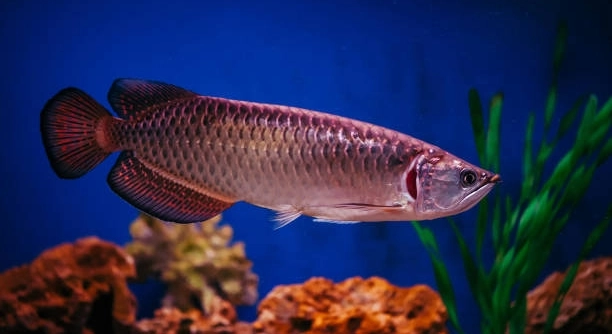
Owning an arowana can be both exciting and challenging for first-time fish keepers. These striking creatures require careful attention to their environment, diet, and overall care to thrive in a home aquarium setting.
The best practices for first-time arowana owners include selecting the right tank size, maintaining proper water quality, providing a balanced diet, monitoring health regularly, ensuring adequate space for swimming, understanding species-specific behavior, and establishing a consistent care routine.
Following these guidelines will help ensure your arowana grows healthy and strong while adapting smoothly to its new home. Proper care sets the foundation for long-term enjoyment and success.
Choosing the Right Tank Size
Selecting an appropriate tank for your arowana is crucial. These fish can grow quite large, often reaching up to three feet in length, and need ample swimming space. A tank that is too small can cause stress, stunt growth, and increase aggression. Experts recommend a minimum of 250 gallons for a single adult arowana. The tank should be longer than it is wide to accommodate their horizontal swimming patterns. Round or unusually shaped tanks are not ideal, as they limit movement and can create circulation problems. Consider the tank’s height as well, since arowanas often swim near the surface and can jump when startled. Investing in a high-quality tank with strong filtration and secure covers will help maintain water quality and prevent accidents. The tank’s location should avoid direct sunlight and sudden temperature changes, as arowanas are sensitive to fluctuations. Setting up the tank properly from the start reduces long-term stress and maintenance issues.
A larger tank reduces stress and supports the arowana’s growth. It also makes it easier to maintain water quality consistently.
Proper tank setup includes sturdy filtration, secure covers, and attention to tank placement. Arowanas need plenty of space, stable water conditions, and a safe environment to thrive. Ensuring these factors from the beginning promotes health and longevity.
Maintaining Water Quality
Water quality is critical for arowana health. These fish produce a lot of waste, making frequent testing and water changes necessary.
Regular water changes help maintain stable pH, ammonia, and nitrate levels. A high-quality filtration system is essential to remove debris, toxins, and uneaten food efficiently. Arowanas prefer slightly acidic to neutral water, typically around pH 6.5 to 7.5, with a temperature between 75–82°F. Using a heater and thermometer helps maintain consistent temperatures. Test the water weekly for ammonia, nitrites, and nitrates to catch issues early. Avoid overcrowding and overfeeding, as both can lead to water quality deterioration. Cleaning decorations and substrate regularly also helps prevent harmful buildup. For new owners, investing in reliable testing kits and learning the signs of water stress, such as lethargy or clamped fins, is important. Consistent maintenance creates a stable environment, reduces disease risk, and supports natural behavior. Over time, maintaining clean water becomes a routine that significantly improves the arowana’s health and appearance.
Keeping water conditions stable ensures the fish stays healthy and active. Clean, well-monitored water prevents stress and common illnesses.
Providing a Balanced Diet
Arowanas need a varied diet to stay healthy. Feeding a mix of pellets, live food, and occasional frozen treats ensures proper growth and vibrant colors.
A balanced diet prevents nutritional deficiencies and supports the immune system. High-quality pellets formulated for carnivorous fish provide essential vitamins and minerals. Live foods, such as small fish or insects, add protein and encourage natural hunting behavior. Frozen options like shrimp or krill offer variety while reducing the risk of parasites. Feeding should be done once or twice daily, providing only what the fish can consume in a few minutes. Overfeeding can pollute the water and cause obesity, while underfeeding slows growth. Tracking feeding habits and adjusting portions as the fish grows helps maintain optimal health.
Consistency in diet is important, but introducing occasional variety keeps the arowana engaged and active. Rotating food types prevents boredom and promotes natural behavior patterns. Proper nutrition is essential for growth, immunity, and coloration, forming the foundation of long-term care.
Monitoring Health Regularly
Regular observation helps catch health issues early. Watch for changes in appetite, swimming, or skin appearance.
Routine checks make a noticeable difference in long-term care. Arowanas can develop infections, parasites, or fin damage if stressed or exposed to poor water conditions. Inspect scales for redness, swelling, or lesions, and note any abnormal swimming patterns like floating near the surface or sinking unexpectedly. Keeping a health log can help track subtle changes over time, making it easier to identify problems early. Quarantine new fish before introducing them reduces the risk of disease. When signs of illness appear, quick intervention with proper treatment improves recovery chances. Monitoring behavior and physical condition daily allows proactive care and prevents minor issues from becoming serious. Regular attention strengthens your ability to respond promptly and maintain a healthy environment for the fish.
Early detection and proactive treatment minimize health risks. Maintaining close observation and acting quickly ensures your arowana thrives, avoiding preventable illness or injury.
Ensuring Adequate Space for Swimming
Arowanas are active swimmers that need plenty of room. Crowded tanks can lead to stress, aggression, and stunted growth.
Providing horizontal swimming space is more important than height. The fish should be able to move freely without bumping into decorations or tank walls.
Understanding Species-Specific Behavior
Arowanas are naturally territorial and can show aggression toward other fish. They may jump or strike at perceived threats, especially in confined spaces. Understanding these behaviors helps prevent injuries and allows you to create a safer, more comfortable environment tailored to their instincts.
Establishing a Consistent Care Routine
Daily and weekly maintenance, including feeding, water testing, and tank cleaning, keeps conditions stable. Consistency reduces stress and promotes long-term health for the arowana.
FAQ
How often should I feed my arowana?
Feeding frequency depends on age and size. Juveniles require two to three small feedings per day, while adult arowanas do well with once or twice daily. Avoid overfeeding, as leftover food can pollute the water and lead to obesity. Only provide what the fish can consume within a few minutes. Monitoring appetite helps adjust portions appropriately.
What type of food is best for arowanas?
A varied diet works best. High-quality pellets designed for carnivorous fish provide essential nutrients. Supplement with live or frozen foods such as shrimp, krill, or small fish. This variety encourages natural hunting behaviors, improves growth, and enhances coloration. Avoid feeding exclusively one type of food to prevent deficiencies.
Can arowanas live with other fish?
Arowanas are territorial and aggressive, especially in confined spaces. Small or slow-moving fish may be seen as prey. If you want tankmates, choose large, robust species and ensure the tank is spacious. Always monitor interactions closely to prevent injuries. Quarantining new fish before introduction reduces disease risk.
How large should my tank be?
Adult arowanas can reach three feet, requiring at least a 250-gallon tank. Longer tanks are preferable to accommodate horizontal swimming. Height is important for jumps, so secure lids are necessary. Overcrowding causes stress, stunted growth, and aggressive behavior. Proper tank size ensures healthier fish and easier maintenance.
What water conditions do arowanas need?
Arowanas prefer slightly acidic to neutral water with a pH of 6.5–7.5. Temperature should stay between 75–82°F. Regular testing for ammonia, nitrites, and nitrates is essential. Stable water parameters prevent stress, disease, and abnormal behavior. Using heaters, filters, and regular water changes maintains a safe environment.
How often should I clean the tank?
Weekly partial water changes of 20–30% are recommended. Remove uneaten food and clean substrate regularly. Filters should be checked and cleaned monthly to maintain proper function. Consistent cleaning prevents toxin buildup and supports the fish’s immune system. Avoid deep cleaning all at once to preserve beneficial bacteria.
Why does my arowana jump out of the tank?
Jumping is natural, often triggered by reflections, sudden movements, or stress. Ensure the tank has a secure lid and minimal disturbances near the aquarium. Providing hiding spots or floating decorations can reduce stress and help the fish feel secure.
How can I tell if my arowana is sick?
Look for signs like loss of appetite, unusual swimming patterns, clamped fins, discolored scales, or swelling. Early detection allows prompt treatment. Keeping a health log and monitoring daily behavior helps identify problems quickly. Quarantining sick fish prevents illness from spreading.
Is it necessary to quarantine new fish?
Yes. Quarantining new fish for at least two weeks helps prevent disease introduction. Monitor for signs of parasites, infections, or unusual behavior before adding them to the main tank. Quarantine reduces stress on the established arowana and protects overall tank health.
Can arowanas recognize their owner?
Arowanas can become familiar with routine feeding and may respond to movements near the tank. They are intelligent and can learn patterns, but recognition is mostly related to food association rather than social bonding. Regular, gentle interaction can make them more comfortable around people.
How do I improve my arowana’s coloration?
Color develops best with proper nutrition and stable water conditions. High-quality pellets, live foods, and occasional frozen treats enhance vibrancy. Adequate lighting and minimal stress also contribute. Avoid overfeeding or sudden water changes, which can dull colors. Consistency in diet and environment is key.
What common mistakes should I avoid?
Overfeeding, small tanks, poor water quality, and neglecting health checks are common mistakes. Avoid mixing aggressive species without precautions and always provide secure tank covers. Regular observation and maintenance prevent long-term health problems and support natural behavior.
This FAQ covers the main concerns for first-time arowana owners, helping ensure proper care, health, and a thriving environment for these impressive fish.
Final Thoughts
Owning an arowana is a serious commitment that requires planning, patience, and consistent care. These fish are beautiful and can become a striking centerpiece in any home, but their size, behavior, and environmental needs must be respected. From the very beginning, setting up a suitable tank with proper filtration, heating, and space for swimming is essential. The right tank not only accommodates the fish physically but also supports water quality and overall health. Arowanas grow quickly, and their strength and activity levels demand careful attention to safety. Secure lids, stable furniture, and a clear surrounding area are practical measures that prevent accidents. When the tank is prepared properly, it creates a controlled environment where the fish can thrive without constant stress or discomfort.
Feeding and nutrition play an equally important role in arowana care. A varied diet ensures proper growth, strong immunity, and vibrant coloration. High-quality pellets, supplemented with live or frozen foods, provide a balanced mix of nutrients. Overfeeding or relying on a single type of food can cause health problems or water quality issues. Observing feeding behavior helps determine the correct portion sizes and frequency. Young fish need more frequent meals, while adults do better with once or twice daily feedings. Consistency in feeding habits, paired with attention to water quality, forms the foundation of long-term health. Arowanas are sensitive to fluctuations in their environment, so maintaining clean water and stable conditions reduces the risk of disease and supports natural behaviors like hunting, swimming, and exploration.
Regular monitoring and proactive care are the final pieces of maintaining a healthy arowana. Checking for signs of illness, abnormal behavior, or changes in appetite allows for early intervention before small problems become serious. Understanding the species’ behavior helps prevent stress and aggression, particularly in multi-fish tanks. Consistent maintenance routines, including partial water changes, filter cleaning, and observation of the fish, build a reliable rhythm that the arowana can adjust to. Over time, these routines become natural and manageable, ensuring a stable environment. Successful ownership is not only about providing the basics but also about observing, learning, and adjusting as the fish grows and adapts. With attention to tank setup, diet, and health, first-time owners can create a safe, stimulating, and long-lasting home for their arowana, making the experience both rewarding and sustainable.

Hello,
If you enjoy the content that we create, please consider saying a "Thank You!" by leaving a tip.
Every little bit helps us continue crafting quality advice that supports the health, happiness, and well-being of pets around the world, for pets of all shapes, sizes, and species.
We really appreciate the kindness and support that you show us!