
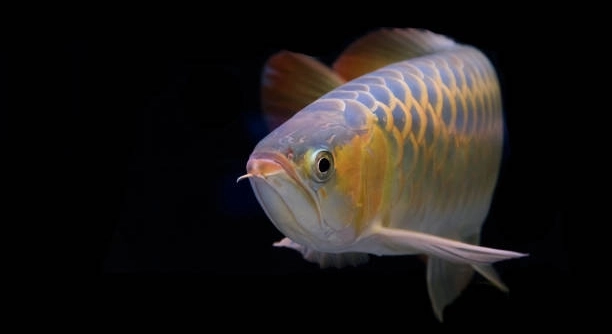
Transporting an arowana can be stressful for both the fish and its owner. Proper preparation, understanding its behavior, and following safe travel methods are essential to ensure the fish remains healthy and calm during the journey.
The most effective way to travel with an arowana involves using a secure, well-aerated container with stable water conditions, minimal movement, and controlled temperature. Proper acclimation before and after travel reduces stress and prevents potential health complications.
Learning these steps can make the process smoother, keeping your arowana safe and comfortable throughout the journey.
Preparing Your Arowana for Travel
Before moving your arowana, it’s important to prepare it properly. Start by feeding it lightly or skipping a meal the day before travel to reduce waste in the container. Ensure the water in its tank is clean and stable, with temperature and pH levels matching its natural environment. Check for any signs of illness, as traveling a sick fish can worsen its condition. Choose a container that is both secure and roomy enough for the fish to turn comfortably, but not so large that it allows excessive movement. Add oxygen or use a portable aerator to maintain oxygen levels. Cover the container to reduce stress from visual stimuli. Make sure to have a lid or cover that prevents accidental spills but allows some airflow. Preparing the container, water, and fish properly before travel reduces the risk of shock and keeps the arowana calm.
Proper preparation helps reduce stress and keeps your arowana healthy during transit.
Handling the container carefully and avoiding sudden movements can make a significant difference. Using padded supports and keeping it stable ensures the fish remains safe, and pre-checking water parameters prevents surprises that could harm the arowana. Maintaining a calm, controlled environment is key.
Choosing the Right Container
A container should be durable, leak-proof, and the correct size for your arowana.
Selecting the correct container ensures safety and reduces stress. Large plastic or specialized fish transport bags work well, but rigid boxes with secure lids are sometimes better for longer moves. Always avoid containers that are fragile or allow tipping easily.
For travel, the container must maintain temperature and oxygen levels. Use a thick, insulated container for longer periods to prevent temperature swings. Portable aerators or oxygen tablets can help maintain proper oxygen, especially in bags or boxes with limited surface area. Avoid overfilling water to prevent sloshing, and add a small floating barrier if the container is large to reduce movement. Make sure the lid is tight but not airtight, allowing some gas exchange. Transport the arowana in a darkened, quiet area to minimize stress. Planning for safety and stability during the move is essential for preventing injury and stress. Always check water parameters immediately before and after the trip to ensure the fish remains healthy and calm.
Transporting Your Arowana Safely
Keep the container stable and avoid sudden movements while moving the arowana. Handle it gently and ensure the container is secure in your vehicle or on any transport surface. Avoid placing it near direct sunlight or heat sources that could cause temperature fluctuations.
During transport, maintaining a calm environment is critical. Sudden noises, bumps, or strong vibrations can stress the arowana, leading to shock or health problems. If using a car, place the container on a flat surface, preferably cushioned with towels or foam to absorb vibrations. Avoid stopping and starting abruptly, and keep the container away from air conditioning or heating vents that may cause rapid temperature changes. For longer trips, check oxygen levels periodically and minimize handling to prevent additional stress. Keeping the water stable and the fish undisturbed reduces the risk of injury and keeps it calmer throughout the move.
For longer transport, monitor water quality and oxygen consistently. Using portable aerators or oxygen tablets helps maintain stability, while insulating the container prevents sudden temperature changes. Avoid feeding during this time to keep waste minimal, and keep the fish covered to reduce stress from external stimuli.
Acclimating Your Arowana After Travel
Place the container in a quiet, temperature-stable area for at least 30 minutes before transferring the arowana. This allows the fish to adjust to its new environment slowly and safely. Avoid opening the container too soon.
After transport, gradual acclimation is key to preventing stress. Slowly mix small amounts of the new tank water into the container over 20–30 minutes to equalize temperature and water chemistry. Avoid sudden changes in pH or temperature, as arowanas are sensitive to these variations. Ensure the tank is fully prepared, with filtered, dechlorinated water at the correct temperature and oxygen levels. Monitor the fish closely for signs of stress, such as erratic swimming or rapid gill movement. Keep the lights dim initially and avoid loud noises or vibrations. Giving the arowana time and care during acclimation helps it recover from travel and reduces the likelihood of illness.
Maintaining Water Quality During Travel
Use clean, dechlorinated water in the transport container to prevent toxins from harming your arowana. Check that the water is at the correct temperature before placing the fish inside. Avoid overfilling to prevent splashing and stress.
Adding an air stone or oxygen tablets helps keep oxygen levels stable. Monitor water clarity and temperature periodically if the trip is long. Minimize sudden movements and vibrations to prevent water turbulence, which can stress the fish.
Temperature Control
Keep the water temperature consistent throughout the trip. Sudden changes can shock the arowana and compromise its immune system. Use insulated containers or thermal packs if necessary, but avoid direct contact with heating or cooling elements. Maintaining stable temperature is essential for the fish’s health.
Handling Emergencies
If the arowana shows signs of distress, such as rapid gill movement or lethargy, stop and stabilize the container. Adjust water temperature or oxygen levels gradually, and avoid handling the fish directly. Quick but calm actions can prevent serious health issues.
FAQ
How long can an arowana stay in a transport container?
Arowanas can typically stay in a transport container for up to 12 hours if the water is properly prepared, oxygen levels are sufficient, and temperature remains stable. For trips longer than this, periodic monitoring of water conditions is necessary to prevent stress and health issues.
Can I feed my arowana before traveling?
It’s best to avoid feeding your arowana for 12–24 hours before travel. An empty stomach reduces waste in the container, preventing water contamination and minimizing the risk of bacterial growth. Feeding immediately before travel can increase stress and complicate water management.
What type of container is best for transport?
A sturdy, leak-proof plastic container or a thick, high-quality transport bag works best. The container should provide enough room for the fish to turn comfortably but not allow excessive movement. A secure lid is essential to prevent spills while still allowing some air exchange.
How do I prevent stress during transport?
Covering the container with a dark cloth helps reduce visual stress. Minimizing sudden movements and loud noises also keeps the fish calm. Padding the container and keeping it on a flat, stable surface prevents bumps and vibrations from startling the arowana.
Is it necessary to add oxygen to the container?
Yes, adding oxygen is recommended, especially for longer trips. Portable aerators, oxygen tablets, or pre-oxygenated water help maintain stable oxygen levels. Without adequate oxygen, the fish can become lethargic or develop health complications during transit.
How should I acclimate my arowana after travel?
Acclimation is crucial. Gradually mix small amounts of new tank water into the transport container over 20–30 minutes to equalize temperature and water chemistry. Avoid sudden exposure to bright lights or noisy environments. This slow process helps the arowana adjust without unnecessary stress.
Can I use tap water for the transport container?
Only use dechlorinated water with stable pH and temperature. Tap water treated with a water conditioner is acceptable if left to reach the correct temperature. Untreated tap water may contain chlorine or heavy metals that can harm your arowana.
What signs indicate my arowana is stressed?
Common signs include rapid gill movement, erratic swimming, staying at the water surface, or loss of color. Stress can lead to health problems, so addressing temperature, oxygen, or water quality immediately is important if any of these signs appear.
Can I travel with multiple arowanas in the same container?
It’s generally not recommended. Arowanas are territorial and may become aggressive when confined together. If multiple fish must travel together, ensure a very large container with dividers and carefully monitor them to prevent injury.
How do I handle emergencies during transport?
If the arowana shows extreme stress or illness, stop and stabilize the container immediately. Adjust temperature or oxygen gradually, avoid handling the fish directly, and seek veterinary advice if possible. Quick, calm actions can prevent serious complications.
Is it safe to use ice packs to control temperature?
Ice packs can be used cautiously, but they should never touch the container directly. Wrap them in cloth or insulation to prevent sudden cold exposure. Extreme temperature changes can shock the arowana, so always monitor water temperature carefully.
How long should I wait before feeding after transport?
Wait at least 12–24 hours after acclimation before feeding. This allows the arowana to settle into its new environment and reduces the risk of digestive problems or stress-related illness. Always offer small portions initially and monitor for normal behavior.
What is the best way to minimize water movement in the container?
Filling the container partially, using a floating barrier, or adding foam padding can help reduce excessive sloshing. Minimizing water movement keeps the fish calm and prevents accidental injury from hitting the sides of the container.
How important is monitoring water temperature during travel?
Maintaining a stable temperature is critical. Even small fluctuations can stress the arowana and weaken its immune system. Use insulated containers, thermal packs, or temperature-controlled vehicles to ensure consistent conditions throughout the trip.
Can arowanas be transported in small bags?
Small transport bags work for short trips but must be reinforced and properly oxygenated. Ensure the bag is large enough for the fish to turn comfortably and avoid placing it in areas where it can tip or be crushed. Always check water quality before and after the trip.
How do I prepare for long trips?
For trips over 6–8 hours, use oxygenation methods, insulated containers, and regularly monitor water conditions. Plan rest stops if needed, and avoid feeding beforehand. Have contingency supplies like extra water, oxygen tablets, and a backup container ready in case of emergencies.
Are there any health risks associated with transport?
Transport stress can weaken the immune system, making the arowana more susceptible to infections, fin rot, or other illnesses. Proper preparation, stable water conditions, and careful handling minimize these risks and help the fish arrive healthy and calm.
How do I know if my arowana is ready for travel?
A healthy, calm arowana with normal swimming behavior and no visible signs of illness is ready for transport. Ensure water parameters are stable, the container is prepared, and oxygen levels are adequate before beginning the trip.
What should I do if the fish refuses to swim during travel?
Minimal movement can indicate stress or fatigue. Ensure oxygen levels and temperature are adequate, reduce external stimuli, and avoid handling. Most arowanas recover when conditions stabilize, but monitor closely for persistent distress or abnormal behavior.
Can I transport arowanas at night?
Night transport can be less stressful because it is quieter and cooler. Ensure proper lighting for safety when handling and monitor temperature closely, as lower ambient temperatures may require insulation or heating to maintain stable water conditions.
This FAQ section covers the most common concerns and practical steps for safe, stress-free arowana transport. Proper planning, careful handling, and monitoring are essential for a healthy, calm fish.
Final Thoughts
Traveling with an arowana can feel challenging, but with proper preparation, it becomes a manageable process. The key is planning ahead and ensuring the fish’s needs are met at every step. From selecting a suitable container to checking water quality, every detail matters. Preparing the fish by fasting for a short period, ensuring clean water, and maintaining stable temperature and oxygen levels reduces stress and keeps the arowana healthy. Even small actions, like covering the container to limit visual stress or padding it to prevent bumps, make a noticeable difference in keeping the fish calm. These simple precautions create a safe environment and allow the fish to handle the move more comfortably. Focusing on stability, both in the container and in water parameters, is the most important factor for a successful transfer.
Acclimation after transport is equally important. Once the arowana arrives at its new tank, gradual adjustments help it settle without shock. Slowly mixing tank water into the container over time equalizes temperature and water chemistry, reducing stress. Avoid sudden exposure to bright lights, loud noises, or strong water currents at this stage. Monitoring the fish closely for unusual behavior or signs of distress allows for quick intervention if needed. Arowanas are sensitive creatures, and even small changes in their environment can affect their health. By taking the time to acclimate carefully, the fish can recover from the transport and adapt to the new surroundings without problems. This attention to detail ensures the arowana continues to thrive after the move and helps prevent long-term health issues that could arise from stressful travel conditions.
Long-term care after travel is just as important as preparation and acclimation. Maintaining stable water quality, proper temperature, and regular feeding routines helps the arowana regain confidence and settle into its new space. Avoid introducing additional stressors, such as adding new tankmates immediately or performing sudden water changes. Keep the tank environment calm and consistent for several days to allow the fish to adjust fully. Regular observation is essential during this period to ensure the arowana remains active, eats normally, and shows no signs of stress or illness. By combining careful preparation, gentle transport, proper acclimation, and attentive post-transport care, moving an arowana becomes a manageable task. The fish can stay healthy, calm, and well-adjusted, demonstrating that with patience and attention, transporting even sensitive species like an arowana does not need to be a stressful experience for either the owner or the fish.
Word count: 405

Hello,
If you enjoy the content that we create, please consider saying a "Thank You!" by leaving a tip.
Every little bit helps us continue crafting quality advice that supports the health, happiness, and well-being of pets around the world, for pets of all shapes, sizes, and species.
We really appreciate the kindness and support that you show us!