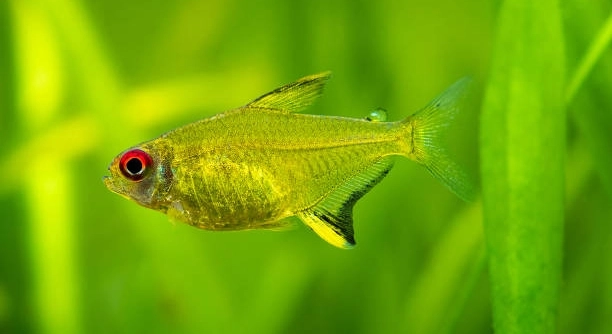
Do Lemon Tetra Mind Tank Mates That Are Bigger?
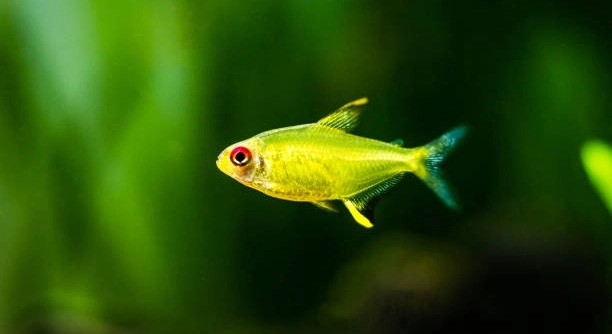
Do you ever wonder how lemon tetras behave around other fish in your aquarium? These small, bright fish are social, but their interactions with larger tank mates can sometimes be surprising. Observing them closely reveals interesting patterns. Lemon tetras generally tolerate larger tank mates if the environment is spacious and well-planted. Aggression is uncommon, but … Read more
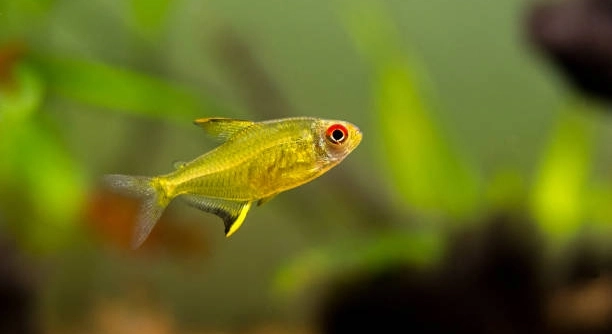
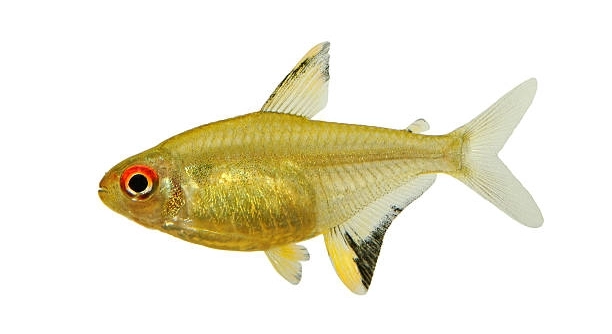
7 Tricks to Keep Lemon Tetra Engaged and Happy

Do your lemon tetras swim listlessly at the bottom of the tank, seeming uninterested in their surroundings? These tiny fish need stimulation to thrive, and keeping them engaged can make your aquarium a livelier and healthier space. Providing a stimulating environment for lemon tetras involves offering varied tank décor, live or artificial plants, appropriate companions, … Read more

7 Things Lemon Tetra Do That Signal Trouble

Lemon tetras are small, bright fish that bring life to any aquarium. Watching them swim is relaxing, but sometimes their behavior changes in ways that signal something is wrong in their environment. Lemon tetras exhibit specific behaviors when under stress or facing health issues. Common signs include erratic swimming, loss of appetite, hiding excessively, clamped … Read more

Do Lemon Tetra Enjoy Tank Companionship?

Do you ever find yourself admiring the lively colors of lemon tetras while wondering how they behave in a shared tank environment? These small, bright fish are known for their active swimming and social tendencies, making them interesting companions. Lemon tetras are naturally schooling fish and thrive in groups of at least six. They benefit … Read more

7 Signs Your Lemon Tetra Tank Is Too Noisy

Have you ever noticed your lemon tetra tank feeling unusually active or chaotic? Small fish like lemon tetras thrive in calm environments, but certain conditions can make their tank appear overly noisy. Observing their behavior is important for their well-being. Excessive noise in a lemon tetra tank is often caused by overcrowding, strong water currents, … Read more

7 Reasons Your Arowana Keeps Jumping

Have you ever wondered why your arowana keeps jumping around its tank and creating moments that leave you concerned while you try to understand what might be causing this energetic behavior inside your home aquarium Your arowana keeps jumping due to environmental stress, unstable water parameters, limited space, and innate reactions to perceived dangers. Correcting … Read more

Can Lemon Tetra Sense When You’re Watching?

Do you ever find yourself staring at your lemon tetra and noticing how it seems aware of your presence? These small, bright fish often capture attention with their shimmering yellow bodies and lively movements. Observing them can be surprisingly engaging. Lemon tetras do not possess the ability to sense when a person is watching them. … Read more

7 Tricks to Make Lemon Tetra Less Skittish

Are your lemon tetras darting around nervously, making it hard to enjoy their gentle beauty in your aquarium? This guide offers a calm starting point for learning how to help them feel comfortable and settled. Lemon tetras become skittish due to stress from lighting, tank placement, water parameters, or inadequate group size. Creating stable conditions, … Read more

Why Is My Arowana Avoiding the Filtered Side?

Is your arowana spending most of its time away from the filtered side of the tank? Observing this behavior can be concerning, especially when you want your fish to feel comfortable and healthy in its environment. Arowanas often avoid the filtered side due to strong water flow, sudden temperature changes, or stress from noise and … Read more

7 Simple Tricks to Keep Lemon Tetra Entertained

Many aquarium keepers often look for simple ways to keep their lemon tetra active and happy in their tanks, especially when daily routines feel a bit repetitive for these lively fish in their small world. Providing structured stimulation through varied enrichment is the most reliable method to keep lemon tetra entertained, because consistent environmental changes … Read more