
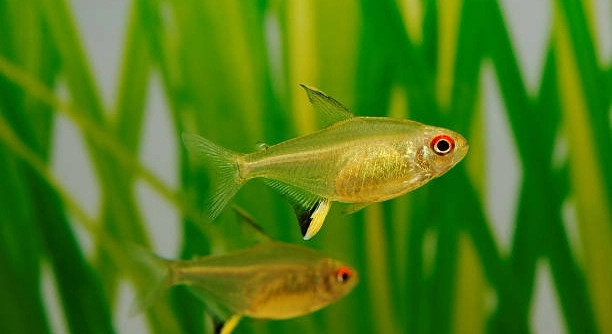
Are your lemon tetras darting around nervously, making it hard to enjoy their gentle beauty in your aquarium? This guide offers a calm starting point for learning how to help them feel comfortable and settled.
Lemon tetras become skittish due to stress from lighting, tank placement, water parameters, or inadequate group size. Creating stable conditions, providing shelter, maintaining proper water quality, and keeping them in a peaceful community reduces anxiety and encourages confident swimming behavior.
These gentle fish respond well to small adjustments that ease their stress, creating a calmer environment that supports comfortable movement.
Provide Consistent Lighting
Creating steady lighting in your aquarium helps lemon tetras feel calm, especially when they react to sudden brightness changes. I like using a gentle light schedule that stays the same every day because these fish respond well to predictable conditions. Soft, diffused lighting keeps them from darting around nervously, and it also prevents harsh reflections that can make them uneasy. When the light stays consistent, they adjust more easily and display smoother swimming patterns. It also helps reduce the startle response they show when the tank room shifts between bright and dark too quickly. Keeping the lighting soft and stable allows them to feel safer while exploring open areas. It supports their natural instincts and reduces the tension that builds when their environment feels unpredictable. A simple routine with steady brightness is often enough to help them relax and behave more confidently in their space throughout the entire lighting cycle.
Maintaining steady lighting reduces unnecessary stress and supports calmer behavior in lemon tetras. A regular schedule keeps their environment predictable, helping them settle into the tank without reacting to sudden changes that disturb their comfort. This simple habit promotes stability and encourages more relaxed swimming patterns in their daily routine.
Soft lighting works best when paired with other calming adjustments in the tank. I find that combining stable brightness with gentle background movement, like slow filtration, creates an inviting atmosphere for lemon tetras. They respond to these small details, especially when the light does not shift abruptly throughout the day. A predictable pattern helps shape their sense of safety and keeps them from interpreting shadows and reflections as threats. When everything feels steady, they behave more naturally and explore without hesitation. Thoughtful lighting choices make a meaningful difference in helping them feel secure while moving confidently through their environment daily.
Increase Group Size for Comfort
Keeping lemon tetras in an appropriate group size reduces their nervous behavior and strengthens their sense of safety. They rely on the presence of their companions to feel settled, and a proper school provides the reassurance they need to swim calmly without reacting to every movement around them each day.
Group size plays a major role in how confident lemon tetras feel in the aquarium. These fish are naturally social, and living in a small group can make them uneasy because they rely on collective movement and visual cues from their companions. When the group is larger, they spread their attention across the school, which reduces individual stress. I’ve noticed that when they have enough companions, their movements become smoother and more deliberate, and they begin exploring open spaces with a sense of ease. A larger group helps balance their reactions to minor disturbances, since they follow one another rather than panic alone. Keeping them in a well sized school also reduces the likelihood of sudden darting, which usually happens when they feel isolated. With more fish around them, they pick up consistent signals that their surroundings are safe. Stable social structure encourages predictable behavior, allowing them to adapt to changes more comfortably. This kind of support is essential in reducing skittish responses that come from feeling vulnerable in a sparsely populated tank. Providing a proper group size strengthens their natural instincts and allows them to thrive in a more relaxed and confident manner within their environment each passing day.
Add Dense Plant Cover
Dense plant cover gives lemon tetras a safe space to retreat when they feel uneasy, helping them settle more comfortably. I like choosing soft, leafy plants because they create gentle hiding spots that reduce sudden reactions and keep the fish from feeling exposed in open areas.
Adding layered plants builds a natural barrier that softens movement around the tank. Lemon tetras respond well to these sheltered zones, especially when the plants create shaded pockets that limit bright reflections. I find that combining tall stems with low, bushy growth forms a balanced layout that supports steady behavior. These areas give them space to pause without feeling isolated, and their swimming patterns become more relaxed as they navigate through the foliage. Plant cover also reduces visual disruptions from outside the tank, making it easier for the fish to feel settled. A thoughtful arrangement of plants encourages smoother movement and minimizes nervous darting.
The presence of plants also helps slow the flow of water in certain areas, which gives lemon tetras calmer spaces to rest. When the environment feels less turbulent, their reactions become more controlled, and they begin exploring with greater confidence. I’ve noticed that they gravitate toward the gentle shade created by broad leaves and often use it as a base point in the tank. This structure supports natural behaviors that soothe their instincts, allowing them to adapt comfortably to their surroundings. With stable plant cover, the environment feels balanced and predictable, promoting steady activity throughout the day without disrupting their sense of safety.
Reduce Sudden Movements Around the Tank
Limiting abrupt movement near the aquarium helps reduce the tension lemon tetras experience when they sense unexpected activity. These fish react quickly to changes around them, so keeping the surrounding area calm supports smoother behavior and allows them to swim without constant alertness.
Being mindful of how the space around the tank is used makes a noticeable difference in their comfort. I’ve found that placing the aquarium away from busy walkways keeps them from reacting to every passing shadow. When the environment stays steady, their confidence improves, and they behave more naturally. Even small adjustments, like slowing the pace of movements near the tank, help them maintain a relaxed rhythm. They begin to interpret their surroundings as safe, which reduces startle responses and makes their swimming patterns appear more intentional. Creating a controlled space around the aquarium supports their sense of stability and allows them to remain calm throughout the day.
Stabilize Water Parameters
Keeping the water parameters stable supports calmer behavior in lemon tetras, especially when they react strongly to sudden shifts. I focus on maintaining consistent temperature and clean water because these small details help prevent the stress that leads to nervous swimming and hesitant movement in the tank.
Regular monitoring keeps everything steady and predictable for them. I find that gentle filtration, paired with routine maintenance, prevents fluctuations that make the fish uneasy. When the environment stays balanced, they settle more easily and display smoother, more confident movement without reacting to every small change in the tank.
Use a Darker Background
A darker background reduces visual distractions that cause lemon tetras to dart around nervously. It softens reflections and shadows, allowing them to feel more settled. I like using deep blues or blacks because these shades create a calm atmosphere that supports steady behavior. With fewer sudden visual disturbances, they adjust more comfortably and begin exploring without hesitation. This simple change also helps highlight the plants and décor, which further shapes a stable environment. A darker backdrop makes the aquarium feel more enclosed and secure, giving lemon tetras the sense of protection they need to remain relaxed throughout the day.
Maintain a Peaceful Community
A peaceful tank community prevents unnecessary tension and helps lemon tetras stay calm. Choosing gentle tank mates keeps them from reacting to aggressive movement, allowing them to swim comfortably without feeling pressured or startled.
FAQ
Why do lemon tetras become so skittish even when the tank looks calm?
Lemon tetras are sensitive fish that react quickly to changes in their surroundings. I’ve noticed that even small adjustments like sudden movements, shifting lights, or noise near the tank can unsettle them. Their natural instinct is to stay alert, so anything unfamiliar makes them pull back or dart around. When their environment is stable, they respond more gently, but if the tank sits in a busy room or receives unpredictable lighting, they tense up easily. Offering a steady setup with soft lighting, predictable routines, and limited disruptions often helps them remain calmer. They behave more confidently when they understand what to expect in their habitat and do not face constant surprises.
How many lemon tetras should be kept together for them to feel comfortable?
These fish need the reassurance of a group to feel secure. I find that keeping at least six together helps them settle, but larger groups often bring out smoother swimming behavior. When their school is too small, they react to movements more sharply because they feel exposed. A well sized group encourages coordinated movement, which lowers stress and allows them to explore without hesitation. Their confidence grows as they observe consistent signals from their companions, and the group structure helps them interpret their environment more easily.
Do changes in water parameters make lemon tetras nervous?
Shifts in temperature, pH, or general cleanliness can make them uneasy. These fish depend on stable conditions because fluctuations feel threatening to them. I like checking the water regularly and doing gentle maintenance so the parameters remain consistent. Clean, balanced water supports predictable behavior, and the fish start moving with more ease. When the tank stays stable, they no longer react to minor discomforts and navigate their space with a sense of control.
Can tank mates affect how skittish lemon tetras behave?
Absolutely. Keeping them with calm companions makes a noticeable difference. Active or pushy fish create tension, and lemon tetras react strongly when they feel chased or crowded. I prefer choosing species with similar energy levels so the environment remains peaceful. A quiet community supports steady routines, which helps these small fish remain relaxed and move about more freely.
Is strong lighting something that causes lemon tetras to dart around nervously?
Bright or inconsistent lighting can startle them. I’ve learned that soft, steady light keeps them more comfortable because harsh brightness creates reflections and shadows that feel threatening. When the lighting schedule stays the same each day, their movements become smoother and more controlled. Stable lighting prevents the sudden contrast that triggers their instinct to flee.
How does plant cover help nervous lemon tetras feel safer?
Plants create shade, shelter, and soft boundaries that protect them from overstimulation. When the tank feels too open, they behave like they are constantly on alert. Dense plants give them protected spaces where they can settle, rest, and adjust at their own pace. Moving through these areas helps them build confidence, especially when they know they have safe places to retreat.
Why do external movements around the tank affect their behavior so much?
These fish respond to shadows, fast motion, and unexpected activity outside the tank. If the aquarium sits in a high traffic area, they struggle to stay calm because everything around them seems unpredictable. Choosing a quiet spot reduces overstimulation and helps them understand that the environment is steady. When the outside space feels peaceful, their body language softens, and they swim with more intention.
Does a darker background truly make a difference for skittish lemon tetras?
Yes. A darker backdrop reduces reflections and removes unexpected visual distractions that cause them to dart away. I like using deeper shades because they create a comfortable frame around the tank, giving the fish a sense of enclosure. This calming visual support helps them move with confidence and prevents the startled reactions that come from sudden flashes or shifting colors behind the aquarium.
FAQ
Why do lemon tetras become so skittish even when the tank looks calm?
Lemon tetras are sensitive fish that react quickly to changes in their surroundings. I’ve noticed that even small adjustments like sudden movements, shifting lights, or noise near the tank can unsettle them. Their natural instinct is to stay alert, so anything unfamiliar makes them pull back or dart around. When their environment is stable, they respond more gently, but if the tank sits in a busy room or receives unpredictable lighting, they tense up easily. Offering a steady setup with soft lighting, predictable routines, and limited disruptions often helps them remain calmer. They behave more confidently when they understand what to expect in their habitat and do not face constant surprises.
How many lemon tetras should be kept together for them to feel comfortable?
These fish need the reassurance of a group to feel secure. I find that keeping at least six together helps them settle, but larger groups often bring out smoother swimming behavior. When their school is too small, they react to movements more sharply because they feel exposed. A well sized group encourages coordinated movement, which lowers stress and allows them to explore without hesitation. Their confidence grows as they observe consistent signals from their companions, and the group structure helps them interpret their environment more easily.
Do changes in water parameters make lemon tetras nervous?
Shifts in temperature, pH, or general cleanliness can make them uneasy. These fish depend on stable conditions because fluctuations feel threatening to them. I like checking the water regularly and doing gentle maintenance so the parameters remain consistent. Clean, balanced water supports predictable behavior, and the fish start moving with more ease. When the tank stays stable, they no longer react to minor discomforts and navigate their space with a sense of control.
Can tank mates affect how skittish lemon tetras behave?
Absolutely. Keeping them with calm companions makes a noticeable difference. Active or pushy fish create tension, and lemon tetras react strongly when they feel chased or crowded. I prefer choosing species with similar energy levels so the environment remains peaceful. A quiet community supports steady routines, which helps these small fish remain relaxed and move about more freely.
Is strong lighting something that causes lemon tetras to dart around nervously?
Bright or inconsistent lighting can startle them. I’ve learned that soft, steady light keeps them more comfortable because harsh brightness creates reflections and shadows that feel threatening. When the lighting schedule stays the same each day, their movements become smoother and more controlled. Stable lighting prevents the sudden contrast that triggers their instinct to flee.
How does plant cover help nervous lemon tetras feel safer?
Plants create shade, shelter, and soft boundaries that protect them from overstimulation. When the tank feels too open, they behave like they are constantly on alert. Dense plants give them protected spaces where they can settle, rest, and adjust at their own pace. Moving through these areas helps them build confidence, especially when they know they have safe places to retreat.
Why do external movements around the tank affect their behavior so much?
These fish respond to shadows, fast motion, and unexpected activity outside the tank. If the aquarium sits in a high traffic area, they struggle to stay calm because everything around them seems unpredictable. Choosing a quiet spot reduces overstimulation and helps them understand that the environment is steady. When the outside space feels peaceful, their body language softens, and they swim with more intention.
Does a darker background truly make a difference for skittish lemon tetras?
Yes. A darker backdrop reduces reflections and removes unexpected visual distractions that cause them to dart away. I like using deeper shades because they create a comfortable frame around the tank, giving the fish a sense of enclosure. This calming visual support helps them move with confidence and prevents the startled reactions that come from sudden flashes or shifting colors behind the aquarium.

Hello,
If you enjoy the content that we create, please consider saying a "Thank You!" by leaving a tip.
Every little bit helps us continue crafting quality advice that supports the health, happiness, and well-being of pets around the world, for pets of all shapes, sizes, and species.
We really appreciate the kindness and support that you show us!