
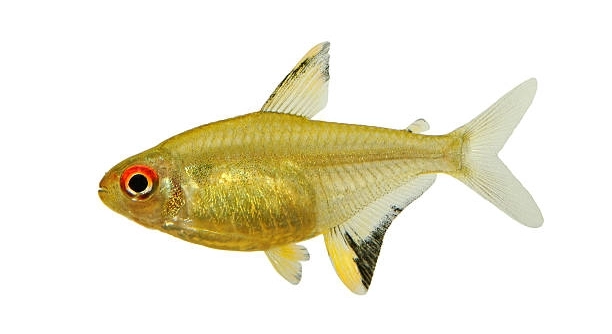
Lemon tetras are small, bright fish that bring life to any aquarium. Watching them swim is relaxing, but sometimes their behavior changes in ways that signal something is wrong in their environment.
Lemon tetras exhibit specific behaviors when under stress or facing health issues. Common signs include erratic swimming, loss of appetite, hiding excessively, clamped fins, faded coloration, rapid gill movement, and sudden aggression, all indicating potential trouble needing prompt attention.
Noticing these warning signs early can make a big difference in keeping your lemon tetras healthy and thriving in their tank environment.
Erratic Swimming
Sometimes my lemon tetras start swimming in sudden bursts or darting around the tank. This behavior can seem playful at first, but it often signals stress or discomfort. Stress can result from poor water quality, sudden changes in temperature, or overcrowding. Watching them closely helps you spot the difference between normal energy and stress-induced activity. Erratic swimming can also indicate internal parasites or illness. Observing their patterns for several hours is often enough to notice if the behavior is consistent. If multiple fish act this way, it usually points to a tank-wide issue rather than an individual problem. Adjusting water conditions gradually, ensuring proper filtration, and maintaining consistent temperature can reduce this behavior. Feeding smaller portions and monitoring their response helps too. Early detection is key because prolonged stress weakens their immune system, making them more prone to disease. Keeping a regular schedule for water changes and monitoring chemical levels is essential.
Erratic swimming in lemon tetras is often linked to stress, illness, or environmental imbalance. Immediate observation and proper adjustments can prevent long-term health issues.
Noticing this early helps maintain a calm, healthy tank and ensures your fish stay active without constant stress.
Hiding Excessively
Hiding is a natural behavior for lemon tetras, but extreme hiding signals trouble. They may spend hours behind decorations or at the tank’s bottom.
Excessive hiding often occurs due to sudden changes in the tank, aggressive tankmates, or poor water quality. If hiding persists, check water parameters and observe interactions. Adding more plants or hiding spots can help reduce stress, but if the behavior continues, a deeper health issue may exist. Stress can also arise from inconsistent feeding schedules or sudden light changes. Monitoring each tetra’s behavior individually provides insight into whether the problem is environmental or medical. Sometimes, a fish might hide more when acclimating to a new tank, which is normal, but prolonged hiding is not. Addressing potential water contaminants, ensuring a balanced diet, and maintaining proper tank temperature can encourage normal activity. Regular observation of interactions with other fish helps identify bullying or aggression as a cause.
Recognizing excessive hiding early allows intervention to restore balance and prevent illness.
Loss of Appetite
Loss of appetite can happen suddenly and is a strong indicator of stress or illness in lemon tetras. Not eating as usual may mean water quality is off or a disease is starting.
When my tetras stop eating, I immediately check the tank’s water parameters. Poor water conditions, such as high ammonia or nitrite levels, often cause this behavior. Illnesses like bacterial or parasitic infections also reduce appetite. Sometimes, the problem comes from overfeeding or providing food they don’t like. Observing each fish helps identify whether the issue is isolated or affecting the whole group. Adjusting water quality, offering varied and fresh food, and removing uneaten leftovers usually encourages them to eat again.
Prolonged appetite loss can weaken their immune system and lead to serious health problems. Addressing environmental and dietary factors quickly often restores their normal eating habits.
Faded Color
A faded or dull color is a warning sign that something is wrong with your lemon tetras. Healthy tetras are bright and vibrant.
Color loss often reflects stress, illness, or poor nutrition. My tetras’ colors faded when water conditions fluctuated or when tankmates were aggressive. Stress reduces their natural pigmentation, making them appear washed out. Nutritional deficiencies, especially lack of vitamins and carotenoids, also impact color. Some infections, like fungal or bacterial, can make them appear pale and lethargic. Maintaining stable water temperature, regular water changes, and a balanced diet helps bring back vibrancy. Adding high-quality foods with natural color enhancers supports their health.
Watching for changes in color helps identify problems early. Prompt action ensures your tetras remain visually healthy and active, preventing further complications.
Clamped Fins
Clamped fins occur when lemon tetras hold their fins close to their bodies instead of spreading them naturally. This is often a response to stress, poor water quality, or illness.
When I notice clamped fins, I check the tank immediately. Temperature swings, high ammonia, or aggressive tankmates can trigger this behavior. Prolonged clamping may indicate bacterial or parasitic infection, requiring treatment. Regular water testing, proper filtration, and observing interactions help prevent stress that causes clamping.
Rapid Gill Movement
Rapid gill movement in lemon tetras signals difficulty breathing. This can be caused by low oxygen levels, poor water quality, or parasites affecting the gills.
Monitoring tank conditions and improving aeration often helps. I’ve found that adding an air stone or improving water circulation reduces rapid gill movement. Removing uneaten food and performing consistent water changes also keeps oxygen levels stable.
Sudden Aggression
Sudden aggression is uncommon but can appear when lemon tetras are stressed or unwell. They may nip fins or chase tankmates unexpectedly, signaling imbalance in the tank or discomfort.
Isolation
Isolation occurs when a tetra separates from the school and stays in one corner. This often reflects illness, stress, or feeling unsafe.
FAQ
Why are my lemon tetras swimming erratically?
Erratic swimming is usually a sign of stress or illness. I’ve noticed it when water parameters were off or when the tank got overcrowded. Rapid, darting movements can indicate ammonia spikes, parasites, or sudden temperature changes. Checking water quality, adjusting temperature gradually, and observing all tankmates helps determine the cause.
What does it mean when lemon tetras hide constantly?
Excessive hiding signals stress, fear, or poor water conditions. My tetras hide behind decorations or at the tank’s bottom when they feel unsafe. Aggressive tankmates, sudden environmental changes, or disease often trigger this. Providing extra plants and hiding spots can help, but persistent hiding may require checking health and water parameters carefully.
How can I tell if my lemon tetras are losing color?
Color fading usually points to stress, illness, or poor diet. I noticed my tetras’ bright yellow dulling when water quality fluctuated. Stress from tankmates or environment, as well as vitamin or carotenoid deficiencies, affect pigmentation. Maintaining stable water conditions, a balanced diet, and reducing stressors restores natural color over time.
Why are my lemon tetras not eating?
Loss of appetite can result from illness, water issues, or stress. When my tetras refused food, I tested the water and checked for parasites. Overfeeding or stale food can also cause this. Offering small portions of fresh, high-quality food, and keeping consistent feeding schedules usually encourages them to eat again.
What causes clamped fins in lemon tetras?
Clamped fins are a clear stress signal. I’ve seen it when water temperature swings or tankmates became aggressive. Illnesses like bacterial infections can also lead to clamping. Ensuring stable conditions, clean water, and monitoring fish interactions helps prevent and correct this behavior.
Why are my lemon tetras breathing rapidly?
Rapid gill movement is often linked to low oxygen or water quality issues. I added an air stone and improved circulation, which helped my fish breathe more normally. Parasites or gill infections can also cause heavy breathing. Regular water changes and removing uneaten food maintain proper oxygen levels.
What makes lemon tetras aggressive suddenly?
Aggression usually appears when fish are stressed or unwell. My tetras sometimes chased tankmates when the tank was overcrowded or when water conditions were unstable. Ensuring enough space, hiding spots, and monitoring tank dynamics reduces aggressive behavior. Illness can also make a fish more irritable temporarily.
Why does a tetra isolate from the school?
Isolation is often an early sign of illness or stress. I noticed a fish staying alone before showing other symptoms. Environmental factors, bullying, or infection can cause isolation. Observing behavior, checking water, and separating sick fish when needed helps prevent further problems and protects the rest of the school.
How can I prevent these issues in lemon tetras?
Maintaining stable water conditions, a proper diet, and a safe environment is essential. I regularly test water, perform consistent changes, and ensure the tank has enough space and hiding spots. Observing behavior daily helps detect problems early, allowing quick action to keep my tetras healthy.
When should I treat my lemon tetras for illness?
Treatment is necessary when abnormal behavior persists despite correcting water and environmental conditions. Signs like prolonged hiding, loss of appetite, clamped fins, or faded color often require medical attention. Early intervention improves recovery chances and prevents diseases from spreading in the tank.
Lemon tetras are small but sensitive fish, and keeping them healthy requires attention to their behavior and environment. Observing your tetras closely allows you to notice early signs of stress or illness. Behaviors like erratic swimming, hiding excessively, clamped fins, faded color, or loss of appetite are not random—they often indicate problems in the tank or health issues that need addressing. I’ve learned that even minor changes in water quality or tank conditions can make a big difference in their well-being. By maintaining a stable and clean environment, you create a space where your fish feel safe and can display their natural, vibrant behaviors. Regular monitoring, including checking water parameters, feeding quality food, and watching interactions between fish, helps prevent many of the issues that cause trouble.
Proper care also involves understanding each fish’s needs and personality. Lemon tetras are social creatures that thrive in groups, and isolation or sudden aggression usually signals discomfort. I’ve noticed that adding plants, hiding spots, and maintaining an appropriate number of fish reduces stress and encourages healthier behavior. Paying attention to their diet is equally important. High-quality foods with the right balance of nutrients keep their colors bright and support overall health. Avoiding overfeeding and removing uneaten food prevents water contamination, which can lead to many of the behaviors associated with stress and illness. Small, consistent actions often prevent bigger problems later, saving both the fish and the caretaker unnecessary worry.
Finally, patience and consistency are key to maintaining a healthy lemon tetra tank. Quick fixes rarely solve long-term issues, and changes should be gradual to avoid further stress. I’ve found that taking the time to observe patterns, adjusting conditions slowly, and responding to warning signs early is the most effective approach. Even small changes in water temperature, lighting, or tankmates can impact behavior, so careful monitoring is essential. By being proactive and attentive, you can prevent most common problems and help your lemon tetras live a long, vibrant life. Understanding their needs, providing a stable environment, and acting promptly when signs of trouble appear ensures that your tank remains a calm, healthy space where your fish can thrive naturally.

Hello,
If you enjoy the content that we create, please consider saying a "Thank You!" by leaving a tip.
Every little bit helps us continue crafting quality advice that supports the health, happiness, and well-being of pets around the world, for pets of all shapes, sizes, and species.
We really appreciate the kindness and support that you show us!