
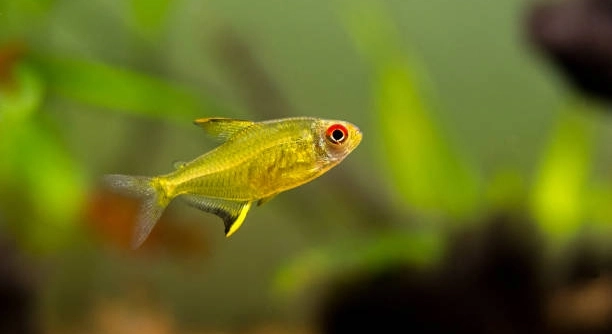
Do your lemon tetras swim listlessly at the bottom of the tank, seeming uninterested in their surroundings? These tiny fish need stimulation to thrive, and keeping them engaged can make your aquarium a livelier and healthier space.
Providing a stimulating environment for lemon tetras involves offering varied tank décor, live or artificial plants, appropriate companions, and regular feeding routines. Environmental enrichment and interaction help maintain their natural behaviors and promote overall well-being.
By following simple strategies, you can create a vibrant tank that supports your lemon tetras’ health and keeps them active and happy every day.
Create a Comfortable Tank Environment
Lemon tetras feel safest in a tank that mimics their natural habitat. A 20-gallon or larger tank with plenty of swimming space is ideal. Adding live plants such as Java moss or Anubias offers hiding spots, reduces stress, and encourages natural behaviors. Gentle water flow and consistent temperature between 72–78°F keep them comfortable. Substrate should be smooth, like fine gravel or sand, to avoid injury. Lighting should be moderate to replicate their natural environment without causing stress. Regular water changes of 25–30% weekly maintain water quality and prevent harmful buildup. Keeping the tank clean is essential, as poor water conditions can reduce activity and interest in the surroundings. Using a stable heater and filter system supports overall health. Monitoring pH between 6.5–7.5 ensures their tank remains within safe conditions. Providing a calm and secure environment sets the foundation for healthy, engaged lemon tetras in any home aquarium.
A safe, well-planted tank encourages exploration and activity, which directly impacts their happiness and longevity. Proper setup reduces stress and keeps them naturally curious.
Maintaining water quality is crucial for lemon tetras. Sudden changes in temperature, pH, or ammonia levels can trigger lethargy or illness. Regularly testing water, using a reliable filter, and performing partial water changes help prevent these issues. Decorations should provide hiding spots but not overcrowd the tank, allowing fish to swim freely. Observing their behavior daily ensures they are active and healthy. Avoid overcrowding; lemon tetras thrive in groups of six or more. Keeping a consistent feeding schedule with a variety of foods also encourages engagement. Combining environmental care with proper diet ensures your tetras remain vibrant and responsive, enhancing the overall aquarium experience.
Offer Interactive Feeding Options
Interactive feeding stimulates activity and curiosity in lemon tetras. Introducing small live foods like daphnia or brine shrimp encourages natural hunting behavior. Floating flakes or sinking pellets provide variety and help maintain interest during mealtime.
Regularly changing feeding methods keeps lemon tetras alert and engaged, supporting both mental and physical health in their tank environment.
Using feeding rings, placing food in different areas of the tank, and occasionally hand-feeding can increase interaction. Rotating food types prevents boredom and ensures balanced nutrition. Observing which foods attract more attention helps tailor feeding to their preferences. Avoid overfeeding, as excess can pollute the water and harm fish health. Incorporating occasional treats alongside staple diets mimics natural variability in their diet. By making feeding interactive, tetras develop more active behaviors, remain alert, and show their natural schooling patterns. Consistent engagement through feeding supports their overall well-being while making aquarium care more rewarding for the owner.
Encourage Schooling Behavior
Lemon tetras feel secure and active in groups of six or more. Keeping them in a proper school reduces stress and promotes natural swimming patterns throughout the tank.
Schooling encourages movement and interaction, which keeps the fish mentally stimulated. In small groups, they may become shy or hide, reducing activity. Observing their coordinated swimming shows they are comfortable and engaged. Providing enough space allows the school to form natural formations, maintaining social structure. Grouping tetras with compatible species enhances interaction without causing aggression. Adjusting tank layout to allow open swimming paths helps the school maintain cohesion. Proper schooling supports both physical and mental health, contributing to a lively aquarium environment.
Adding varied plants and open areas complements schooling behavior. The tetras can dart, weave, and explore, which keeps them active. Structured schooling patterns indicate content and healthy fish.
Introduce Tank Enrichment
Rotating decorations and adding hiding spots gives lemon tetras new areas to explore. Rearranging plants and ornaments stimulates curiosity and reduces monotony in the tank.
Enrichment keeps the fish physically active and mentally alert. Simple changes like adding a small cave, driftwood, or floating plants allow tetras to investigate and interact with their environment. This variety mimics natural conditions, encouraging natural behaviors like darting, hovering, and weaving through foliage. Overcrowding the tank or leaving it static can result in boredom and reduced activity. Observing how tetras respond to new elements helps identify their preferences and adjust the layout accordingly. Regularly changing tank enrichment ensures they remain stimulated and engaged over time.
Even minor additions like a new plant cluster or textured ornament can spark exploration. The tetras respond positively to subtle changes, keeping movement dynamic. Rotating enrichment elements prevents habituation and maintains interest, ensuring the aquarium stays lively. Adding natural textures like driftwood or stones encourages interaction and mimics their native habitat. This approach balances open swimming areas with hiding spots, promoting a healthier environment. Incorporating enrichment alongside proper schooling, feeding, and water conditions creates a stimulating space that supports both the physical and mental well-being of lemon tetras consistently.
Maintain Consistent Water Conditions
Stable water conditions are essential for lemon tetras’ health. Sudden changes in temperature or pH can stress them and reduce activity.
Regular monitoring of water parameters, including ammonia, nitrite, and nitrate levels, ensures a safe environment. Consistency promotes active, engaged fish and prevents health problems over time.
Provide Varied Diet
A mix of high-quality flakes, frozen foods, and occasional live options keeps lemon tetras interested in feeding. Variety ensures balanced nutrition and stimulates natural hunting behaviors.
Rotating food types prevents boredom and encourages active feeding. Feeding small portions multiple times a day mimics natural eating patterns, supporting vitality and overall engagement.
Use Gentle Lighting
Moderate lighting enhances activity without causing stress. Lemon tetras prefer soft light that highlights their colors and natural behaviors.
Monitor Health Regularly
Observing tetras for signs of illness or lethargy ensures problems are caught early. Healthy fish remain active and interactive in the tank.
FAQ
How many lemon tetras should I keep together?
Lemon tetras are schooling fish and feel most comfortable in groups. Keeping at least six ensures they display natural behaviors, reduces stress, and keeps them active. Smaller groups can lead to shyness and decreased movement, making the tank feel less lively.
What is the ideal tank size for lemon tetras?
A minimum of 20 gallons is recommended for a small school. Larger tanks allow more swimming space, proper schooling formations, and better water stability. Adding plants and open areas ensures they can explore while maintaining social structures.
What type of water conditions do they need?
Lemon tetras thrive in stable water with a temperature of 72–78°F, pH between 6.5–7.5, and low ammonia and nitrite levels. Regular testing and partial water changes maintain quality. Sudden shifts can stress fish and reduce activity.
Which foods are best for lemon tetras?
They require a varied diet of high-quality flakes, frozen foods, and occasional live options like daphnia or brine shrimp. Rotating food types prevents boredom and stimulates natural foraging behaviors. Small, frequent feedings mimic their natural eating habits.
Can lemon tetras live with other fish?
Yes, but they do best with peaceful species of similar size. Avoid aggressive or much larger fish, as this can cause stress and hiding behavior. Compatible tank mates encourage interaction without disrupting their natural schooling.
How often should I clean the tank?
Performing 25–30% water changes weekly keeps water safe and stable. Remove uneaten food and debris to prevent spikes in ammonia and nitrites. A clean tank supports active and healthy tetras while maintaining overall aquarium health.
Do lemon tetras need plants or decorations?
Yes, plants, driftwood, and ornaments provide hiding spots and exploration areas. This enrichment reduces stress and keeps fish engaged. Rearranging elements occasionally prevents boredom and promotes natural behaviors like weaving and darting through plants.
How can I tell if my tetras are healthy?
Active swimming, bright colors, and regular schooling are signs of health. Lethargy, clamped fins, or loss of appetite can indicate stress or illness. Observing behavior daily helps catch issues early and maintain a lively tank environment.
What is the best lighting for lemon tetras?
Moderate lighting works best. Soft light highlights their colors and encourages natural activity without causing stress. Avoid intense or flickering lights, which can make fish hide or become less active.
How do I prevent my lemon tetras from becoming bored?
Provide varied food, rearrange tank decorations, and maintain proper schooling conditions. Enrichment and interaction with the environment keep them mentally stimulated and active. Regular observation ensures they remain engaged and responsive in the aquarium.
Can lemon tetras breed in a home tank?
Yes, they can, under proper conditions. A separate breeding tank with soft, slightly acidic water and fine-leaved plants encourages egg-laying. Adults may eat eggs, so removing eggs or adults from the breeding area helps ensure fry survival.
How long do lemon tetras live?
With proper care, lemon tetras live 3–5 years. Maintaining stable water conditions, a varied diet, and a stimulating environment supports longevity and keeps them active throughout their life.
Is it necessary to use a heater in the tank?
Yes, a stable temperature between 72–78°F is important. Fluctuations can stress the fish and reduce activity. Using a reliable heater and monitoring temperature regularly helps maintain a consistent environment.
Do lemon tetras need a filter?
A gentle filter is essential to maintain clean water without creating strong currents. Proper filtration keeps ammonia and nitrite levels low, reduces maintenance, and supports active schooling behavior.
How do I reduce stress for lemon tetras?
Provide stable water conditions, proper tank mates, hiding spots, and a consistent feeding schedule. Avoid sudden changes in lighting, temperature, or tank layout. Minimizing stress keeps them active, colorful, and engaged in their environment.
What is the best substrate for lemon tetras?
Fine gravel or sand works well, as it is gentle on their fins and allows natural swimming behaviors. Avoid sharp or rough substrates that can cause injury or stress.
Can lemon tetras tolerate cooler water?
They prefer tropical temperatures. Cooler water can slow metabolism, reduce activity, and increase susceptibility to illness. Maintaining a stable temperature with a heater ensures healthy, active fish.
How often should I feed my tetras?
Small feedings two to three times daily keep them active and mimic natural habits. Avoid overfeeding, as uneaten food can pollute the water and harm water quality.
Do lemon tetras interact with humans?
While they are not directly interactive, they recognize movement and respond to feeding routines. Regular observation and consistent care can make them appear more active and engaged around their tank environment.
Can tank size affect their behavior?
Yes, small or overcrowded tanks can stress tetras, reduce swimming space, and limit schooling behavior. Proper tank size and layout support natural movement, engagement, and overall health.
What plants are best for their tank?
Java moss, Anubias, and floating plants work well. They provide hiding spots, exploration areas, and help maintain water quality while encouraging natural behaviors and schooling patterns.
Do lemon tetras need a dark period at night?
Yes, a consistent light-dark cycle of 10–12 hours of light and 12–14 hours of darkness supports natural rhythms. Proper cycles reduce stress and promote healthy behavior.
How do I know if they are bored or stressed?
Signs include hiding, clamped fins, loss of appetite, or reduced activity. Adjusting tank layout, adding enrichment, or checking water conditions helps restore engagement.
Can I use artificial plants instead of live ones?
Yes, artificial plants work if smooth and safe, but live plants offer additional benefits like oxygenation and water quality improvement. Combining both provides stimulation and shelter for tetras.
Is it necessary to quarantine new fish?
Yes, quarantining new fish for 2–3 weeks prevents the spread of disease and ensures a safe environment for existing tetras. This step protects the overall health of the aquarium.
How can I encourage natural behavior?
Providing varied diet, proper schooling conditions, hiding spots, and subtle changes in tank layout stimulates exploration, hunting, and swimming patterns. Observing and adjusting care promotes a more active, content group of lemon tetras.
Can lemon tetras adapt to different tank sizes?
They adapt best to tanks that offer sufficient swimming space and proper schooling conditions. Smaller tanks can restrict movement and reduce natural behaviors, while larger tanks enhance activity and engagement.
Do they need any special supplements?
A varied diet with occasional live or frozen foods provides adequate nutrition. Supplements are generally unnecessary if the diet is balanced and water quality is maintained.
How long should I observe new behavior changes?
Watch fish for at least a week after any changes, such as new decorations, feeding routines, or tank mates. Consistent observation helps determine whether adjustments improve engagement and health.
What are common mistakes in caring for lemon tetras?
Overcrowding, sudden water changes, poor diet, insufficient enrichment, and incompatible tank mates are common issues. Addressing these factors maintains active, healthy, and happy fish in a balanced aquarium environment.
Lemon tetras are small, vibrant fish that thrive in well-maintained and thoughtfully arranged aquariums. Their activity and engagement depend largely on the environment and care provided. Stable water conditions, including temperature, pH, and cleanliness, are fundamental to their health. Regular water changes, gentle filtration, and careful monitoring prevent stress and support active behavior. Tank size also plays an important role. A tank that is too small can restrict movement and reduce natural schooling patterns. Providing a minimum of 20 gallons for a small group of tetras ensures they have enough space to swim freely and interact naturally. Open swimming areas combined with planted or decorated sections give them both freedom and security, which encourages exploration and curiosity.
Diet is another key factor in keeping lemon tetras happy and engaged. Feeding a variety of high-quality flakes, frozen foods, and occasional live options stimulates natural foraging behavior. Rotating food types prevents boredom and ensures they receive balanced nutrition. Feeding small portions multiple times a day helps mimic their natural eating patterns and supports their energy levels. Avoiding overfeeding is equally important, as uneaten food can deteriorate water quality and lead to health issues. Observing which foods generate the most activity can help identify preferences, making feeding more effective and enjoyable for the fish. Adding interactive feeding methods, such as scattering food in different areas or using feeding rings, also contributes to mental stimulation and keeps the tetras moving throughout the tank.
Beyond water quality and diet, environmental enrichment is essential for a lively and stimulating aquarium. Lemon tetras benefit from varied tank decorations, hiding spots, and plants that allow them to explore, hide, and interact with their surroundings. Rearranging decorations periodically encourages exploration and reduces monotony, helping maintain mental engagement. Schooling behavior should be supported through group management, with at least six individuals kept together to promote natural coordination and reduce stress. Proper lighting that is moderate and consistent highlights their colors without causing stress. Regular observation ensures any signs of stress or illness are caught early, allowing timely adjustments. By focusing on these aspects—environment, diet, enrichment, and social structure—lemon tetras remain active, healthy, and visually engaging, contributing to a vibrant and balanced aquarium.

Hello,
If you enjoy the content that we create, please consider saying a "Thank You!" by leaving a tip.
Every little bit helps us continue crafting quality advice that supports the health, happiness, and well-being of pets around the world, for pets of all shapes, sizes, and species.
We really appreciate the kindness and support that you show us!