
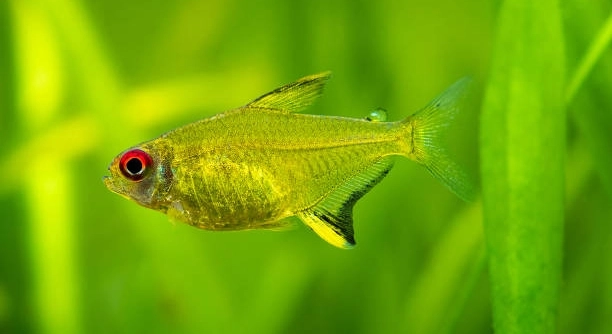
Many aquarium keepers often look for simple ways to keep their lemon tetra active and happy in their tanks, especially when daily routines feel a bit repetitive for these lively fish in their small world.
Providing structured stimulation through varied enrichment is the most reliable method to keep lemon tetra entertained, because consistent environmental changes support natural behaviors, reduce stress, and promote active exploration that maintains physical condition and well-being within a managed aquarium environment properly.
As you explore simple enrichment ideas, you will discover how small adjustments create comfort and liveliness for your lemon tetra.
Adding Plants for Natural Stimulation
Creating a lively space for lemon tetra starts with adding a variety of plants that offer hiding spots and gentle movement. I like how these soft structures let the fish weave through leaves and explore new corners without feeling overwhelmed. Using both rooted and floating plants helps create layers that break lines of sight and keep the fish active throughout the day. When the plants sway with the filter flow, they form small shifting areas that encourage natural behaviors and reduce boredom. This kind of setup also gives the tank a calmer look, which can make caring for the fish feel a bit easier. Choosing hardy plants that grow steadily helps maintain a stable layout that still changes slowly over time. As the plants spread, the fish adjust to fresh paths that appear on their own. This simple method adds comfort while supporting healthy activity in a gentle way.
Regular trimming keeps plants from crowding the tank and helps maintain open paths the fish can move through easily. This small bit of upkeep keeps the layout balanced and gives the fish enough room to stay active without feeling pressured by thick growth that sometimes develops in planted tanks naturally.
Floating plants offer shade that makes lemon tetra feel more secure, especially when they prefer softer light. I’ve seen how a gentle covering at the top helps them explore the middle sections of the tank with steady confidence. These plants also soften overhead glare, which keeps the fish calm during feeding and daily activity. When combined with rooted plants below, the tank gains a balanced structure that encourages movement in every direction. Over time, the shifting growth patterns create slow changes that keep the fish curious while avoiding sudden disruptions. This approach keeps the environment steady and pleasant for care.
Using Light Patterns for Gentle Activity
Soft adjustments in lighting can guide lemon tetra into calm motion without causing stress. Short dim periods encourage smoother swimming and make the tank feel more natural. These light shifts work well when paired with steady routines that keep the fish comfortable throughout their daily activity patterns each day consistently.
Adjusting the lighting cycle in a simple way helps create a soothing environment that keeps lemon tetra active in a balanced manner. I like using gradual changes rather than sudden shifts, because gentle transitions support steadier movement and reduce the chance of stress-related behaviors. Soft morning light encourages slow swimming, then brighter light supports their active periods. Allowing the light to dim later in the day helps them settle without feeling startled. This approach mirrors natural patterns the fish respond to well in a home aquarium and keeps the tank pleasant to observe. Timers help maintain consistency when daily tasks become busy, giving the fish predictable cues they can rely on. When light levels shift gradually, the fish explore calmly instead of reacting with quick movements. Over time, this steady rhythm builds a peaceful atmosphere that supports healthy behavior, steady feeding, and gentle activity. Even small adjustments can improve how the fish interact with their surroundings, making the aquarium engaging without overwhelming them.
Creating Gentle Current Changes
Small adjustments in water flow help lemon tetra stay active in a natural way. I like using low settings that shift slowly, because steady movement keeps them curious without causing stress or pushing them around more than necessary.
Different flow patterns encourage calm exploration through various parts of the tank. When the current changes position slightly, the fish follow the movement with soft swimming that feels comfortable for them. I’ve found that alternating between wide and narrow flow outputs helps keep their attention. This method also prevents debris from settling too heavily in certain areas. Slow circulation supports healthy oxygen levels and maintains a clean look while keeping the environment pleasant. These small changes work well when applied gradually and kept consistent with regular tank maintenance.
Using gentle flow from different angles gives the fish fresh spaces to explore without overwhelming them. A soft current near plants creates subtle motion that encourages the fish to weave around leaves. A calmer zone on the opposite side helps them rest when they want a break. Balancing these areas makes the tank feel active but still comfortable. Adjustments should be small and predictable to help the fish adapt easily over time.
Offering Small Toys and Safe Objects
Simple objects like smooth stones or small decorations create fresh points of interest for lemon tetra. I like placing them in easy spots, because the fish notice new shapes right away and start swimming around them with steady curiosity.
These objects help create subtle changes that stimulate movement. When placed thoughtfully, they form small paths that encourage the fish to circle, pause, and explore without feeling crowded. I avoid overly bright or complex pieces, choosing calm shapes that blend with the rest of the layout. Safe, tank-friendly materials keep the environment stable and maintain good water quality. Rotating objects every so often keeps things interesting without causing sudden changes that might unsettle the fish. Over time, these small additions help support consistent activity and give the tank a fresh look that stays gentle and easy to manage.
Rearranging Decor for Fresh Exploration
Small changes in decor placement help lemon tetra stay alert and active. I like shifting items gently, because even tiny adjustments create new paths the fish notice right away. These simple changes keep the tank interesting without causing stress.
Moving items in small steps maintains a familiar layout while still offering something new. This balance keeps the fish comfortable and encourages steady exploration. It also helps prevent the tank from feeling too static, which can reduce natural activity over time.
Providing Occasional Live Food Treats
Offering live food in moderation encourages natural hunting behavior that keeps lemon tetra engaged. I like using options that move slowly, because they give the fish time to approach calmly. This kind of feeding supports healthy activity, good appetite, and a bit more excitement in their day.
Allowing Calm Observation Time
Sitting quietly near the tank lets lemon tetra adjust to gentle movement outside their habitat. I’ve noticed this helps them stay relaxed while still paying attention, which supports steady comfort and smooth behavior.
FAQ
How often should I change the enrichment in a lemon tetra tank?
Changing enrichment slowly helps lemon tetra stay engaged without feeling unsettled. I like adjusting one small thing every week or two, because this keeps the environment interesting while still familiar. When changes happen at a comfortable pace, the fish explore calmly and settle into the new layout without showing signs of stress. Slow rotation of plants, stones, or small objects prevents the tank from feeling too repetitive. This approach maintains steady activity and helps the fish feel secure while still offering something fresh to notice during their daily swimming patterns.
Are lemon tetra sensitive to sudden changes in their environment?
Lemon tetra respond best when changes are gentle and predictable. Sudden shifts in lighting, flow, or decor can make them swim faster than usual or hide more often. I find that gradual adjustments allow their behavior to stay balanced. For example, dimming lights slowly helps them adapt without quick flicks that might startle them. When water flow is changed in small increments, the fish handle it well and continue exploring without hesitation. This careful approach keeps their stress levels low and supports stable health. Consistency in daily routines also plays an important role in their comfort.
Do lemon tetra prefer bright or soft lighting?
Lemon tetra feel more comfortable under soft or moderate lighting, because harsh brightness can make them swim erratically or seek constant shelter. I like using lighting that increases and decreases in a gradual way, which helps them move smoothly around the tank. Soft light encourages them to explore the middle area with steady confidence. Floating plants can also help by creating shaded sections that feel safe and calm. When the lighting is gentle, the fish display their colors more naturally and swim in a more relaxed pattern. Balanced light levels support their overall comfort.
What types of decorations are safest for lemon tetra tanks?
Safe decorations are smooth, sturdy, and free of sharp edges. I prefer using natural-looking items like rounded stones, plain driftwood, and simple structures that do not crumble or leak dye into the water. These pieces blend smoothly with plants and give the fish calm spaces to move around. Materials should be aquarium-safe and easy to clean during regular maintenance. Avoid items with small gaps the fish can get stuck in. Simple decorations help the environment feel open and comfortable, creating gentle exploration zones without overwhelming the fish.
Is live food necessary for keeping lemon tetra entertained?
Live food is helpful but not required every week. I like offering it occasionally, because the movement encourages the fish to show natural hunting behavior. This type of feeding adds interest to their day and supports healthy activity levels. Options like baby brine shrimp or small daphnia are easy for them to chase without stressing them. Too much live food can affect water quality, so moderation is important. When used sparingly, these treats bring a small burst of excitement that complements the other enrichment in the tank.
Do lemon tetra enjoy swimming in groups?
Lemon tetra feel most secure when kept in groups, because they rely on the presence of others to feel safe. A larger group encourages smoother movement and reduces nervous behavior. I like keeping them in groups of at least six, since this helps them swim together with comfortable coordination. When they move in a group, the tank feels more active and natural. Group behavior also improves their confidence, making enrichment activities more effective.
Can rearranging the tank too often cause stress?
Rearranging decor too frequently can make lemon tetra uneasy. I prefer making small adjustments spaced out over time, because this gives them room to adapt before the next change. When the layout shifts too often, the fish may struggle to settle into comfortable routines. Gentle changes keep them curious without overwhelming them.
Final Thoughts
Caring for lemon tetra becomes easier when you focus on small, steady improvements that support their natural behavior. These fish respond well to gentle changes, predictable routines, and environments that offer comfort without overwhelming stimulation. I’ve noticed that even the simplest adjustments can help them stay active and calm, especially when those changes are made with care. Keeping their tank balanced, clean, and thoughtfully arranged helps them settle into a steady rhythm that feels peaceful to watch. When the environment remains stable, their colors look brighter, their swimming becomes smoother, and their daily behavior feels more relaxed. This kind of setup does not require complicated tools or constant upgrades, just simple habits that keep everything in good shape. Over time, these small actions build a space where the fish can thrive without stress or confusion.
It also helps to think about the tank from the perspective of the fish. Lemon tetra are small, gentle swimmers that rely on a sense of security to feel comfortable. They explore best when the environment feels predictable, which is why slow transitions and soft adjustments matter. Harsh lighting, sudden currents, or loud interruptions can make them hide or rush around the tank in ways that show discomfort. When you choose calm lighting or introduce new items gradually, it supports their confidence in a steady way. I’ve found that using plants, simple decor, and safe objects makes their movement more natural and helps them interact with the tank at their own pace. They do not need dramatic changes to stay entertained, just a space that shifts gently over time. This approach creates a healthy environment that encourages them to show their best behavior throughout the day.
Engagement does not always come from big additions but from using what you already have in purposeful ways. Rearranging items slightly, changing the direction of water flow, or offering occasional treats can create enough stimulation to keep them curious. When these actions are spaced out and handled calmly, the fish respond with soft swimming patterns that show comfort. This lets the tank remain peaceful while still feeling dynamic. Building these habits becomes part of your routine, and the tank grows into a place that feels calm for both you and the fish. Watching lemon tetra interact with their surroundings can be incredibly soothing, especially when their environment supports their natural tendencies. When care is approached with patience, consistency, and gentle attention, the tank becomes a space where the fish stay active, comfortable, and bright, giving you a pleasant, steady experience every time you look at them.

Hello,
If you enjoy the content that we create, please consider saying a "Thank You!" by leaving a tip.
Every little bit helps us continue crafting quality advice that supports the health, happiness, and well-being of pets around the world, for pets of all shapes, sizes, and species.
We really appreciate the kindness and support that you show us!