
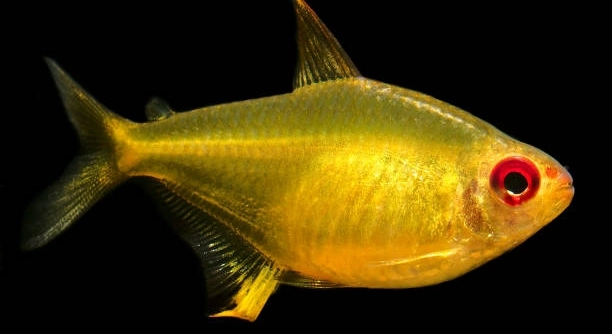
Have you ever noticed your lemon tetra tank feeling unusually active or chaotic? Small fish like lemon tetras thrive in calm environments, but certain conditions can make their tank appear overly noisy. Observing their behavior is important for their well-being.
Excessive noise in a lemon tetra tank is often caused by overcrowding, strong water currents, or improper filtration. These factors disrupt the natural environment, leading to stress and erratic behavior among the fish, which can negatively impact their overall health and comfort.
Identifying the causes of noise can help restore balance and ensure a healthier, more peaceful tank for your lemon tetras to thrive in.
Overcrowding in the Tank
When lemon tetras are kept in a tank that is too crowded, their behavior can quickly become frantic and noisy. Each fish needs enough space to swim freely, explore, and establish small territories. Overcrowding increases stress levels, causing the tetras to dart around constantly or bump into each other. This constant movement generates more visible activity in the tank, which can feel noisy to observers. Additionally, overcrowding impacts water quality, as more waste accumulates and the filtration system may struggle to keep up. Poor water conditions make fish more agitated, further amplifying chaotic behavior. Even though lemon tetras are social and prefer to be in schools, maintaining a proper number relative to tank size is essential. Providing adequate hiding spots and plants can also reduce tension. Regular monitoring of fish count and tank layout ensures a peaceful environment where tetras can swim calmly without creating unnecessary noise.
Excessive fish numbers strain the ecosystem, leading to agitation and more noise than usual.
Properly spacing fish and monitoring population helps reduce stress, keeping your lemon tetras active but calm, improving both their health and the tank’s atmosphere.
Strong Water Currents
Strong water currents can make your lemon tetra tank appear chaotic. These small fish are not built to swim against heavy flow. When the current is too strong, tetras expend extra energy, bump into decorations, and constantly adjust their positions. This struggle can make the tank seem noisy as the fish move rapidly in response. Currents that push water unevenly also disturb plants and substrate, adding to visible agitation. Equipment placement, like filters or pumps, often increases flow, so adjusting output or using flow diffusers can help. Observing how your tetras react to current is crucial. Too much movement in the tank may indicate they are stressed, while gentle, steady flow mimics natural conditions. Adjusting the environment ensures fish swim comfortably without overexertion.
When water flow is high, fish movement escalates, causing persistent activity and disturbance in the tank.
Monitoring and adjusting current levels can create a calmer tank. Placing decorations strategically, using diffusers, and reducing pump strength allows tetras to swim naturally. A balanced flow promotes stable water conditions, prevents stress, and reduces chaotic swimming patterns. Consistently checking how your tetras interact with water movement ensures long-term comfort and less noisy behavior.
Improper Filtration
A filter that is too strong or too weak can make the tank environment unstable. Strong filtration creates turbulent water, while weak filtration leads to poor water quality. Both situations stress lemon tetras, causing erratic swimming and increased activity, which makes the tank appear noisy.
Filtration is essential to maintain a clean, stable tank, but it must match the tank size and fish count. Strong currents from an overpowered filter force tetras to fight the flow constantly, leaving them exhausted and agitated. Weak filters fail to remove waste and toxins, which build up quickly in a small tank. Poor water quality raises ammonia and nitrite levels, triggering stress responses like rapid swimming, hiding, or jumping. Even subtle imbalances in water movement or cleanliness can make tetras appear restless. Regularly testing water parameters and adjusting filtration ensures the fish remain calm and healthy, reducing noisy behavior and maintaining clarity.
Adjusting filter strength and placement improves water movement and clarity. Using a sponge or baffle can soften flow, allowing tetras to swim naturally. Choosing an appropriate filter size, cleaning it regularly, and monitoring its output ensures consistent water quality. By creating a stable environment, fish are less stressed, their movements slow, and the tank becomes calmer. This simple adjustment significantly reduces noise caused by overactive fish reacting to poor filtration conditions.
Lack of Hiding Spots
Lemon tetras feel exposed without adequate plants or decorations. A bare tank forces constant swimming and increases visible activity, making the tank seem louder.
Providing caves, plants, or ornaments gives tetras places to rest and escape. Fish use hiding spots to regulate stress, especially during feeding or sudden disturbances. Without them, tetras dart continuously, seeking safety. Even in a small tank, strategic placement of a few plants or ornaments can break lines of sight and offer security. Stress from lack of cover amplifies frenzied behavior, particularly when multiple fish are competing for limited space. Hiding spots also encourage natural behaviors, like shoaling and exploring at a slower pace, reducing erratic swimming patterns that make the tank appear noisy. Regularly rearranging or adding new decorations keeps the environment engaging while providing necessary shelter.
By adding sufficient cover, tetras feel safe and move less frantically. Plants, rocks, and ornaments create shaded areas, reduce stress, and allow calmer swimming. Fish naturally seek secure spots, which decreases sudden bursts of movement and reduces chaotic activity. Thoughtful decoration placement can balance open swimming areas with protective zones, making the tank feel more peaceful. Consistent use of hiding spots supports healthier behavior patterns, improves fish well-being, and minimizes noisy displays caused by stress or exposure.
Feeding Frenzy
Overfeeding can create sudden bursts of activity in lemon tetras. When too much food is added at once, the fish rush to eat, bumping into each other and stirring up the tank. This makes the environment appear chaotic and noisy.
Feeding at irregular times or giving oversized portions increases competition. Fish may dart frantically, chasing scraps and disturbing plants or decorations. Maintaining a consistent feeding schedule with small portions helps control energy levels, reducing frantic movements and the noisy appearance of the tank.
Tank Temperature Fluctuations
Sudden changes in water temperature stress lemon tetras and affect their behavior. Even a few degrees up or down can make them swim erratically or hide. Stable temperature supports calm, natural movement and reduces unnecessary activity, keeping the tank more peaceful overall.
Excessive Light Exposure
Too much light can overstimulate lemon tetras. Continuous bright lighting encourages constant swimming and prevents natural resting periods. Reducing light duration and providing shaded areas helps the fish relax, lowering overall activity and making the tank feel calmer.
What causes a lemon tetra tank to be noisy?
A noisy tank is usually a result of stress or environmental imbalance. Overcrowding, strong currents, improper filtration, and lack of hiding spots are common factors. When fish feel unsafe or overstimulated, they move rapidly, bump into objects, and chase each other. This activity makes the tank appear chaotic.
How can I reduce overcrowding in my tank?
Count your fish carefully and ensure the tank size is suitable for your school of lemon tetras. A general guideline is one inch of fish per gallon, though tank layout and decorations also matter. Adding or removing fish gradually and reorganizing plants or ornaments can reduce stress and overactive behavior.
Can filtration make the tank too noisy?
Yes. Filters that are too strong push water rapidly, forcing fish to fight currents constantly. Weak filters fail to remove waste, resulting in poor water quality, which agitates fish. Using a filter of appropriate size, placing baffles, or adding a sponge can balance flow and reduce chaotic swimming.
Do lemon tetras need hiding spots?
Absolutely. Plants, rocks, or decorations provide areas to rest and feel secure. Without these, fish swim continuously, looking for shelter. Hiding spots reduce stress, encourage natural behaviors, and prevent constant bursts of activity. Rearranging decorations occasionally keeps fish engaged and comfortable.
How does feeding affect noise levels?
Overfeeding or irregular feeding schedules can trigger a feeding frenzy. Fish dart and bump into each other while competing for food, stirring up substrate and decorations. Feeding small portions at regular times helps maintain calm behavior and prevents the tank from appearing chaotic.
Does temperature impact fish behavior?
Yes, sudden temperature changes stress lemon tetras. Even minor fluctuations can cause erratic swimming, hiding, or increased aggression. Maintaining a stable temperature suitable for tetras, typically around 72–78°F, supports calmer, natural movement and reduces unnecessary noise.
Can lighting affect tank noise?
Excessive light can overstimulate lemon tetras. Continuous bright lighting encourages constant movement and prevents proper rest periods. Reducing light duration and creating shaded areas allows the fish to relax, decreasing frenetic activity and making the tank environment calmer.
Is water quality linked to tank noise?
Poor water quality directly affects fish behavior. High ammonia, nitrite, or nitrate levels create stress, making tetras swim erratically or hide excessively. Regular water testing, partial water changes, and proper filtration maintain stable conditions, ensuring fish remain calm and reducing noisy activity.
How do I know if the tank is too crowded?
Signs include constant chasing, bumping, and darting between areas of the tank. Fish may compete aggressively for limited space or hide excessively. Monitoring fish behavior, considering tank dimensions, and adjusting the number of occupants or adding decorations can restore balance and reduce noise.
Can rearranging the tank help?
Yes, changing plant or decoration placement can break lines of sight and create secure zones. This gives fish areas to rest and explore, reducing frantic movements. A balanced environment of open swimming space and hiding spots encourages natural behavior and lowers overall activity levels in the tank.
What role does regular maintenance play?
Consistent cleaning, water testing, and filter maintenance keep conditions stable. Dirty substrate, clogged filters, or accumulated waste increase stress, leading to erratic swimming and noisy behavior. Following a routine ensures water quality, minimizes agitation, and promotes calm, healthy fish activity.
Are lemon tetras naturally active, even in calm conditions?
Yes, they are small, energetic fish, but their activity should be smooth and coordinated. Excessive darting, collisions, or chasing signals stress or environmental issues. Providing proper space, hiding spots, water conditions, and gentle flow helps their natural activity remain calm and visually pleasant.
Can decorations alone calm the tank?
Decorations help, but they work best alongside proper filtration, feeding, temperature, and light management. Secure hiding spots and structured layouts reduce exposure and allow fish to control their environment. A thoughtful combination of decorations and environmental adjustments significantly decreases chaotic movements and noisy behavior.
How quickly can tank noise be reduced?
Improvements vary depending on the cause. Adjusting flow, adding hiding spots, correcting overcrowding, and maintaining water quality often show results within days to a week. Consistent care and observation ensure lasting calm behavior, helping lemon tetras feel secure and minimizing disruptive tank activity.
Should I change my entire setup if the tank is noisy?
Not necessarily. Small adjustments often solve the problem. Focus on flow, hiding spaces, feeding habits, and population density first. Full redesigns may only be needed if multiple issues exist or the tank is extremely small for the fish. Gradual changes reduce stress while improving calm behavior.
How do I know the changes are working?
Fish will swim more calmly, hide appropriately, and interact naturally with their school. Substrate and plants remain less disturbed, and frantic movements decrease. Monitoring behavior daily allows you to track improvement, ensuring the tank feels peaceful and the lemon tetras are comfortable in their environment.
This FAQ provides practical, hands-on steps to address noisy lemon tetra tanks, focusing on observable behaviors and straightforward solutions to create a calm, healthy aquatic environment.
Keeping a lemon tetra tank calm and healthy requires attention to both the environment and the fish’s behavior. Many factors can make the tank seem noisy, from overcrowding to strong currents or improper filtration. Overcrowding is one of the main reasons fish appear restless. Lemon tetras need space to swim freely in schools, but if the tank is too full, they will dart around, bump into each other, and create constant motion. This not only makes the tank appear chaotic but also increases stress levels. Stress affects their immune system and can lead to illness over time. Properly spacing fish and monitoring tank size helps reduce unnecessary movement. Decorations and plants also play an important role by providing shelter and areas to hide, which lowers stress and encourages calmer behavior.
Filtration and water movement are equally important in maintaining a peaceful tank. A filter that is too strong can push water with high velocity, forcing the fish to swim against it constantly. This drains their energy and adds to restless behavior. On the other hand, weak filtration allows waste to build up, creating poor water quality that can also stress the fish. Maintaining a balance with the correct filter size, output, and placement ensures a stable environment. Using sponge filters or baffles can soften water flow and give tetras more control over their swimming. Regular maintenance, such as cleaning the filter, checking water parameters, and performing partial water changes, ensures that the tank remains healthy and reduces erratic movements caused by environmental imbalances.
Behavioral factors such as feeding, temperature, and lighting also affect tank noise. Overfeeding can trigger a frenzy, causing fish to dart aggressively toward food and disturb decorations or substrate. Small, regular feedings help control this activity. Sudden temperature fluctuations can also create stress, making fish swim erratically or hide. Maintaining a stable temperature supports calm, natural swimming patterns. Excessive lighting stimulates activity and prevents rest, while shaded areas and a controlled light schedule allow the tetras to relax. Observing the fish daily for signs of stress, adjusting feeding routines, managing light exposure, and providing hiding spots all contribute to a peaceful, balanced tank. By paying attention to these key factors, a lemon tetra tank can remain calm, healthy, and visually pleasant for both the fish and the observer.

Hello,
If you enjoy the content that we create, please consider saying a "Thank You!" by leaving a tip.
Every little bit helps us continue crafting quality advice that supports the health, happiness, and well-being of pets around the world, for pets of all shapes, sizes, and species.
We really appreciate the kindness and support that you show us!