
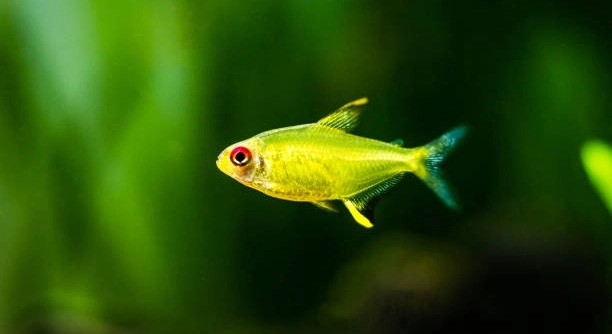
Do you ever wonder how lemon tetras behave around other fish in your aquarium? These small, bright fish are social, but their interactions with larger tank mates can sometimes be surprising. Observing them closely reveals interesting patterns.
Lemon tetras generally tolerate larger tank mates if the environment is spacious and well-planted. Aggression is uncommon, but overcrowding or incompatible species may stress them, affecting feeding and swimming behaviors. Careful selection of companions ensures a harmonious aquarium.
Knowing the dynamics between lemon tetras and bigger fish helps maintain a peaceful tank. Understanding their needs allows for better care and a healthier, more balanced aquatic environment for all species.
Understanding Lemon Tetra Behavior
Lemon tetras are small, active fish that enjoy swimming in groups. They thrive in schools of six or more, which helps reduce stress and encourages natural behaviors. Observing them, I’ve noticed that they often move together, darting through plants and hiding when larger fish approach. Their bright yellow color makes them stand out, but their peaceful nature keeps them from being aggressive. In a well-planted tank, they feel secure and less likely to be intimidated. Providing hiding spots with plants or decorations allows them to retreat when needed. Water quality also plays a big role in their behavior. Clean, well-maintained water keeps them healthy and active. I’ve found that when water conditions fluctuate, lemon tetras become skittish and avoid other fish, regardless of size. Tank layout can make a difference too, as open swimming areas reduce tension with bigger tank mates.
Lemon tetras mostly avoid conflict, even with larger fish, when their space feels safe and organized.
They communicate subtly with body language, such as quick movements or changes in swimming patterns. Watching them closely, I’ve realized that larger fish can intimidate them temporarily, but aggression rarely escalates if hiding places are available. Stress from close contact may reduce their appetite, so spacing and plants are key. Regular observation allows you to notice when they’re uncomfortable and adjust tank conditions.
Choosing Suitable Tank Mates
Peaceful species are best companions for lemon tetras.
When selecting tank mates, consider size, temperament, and activity level. Fish like small rasboras, corydoras, or dwarf gouramis can coexist without problems. Avoid aggressive or territorial fish that may chase or nip at them. Even larger fish can be compatible if they are calm and slow-moving. I’ve added medium-sized angelfish to my tank, and lemon tetras maintained their schooling behavior without stress. Ensuring enough swimming space and hiding spots is essential for a balanced tank. Observing interactions for the first few days helps detect any potential conflicts early. Proper feeding routines and maintaining clean water prevent tension, since stress can increase irritability. Adjusting lighting to reduce shadows also helps shy species feel secure. Overall, the right mix of size, temperament, and environmental setup allows lemon tetras to thrive alongside bigger fish, keeping the tank peaceful and visually pleasing.
Tank Size and Environment
A spacious tank reduces stress for lemon tetras and larger fish. Overcrowding increases tension and may lead to hiding or skittish behavior. Proper plants and decorations create secure spots for them to retreat, making interactions smoother and daily routines calmer.
Providing at least a 20-gallon tank allows lemon tetras to swim freely while coexisting with bigger fish. Plants, rocks, and other hiding spots help them feel safe and reduce stress. I’ve noticed that when my tank was cramped, the tetras became more nervous, darting around whenever larger fish approached. Open areas for swimming, combined with dense plant zones, help maintain a peaceful balance. Consistent water quality and gentle filtration also prevent unnecessary agitation, ensuring the small tetras remain healthy alongside their larger companions.
Lighting and layout impact how lemon tetras interact with tank mates. Too-bright lighting can make them hide excessively, while a mix of open space and planted areas encourages natural schooling behavior. I’ve arranged tall plants along the edges and left open swimming zones in the center, which reduced tension. Observing their daily movements helps fine-tune placement, ensuring both lemon tetras and larger fish share the tank comfortably. Adding floating plants can soften light and offer extra cover, further improving coexistence. Over time, I’ve found that these adjustments make a significant difference in keeping all fish calm and active.
Feeding Strategies with Bigger Tank Mates
Separate feeding areas prevent competition and stress.
Feeding lemon tetras with bigger fish requires careful planning. I use slow-sinking flakes for the tetras and larger pellets for the other species to avoid fights over food. Spreading food in multiple areas ensures everyone eats comfortably and reduces aggression. I’ve noticed that when all food drops in one spot, the tetras often get pushed aside.
Observing feeding behavior helps adjust quantities and locations. Lemon tetras are quick eaters, so scattering small portions across the tank allows them to feed safely without interference. Larger, more aggressive species may dominate a single feeding zone, so having multiple points of access keeps tension low. I typically feed in the morning and evening, giving smaller fish ample opportunity before larger ones finish their portions. Using floating and slow-sinking foods together ensures that different species can feed according to their natural preferences, maintaining harmony. Keeping a consistent schedule also prevents anxiety, as the tetras learn when and where to expect meals, making the tank routine predictable and comfortable.
Monitoring Behavior
Regular observation helps catch stress signs early. Lemon tetras may hide, lose color, or stop schooling when intimidated by larger tank mates. Noticing these behaviors allows quick adjustments to reduce tension and maintain a peaceful environment.
Changes in swimming patterns or sudden aggression between species indicate that tank dynamics need attention. Adding plants or rearranging decorations can restore comfort and safety.
Water Quality Considerations
Stable water parameters are crucial for lemon tetras and bigger fish. Sudden changes in temperature, pH, or hardness can increase stress and make them more vulnerable to disease. I keep a consistent maintenance schedule, testing water weekly and performing partial water changes to maintain stability. This approach has noticeably improved fish activity and overall health.
Avoiding Aggressive Species
Avoid species known for nipping or chasing. Aggressive tank mates disrupt schooling and can injure lemon tetras.
Tank Layout Tips
Strategically placed plants and hiding spots reduce stress. Open swimming areas with retreat options allow lemon tetras and larger fish to coexist comfortably.
What size tank is best for lemon tetras with bigger fish?
A larger tank reduces stress and gives each species space to move freely. I’ve found that a minimum of 20 gallons works well for a small school of lemon tetras alongside medium-sized, peaceful fish. More space allows for proper swimming areas and enough hiding spots, preventing conflicts. Plants, rocks, and decorations can break lines of sight, making the tank feel less crowded and giving shy species, like lemon tetras, safe zones to retreat when needed.
Can lemon tetras coexist with angelfish or other larger fish?
Yes, they can coexist if the larger species are calm and non-aggressive. I’ve kept angelfish in the same tank, and the tetras maintained their schooling behavior without stress. The key is observing interactions closely in the first few days and ensuring sufficient hiding spots for the tetras. Open swimming zones also reduce tension. Aggressive or territorial species, however, should be avoided, as they can intimidate or harm the smaller tetras.
How do I prevent bullying during feeding?
Separate feeding areas help. I scatter small portions of food across the tank to give lemon tetras access without interference from larger, faster eaters. Using slow-sinking flakes for tetras and larger pellets for bigger fish ensures everyone gets the proper nutrition. Multiple feeding points prevent competition and reduce stress. Observing who eats first and adjusting locations can also help. Feeding at consistent times allows the tetras to anticipate meals, reducing anxiety and promoting natural schooling behavior.
What plants and decorations work best for coexistence?
Tall plants along tank edges and dense mid-ground vegetation provide cover for tetras, while leaving open swimming areas in the center allows larger fish space. Floating plants soften light and offer extra hiding spots. I’ve rearranged plants several times to balance open zones with shelter, and the tetras became more active and less skittish as a result. Rocks or driftwood can also break lines of sight and create safe zones, reducing tension between species.
How do I know if lemon tetras are stressed?
Signs include hiding frequently, loss of color, erratic swimming, or reduced appetite. I noticed that tetras become skittish when larger fish come too close or when the tank is overcrowded. Stress may also appear if water quality fluctuates. Observing their behavior daily allows me to make adjustments quickly, whether it’s adding more plants, rearranging decorations, or improving water conditions.
What water parameters support a mixed-species tank?
Stable temperature, pH, and hardness are essential. Lemon tetras thrive in slightly acidic to neutral water, while most peaceful medium-sized fish can adapt to the same range. I maintain a consistent cleaning schedule, test water weekly, and perform partial water changes to keep conditions stable. Sudden fluctuations can stress both tetras and larger fish, increasing the risk of disease. Consistent filtration, gentle water flow, and monitoring also help maintain a harmonious environment.
How many lemon tetras should be kept together?
Keeping at least six in a school encourages natural schooling behavior and reduces stress. I’ve seen smaller groups become nervous, especially around larger fish. Larger schools increase confidence, distribute risk, and allow tetras to retreat together if they feel threatened. Pairing a healthy school with proper tank mates and hiding areas ensures both their safety and comfort.
Can I add new fish later without upsetting lemon tetras?
Yes, but gradual introductions work best. I acclimate new fish slowly and observe interactions closely for the first week. Rearranging plants slightly can prevent territorial behavior and reduce stress for both new and existing fish. Adding one or two fish at a time and maintaining stable water parameters ensures the tetras remain calm.
What should I do if a larger fish starts harassing lemon tetras?
Immediate action is necessary. I temporarily separate the aggressive fish or add additional hiding spots for the tetras. Rearranging tank decorations can break visual lines of sight and reduce tension. In extreme cases, rehoming the aggressive fish is sometimes the best solution to preserve the peace and health of the tetras.
Are there feeding schedules that help maintain harmony?
Consistent morning and evening feedings work well. I feed smaller portions multiple times to allow tetras access before larger fish dominate. This routine reduces stress and ensures everyone receives proper nutrition. Observing the feeding pattern helps identify if adjustments are needed to prevent bullying or missed meals.
How does tank lighting affect interactions?
Bright lighting can make lemon tetras hide more, while moderate lighting encourages schooling and exploration. I use floating plants and shaded areas to soften light, giving tetras places to feel secure. Proper lighting balance keeps both tetras and larger fish active without increasing stress.
Is it necessary to monitor water flow for mixed tanks?
Yes. Lemon tetras prefer gentle water currents, while some larger species tolerate stronger flows. I adjust filtration and flow direction to prevent tetras from being pushed around. Gentle circulation ensures oxygenation while maintaining comfort for all species.
How often should I observe fish behavior?
Daily observation is best. I watch for signs of stress, aggression, or changes in swimming patterns. Catching issues early allows quick corrections, such as rearranging plants, adjusting feeding locations, or checking water quality. Regular monitoring keeps the tank peaceful and ensures all fish thrive.
Do lemon tetras need special care when mixed with bigger fish?
Yes. They require attention to hiding spots, feeding strategies, and tank layout. I make small adjustments based on daily observations, ensuring they remain active and stress-free. Their small size means they are vulnerable, so careful management is essential for a harmonious tank environment.
Can tank mates affect breeding behavior?
Yes, stress from larger or aggressive fish can inhibit breeding. I’ve seen tetras stop spawning when intimidated or overcrowded. Providing secure areas with plants and gentle tank mates encourages natural breeding behavior without disruption. Consistent water quality also supports reproductive health.
How do I maintain harmony long-term?
Stable water, proper tank size, suitable companions, and regular observation are key. I continuously adjust plant placement, feeding zones, and monitor behavior. Maintaining a calm environment allows lemon tetras to thrive alongside bigger fish for years.
What signs indicate a tank layout change is needed?
Frequent hiding, reduced swimming, or signs of stress indicate adjustments are necessary. Adding plants, rocks, or rearranging decorations can restore balance. Observing behavior after changes ensures the tank remains comfortable for all species.
How do I prevent accidental aggression during maintenance?
I move fish carefully, avoid sudden changes in lighting or water, and perform gradual water changes. Preparing separate areas or temporary containers helps prevent stress. Observing reactions during maintenance allows me to address tension quickly.
What long-term benefits come from proper tank management?
A well-planned environment encourages natural behavior, reduces stress, and improves health. I’ve found that lemon tetras are more active, colorful, and confident when tank mates, layout, feeding, and water quality are all carefully maintained.
Lemon tetras are small, peaceful fish that can coexist with larger tank mates when conditions are right. Their schooling nature helps them feel secure, and observing their behavior is key to maintaining a calm environment. I’ve noticed that when tetras have enough space and hiding spots, they swim confidently even around bigger fish. Overcrowding or improper tank layout can quickly stress them, so it’s important to provide open swimming areas along with plants and decorations for shelter. Even simple adjustments, like adding a few tall plants or rearranging rocks, can make a noticeable difference in how comfortable they feel. Tank size also plays a role. A 20-gallon tank or larger is ideal for a small school of lemon tetras with medium-sized fish. This allows them room to move freely, reducing tension and preventing accidents. Having a mix of planted areas and open spaces helps maintain balance between smaller and larger species, giving the tetras options to hide or swim openly depending on their mood and safety needs.
Feeding is another area where care and attention matter. Lemon tetras are fast, small eaters, and in a mixed tank, they can sometimes be outcompeted by larger or more aggressive species. I’ve found that scattering food in several areas across the tank works well. Using slow-sinking flakes for tetras and larger pellets for bigger fish ensures each species gets the proper nutrition without stress. Consistent feeding times also help, as the tetras learn when and where to find food. This routine reduces anxiety and keeps the schooling behavior intact. Observing how they feed can also highlight potential problems, such as bullying or missed meals. If any tetras seem to be struggling, small changes in food placement or adjusting the feeding schedule can quickly restore balance. Proper nutrition supports their overall health, brightens their colors, and keeps them active alongside larger tank mates.
Water quality and monitoring play a major role in a harmonious tank. Lemon tetras are sensitive to sudden changes in temperature, pH, and water hardness, and these factors can affect their behavior around bigger fish. I maintain a regular testing and cleaning schedule, performing partial water changes weekly to keep the environment stable. Gentle filtration and proper circulation ensure oxygen levels remain consistent without creating strong currents that might stress smaller fish. Daily observation is also essential. Signs of stress, such as hiding, loss of color, or erratic swimming, indicate adjustments may be necessary in tank layout, feeding, or water parameters. Over time, careful monitoring and consistent maintenance create a peaceful environment where lemon tetras and larger species coexist successfully. By focusing on space, hiding spots, feeding routines, and water quality, it’s possible to maintain a tank where all fish remain healthy, active, and comfortable together, making the aquarium enjoyable for both the fish and the caretaker.

Hello,
If you enjoy the content that we create, please consider saying a "Thank You!" by leaving a tip.
Every little bit helps us continue crafting quality advice that supports the health, happiness, and well-being of pets around the world, for pets of all shapes, sizes, and species.
We really appreciate the kindness and support that you show us!