
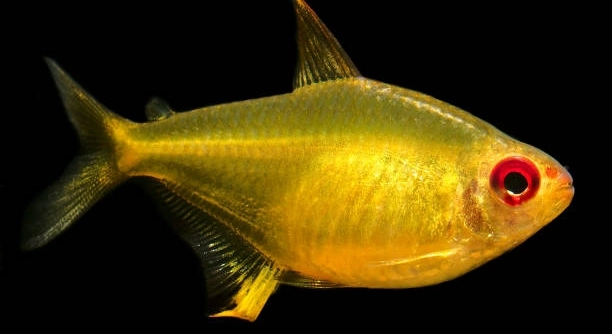
Do you ever find yourself staring at your lemon tetra and noticing how it seems aware of your presence? These small, bright fish often capture attention with their shimmering yellow bodies and lively movements. Observing them can be surprisingly engaging.
Lemon tetras do not possess the ability to sense when a person is watching them. Their behaviors are driven by environmental cues, social interactions, and instinctual responses rather than awareness of human observation. They react naturally to movement, light, and water changes.
Understanding how lemon tetras respond to their surroundings helps explain their behavior. Observing these patterns can improve your care and create a more harmonious aquarium environment.
How Lemon Tetras React to Movement
Lemon tetras are naturally alert and respond quickly to changes in their environment. When you move around the tank or tap on the glass, they often dart or adjust their position. Their bright yellow bodies make these reactions noticeable, and sometimes it feels like they are watching you. These responses are a combination of instinct and survival behavior. Fish detect vibrations and subtle shifts in light, which helps them stay safe in the wild. Even in a home aquarium, these reflexes remain strong. When feeding, they may gather near your hand or follow movements in the water, giving the impression of recognition. However, this is their natural curiosity and desire to interact with anything entering their space. Over time, they can become familiar with feeding routines and daily activity patterns, responding predictably. Paying attention to these cues can make caring for them more enjoyable.
These movements are more about instinct than awareness of human observers, showing natural alertness.
By watching how lemon tetras react, you can learn to anticipate their behavior. They tend to follow objects moving in the water, especially during feeding times. Patterns emerge with consistent routines, and observing their group behavior can be satisfying. They are social fish, often swimming in schools, which enhances their responsiveness. Even small environmental changes, like adding decorations or rearranging plants, prompt reactions. These actions are not based on awareness of you but on detecting change. Understanding these behaviors can help you provide a more stable environment, reducing stress. Observing them closely reveals subtle cues, such as fin movement or slight position shifts, which indicate comfort or agitation. By interpreting these responses, you can adjust feeding, lighting, or tank layout to match their needs. This careful observation improves both their health and your enjoyment as a caretaker. It also highlights the intricate, fascinating ways fish interact with their surroundings.
The Role of Light and Reflection
Light plays a significant role in how lemon tetras appear to interact. Bright or moving light can trigger movement or changes in position.
Proper lighting not only enhances their coloration but also affects behavior. Lemon tetras may respond to reflections on the glass, giving the illusion that they are aware of being watched. Changes in natural light from windows or artificial lights can also influence activity levels. Observing them at different times of day can reveal variations in energy and movement. Providing consistent, gentle lighting helps maintain regular behavior and reduces stress. Additionally, reflections can sometimes cause minor agitation, so arranging the tank to minimize harsh glare is beneficial. By controlling light and reflections carefully, you can create a calm environment that allows the fish to display natural behaviors while still being visually engaging for observation. Understanding how light interacts with the tank helps explain their seemingly attentive actions.
Feeding Responses
Lemon tetras react quickly when food enters the tank. Their schooling behavior makes them gather near the surface, moving with coordinated speed to catch each flake or pellet. This reaction appears attentive but is instinctual, driven by hunger and survival patterns rather than observation of humans.
When feeding, lemon tetras exhibit a series of predictable behaviors. They swim energetically toward the source of food, sometimes bumping into one another as they compete for flakes. Their bright coloration becomes more noticeable during these bursts of activity, reflecting light in a way that draws attention. This behavior is not influenced by being watched but by the presence of food and the movement in water. Over time, they learn routines and may anticipate feeding schedules, swimming near the top at familiar times. Understanding this helps ensure consistent feeding without causing stress or overcrowding in the tank.
Schooling also provides safety and efficiency. By staying together, lemon tetras can quickly respond to sudden movements, protect themselves from potential threats, and maintain social interaction. Watching them coordinate can feel interactive, yet it is purely instinct-driven. Their responses reveal how environmental cues guide behavior more than any awareness of human presence.
Environmental Enrichment
Providing plants and decorations affects lemon tetra activity and reduces stress. Hiding spots allow them to feel secure while exploring freely.
A well-decorated tank encourages natural swimming patterns and curiosity. Lemon tetras swim among plants, driftwood, and rocks, exploring spaces while maintaining school cohesion. This setup offers mental stimulation, mimics their natural habitat, and improves overall health. Environmental enrichment can prevent boredom, reduce aggression, and enhance coloration. Adjusting plant density and placement creates varying levels of shelter and open space, prompting the fish to navigate different areas, which strengthens their instincts. Observing these interactions shows how subtle changes in the environment influence behavior, emphasizing the importance of thoughtful aquarium design for their well-being.
Schooling Behavior
Lemon tetras naturally swim in groups, which helps them feel safe and reduces stress. Their coordinated movements make the school appear like a single unit, responding quickly to changes in the environment without any awareness of human observation.
This behavior also improves feeding efficiency and navigation. By staying together, lemon tetras can detect food or threats faster. The constant movement strengthens social bonds within the group and keeps each fish active. Observing their synchronized swimming can be calming, yet it is purely instinct-driven, not a reaction to being watched.
Reaction to Tank Changes
Lemon tetras respond quickly to new decorations, water movement, or changes in temperature. They may explore cautiously or adjust their position to feel secure. Changes in the tank can temporarily alter activity levels as the fish adapt to the new environment.
Stress Signals
Signs of stress include hiding, reduced movement, or loss of color. Lemon tetras may also separate from the group or show rapid, erratic swimming. Recognizing these signals helps maintain a healthy aquarium environment.
FAQ
Can lemon tetras recognize their owners?
Lemon tetras do not recognize humans individually. They respond to movement, light, and feeding routines rather than specific people. Over time, they may associate a person with feeding, appearing near the tank during those times, but this is learned behavior, not true recognition.
Why do lemon tetras swim quickly when I approach?
Their fast swimming is a natural response to movement near the tank. It is an instinct to avoid potential threats. Fish detect vibrations and subtle changes in water, which triggers these quick reactions. This behavior is not based on awareness of being watched.
Do lemon tetras interact with each other?
Yes, lemon tetras are social fish that rely on schooling for safety and comfort. Interaction includes swimming together, mirroring movements, and sometimes chasing each other. These behaviors strengthen social bonds and provide mental stimulation.
Why do lemon tetras hide sometimes?
Hiding is a natural behavior used for safety and stress reduction. They retreat into plants, decorations, or shaded areas to feel secure. Hiding may also occur after sudden environmental changes, such as light shifts, temperature fluctuations, or new tank decorations.
Can lemon tetras see themselves in the glass?
Lemon tetras may react to reflections, interpreting them as other fish. This can cause minor agitation or curiosity. Their responses are based on visual cues and movement, not awareness that the reflection is themselves or that humans are observing.
How often should I feed lemon tetras?
Feeding twice a day in small amounts is generally sufficient. Overfeeding can lead to water quality issues and health problems. Observing their behavior during feeding helps determine if they are getting the right amount and ensures all fish receive food.
Why do lemon tetras gather at the surface sometimes?
Surface gathering usually happens during feeding or when oxygen levels are higher near the top. It is a natural response to available food or environmental conditions, not an indication that they are aware of human presence.
Do lemon tetras get bored?
Fish experience mental stimulation from environmental enrichment. Adding plants, driftwood, and open swimming spaces prevents boredom. They may explore or change swimming patterns in response to these features, showing that a well-designed tank improves their activity and overall well-being.
Can lemon tetras sense danger?
Yes, lemon tetras are highly sensitive to changes in water movement, light, and nearby activity. This allows them to respond quickly to potential threats. Their reactions are instinctive, honed from survival behavior, rather than a conscious understanding of danger or human observation.
Is it normal for lemon tetras to change color?
Color changes can occur due to stress, illness, lighting, or water conditions. Bright coloration usually indicates good health and comfort, while dull colors may signal environmental or health issues. Monitoring color changes helps maintain their well-being.
Why do lemon tetras sometimes swim in tight groups?
Tight schooling provides safety and coordination. It helps the fish respond faster to sudden changes in the tank and reduces stress. This behavior is instinctual and benefits survival in both natural and home environments.
How can I tell if my lemon tetras are healthy?
Healthy lemon tetras are active, swim smoothly in schools, maintain bright coloration, and feed eagerly. Observing their behavior regularly and providing stable tank conditions ensures they remain active and stress-free.
Do lemon tetras react to music or sounds?
Fish can detect vibrations in water, but they do not respond to music as humans do. Sudden noises or strong vibrations may startle them, causing temporary agitation, but this is an instinctive response to movement in their environment.
What is the ideal tank setup for lemon tetras?
A well-planted tank with open swimming spaces, stable temperature, and gentle water flow promotes natural behavior. Decorations, hiding spots, and proper lighting enhance their activity and reduce stress. Regular maintenance ensures water quality, supporting health and vibrant coloration.
Can lemon tetras sense when I am near?
While they respond to movement and shadows near the tank, this is based on visual and vibrational cues, not an awareness of being watched. Their reactions are instinctual and relate to safety, feeding, and environmental changes.
How do lemon tetras react to new fish?
Introducing new fish can cause temporary stress. Lemon tetras may hide or adjust schooling patterns until they acclimate. Gradual introduction and monitoring help reduce tension and encourage harmonious interactions within the tank.
Why do lemon tetras sometimes dart suddenly?
Sudden darting is a natural reflex to perceived threats or changes in the environment. Vibrations, light shifts, or nearby movement can trigger quick bursts of swimming, which are protective behaviors rather than responses to human observation.
Are lemon tetras nocturnal?
Lemon tetras are diurnal, most active during the day. They rest at night, often hiding or slowing movement. Proper light cycles in the tank support their natural rhythms and promote healthy behavior.
Do lemon tetras need companions?
Yes, they thrive in schools of at least six or more. Companionship reduces stress, encourages natural behavior, and provides a sense of security. Solitary fish may become timid, less active, or stressed without a group.
How can I encourage natural behavior in lemon tetras?
Providing plants, decorations, open swimming spaces, and consistent feeding schedules encourages exploration, schooling, and activity. Observing their responses to subtle environmental changes allows for adjustments that support health, stimulation, and stress reduction.
This FAQ covers common observations and care tips for lemon tetras, helping explain behavior that may seem like they are aware of human presence.
Lemon tetras are small, vibrant fish that bring life and movement to any aquarium. Observing them can feel surprisingly engaging because of their bright yellow color and constant activity. Their schooling behavior makes them move in coordinated patterns, and their curiosity about changes in the tank can appear as though they are watching. However, their actions are driven by instincts and environmental cues rather than awareness of humans. They respond to movement, light, water changes, and feeding routines, all of which trigger natural reflexes. Understanding these behaviors helps explain why lemon tetras may gather near the surface during feeding, dart quickly when something moves near the tank, or swim in tight, synchronized groups. These behaviors are part of their survival strategies and social interactions, allowing them to feel safe and stay active. Paying attention to these patterns can make caring for lemon tetras a more predictable and enjoyable experience.
Providing a stable, enriched environment is essential for their health and well-being. Lemon tetras thrive in tanks that include plants, decorations, and hiding spots, which allow them to explore and rest safely. The presence of these features reduces stress and encourages natural behavior, including swimming patterns, schooling, and curiosity. Proper lighting is also important, as it highlights their colors and influences activity levels. Sudden changes in light or reflections on the tank glass can provoke movement or slight agitation, but this is an instinctive response rather than recognition of human observers. Maintaining consistent feeding routines, water quality, and temperature supports their physical health and encourages predictable behavior. Observing how lemon tetras interact with their surroundings allows owners to adjust the tank setup and care practices, ensuring the fish remain active, comfortable, and stress-free.
Understanding lemon tetra behavior also strengthens the connection between the fish and their environment. While they cannot recognize individual humans, their responsiveness to feeding routines and environmental cues makes them appear interactive. Watching them navigate decorations, respond to changes, or engage with their school can be rewarding and educational. Noticing subtle signals, such as changes in color, movement speed, or schooling behavior, provides insight into their comfort and well-being. These observations can guide tank maintenance, feeding strategies, and environmental adjustments. Overall, lemon tetras are fascinating creatures whose actions are shaped by instinct, social behavior, and environmental factors. Recognizing and respecting these needs ensures they remain healthy, active, and vibrant, making aquarium care both manageable and enjoyable.

Hello,
If you enjoy the content that we create, please consider saying a "Thank You!" by leaving a tip.
Every little bit helps us continue crafting quality advice that supports the health, happiness, and well-being of pets around the world, for pets of all shapes, sizes, and species.
We really appreciate the kindness and support that you show us!