7 Tips for Quarantining New Black Molly
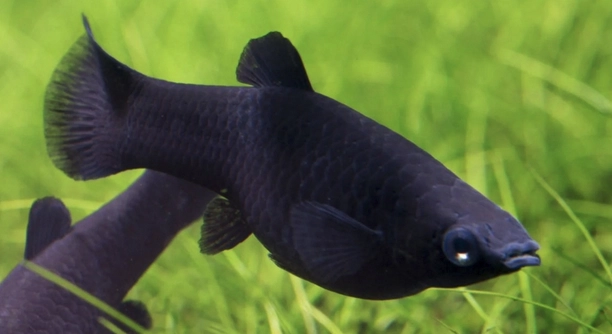
Do you ever bring home a new black molly and wonder how to keep it safe from illness while adjusting to its new environment? Quarantining your fish properly is essential for a healthy start. Quarantining a new black molly involves isolating it in a separate tank, monitoring water parameters, and observing for signs of disease. … Read more
7 Clues Your Fry Are Getting Bullied

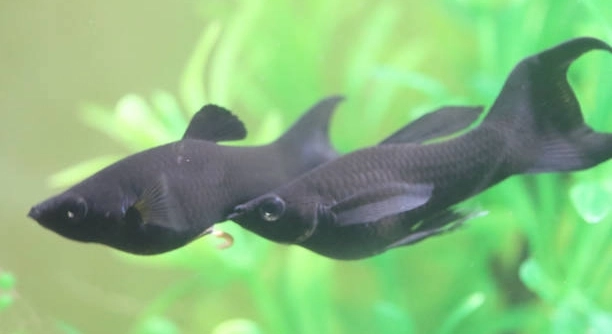
Are your fry showing signs of stress or withdrawal during daily routines? Observing their behavior closely can reveal subtle shifts that may indicate social challenges. Early recognition helps in providing the right support and guidance for their well-being. Fry can experience bullying through physical, social, or emotional interactions with peers. Common indicators include sudden changes … Read more

Why Is My Black Molly Fry Pressing Against the Glass?

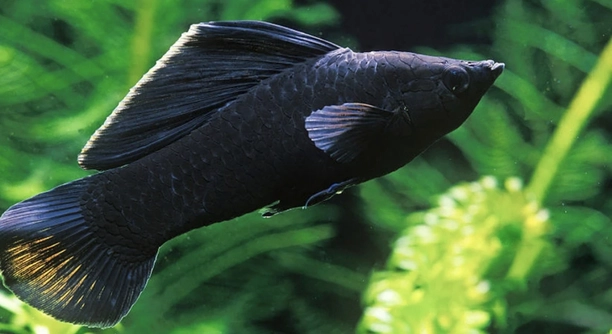
Is your black molly fry constantly pressing against the glass of its tank? Many aquarists notice this behavior early on, especially with young fish. It can be surprising and even worrying when they seem restless or stuck. Black molly fry pressing against the glass is often a response to environmental stressors, including poor water quality, … Read more

7 Tank Setup Mistakes to Avoid with Black Molly

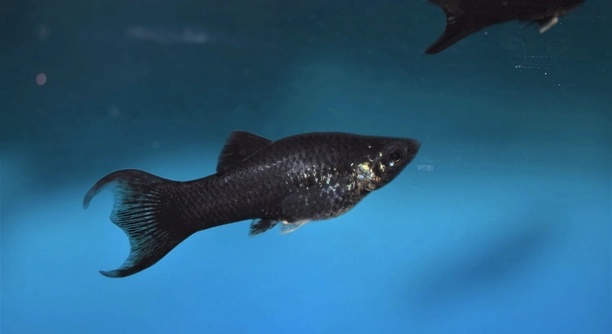
Keeping Black Mollies healthy starts with setting up the right environment in your tank. Many fish owners make mistakes that affect water quality, fish behavior, and overall wellbeing without realizing the consequences. The most frequent tank setup mistakes with Black Mollies involve water parameters, tank size, filtration, and incompatible tank mates. Neglecting these factors can … Read more

Can Black Molly Hear Outside Noises?

Do you ever find yourself watching your Black Molly swim calmly and wonder how much of the outside world it notices? Many fish owners are unsure how their pets perceive sounds beyond the aquarium glass. Their daily environment can be full of noises we barely notice. Black Mollies can detect certain vibrations and low-frequency sounds … Read more

Can Black Molly Live in Bowls Temporarily?

Black Mollies are small, vibrant fish that many enjoy keeping at home. Their adaptability makes them popular in aquariums, but their needs can sometimes be misunderstood, especially when considering temporary housing in small containers like bowls. Black Mollies can survive in bowls for short periods, but this is not ideal for their health. Limited space … Read more

When to Reintroduce Black Molly to Shared Tanks

Black Mollies are popular freshwater fish that bring life to shared tanks. Their peaceful nature makes them suitable companions, but timing their reintroduction requires careful planning to maintain harmony and avoid stress in the aquarium environment. The optimal time to reintroduce a Black Molly to a shared tank is after ensuring the water parameters are … Read more

7 Factors That Boost Black Molly Confidence

Black mollies are lively, attractive fish that add charm to any aquarium. Their confidence influences swimming behavior, social interaction, and overall well-being, making it important for owners to understand what encourages their self-assurance and comfort. Several key factors boost black molly confidence, including tank size, water quality, diet, compatible tank mates, hiding spots, lighting, and … Read more

What Temperature Is Best for Black Molly?

Black Mollies are popular freshwater fish that many aquarists enjoy keeping. Their shiny black scales and active swimming make them appealing for home aquariums. Proper care is essential to keep them healthy and thriving in any tank environment. The optimal water temperature for Black Mollies ranges between 75°F and 82°F. Maintaining this range supports their … Read more

7 Water Changes That Can Harm Black Molly

Many fish owners enjoy keeping black mollies for their striking color and active nature. These fish thrive in stable, clean water, but even small mistakes during routine water changes can stress them and impact their health. Black mollies are particularly sensitive to sudden shifts in water chemistry, temperature fluctuations, and improper handling during water changes. … Read more