
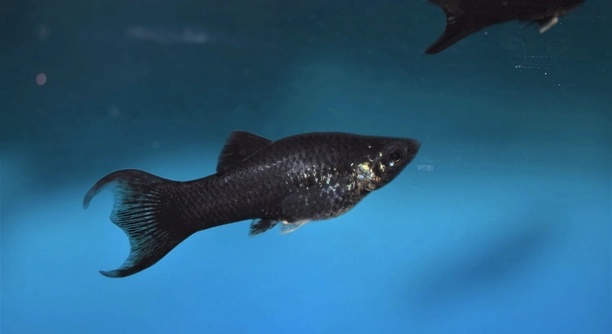
Black Mollies are popular freshwater fish that bring life to shared tanks. Their peaceful nature makes them suitable companions, but timing their reintroduction requires careful planning to maintain harmony and avoid stress in the aquarium environment.
The optimal time to reintroduce a Black Molly to a shared tank is after ensuring the water parameters are stable, the existing fish show no signs of aggression, and the newcomer has acclimated properly to prevent stress and territorial conflicts.
Proper timing can protect your fish and maintain a balanced tank environment. Following the right steps ensures a smooth transition and healthier aquatic companions.
Preparing the Tank Before Reintroduction
Before adding a Black Molly back to a shared tank, it is important to ensure the environment is safe and stable. Start by checking water temperature, pH, and ammonia levels to match the conditions your fish are used to. Remove any uneaten food or debris to keep the water clean. Consider adding plants or hiding spots to reduce stress and give the new fish areas to explore. Observe the behavior of the existing fish to ensure there are no signs of aggression or illness. Quarantining the new Black Molly in a separate container for a few days helps monitor its health and prevents the spread of potential diseases. Gradually acclimate the fish by floating its container in the tank water and slowly mixing the tank water over several hours. These steps create a smooth and safe transition for everyone in the tank, reducing potential conflicts and stress.
Proper preparation makes reintroduction safer and promotes a calm environment.
Gradually introducing a Black Molly after preparation minimizes sudden stress. Patience during this process helps maintain harmony and ensures a healthier tank overall.
Observing Behavior After Reintroduction
Pay close attention to interactions immediately after the Black Molly is added.
Monitor swimming patterns, feeding habits, and any signs of aggression. Existing fish may show temporary curiosity or minor chasing, which usually settles within hours. Ensure the new fish is eating properly and hiding when needed. Remove any fish showing severe aggression to prevent injury. Keep a consistent feeding schedule and maintain water quality to reduce stress. Regularly check for signs of illness or unusual behavior over the first week. Avoid making sudden changes in lighting or decorations during this period.
Once the Black Molly is reintroduced, maintaining a calm environment is key. Observe social dynamics and provide support if conflicts arise. Adjustments to the tank layout or feeding areas can help reduce tension. Encouraging natural hiding spaces and visual barriers can make the fish feel secure. Consistent monitoring ensures early detection of stress or aggression, allowing for quick corrective actions. Over time, the Black Molly will establish its place in the tank hierarchy. Ensuring the tank remains clean and stable supports long-term health and encourages peaceful cohabitation. This attention to detail strengthens the overall balance of your shared tank, helping all fish thrive.
Feeding Adjustments
Ensure feeding routines are consistent when reintroducing a Black Molly.
Offer small, frequent meals to reduce competition and stress. Observe how all fish respond, and adjust portions to prevent leftover food from fouling the water. High-quality flake or pellet food works well, along with occasional live or frozen treats.
Feeding habits can change when a new fish is added. Watch for aggressive behavior during mealtime and ensure the Black Molly can access food without being chased. Splitting food across multiple locations helps all fish eat comfortably. Avoid overfeeding, as excess food can degrade water quality and cause health problems. Introducing a new fish gradually to mealtime routines allows it to adjust naturally, reducing stress and ensuring it receives proper nutrition.
Monitoring appetite after reintroduction helps maintain health. Keep an eye on all fish to make sure feeding remains balanced and stress-free.
Health Checks and Maintenance
Regular water tests are essential for a stable environment.
Monitor ammonia, nitrite, nitrate, and pH levels at least twice a week. Clean filters and perform partial water changes to maintain water quality. Watch for signs of illness, including clamped fins, discoloration, or unusual swimming patterns.
Even minor stress can trigger health problems in Black Mollies. Quarantining new fish before introduction reduces the risk of spreading disease. Keep a simple log of water parameters, feeding, and fish behavior to track any changes. Adjust decorations and hiding spaces to help fish feel secure. Maintaining consistent lighting and avoiding sudden temperature swings further supports health. Promptly separate any sick fish to prevent infection from spreading. Proper tank upkeep ensures all inhabitants remain active, vibrant, and healthy. Regular observation allows for early intervention and maintains a balanced, stress-free environment.
Gradual Acclimation
Introduce the Black Molly slowly to the tank environment.
Float the fish in its container for at least an hour and gradually mix tank water to avoid sudden changes in temperature or chemistry. This helps the fish adjust comfortably.
Managing Territorial Behavior
Observe how existing fish respond to the new addition.
Some chasing or displays of dominance are normal, but persistent aggression should be addressed. Provide extra hiding spots and rearrange decorations if needed. Keep interactions under observation until the fish settle into a routine.
Light and Environment Adjustments
Adjust lighting gradually after reintroduction to reduce stress.
Soft, consistent lighting encourages natural behavior. Avoid sudden bright lights that may startle the new Black Molly and disrupt the tank’s balance.
FAQ
How long should I quarantine a new Black Molly before reintroducing it?
Quarantine for at least 7–10 days in a separate tank. Monitor for signs of illness like clamped fins, spots, or lethargy. Quarantine helps prevent introducing diseases to the main tank. During this period, maintain stable water parameters similar to the main tank to reduce stress.
Can I add multiple Black Mollies at the same time?
Yes, adding more than one at a time can reduce bullying, as no single fish becomes the sole target. Make sure the tank is large enough and has enough hiding spaces. Gradually acclimate all fish together to avoid sudden changes in water chemistry.
What should I do if existing fish are aggressive toward the new Molly?
Separate aggressive fish temporarily if attacks become harmful. Add plants, rocks, or decorations to create visual barriers. Rearranging the tank layout can disrupt established territories and reduce aggression. Over time, most fish will adjust, and the new Black Molly can establish its place without continuous harassment.
How do I know if the Black Molly is stressed?
Signs include hiding constantly, rapid gill movement, loss of appetite, or staying at the bottom of the tank. Mild stress is normal during the first few days, but prolonged stress can affect health. Maintaining water quality, providing hiding spots, and monitoring interactions can reduce stress.
What is the best feeding strategy after reintroduction?
Feed small amounts several times a day to prevent competition and ensure all fish eat. Spread food across multiple locations to reduce chasing. Use a combination of high-quality flakes or pellets and occasional frozen or live foods. Avoid overfeeding to maintain water quality and fish health.
How often should I check water parameters during reintroduction?
Test at least twice a week, focusing on ammonia, nitrite, nitrate, and pH. New fish can temporarily stress the system, causing minor fluctuations. Consistent checks help catch problems early and allow corrective measures like partial water changes. Keeping water stable reduces stress and supports healthy adjustment.
Are hiding spots really necessary for Black Mollies?
Yes, hiding spots reduce stress and prevent conflicts. Plants, rocks, or decorations give fish safe areas to retreat. Even if the tank seems calm, providing secure spaces supports natural behavior and encourages confidence, allowing all fish to thrive together.
How long does it take for a Black Molly to fully adjust?
Adjustment usually takes one to two weeks. During this time, monitor behavior, feeding, and interactions. Minor chasing is normal, but persistent aggression or refusal to eat signals additional intervention may be needed. With proper care, the fish should integrate smoothly.
Can temperature changes affect reintroduction?
Yes, sudden temperature shifts cause stress and make the fish more susceptible to illness. Maintain a stable temperature consistent with the existing tank. Gradually acclimate new fish to the tank’s temperature during quarantine and introduction to prevent shock.
What should I do if the new Black Molly shows signs of illness?
Immediately isolate the fish in a hospital tank. Treat according to the symptoms, whether it’s medication for parasites, bacterial infections, or water parameter correction. Keeping sick fish separate prevents disease from spreading and gives a better chance of recovery.
How important is observation in the first week?
Observation is critical. Watch for feeding issues, aggression, and signs of stress. Early detection allows prompt adjustments to tank conditions, feeding, or social arrangement. Being attentive ensures a safer environment and helps the Black Molly integrate smoothly.
Can adding plants affect reintroduction success?
Yes, plants create hiding areas and break line-of-sight between fish, reducing territorial disputes. Floating plants and tall decorations can provide additional shelter. A well-structured tank helps fish feel secure and encourages natural swimming and feeding behavior, making the reintroduction process smoother.
Is it safe to reintroduce a Black Molly to a tank with different species?
Generally, yes, as long as the other fish are peaceful and water parameters match. Avoid aggressive or fin-nipping species, which can stress or injure the Molly. Providing sufficient space and hiding spots improves compatibility and reduces potential conflicts.
What role does water quality play during reintroduction?
Water quality is crucial. Poor conditions increase stress, weaken immunity, and can trigger disease. Regular testing, partial water changes, and filter maintenance ensure a stable environment, helping the new Black Molly adjust successfully. Clean water supports overall health and reduces the risk of aggression-related injuries.
How can I tell if the Black Molly has fully integrated?
Signs include normal feeding, exploring the tank confidently, interacting without being chased, and showing natural swimming patterns. Fish that hide less, respond to surroundings, and coexist peacefully indicate successful adjustment. Integration can take a few days to two weeks depending on tank dynamics.
Can reintroduction be done during breeding periods?
It is not recommended. Breeding can increase aggression and stress. Wait until breeding behavior is minimal to avoid conflicts. If necessary, provide separate breeding tanks to protect eggs and reduce tension in the main tank.
Should lighting be adjusted when adding a new Black Molly?
Yes, gradual adjustment helps reduce stress. Avoid sudden bright lighting that can startle fish. Consistent, soft lighting encourages natural activity, feeding, and exploration. Over time, fish will acclimate to the tank’s lighting routine without added stress.
Does the size of the tank affect reintroduction success?
Absolutely. Overcrowded tanks increase stress and aggression. Ensure sufficient space for all fish, including the new Black Molly. More room allows natural territory formation and reduces conflicts, supporting smoother integration and long-term health.
Can diet changes help with integration?
Yes, offering a variety of foods encourages the new fish to feed confidently. Consistent, small meals at different locations reduce competition. Occasional live or frozen foods can stimulate feeding and help the Black Molly feel secure in its new environment.
How long should I monitor interactions before considering the reintroduction complete?
Continue close observation for at least one to two weeks. Look for stable feeding, minimal chasing, and calm interactions. Adjust tank layout or feeding routines if issues persist. Consistent monitoring ensures the Black Molly has fully integrated and the shared tank remains balanced.
What are common mistakes during reintroduction?
Rushing the process, skipping quarantine, overfeeding, or neglecting hiding spaces can stress fish and trigger aggression. Sudden water changes or poor observation can worsen the situation. Taking a patient, methodical approach prevents problems and supports successful integration.
How often should I clean the tank during the first weeks?
Partial water changes of 20–25% twice a week are recommended. Maintain filter efficiency and remove debris. Clean water reduces stress, prevents disease, and supports proper behavior. Regular maintenance ensures the new Black Molly and existing fish remain healthy.
Is it necessary to separate fish if aggression continues after a week?
Yes, persistent aggression can harm the new Molly. Temporarily separate aggressive fish, provide hiding spaces, and rearrange the tank. Only reintroduce when the environment feels safe. Prioritizing health and safety ensures all fish thrive.
Can stress from reintroduction affect lifespan?
Chronic stress weakens immunity, making fish prone to disease and reducing lifespan. Gradual acclimation, stable water conditions, hiding spots, and careful monitoring reduce stress and support a long, healthy life for Black Mollies.
How does tank size affect hiding spot placement?
Larger tanks need multiple hiding areas spread throughout. Small tanks benefit from vertical or compact hiding spaces. Proper distribution ensures all fish can retreat safely, minimizing conflicts and improving comfort.
Should I adjust feeding if aggression occurs?
Yes, split food into multiple locations to reduce competition. Feed smaller portions more frequently to ensure every fish, including the new Black Molly, receives adequate nutrition without being chased.
How do I handle water parameter fluctuations?
Perform partial water changes and monitor closely. Avoid large, sudden adjustments that can stress fish. Stable parameters support immune function and smooth integration for the new Black Molly.
Can plants or decorations reduce stress long-term?
Yes, permanent hiding spots help fish feel secure and reduce aggression. Plants, rocks, and decorations create territories and visual breaks, promoting peaceful coexistence and healthier interactions among all tank inhabitants.
Are there signs that reintroduction was successful?
Signs include normal feeding behavior, reduced hiding, peaceful interaction with other fish, and healthy swimming. Fish appear confident, explore the tank, and display natural behaviors consistently, indicating smooth integration and a balanced shared tank.
What should I avoid during the first week of reintroduction?
Avoid sudden lighting changes, aggressive tank mates, overfeeding, or rapid water adjustments. Limit handling and observe quietly. Creating a calm environment supports confidence and reduces stress, allowing the Black Molly to settle properly.
Can multiple hiding spots prevent bullying?
Yes, more hiding spaces distribute territorial stress and reduce aggressive encounters. Even dominant fish have options, and timid fish can retreat safely. Well-placed shelters encourage peaceful coexistence and smoother integration.
How important is patience during the process?
Patience is key. Rushing acclimation or ignoring signs of stress can cause long-term problems. Gradual introduction, careful observation, and steady routines ensure the Black Molly adjusts comfortably and thrives alongside existing fish.
What should I do if my tank is small?
Ensure extra hiding spaces and minimize aggressive interactions. Consider rehoming aggressive species or upgrading the tank to prevent stress and overcrowding. Adequate space supports natural behavior and successful reintroduction.
Is it normal for the Black Molly to hide for several days?
Yes, initial hiding is common as the fish adjusts. Provide hiding spots and observe from a distance. Gradually, the fish will explore and become active once it feels secure in the new environment.
How can I prevent future conflicts in the tank?
Maintain proper tank size, provide sufficient hiding spots, monitor feeding, and ensure water quality. Regular observation and adjustments to the environment reduce stress, supporting long-term peaceful interactions among all fish.
Does water hardness affect reintroduction?
Yes, mismatched water hardness can stress fish. Match the new Black Molly’s preferred hardness to the existing tank. Gradual acclimation helps prevent shock and supports smooth integration.
Should I use a net to move the Black Molly?
Minimize net use. Gently float the container or use a small cup to transfer the fish. Excessive handling increases stress and can harm delicate fins or scales.
Can reintroduction trigger illness in stressed fish?
Yes, stress can weaken immunity, making both new and existing fish more vulnerable. Proper quarantine, acclimation, and a calm environment reduce this risk and promote healthy adjustment.
How long should I wait between adding multiple new fish?
Introduce fish together if possible. If adding separately, wait at least a week to observe interactions and ensure each fish integrates safely before introducing another.
What role does water circulation play during reintroduction?
Moderate circulation prevents stagnation and maintains oxygen levels. Avoid strong currents that may stress the new Black Molly, giving it calm areas to acclimate and feed.
Can sudden tank rearrangements cause stress?
Yes, avoid large changes immediately after reintroduction. Rearrange decorations gradually if needed. Maintaining familiar spaces helps fish feel secure and reduces aggressive behavior.
How can I tell if the tank is too small for multiple Black Mollies?
Signs include constant chasing, overcrowding at feeding areas, or fish hiding excessively. Ensure sufficient space for each fish to swim, feed, and retreat. Overcrowding increases stress and slows integration.
Are temperature fluctuations more harmful than water parameter changes?
Both can cause stress, but sudden temperature swings can shock fish quickly. Maintain stable water conditions, including temperature, pH, and hardness, for a smoother reintroduction.
How long should I continue close monitoring?
Monitor interactions, feeding, and behavior for at least two weeks. Some fish take longer to adjust, so ongoing observation ensures early intervention if problems arise.
Can stress from reintroduction affect breeding?
Yes, stressed fish may delay or avoid breeding. Stable water, hiding spots, and calm social conditions help fish regain confidence and resume natural reproductive behaviors.
Should I adjust water flow for the new Black Molly?
Provide areas with gentle currents. Black Mollies prefer moderate flow, so avoid strong streams that may stress the new fish. Calm areas encourage exploration and feeding.
Is it necessary to adjust lighting duration?
Maintain consistent lighting schedules. Gradual adjustments may be needed to reduce stress, but sudden changes can startle fish and disrupt feeding or social behavior.
Can tank mates influence the reintroduction process?
Yes, peaceful species support a smooth transition, while aggressive or fin-nipping fish can increase stress. Choose compatible tank mates and monitor interactions closely.
How do I manage water quality spikes after adding a new fish?
Perform partial water changes, monitor ammonia and nitrite levels, and ensure the filter is functioning efficiently. Rapid attention prevents stress and supports the health of all fish.
What is the ideal number of hiding spots per fish?
At least one per fish, with additional spots to reduce competition. Multiple hiding places prevent territorial disputes and allow timid fish to explore safely.
Can stress from reintroduction cause color fading?
Yes, stressed Black Mollies may lose vibrancy. Stable water, hiding spots, and calm interactions help restore their natural coloration over time.
Should I remove decorations during reintroduction?
No, decorations provide shelter and reduce conflict. Rearrange carefully if needed, but removing them entirely can increase stress and trigger aggression.
How does feeding location impact integration?
Multiple feeding points reduce competition. Spreading food allows all fish to eat comfortably, lowers chasing, and encourages natural feeding behavior for both new and existing fish.
Is observation more important than intervention initially?
Yes, careful observation helps identify minor issues before they escalate. Intervene only if aggression is persistent or fish are in danger, allowing natural adjustment otherwise.
Can lighting color affect stress levels?
Soft, natural lighting is preferred. Harsh or intense light can startle fish. Gradual introduction to brighter conditions supports comfort and reduces anxiety.
How do I manage aggression during feeding?
Feed smaller amounts in multiple locations. Monitor interactions and separate overly aggressive fish temporarily. Balanced feeding minimizes conflict and ensures all fish receive proper nutrition.
Are water parameter swings common after adding a new fish?
Yes, new fish can temporarily affect ammonia, nitrite, and nitrate levels. Monitor closely and adjust with partial water changes to maintain stability and prevent stress.
Can overpopulation worsen stress during reintroduction?
Yes, too many fish increases competition and aggression. Ensure adequate space, hiding spots, and consistent feeding routines to reduce tension and support successful integration.
Is it normal for the Black Molly to hide for a week or more?
Yes, initial hiding is a natural coping mechanism. With proper conditions, the fish will gradually explore and become active as it gains confidence.
How long before I can resume normal tank maintenance?
After the first one to two weeks, continue regular cleaning and water checks, but avoid major changes until the Black Molly appears fully comfortable.
Final Thoughts
Reintroducing a Black Molly to a shared tank requires patience and careful planning. Ensuring that the tank environment is stable and safe is the first step. Water parameters such as temperature, pH, and ammonia levels should be checked and maintained consistently. A clean tank with no leftover food or debris reduces stress for both new and existing fish. Providing hiding spots and visual barriers with plants, rocks, or decorations helps the fish feel secure and reduces the chances of aggression. Gradual acclimation during the first hours and days allows the Black Molly to adjust to its new surroundings without experiencing shock. Even small details, such as floating the fish’s container to gradually match the tank’s temperature and slowly mixing tank water into the quarantine container, make a noticeable difference. This methodical approach encourages the fish to adapt confidently, reducing stress and promoting healthier interactions within the tank.
Observing behavior is equally important after reintroduction. Some minor chasing or displays of dominance are normal, but consistent aggression or hiding signals that adjustments are needed. Feeding routines should be monitored and adjusted if necessary. Offering small, frequent meals and spreading food across multiple locations ensures that all fish can eat comfortably without competition. Maintaining water quality through regular testing, partial water changes, and filter upkeep prevents stress and illness. During the first week, close attention to social dynamics, feeding, and swimming behavior allows early identification of potential problems. Providing multiple hiding areas and rearranging decorations if needed can help reduce territorial disputes and make the fish feel more secure. Over time, the Black Molly should begin exploring, feeding confidently, and interacting with other fish in a balanced and peaceful way.
Maintaining a calm and consistent environment benefits the health of all fish in the tank. Stress can weaken immunity, cause illness, and reduce the lifespan of Black Mollies, so careful management during reintroduction is essential. Gradual acclimation, consistent feeding, and properly maintained water conditions create a supportive environment for smooth integration. Patience is key; rushing the process or ignoring signs of stress can result in aggression, illness, or injury. Following these steps allows the Black Molly to establish itself naturally while keeping existing fish comfortable. Over time, a well-prepared tank with careful observation ensures a stable, harmonious community where all fish can thrive. Consistent care and attention to the smallest details make reintroduction successful and help maintain a healthy, balanced shared tank.

Hello,
If you enjoy the content that we create, please consider saying a "Thank You!" by leaving a tip.
Every little bit helps us continue crafting quality advice that supports the health, happiness, and well-being of pets around the world, for pets of all shapes, sizes, and species.
We really appreciate the kindness and support that you show us!