
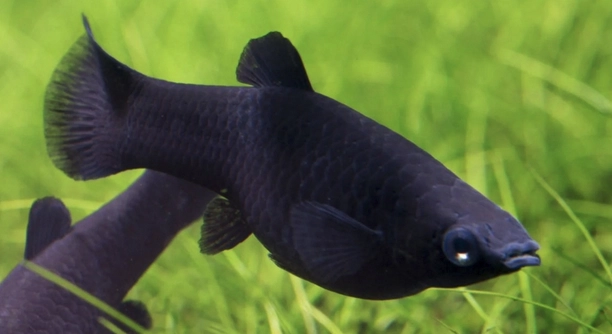
Do you ever find yourself watching your Black Molly swim calmly and wonder how much of the outside world it notices? Many fish owners are unsure how their pets perceive sounds beyond the aquarium glass. Their daily environment can be full of noises we barely notice.
Black Mollies can detect certain vibrations and low-frequency sounds in the water, but their ability to hear outside noises is limited. Sound travels differently in water, and they mainly respond to vibrations rather than airborne sounds.
Knowing how Black Mollies sense their surroundings can help you create a calmer, healthier aquarium environment for them. Understanding their perception adds a new layer to caring for these lively fish.
How Black Mollies Sense Their Environment
Black Mollies rely heavily on their lateral line, a series of tiny sensory organs along their sides. This system allows them to detect vibrations in the water, helping them respond to movements and potential threats. While they are not completely deaf, they cannot hear sounds the way humans do. Airborne noises outside the tank are muffled when they reach the water, so they mostly sense these as faint vibrations. Changes in water movement, tank decorations, or even your hands approaching the aquarium are much easier for them to detect. Their eyesight also plays a role in interpreting their surroundings, especially in well-lit tanks. A sudden shadow or motion may startle them, showing that visual cues can sometimes feel louder than actual sound. Maintaining a calm environment and avoiding sudden loud movements near the tank can help reduce stress and support their natural behaviors. Over time, Black Mollies adjust to consistent household noises.
They are sensitive to vibrations more than airborne sounds, so subtle changes in the tank affect them the most.
Observing your Black Mollies closely shows that each fish may respond differently to the same stimulus. Some might dart away at a shadow, while others continue swimming calmly. Tank layout, water quality, and even the presence of other fish influence how they react. Consistent care and gentle interaction help them feel secure, even with occasional household noises. Simple adjustments, like keeping speakers away from the tank or avoiding tapping on the glass, reduce stress and promote healthier behavior. Understanding these small cues helps you recognize when your fish are comfortable or stressed.
Reducing Stress from Outside Noises
Placing the tank in a quieter area helps Black Mollies feel secure. Avoiding sudden loud activities nearby reduces stress and supports their wellbeing.
Stress from excessive vibrations can weaken their immune systems and affect feeding habits. Black Mollies are more alert to disturbances that cause water to ripple or shake. Even minor changes, like closing doors quickly or moving objects near the aquarium, may make them uneasy. To minimize stress, try creating a consistent environment with stable water conditions, hiding spots, and gentle lighting. Monitoring your fish’s reactions to household sounds can guide small adjustments. Over time, reducing unnecessary vibrations allows them to swim confidently, explore their tank fully, and display natural behaviors. These practices not only improve their physical health but also strengthen their overall comfort and routine in the tank.
Common Household Noises That Affect Black Mollies
Sounds like vacuuming, loud music, or door slamming can cause noticeable stress for Black Mollies. Even regular conversation can produce vibrations that make them more alert and skittish.
When these noises occur frequently, Black Mollies may hide more often or swim erratically. They interpret vibrations as possible threats, even if nothing directly endangers them. Tank decorations, water movement, and the presence of other fish also influence their reactions. Fish that are constantly startled can eat less or show signs of weakened health. By observing which noises trigger stress, you can adjust their environment to help them feel safer. Small changes, like moving the tank away from high-traffic areas or using a soft tank cover, make a big difference in their comfort.
It is important to remember that not all Black Mollies react the same way. Some fish may ignore distant sounds, while others may become tense at the slightest vibration. Their age, health, and prior experiences influence sensitivity. Providing hiding spots and calm water conditions allows them to recover quickly after disturbances. Regular feeding and gentle interaction can also reassure them, helping maintain a stable and healthy tank environment.
Tips for Minimizing Stress
Keeping background noise low and consistent helps Black Mollies remain calm. Soft music or white noise is less disturbing than sudden loud sounds.
You can create a stable environment by maintaining consistent feeding times, water temperature, and gentle filtration. Adding plants and decorations gives them hiding places, reducing the impact of nearby vibrations. Monitor their behavior after changes to ensure they feel safe. Avoid tapping on the tank or moving furniture abruptly near it. Over time, these steps help your Black Mollies adapt to household activity without stress. Observing subtle signs, like fin position or swimming patterns, lets you fine-tune their surroundings. Simple habits improve their wellbeing and encourage natural behavior.
How Tank Placement Matters
Placing the tank away from busy areas reduces stress for Black Mollies. They respond better to quieter spots with less constant movement around them.
Keeping the aquarium on a stable surface also prevents vibrations from reaching the water. Avoid placing it near doors, speakers, or appliances that generate frequent noise.
Using Decorations to Reduce Stress
Plants, rocks, and other hiding spots give Black Mollies areas to retreat. These decorations help them feel secure and safe in the tank, especially during sudden household activity.
Recognizing Stress Signs
Erratic swimming, hiding constantly, or loss of appetite are clear signs Black Mollies are stressed. Watching for these behaviors allows you to adjust their environment quickly.
FAQ
Can Black Mollies hear people talking near the tank?
Black Mollies cannot hear conversations the way humans do. Their hearing is limited to vibrations in the water, so the sound of voices outside the tank is mostly felt as faint movement or ripples. Sudden loud talking may startle them, but normal conversation usually does not bother them.
Do loud household appliances affect Black Mollies?
Yes, appliances like vacuum cleaners, blenders, or washing machines can create vibrations that reach the water. These vibrations may make the fish swim nervously, hide, or show signs of stress. Keeping appliances away from the tank or running them at a distance can reduce their impact.
Will music harm Black Mollies?
Soft, steady music usually does not harm them. However, sudden loud or bass-heavy music produces strong vibrations that the fish can feel. Over time, repeated exposure to intense sounds can increase stress levels. It’s best to keep music moderate and avoid placing speakers close to the aquarium.
Do Black Mollies react to tapping on the glass?
Yes, tapping on the tank produces strong vibrations that the fish interpret as threats. Even light tapping can make them dart around or hide. Avoid tapping the glass entirely, as repeated disturbances may lead to long-term stress and reduced appetite.
Can other pets create stress for Black Mollies?
Yes, pets like cats or dogs moving near the tank can create vibrations or shadows that make the fish nervous. While some fish may ignore these disturbances, frequent movement nearby can cause ongoing stress. Providing hiding spots and placing the tank in a quieter location helps mitigate this.
How can I tell if my Black Mollies are stressed?
Signs of stress include hiding for long periods, rapid or erratic swimming, clamped fins, and reduced appetite. Some fish may also stay near the bottom or avoid certain areas of the tank. Observing these behaviors can help you identify environmental issues affecting their wellbeing.
Do Black Mollies adapt to household noise over time?
Yes, they can become accustomed to consistent, non-threatening vibrations. Fish often learn which noises are harmless, but sudden changes or very loud disturbances can still trigger stress. Maintaining a stable environment helps them adapt without ongoing anxiety.
Are vibrations from water filters stressful for Black Mollies?
Most well-maintained filters produce gentle vibrations that fish quickly get used to. However, very strong currents or filters that create loud bubbling or shaking can be stressful. Adjusting the filter or adding plants to diffuse movement can reduce stress and create a calmer environment.
Does tank size affect how Black Mollies respond to noise?
Yes, larger tanks give fish more space to escape and reduce the impact of vibrations. Smaller tanks concentrate water movement, so vibrations are more noticeable. Providing adequate space and hiding places helps reduce stress from both internal and external disturbances.
Can sudden lights or shadows stress Black Mollies?
Yes, sudden changes in light or shadows can startle them. Bright flashes from cameras or abrupt lighting changes in the room can mimic a threat. Using consistent lighting and adding decorations or plants for cover helps them feel secure and reduces stress.
Do Black Mollies need completely quiet environments?
No, they do not need absolute silence. They respond to vibrations rather than sound in the air. Consistent household noise that does not create strong vibrations is generally fine. The key is avoiding sudden, intense disturbances that they cannot interpret as safe.
How long does it take for Black Mollies to calm down after stress?
Recovery time depends on the severity of the disturbance and the individual fish. Minor stress from small vibrations may last minutes, while intense or repeated stress could take hours or even a day. Providing hiding spots and a calm, stable environment accelerates recovery.
Can I use decorations to buffer vibrations?
Yes, plants, rocks, and driftwood can diffuse movement and give fish safe spaces to retreat. These decorations help reduce the intensity of vibrations from household activity and make the fish feel more secure in their environment.
Are younger Black Mollies more sensitive to noise?
Yes, juveniles are often more reactive to vibrations because they are still developing their lateral line system. They may hide more frequently or startle easily. Extra care with tank placement and gentle handling helps them adjust safely.
Does water depth influence how Black Mollies perceive vibrations?
Yes, deeper water can absorb some vibrations, making them less noticeable. Shallow tanks transmit vibrations more directly, so fish may react more strongly. Ensuring proper tank depth and stable placement helps manage stress from outside disturbances.
Can frequent stress affect their health?
Repeated or prolonged stress can weaken their immune system, reduce appetite, and make them more susceptible to disease. Minimizing sudden vibrations, maintaining water quality, and providing hiding spots are key steps to keeping Black Mollies healthy and active.
Is it normal for some Black Mollies to be more sensitive than others?
Yes, individual temperament varies. Some fish are naturally bolder, while others are cautious and easily startled. Observing each fish’s behavior allows you to tailor their environment, helping all fish feel comfortable and reducing stress-related issues.
Do Black Mollies react to people moving around the room?
They notice movement near the tank through vibrations and shadows. Quick or sudden motions may startle them, while slow, predictable activity is usually ignored. Keeping the area around the aquarium calm and consistent helps them feel secure.
Are air pumps stressful for Black Mollies?
Gentle air pumps are usually fine and can even enrich the tank environment. Very strong bubbles or rapid water agitation may create stress, especially if they disrupt swimming areas. Adjusting the air flow ensures comfort while maintaining oxygenation.
Can I train Black Mollies to ignore household noises?
To some extent, yes. Repeated exposure to non-threatening vibrations can help them become accustomed to everyday sounds. Consistency is important—sudden, unpredictable noises will still cause stress. Providing a stable environment with hiding places reinforces their sense of security.
Do temperature changes affect how they respond to noise?
Yes, sudden temperature shifts can heighten stress reactions. Fish are more sensitive when water conditions fluctuate, so keeping temperature stable helps them remain calm even when household noises occur.
Is it better to cover the tank for noise reduction?
A partial cover can reduce vibrations slightly, but it should not restrict air flow. Covers also provide a sense of security, reducing visual disturbances while allowing the fish to feel protected from overhead movement or shadows.
Can water plants reduce stress from vibrations?
Yes, plants help diffuse water movement and provide hiding spaces. Floating or rooted plants absorb some vibrations, creating calmer areas where Black Mollies can retreat, which reduces the impact of sudden or ongoing household noises.
How do I know if my adjustments are working?
Monitor swimming behavior, appetite, and interaction with tank mates. Calmer, more exploratory behavior and consistent feeding indicate that your fish are adapting well to reduced disturbances. Adjustments should improve overall comfort gradually.
Are Black Mollies more sensitive during breeding?
Yes, breeding fish are often more reactive to stress. Vibrations or disturbances can disrupt spawning behavior or make them hide excessively. Providing extra cover and minimizing sudden changes supports successful breeding and reduces stress.
Can vibrations affect their social behavior?
Yes, excessive vibrations can make fish more aggressive or withdrawn. Stress influences interactions with tank mates, sometimes causing competition over hiding spots. Reducing disturbances helps maintain balanced social behavior and prevents conflicts.
Do Black Mollies respond differently to natural versus artificial vibrations?
They respond to the intensity and suddenness of vibrations rather than the source. Consistent, gentle natural vibrations like flowing water are less stressful than sudden artificial disturbances, such as slamming doors or loud music.
How often should I check their stress levels?
Daily observation is best. Watching for hiding, erratic swimming, or reduced appetite allows early intervention before stress becomes harmful. Consistent monitoring ensures your Black Mollies remain healthy and comfortable in their tank.
Can adding a background to the tank help?
Yes, a solid background reduces visual disturbances and shadows that may startle the fish. It creates a calmer environment and complements other stress-reducing strategies like hiding spots and gentle water flow.
Do Black Mollies feel stress from outside fish tanks?
Yes, movement and vibrations from nearby aquariums can be noticed. They may react to sudden activity, even if there is no direct threat. Providing hiding places and a stable environment helps minimize these effects.
Is frequent water changing stressful?
Not if done gradually. Sudden large changes in water parameters or temperature can be stressful. Partial, consistent water changes maintain cleanliness while keeping the fish comfortable and reducing stress from environmental fluctuations.
Do Black Mollies respond to vibrations from people walking above the tank?
Yes, strong footsteps or heavy movement near the tank can transmit vibrations into the water. Placing the tank on a sturdy, stable surface helps absorb some impact, reducing stress and preventing constant disturbances.
Can adding more fish reduce stress from noises?
Sometimes, having a well-balanced group provides social comfort, but overcrowding increases stress. Proper tank size, compatible species, and hiding spots are more important than simply adding fish to buffer vibrations.
Are Black Mollies more sensitive at night?
They are generally calmer at night, but sudden lights or movements can still startle them. Keeping a predictable day-night lighting cycle reduces stress and helps maintain natural behaviors.
Do Black Mollies recognize repeated household vibrations as safe?
Yes, they can learn to ignore familiar, non-threatening vibrations over time. Consistency is key. Sudden or unpredictable changes, however, will continue to trigger stress responses.
How can I combine all strategies effectively?
Use a quiet, stable tank location, provide hiding spots, maintain water quality, regulate lighting, and monitor behavior. Consistent care and attention to their environment ensure Black Mollies remain healthy, active, and comfortable, despite household noises.
Black Mollies are small, lively fish that can bring a lot of personality to an aquarium, but understanding how they perceive their surroundings is key to keeping them healthy and comfortable. They do not hear sounds the way humans do, yet they are highly sensitive to vibrations in the water. Everyday noises from the household, such as doors closing, footsteps, or appliances running, can produce vibrations that travel through the tank and catch their attention. While some Black Mollies may ignore minor disturbances, others can react quickly by hiding, darting around, or showing changes in appetite. These behaviors are not signs of stubbornness or misbehavior—they are simply their way of responding to what feels like potential danger. Knowing this can help aquarium owners make thoughtful choices about where to place the tank, how to manage household activity near it, and what kinds of changes to avoid. A stable, calm environment goes a long way in reducing stress and ensuring the fish feel safe, which in turn supports their overall health and natural behaviors.
Creating a supportive environment for Black Mollies is more than just maintaining water quality or feeding routines. The placement of the tank plays a significant role in their comfort. Choosing a quiet area away from heavy traffic, loud appliances, and frequent sudden movements can make a noticeable difference. Adding plants, rocks, and other decorations provides hiding spaces that help them feel secure when vibrations do occur. Even small adjustments, such as moving the tank slightly or covering part of it with a background, can help minimize the impact of external activity. Observation is equally important. By watching how each fish reacts to changes, owners can determine which areas of the tank are safest and which household noises are most disruptive. Over time, Black Mollies can adapt to consistent vibrations and predictable activity, but reducing unnecessary disturbances from the start ensures they experience less stress overall.
The wellbeing of Black Mollies is closely tied to the consistency and stability of their environment. Stress from vibrations or sudden changes not only affects their behavior but can also influence their health, feeding habits, and interactions with other fish. Providing a predictable routine, gentle water flow, and adequate hiding spaces allows them to feel secure and explore their tank confidently. Even though they are small and may seem delicate, they are quite resilient when given proper care and a calm environment. Understanding their sensitivity to vibrations, recognizing signs of stress, and taking proactive steps to minimize disturbances can lead to healthier, more active, and happier fish. By focusing on these details, you ensure that Black Mollies thrive in their home and display the lively, engaging behavior that makes them such a rewarding species to keep.

Hello,
If you enjoy the content that we create, please consider saying a "Thank You!" by leaving a tip.
Every little bit helps us continue crafting quality advice that supports the health, happiness, and well-being of pets around the world, for pets of all shapes, sizes, and species.
We really appreciate the kindness and support that you show us!